In the Media

Admired Leadership in the Media

Since the launch of Admired Leadership Digital® in the spring of 2020, the behavioral approach to leadership has garnered a great deal of attention. This has led to tremendous discussions on some of the leading podcasts of our time. This page is a quick guide to those conversations.

Filter Posts

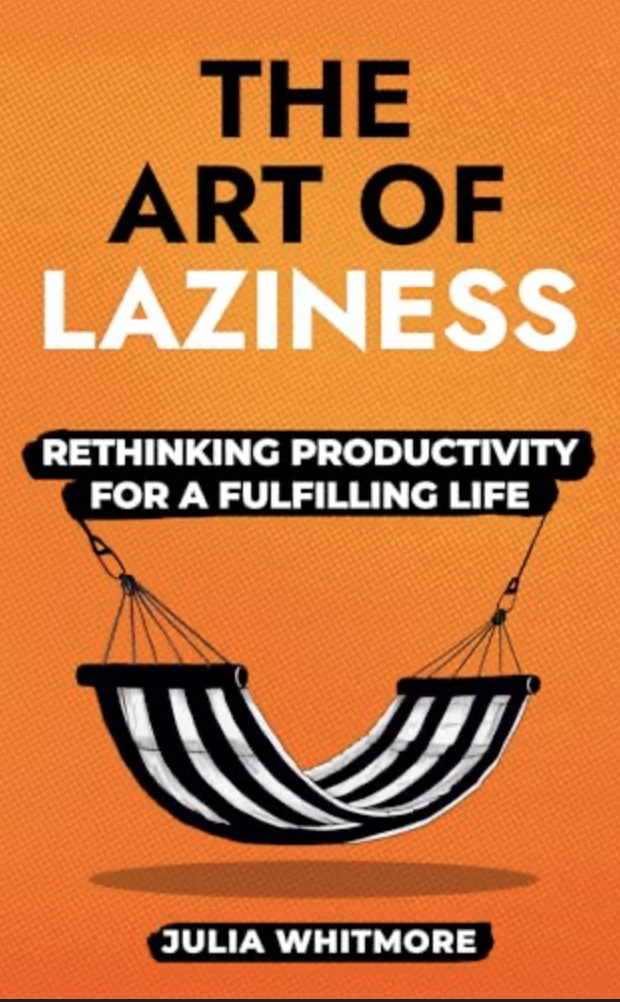
The author argues that the conventional definition of productivity is too focused on busyness. She suggests taking a more intentional approach to determining what tasks you take on, allotting time for rest, and saying no to what doesn’t align with your values. The author asserts that this more intentional approach will actually make you more productive and lead to better work-life harmony, more creativity, and a more fulfilling life.
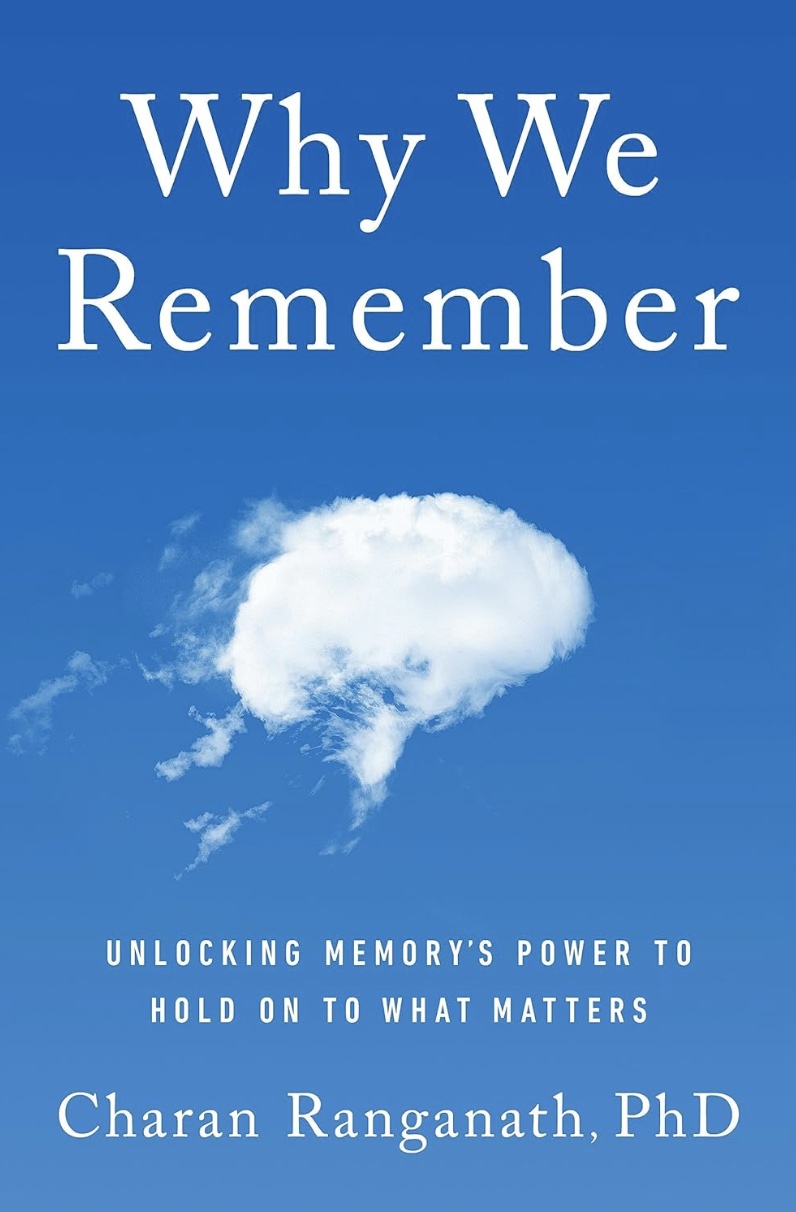
Charan Ranganath, PhD professor at the University of California at Davis, uses memory science to reset readers’ expectations about what our memories are and are not designed to do. Ranganath argues that memory does not objectively record the past, but instead shapes, and is shaped by, our understanding of the present. When we understand how memory works and why, we can learn to capture the things we want to remember most and use the past to better inform our present.
General Stanley McChrystal recounts his lifelong pursuit of character through stories about his life before, during, and after his military career. He distills character to a simple equation: Character = Convictions x Discipline, and he dedicates each section of the book to providing firsthand experiences of how he developed his own convictions, discipline, and ultimately, his character. He believes that reflecting on your values and consistently demonstrating them in your behavior builds character.
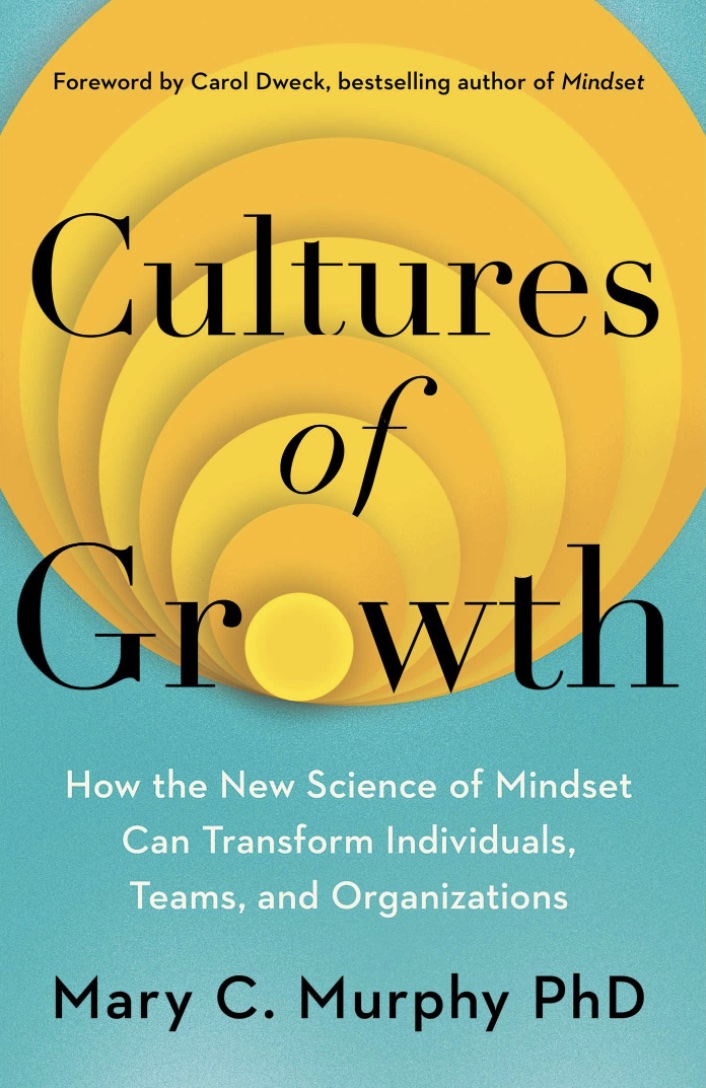
Mary C. Murphy, a mentee of Growth Mindset’s Carol Dweck, shows that mindset isn’t just individual – it’s a culture that influences people toward fixed or growth behaviors. She posits that organizational cultures fall into two categories: genius cultures that prize innate talent and growth cultures that value development. This distinction profoundly shapes employee experience and company success in areas such as innovation, financial performance, inclusion, collaboration, and adaptability. The book provides leaders with practical tools to diagnose their current culture and implement changes that cultivate organizational growth mindsets by choosing learning over status.
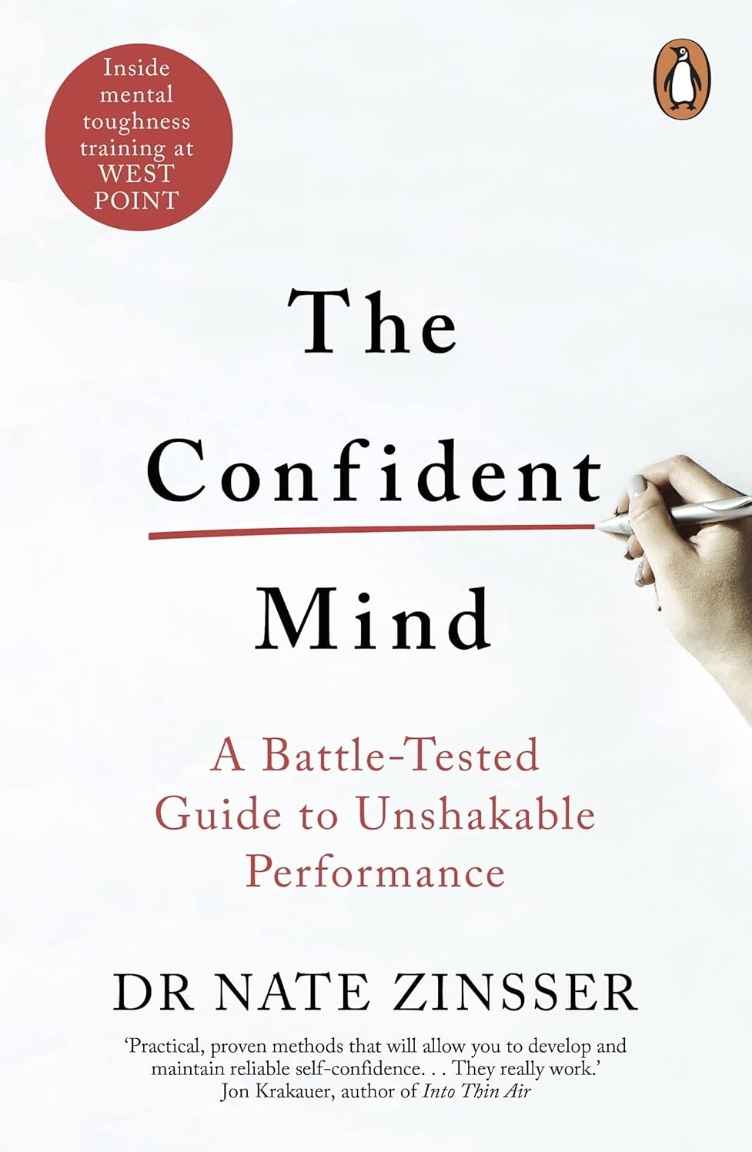
The author argues that true peak performance depends not only on skill but also on the confidence to execute under pressure. The Confident Mind offers strategies for cultivating self-belief, overcoming fear and setbacks, and reframing challenges as opportunities for growth. Rooted in the idea of the self-fulfilling prophecy, the book shows how positive mental habits can transform competence into consistent, high-level performance.
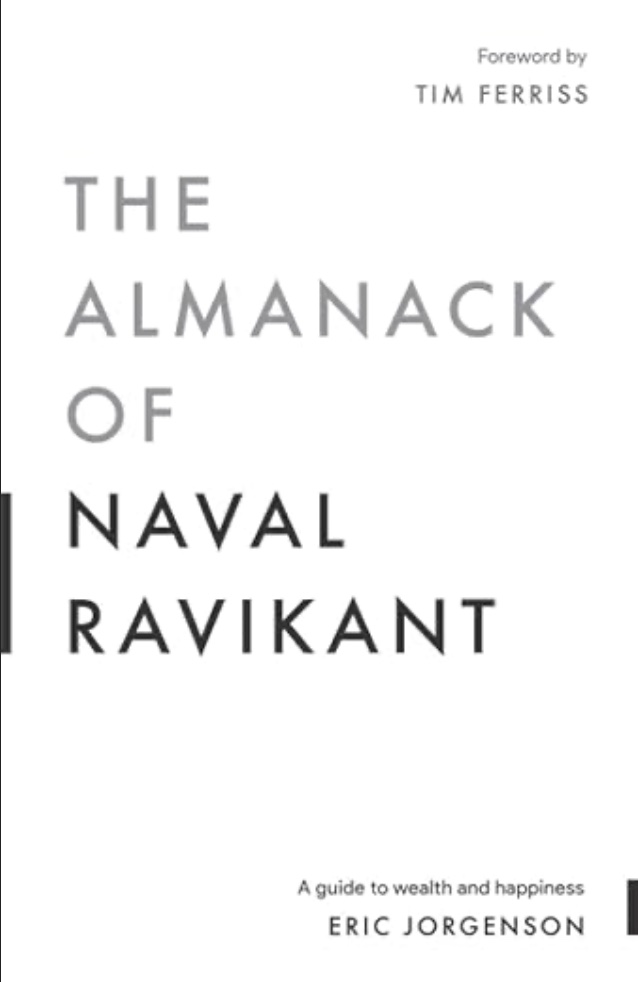
The Almanack of Naval Ravikant is a modern guide to wealth and happiness from the mind of Naval Ravikant, a successful Silicon Valley entrepreneur and investor, and was compiled and curated by Eric Jorgenson, a writer on technology and the CEO of Scribe Media. The book is divided into two parts on generating wealth and cultivating happiness, and each part provides highlights of Ravikant’s reflections on those topics based on his lived experience and observations from early childhood in India and New York and then an extensive career in Silicon Valley. A unique aspect of the book is that it’s a compilation of direct quotes by Ravikant from his writings, podcasts, and interviews. Besides the introduction by the author, all of the content is Ravikant in his own words grouped into chapters that loosely fit together under the two main themes, wealth and happiness.
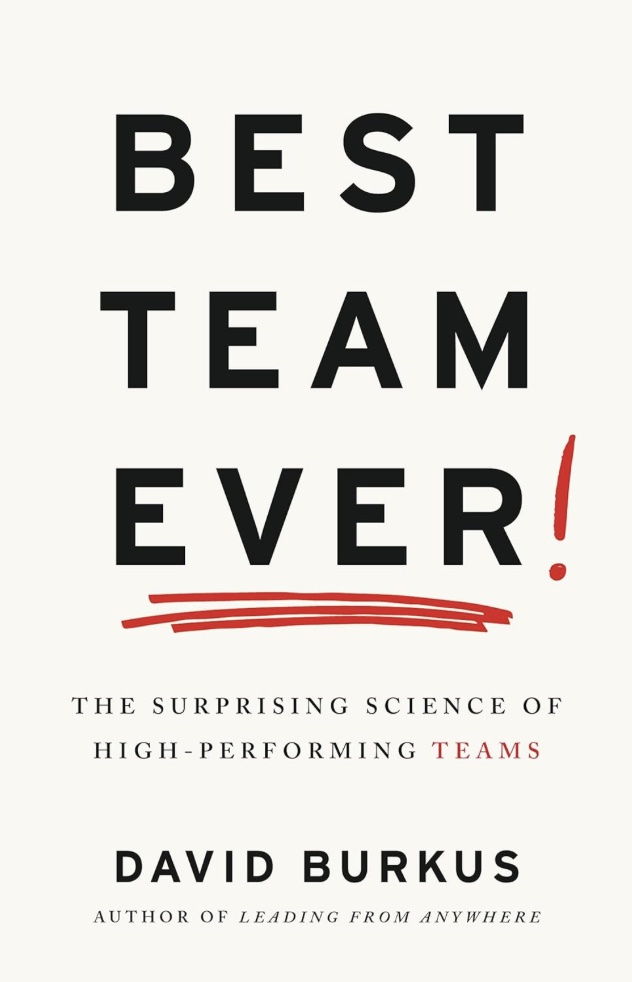
High performing teams share 3 fundamental elements: common understanding, psychological safety and prosocial purpose. These three elements provide teams with a common set of norms and behaviors that guide their collaboration and improve their performance. While each component is important, the author concludes that they are interdependent, and a focus on all three in concert is essential to creating a high performing team.
MacDonald discusses how talking serves purposes beyond communication, functioning as a fundamental cognitive tool that shapes brain development, attention, and learning throughout our lives. The book examines how the act of speaking, not just comprehending language, requires significant mental effort that strengthens neural pathways, enhances executive function, and creates lasting cognitive benefits. MacDonald shares that humans possess unique brain circuitry that enables voluntary speech and separates us from all other species, enhancing understanding even for tasks that don’t necessarily require language.
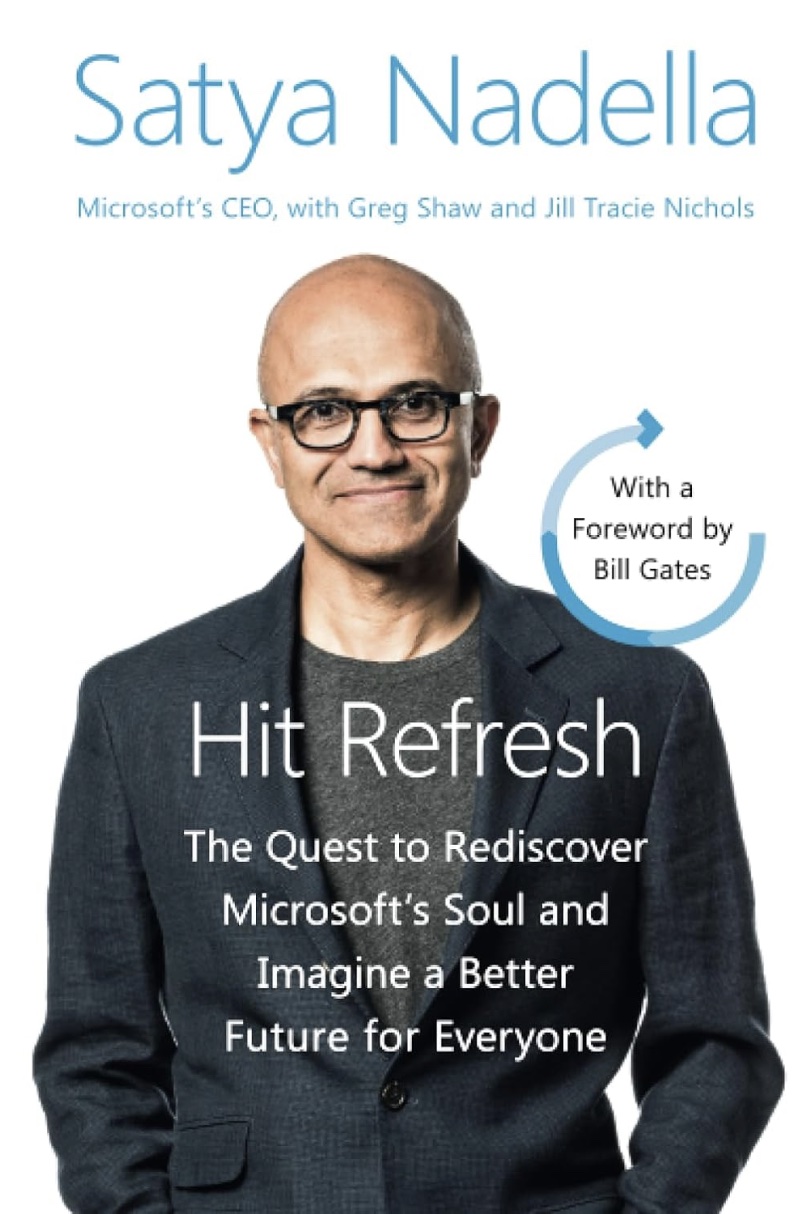
Satya Nadella, the current CEO of Microsoft, reflects on the personal experiences that shaped his leadership philosophy and his effort to transform a stagnating company into a culture of curiosity and empowerment. He emphasizes the power of empathy in relationships and the importance of a growth mindset in an era defined by democratized technology and artificial intelligence. According to Nadella, both leaders and organizations must “hit refresh” many times throughout their lives to remain vital and forward-looking.
The author recounts his journey from having a panic attack on live television to discovering meditation as a practical tool for managing the relentless inner voice that drives ambition but also fuels anxiety. The book demonstrates that mindfulness and meditation are not mystical practices but rigorous mental exercises that can reduce stress, increase presence, and improve decision-making without sacrificing competitive edge. The author argues that being 10% happier through meditation is a realistic and valuable return on investment for anyone seeking to balance ambition with well-being.
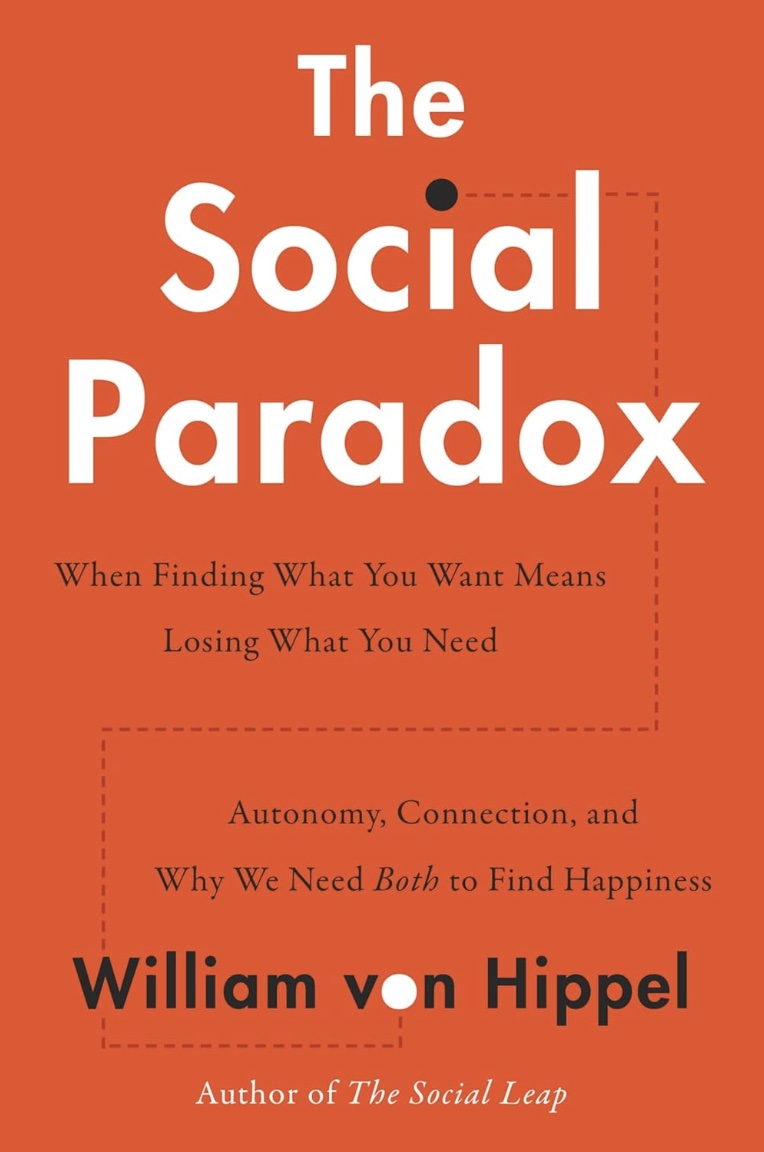
Von Hippel argues that humans evolved with competing needs for autonomy (independence, self-governance) and connection (social bonds, cooperation), but modern society has disrupted the balance between these needs by offering unprecedented freedom at the cost of meaningful relationships.
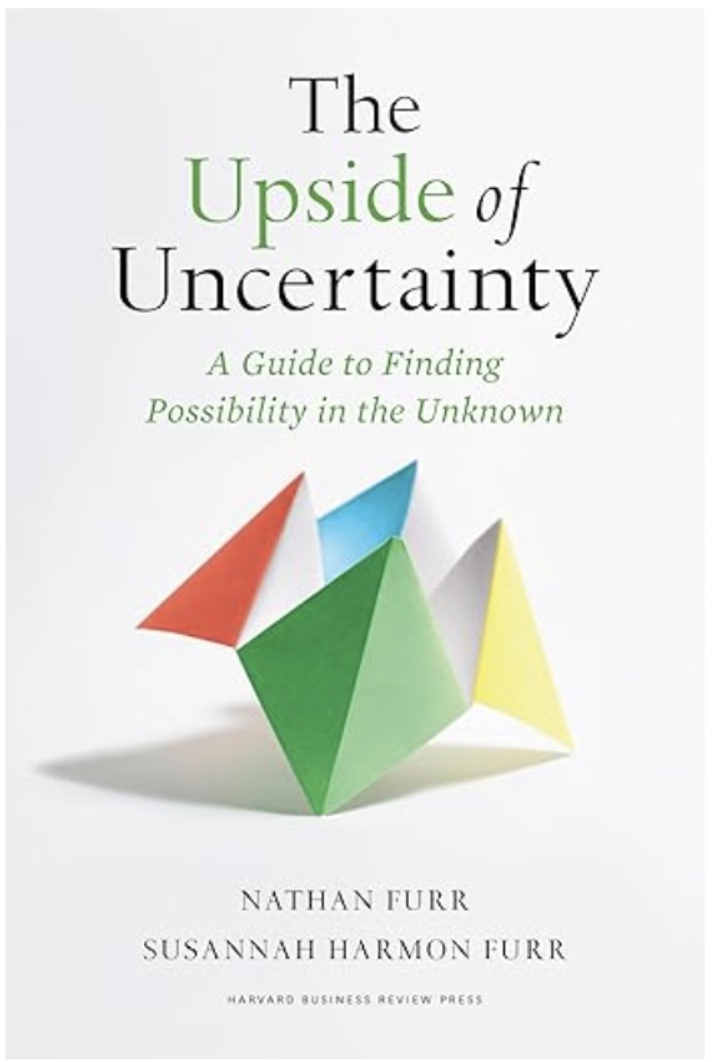
The authors assert that uncertainty is a natural and necessary state that can spur us to discover unexpected opportunities. The discomfort that accompanies being unsure about what to do next often disguises or temporarily holds us back from seeing what's possible. The authors share and advocate for an approach that allows one to be bolder and avoid being paralyzed by lack of data by becoming more curious, taking courage from studying proven innovators, and pursuing small actions that make both risk and negative emotions manageable.
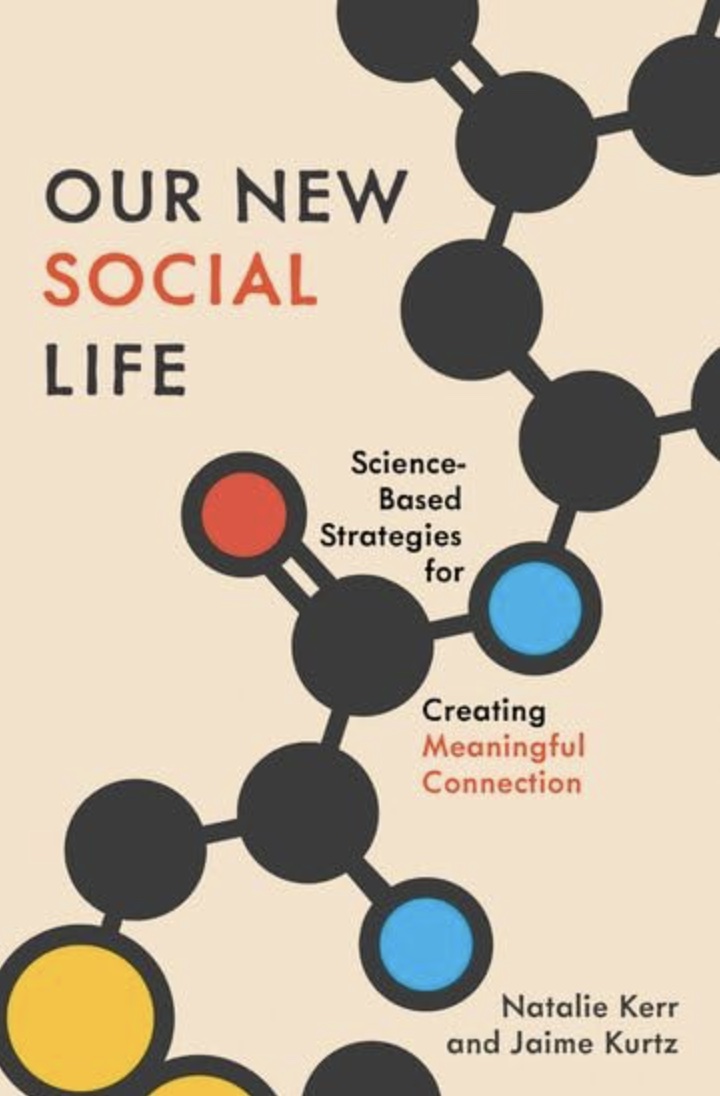
The authors explore how humans are biologically wired for connection and how today’s modern world—like technology, Americans’ obsession with being busy, and misperceptions about others—make building fulfilling connections more difficult. They explain the psychological, social, and cultural barriers that distort our perception of relationships and provides research-backed strategies to cultivate meaningful connections. The book emphasizes both external connection with others and internal connection with oneself as ways to fulfill our essential need for social connection.
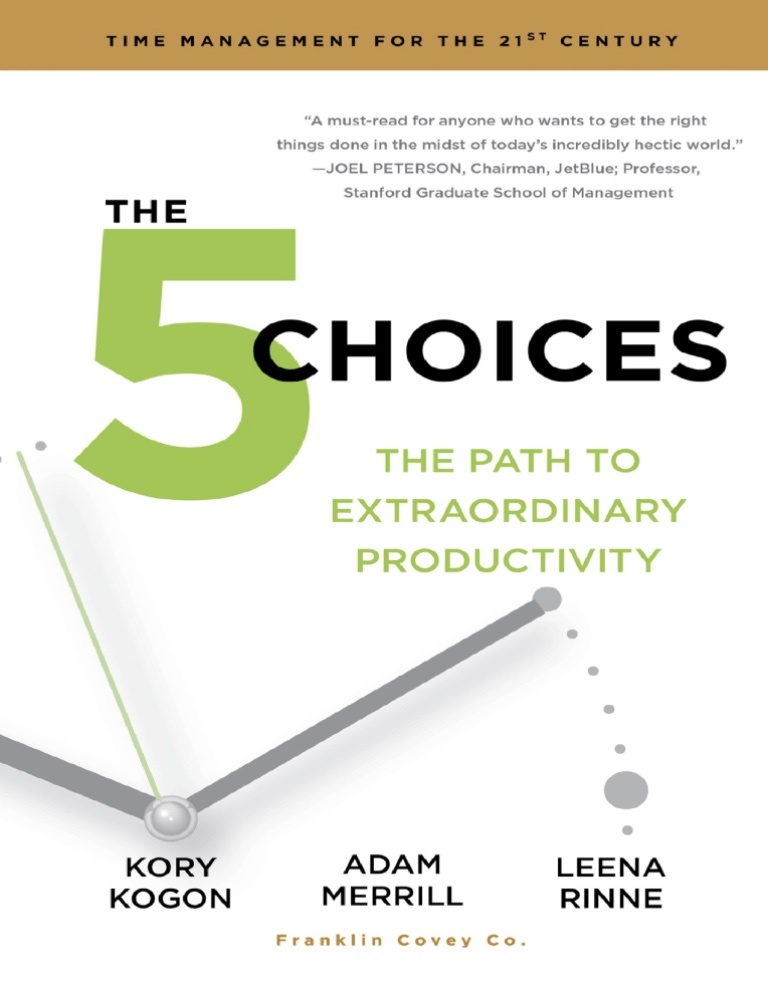
The authors argue that extraordinary productivity comes from making five critical choices that help manage decision-making, attention, and energy rather than simply doing more tasks. The book emphasizes the importance of engaging the conscious “Thinking Brain” rather than the reactive, automatic responses that lead to poor time management and burnout. The framework provides practical strategies for focusing on what matters most, scheduling priorities effectively, managing technology, and maintaining the physical and mental energy needed for sustained high performance.