In the Media

Admired Leadership in the Media

Since the launch of Admired Leadership Digital® in the spring of 2020, the behavioral approach to leadership has garnered a great deal of attention. This has led to tremendous discussions on some of the leading podcasts of our time. This page is a quick guide to those conversations.

Filter Posts

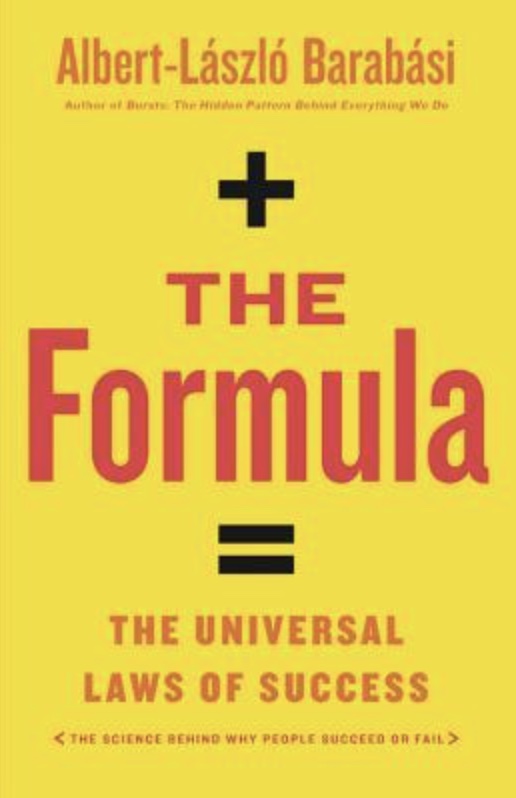
Barabási, a network scientist, argues that success is not simply a function of talent or effort but of how performance interacts with the social networks that observe, amplify, and reward it. Drawing on data from art markets, sports, scientific publishing, and careers, he identifies five laws that govern how success actually propagates through human systems, laws that hold regardless of the domain.
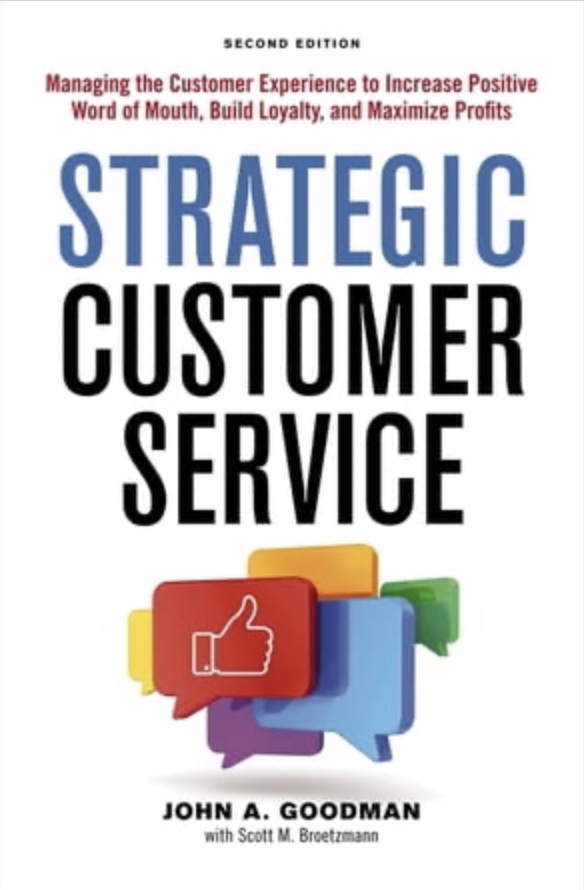
The authors argue that most companies fundamentally misunderstand customer service by treating it as a cost center to be managed down rather than a revenue-generating function that builds loyalty and drives growth. Goodman and Broetzmann lay out a practical framework for building a customer service system that anticipates problems, makes it easy for customers to complain and be heard, and uses that feedback to improve the business rather than simply manage complaints.
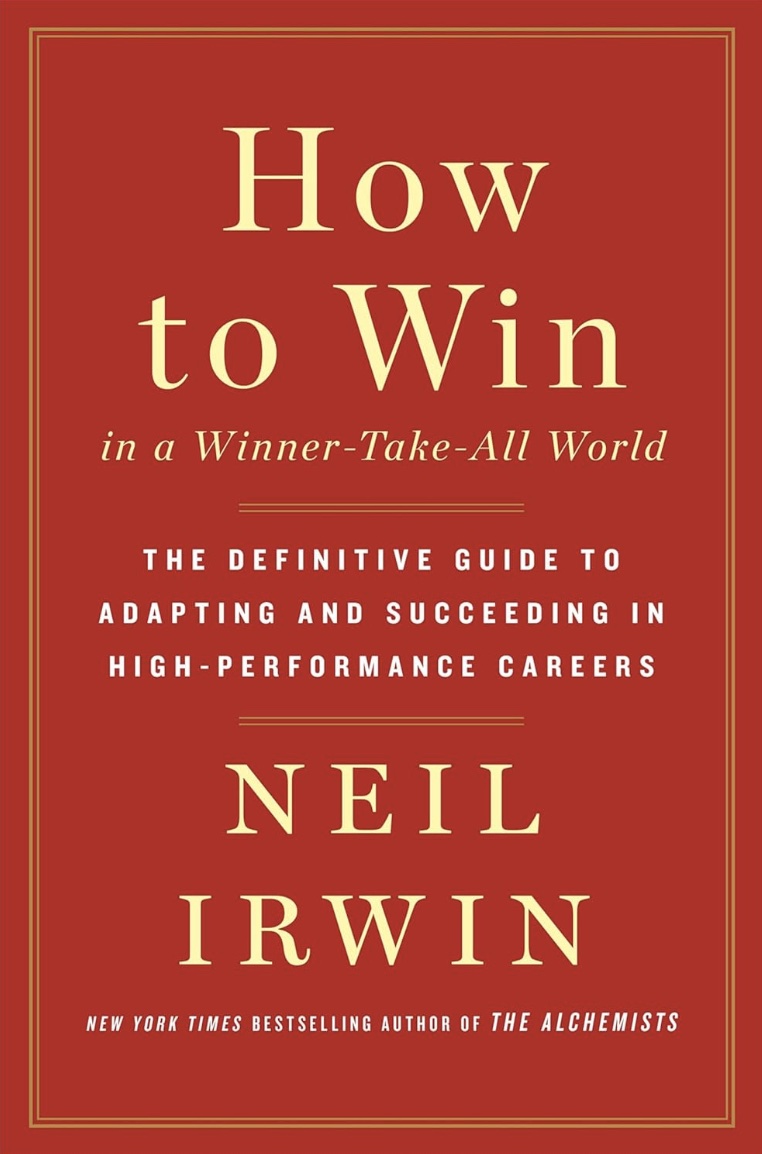
The book is a practical rethinking of how to build a career in an era when winner-take-most dynamics are reshaping every industry, and when the traditional notion of climbing a ladder has been replaced by the more complex reality of navigating a lattice.
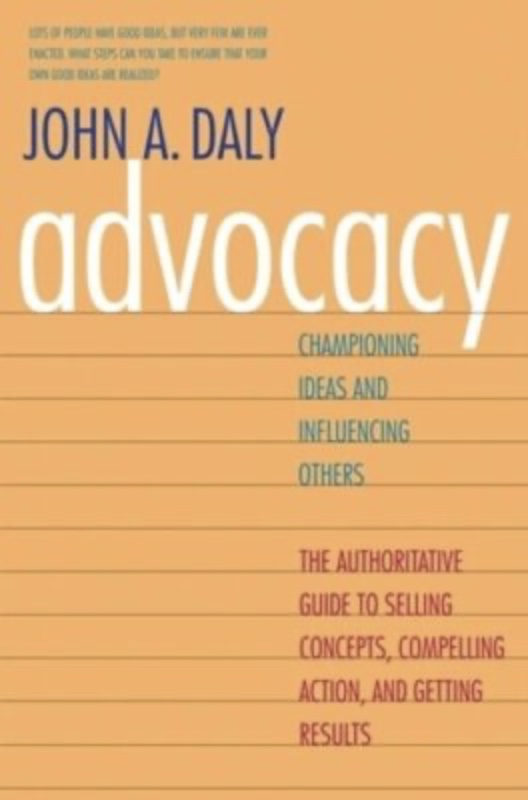
The author argues that advocacy is a learnable, structured skill that goes well beyond simply having a good idea, requiring clear communication, deliberate relationship-building, and strategic influence. Daly outlines a practical five-part framework showing how successful advocates build credibility, presell their ideas to the right people, and shape how problems are defined before solutions are ever proposed. The central insight is that how you champion an idea almost always determines its fate more than the quality of the idea itself.
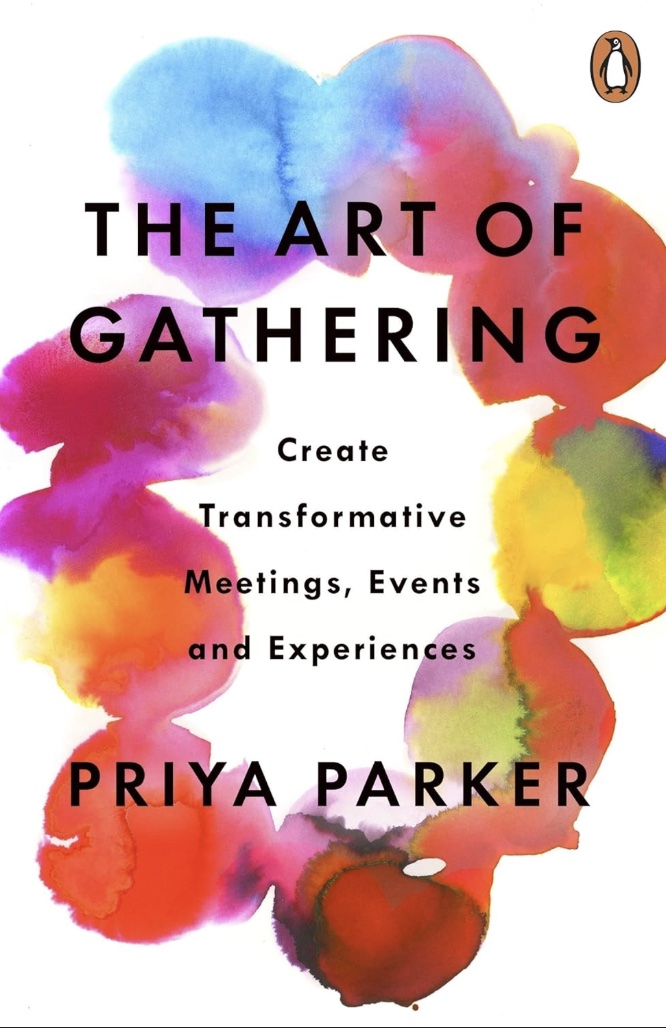
Priya Parker argues that how we gather is often overlooked, leading to unmemorable or unproductive gatherings. She outlines several frameworks for thinking about, planning, and hosting events that help attendees recognize the gathering as a gathering unlike any other and willingly participate. By anchoring gatherings in a meaningful purpose and designing thoughtfully based on that purpose, any host or facilitator can improve the way they bring people together
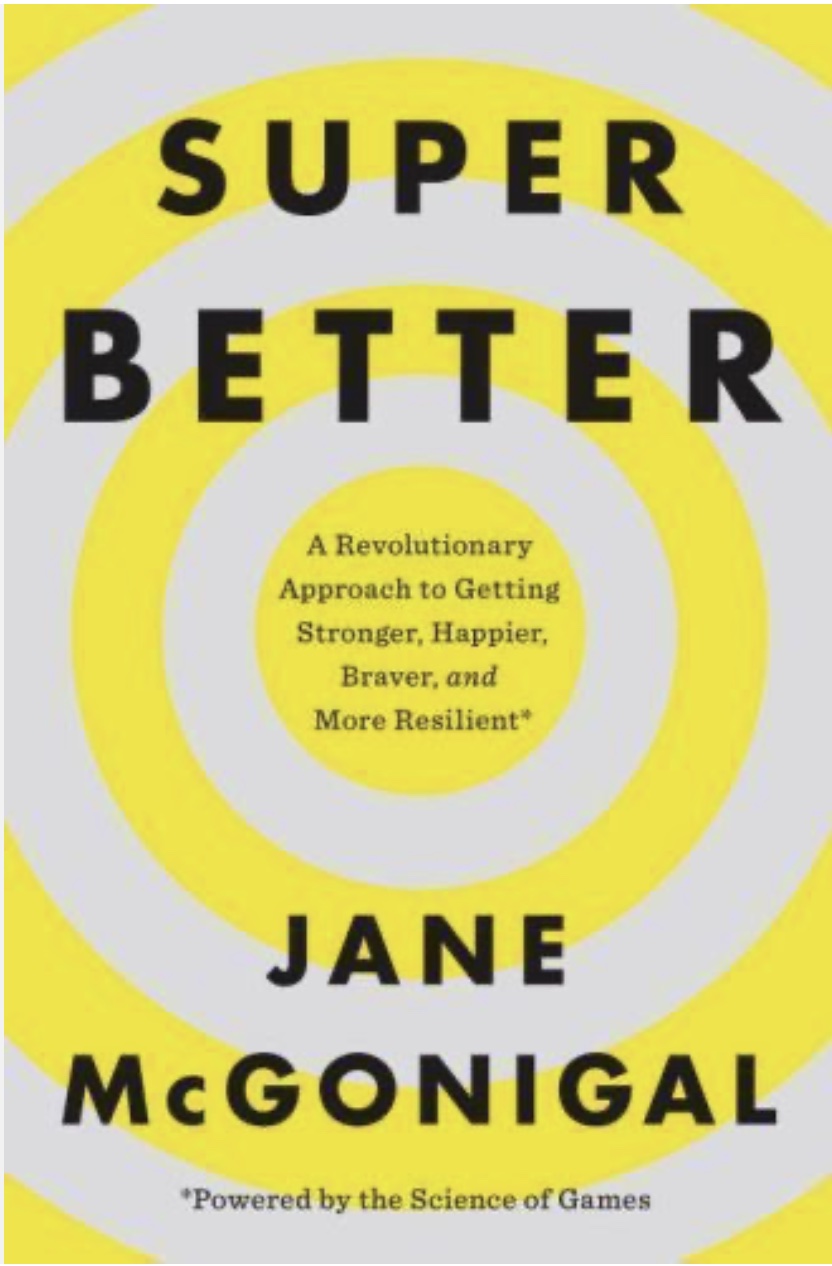
The author argues that by adopting a gameful mindset and viewing life’s challenges through the lens of games—complete with power-ups, bad guys, quests, and allies—anyone can become stronger, happier, braver, and more resilient. Drawing from her personal experience recovering from a severe concussion by creating an alter ego called “Jane the Concussion Slayer,” McGonigal demonstrates how game mechanics can transform how we approach obstacles and build mental strength.
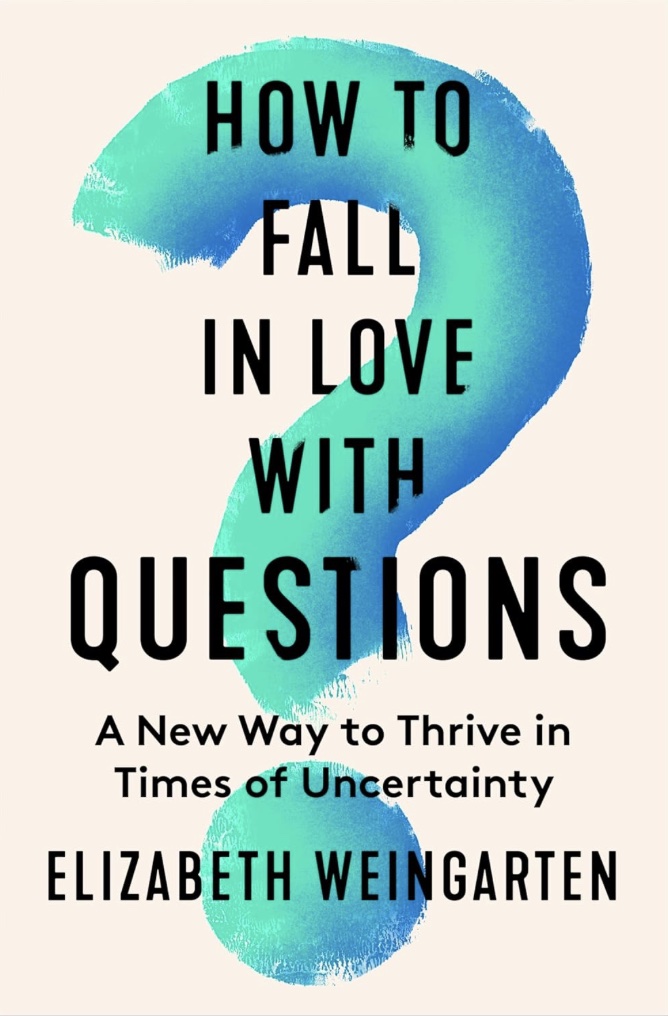
The author argues that questions aren’t just tools for finding answers but worthy companions capable of guiding us through uncertainty and difficult decisions. The book introduces a “questions practice” built on curiosity, conversation, community, and commitment that treats questions as ongoing explorations rather than problems requiring immediate solutions. — Elizabeth Weingarten
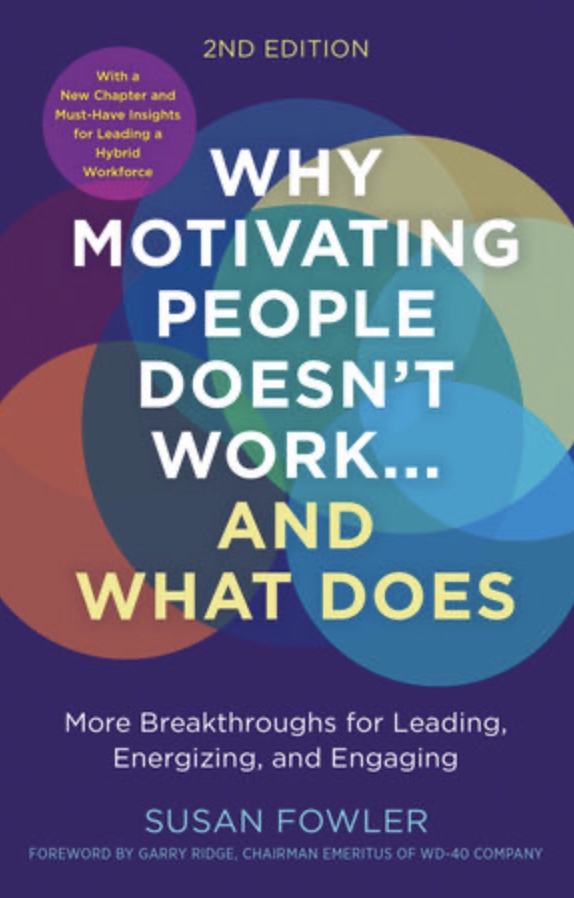
The author challenges the belief that leaders are responsible for motivating others, arguing that motivation comes from within. Grounded in motivational science research, the book explains why common tactics like rewards, praise, or pressure fail to sustain people’s motivation. It offers a framework for creating conditions from which people can tap into optimal motivation.
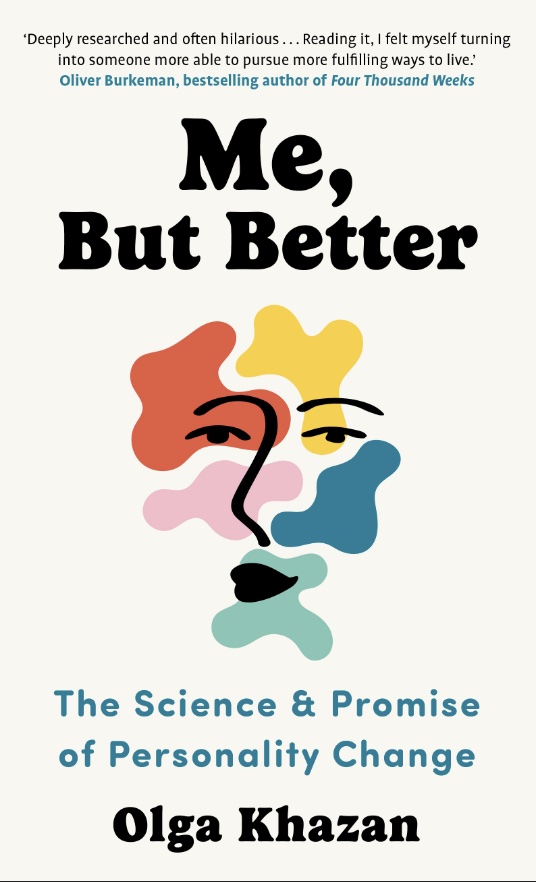
The author argues that personality is not a fixed state but can be changed—permanently or temporarily—to improve an individual’s experiences. The book explores the Big 5 personality traits and provides a narrative of the author’s experiences adjusting the prevalence of each in her reactions and perspectives. Through interviewing experts and other individuals and reflecting on her own experiences, the author advocates that each of us should more intentionally craft the personality we want.
The authors define power as the ability to influence another’s behavior, through either coercion or persuasion. The ability to wield power ultimately depends on whether one person or group has control over a resource that another person or group values. This book unpacks how these dynamics play out in relationships, organizations, and society, offering ways to navigate power hierarchies and shift the balance of power when needed.
The book highlights the value of approaching change through his Behavior Design framework, a system that thoughtfully considers human behavior and designs simple ways for transformation.
Authors R. Kelly Crace and Robert Louis Crace argue that today’s relentless pace of change and pressure creates a unique vulnerability in young adults, causing them to plateau at “good enough” when the very values that initially led to their success become sources of fear and stagnation. Building on three decades of empirical research through the Life Values Inventory (assessing over 160,000 subjects), the book distinguishes between “living at your neurology” (using sympathetic crisis and parasympathetic regulation as motivational strategies) and authentic excellence that emerges from values-centered living.
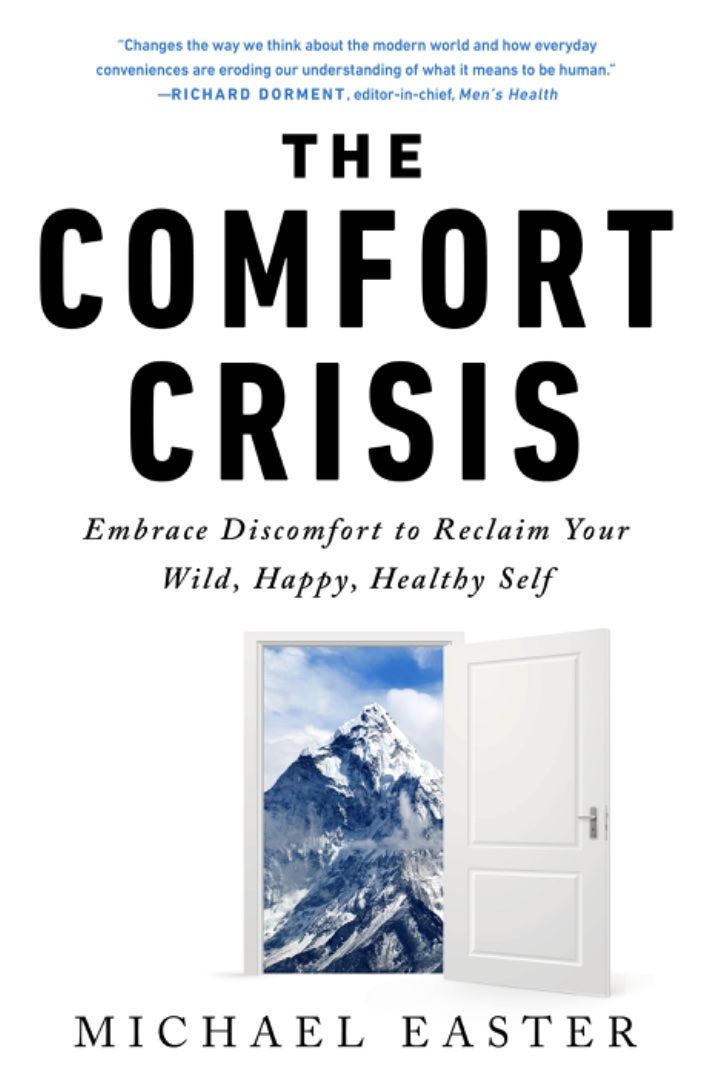
Michael Easter argues that modern comfort—from grocery stores to air conditioning—has dulled human resilience and meaning. The conveniences we’ve built to make life easier have removed the challenges humans need to stay healthy and fulfilled. His solution is to reintroduce controlled discomfort—through physical challenge, boredom, and time in nature—to reconnect with our natural strength and purpose.