In the Media

Admired Leadership in the Media

Since the launch of Admired Leadership Digital® in the spring of 2020, the behavioral approach to leadership has garnered a great deal of attention. This has led to tremendous discussions on some of the leading podcasts of our time. This page is a quick guide to those conversations.

Filter Posts

The ability to discern what is truly important and essential takes courage, insight, and clarity. With countless distractions and external pressures to be everything to everyone, to pursue all opportunities, and work harder to gain more, we are required to be extremely disciplined in our pursuit of living mindfully. Essentialism: The Disciplined Pursuit of Less tackles this issue in its entirety by demonstrating that doing less does not necessarily mean achieving less. Instead, Greg McKeown illustrates that by concentrating our energy on what is essential to us, we free ourselves to achieve excellence. The challenging part is, of course, discovering what is truly essential for our unique lives, or as McKeown puts it “discerning the essential few from the trivial many.”
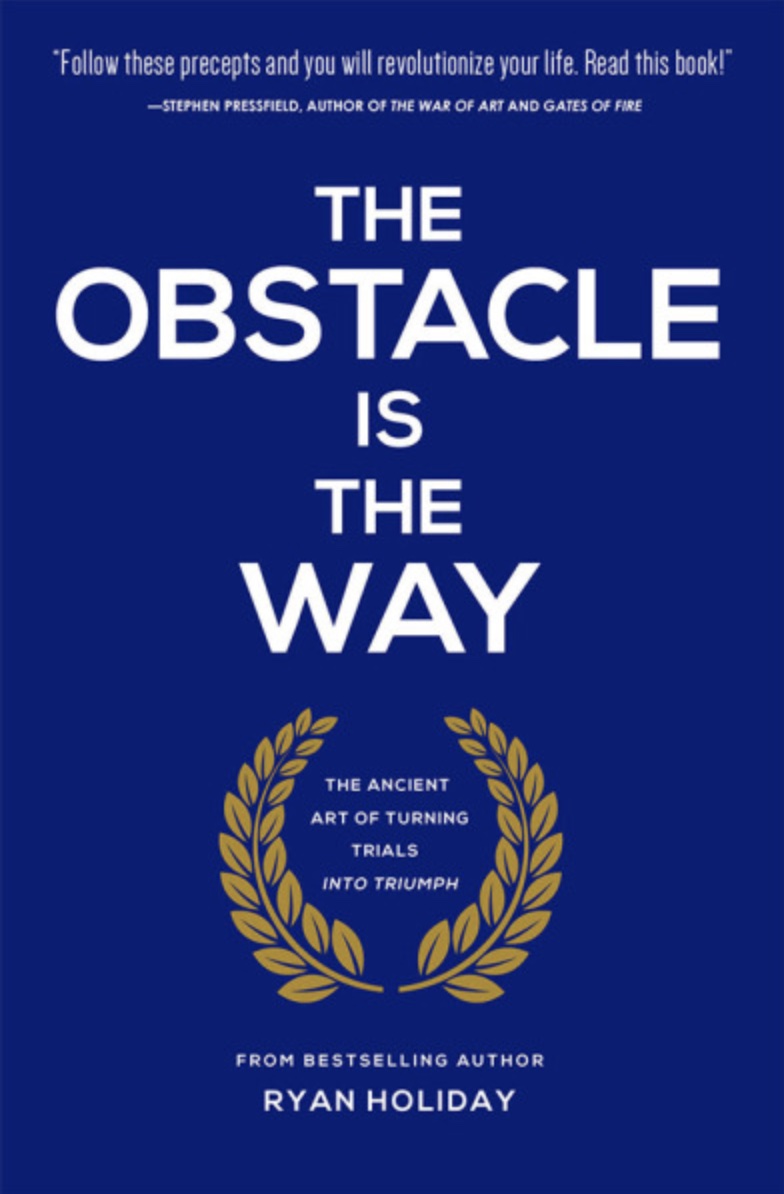
Panic and fear in the face of obstacles is a natural survival instinct. And yet, leaders throughout history have weathered great storms to achieve success. Ryan Holiday analyzes icons such as Ulysses S. Grant, “Hurricane” Carter, and NASA astronauts to identify the very formula that allows a person to overcome obstacles. Grounded in Stoic wisdom, this formula for success points to the disciplines of perception, action, and the Will as being instrumental. While we are incapable of changing an obstacle, be it mental, physical, emotional, or perceived, we can change the way we approach, view, and contextualize it so that the very thing that inhibits us evolves into an advantage.
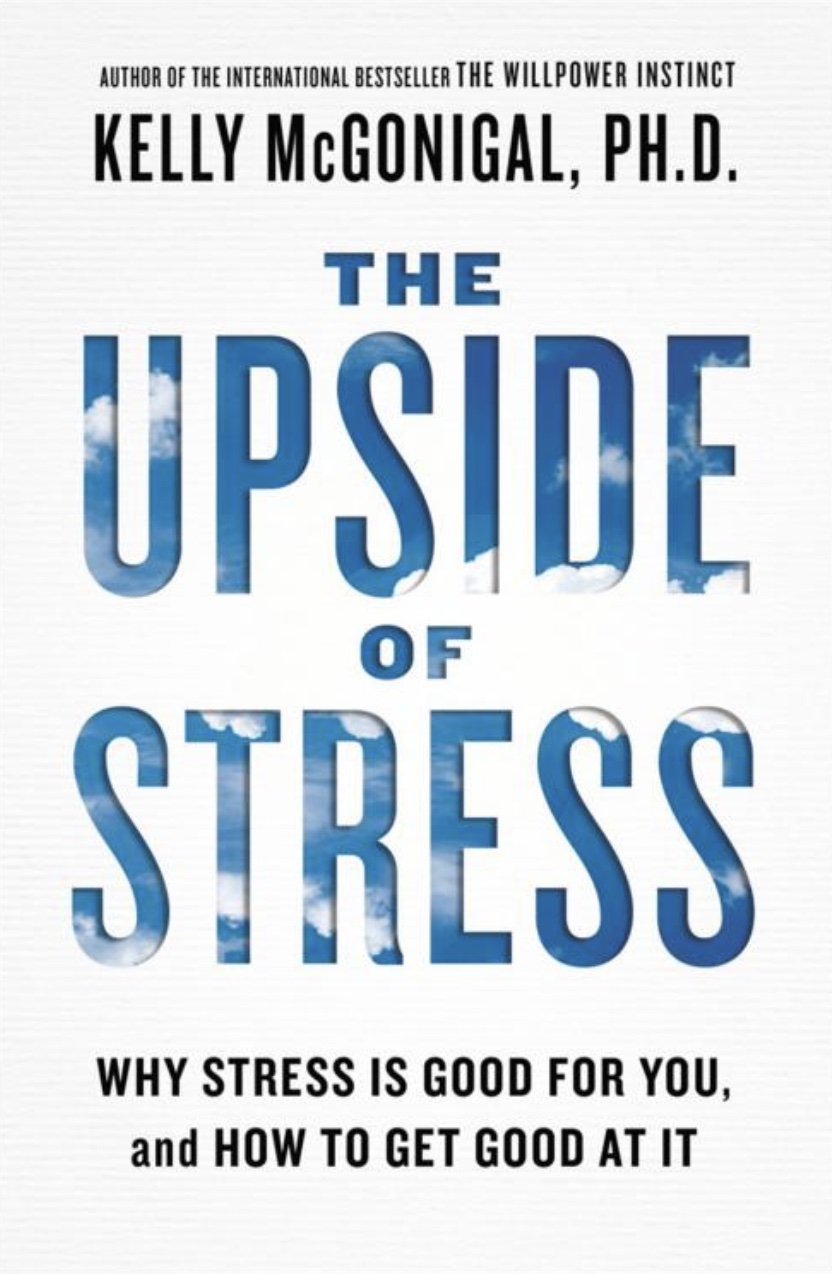
Stress is toxic. The fear of it as a destructive force is ingrained in us from a young age as we are taught to actively avoid and reject stress in our lives. Kelly McGonigal championed this simple message for years as a health psychologist until research surprisingly began to report the very opposite: stress has the potential to be a constructive and valuable tool in our lives. The Upside of Stress dives deeper into understanding the biology of stress and how embracing those reactions provides focus and energy, strengthens relationships, and increases quality of life.
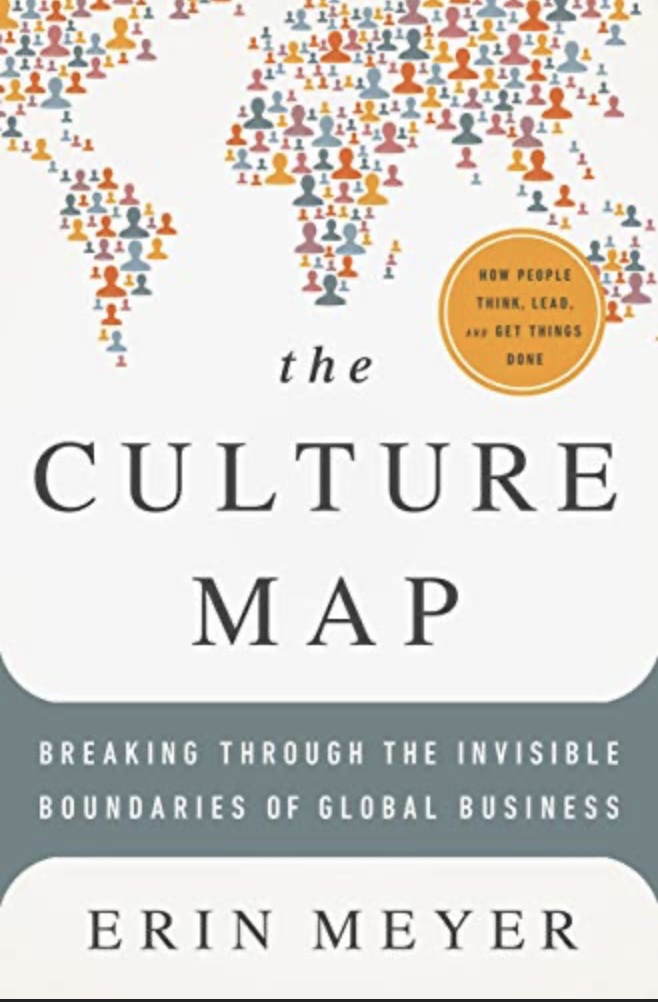
All too often our cultural differences can cause miscommunication which can lead to distrust, disagreement, and in the best-case scenarios, comical stories of cultural confusion. With topics such as diversity and globalization becoming increasingly popular, international businesses have sought opportunities to leverage individuals from different cultures to become more productive, efficient, and innovative. As a result, organizations with a more diverse workforce have simultaneously increased the likelihood of cultural miscommunication. In the book The Culture Map, Erin Meyer has developed an eight-scale model to identify and address these cultural miscommunications. The eight scales are: communicating, evaluating, persuading, leading, deciding, trusting, disagreeing, and scheduling (p. 16).
As a sportswriter, Joan Ryan was constantly surrounded by athletes working as a group to achieve common goals. She looked at the successes of certain franchises and tried to identify the common attributes across the team. Ryan began investigating team chemistry. She sought to find answers to three questions about team chemistry: Does team chemistry exist? If it exists, what is it? And how does it affect performance?
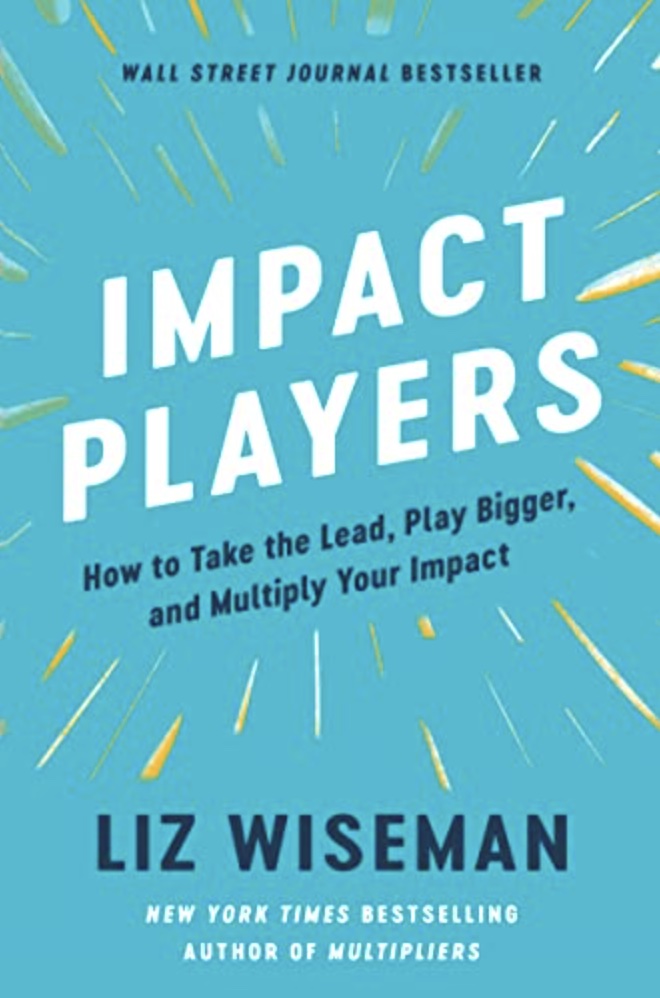
Some employees always stand out. They excel in their roles, handle challenges with ease, and help their teams succeed. Liz Wiseman calls these individuals “Impact Players.” In Impact Players: How to Take the Lead, Play Bigger, and Multiply Your Impact, Wiseman explains what makes these employees different. She also shows how others can learn their habits and achieve the same level of success. Wiseman’s insights are based on interviews with over 170 professionals and managers. She identifies key behaviors that separate Impact Players from others. The book is a guide for employees who want to add value and managers who want to build strong teams. It provides practical advice for thriving in today’s fast-paced workplace.
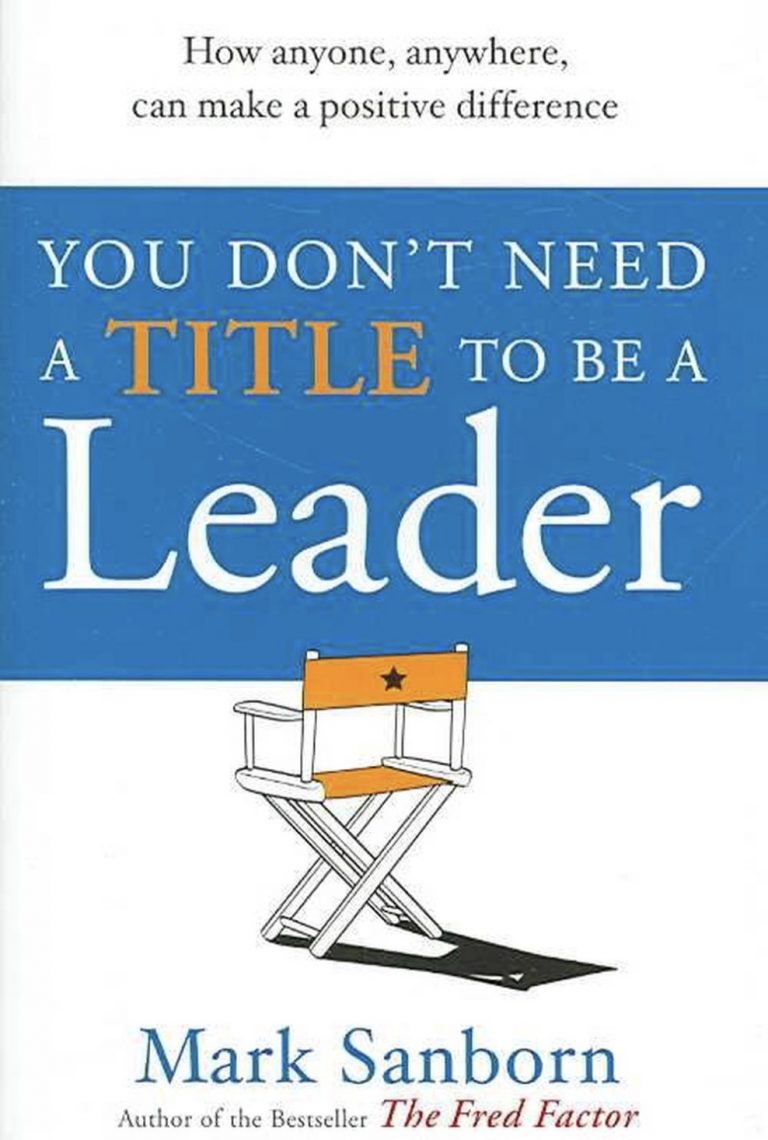
In “You Don’t Need a Title to Be a Leader,” Mark Sanborn presents a refreshing perspective on leadership, challenging the conventional notion that only those in formal positions of authority can lead. This view emphasizes that leadership qualities can emerge from every position, fostering a culture where influence and positive impact are valued over hierarchical authority. He argues that leadership is not confined to titles but is an inherent quality that anyone can embody. This book serves as both an inspirational guide and a practical manual for individuals at all levels who aspire to make a positive impact.
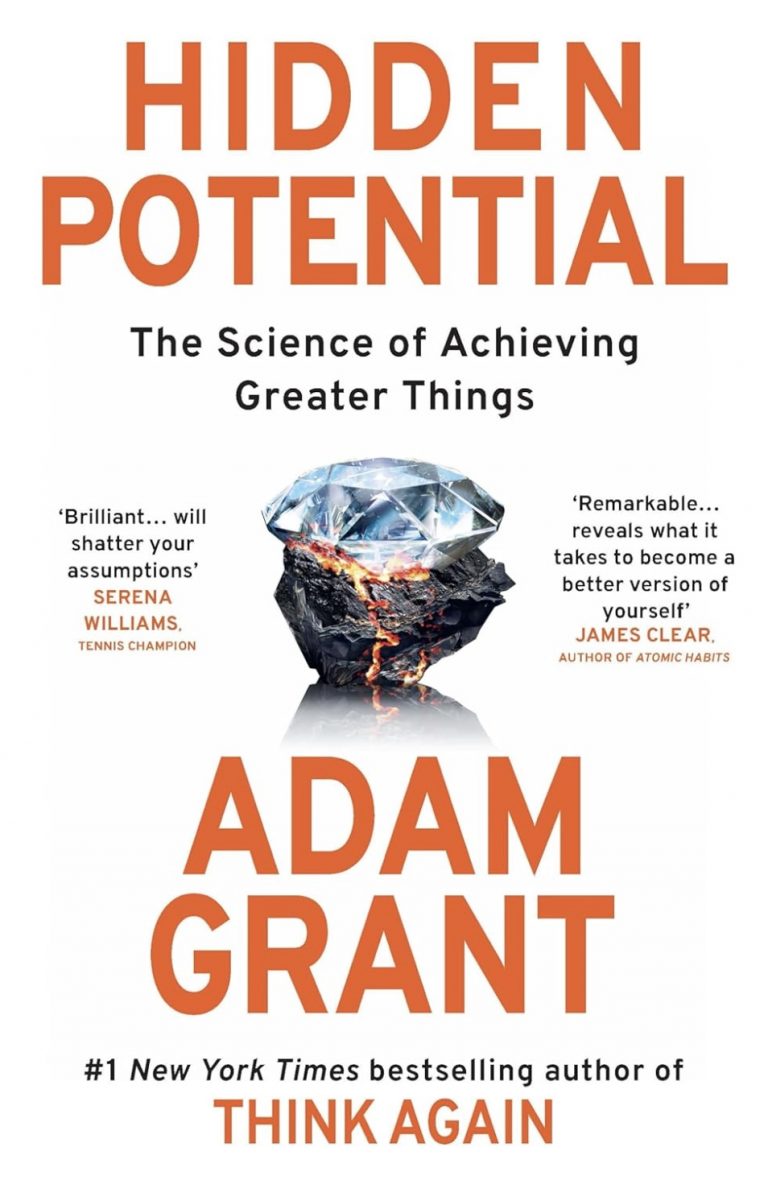
Organizational psychologist and Wharton professor Adam Grant explains that organizations tend to overlook potential in their talent pool by failing to design systems that successfully scout for and develop character. Character represents the capacity to prioritize values over instincts. It includes social skills such as listening, teamwork, overcoming adversity and accepting discomfort. Using empirical evidence and case studies, Grant argues these skills have significant predictive value toward career success — even more so than some technical skills and degrees that employers tend to screen for instead. Grant offers suggestions for shaping organizational structures from hierarchies to the hiring process to help individuals find hidden potential within others.
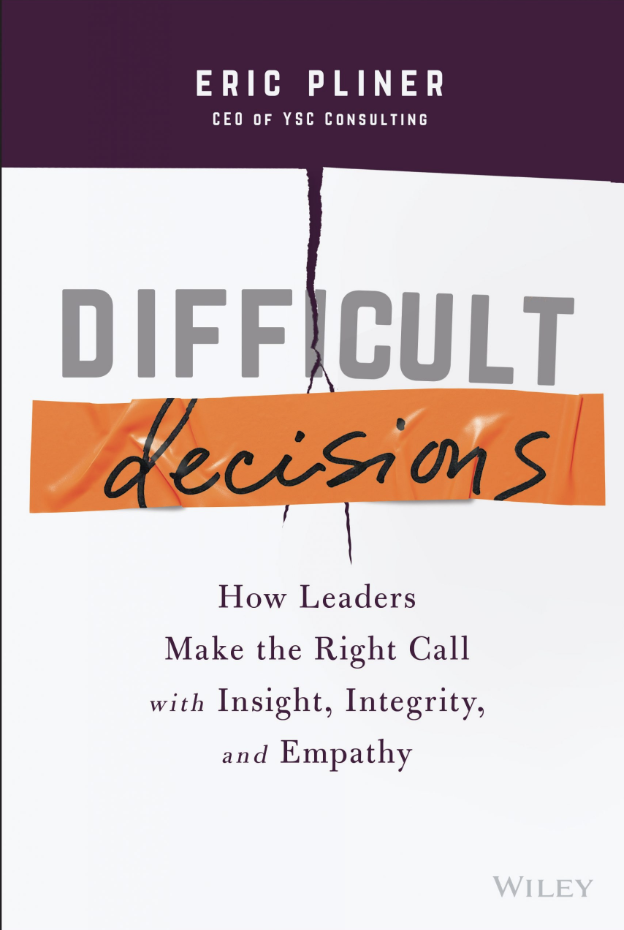
Eric Pliner is the CEO of YSC Consulting. In this book, he challenges readers to become self-aware leaders who can consistently make the most optimal decisions by inwardly self-reflecting, becoming more self-aware, and weighing options based on various situational conditions. Most interestingly, he invites readers to challenge his own premises presented in the book and notes that he could be incorrect in his approach. Relying on personal experiences and case studies, Eric Pliner constructs a methodology to discern the best decisions possible for a leader given their context.
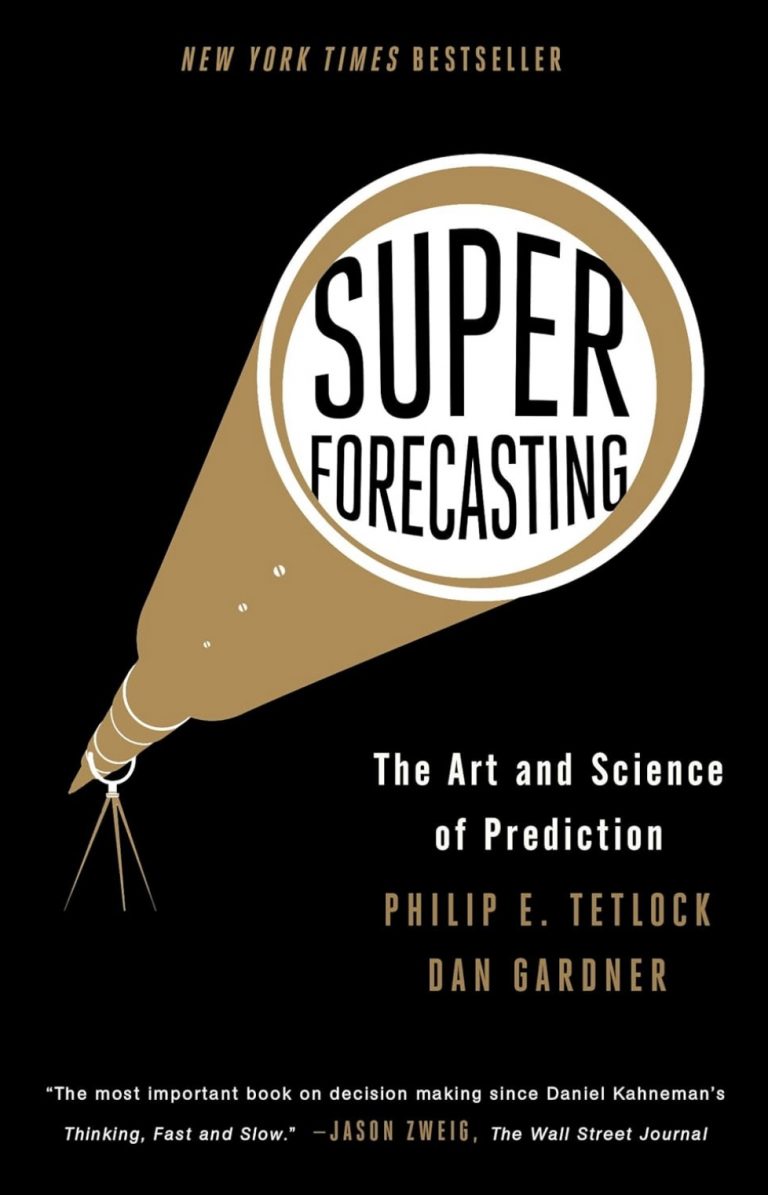
Wharton School psychologist Philip Tetlock famously organized a study of political prediction that showed the most highly trained political pundits and intelligence analysts were no better at predicting future events than chance, or “a dart-throwing chimp.” Following his study, he launched The Good Judgment Project, a competition among volunteers to see how well non-experts could predict political events, and whether they could improve their judgment over time by practice, or by working in groups. This book outlines Tetlock’s findings, focusing on the behaviors of the best 1% of forecasters, “superforecasters,” how the best superforecasters work in teams, and the practices that can make anyone better at prediction.
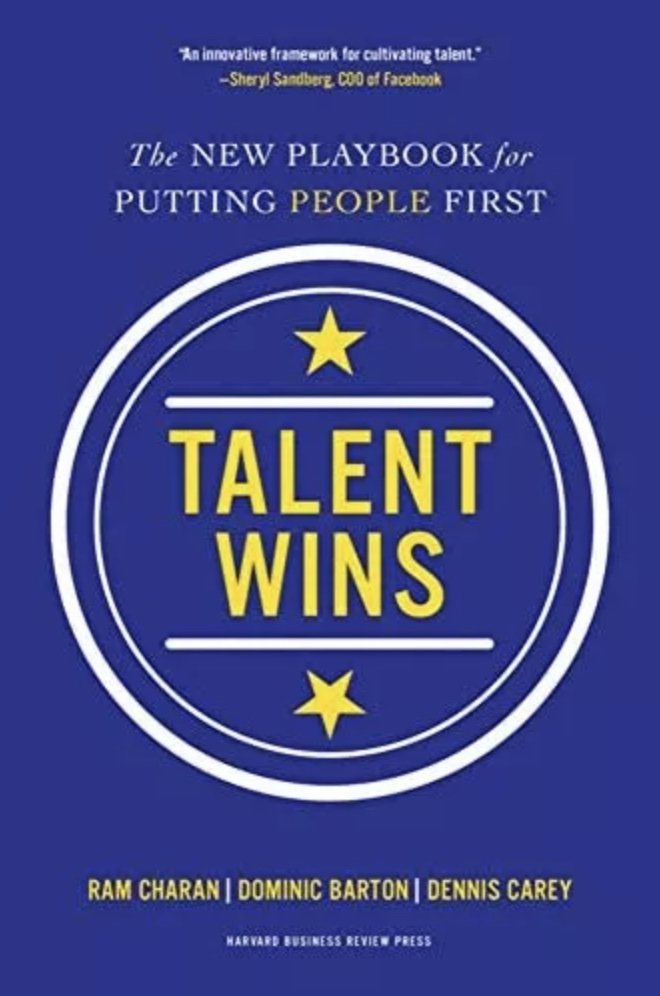
Executives today recognize the need to evolve in order to grow their organizations. However, when it comes to identifying and fostering the talent necessary to advance, many leaders rely on outdated models that hinder growth. CEOs across the spectrum from PepsiCo to Volvo already recognize the value in placing talent at the forefront. Operating on the premise that “people, not companies, generate value”, the CEO must lead this endeavor. Elevating talent begins with buy-in and alignment at the top of the organization, and a willingness to sidestep traditional boundaries. It implores the CEO to sharpen their focus on talent, bestowing equal worth on human and financial capital. In doing so, an organization uniquely equips itself to face the complexities of an increasingly competitive environment.
One of the most powerful ways to delight, shock, devastate, or inspire is to use surprise. In Surprise: Embrace the Unpredictable and Engineer the Unexpected, Tania Luna and LeeAnn Renninger explore what it means to be surprised and how we can use purposefully use surprise every day. By reframing our view to welcome surprise in our lives, we open ourselves up to new possibilities in our personal relationships and change how we make decisions, engage, and create.
Charles Duhigg, a Pulitzer Prize-winning reporter and author of multiple New York Times bestsellers, explores the practical, emotional, and social aspects of communication, offering insights on how to improve and build connections. This book explains why communications often fail and encourages readers to develop a deeper understanding and empathy by focusing on three types of conversation: Practical (What’s This Really About?), Emotional (How Do We Feel?), and Social (Who Are We?). Duhigg uncovers the hidden layers of different conversations and presents the tools to make communication more effective. Drawing from various scientific studies and anecdotes, he inspires and teaches readers to become supercommunicators in all areas of life.
In Team Genius, Rich Karlgaard and Michael Malone explore what it takes to create high-performing teams and what makes them so. Building on decades of research across disciplines, they delve into not only how great teams are formed and structured, but how they function. In simplest terms, they tend to agree with Alex Pentland, Director of MIT’s Human Dynamics Lab, who argues that great teams 1) communicate frequently, 2) talk and listen in equal measure, 3) seek ideas and input from outside the group, and 4) employ malleable communication patterns (pp. 58-59).