In the Media

Admired Leadership in the Media

Since the launch of Admired Leadership Digital® in the spring of 2020, the behavioral approach to leadership has garnered a great deal of attention. This has led to tremendous discussions on some of the leading podcasts of our time. This page is a quick guide to those conversations.

Filter Posts

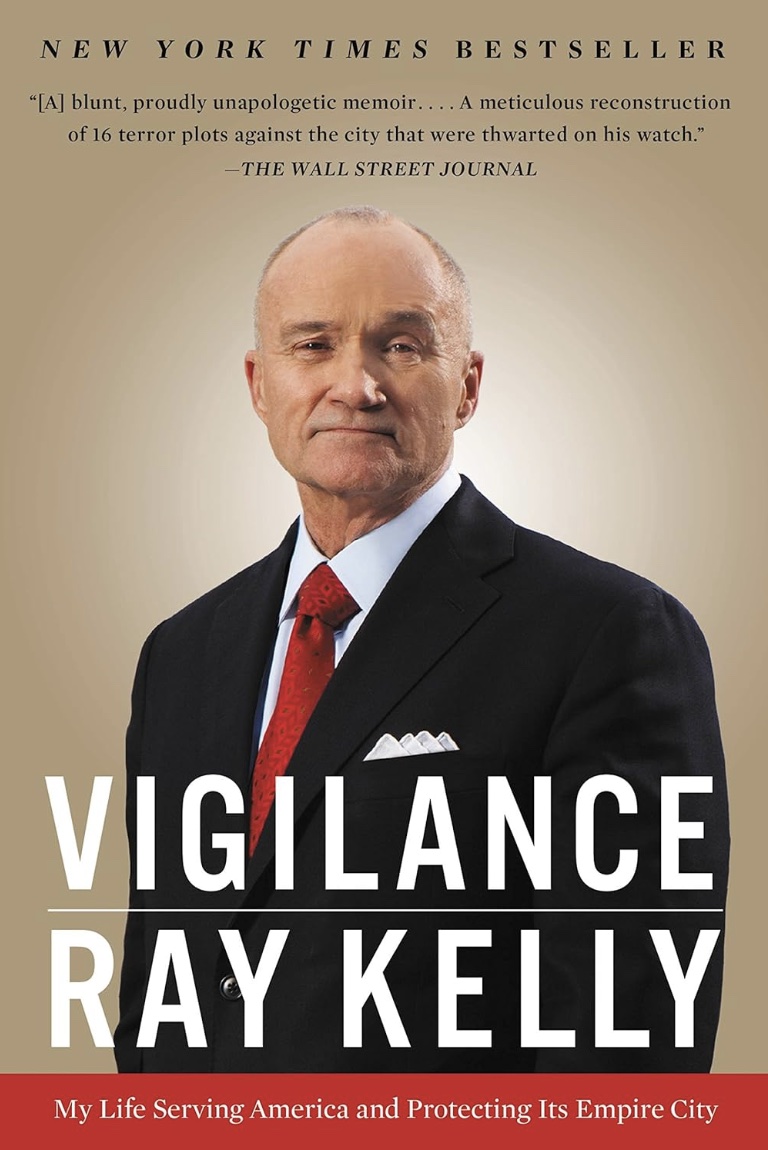
Raymond Walter Kelly tells the story of his upbringing in the Upper West Side of New York City. The youngest sibling of Marine veterans, Kelly decided to follow in their footsteps and train in Quantico to become a Marine. After serving in Vietnam, Kelly returned home to his wife, Veronica, and newborn son, James, to begin a career in New York City’s Police Department. He rose through the ranks and worked in several of the city’s toughest precincts. During this time, he also earned academic achievements in business, law, and public administration. Mayor David Dinkins appointed Kelly to be the police commissioner in 1993, and Kelly served in this position for eighteen months until his transfer to Washington, D.C. In D.C., Kelly became the undersecretary of the Treasury and later oversaw the U.S. Customs division. For a period of six months, Kelly spent time in Haiti, furthering international efforts to stabilize social and political order. After the terrorist attacks on September 11, 2001, Kelly was re-appointed as police commissioner in January 2002 under Mayor Michael Bloomberg. Kelly launched a series of efforts to protect the city from terrorism, reduce city crime, and rebuild trust in the community. To combat terror, he proactively gathered intelligence domestically and abroad, updated the department’s information technology, and assembled a cadre of professionals and academics to develop a strategic approach. To reduce city crime, he heightened the department’s vigilance and visibility and diversified the police force. Finally, he rebuilt trust in the community by fostering relationships with community leaders and engaging with the public at large. As one of the world’s most highly respected law enforcement leaders, Kelly gives valuable insight on his quest to protect America’s empire city.
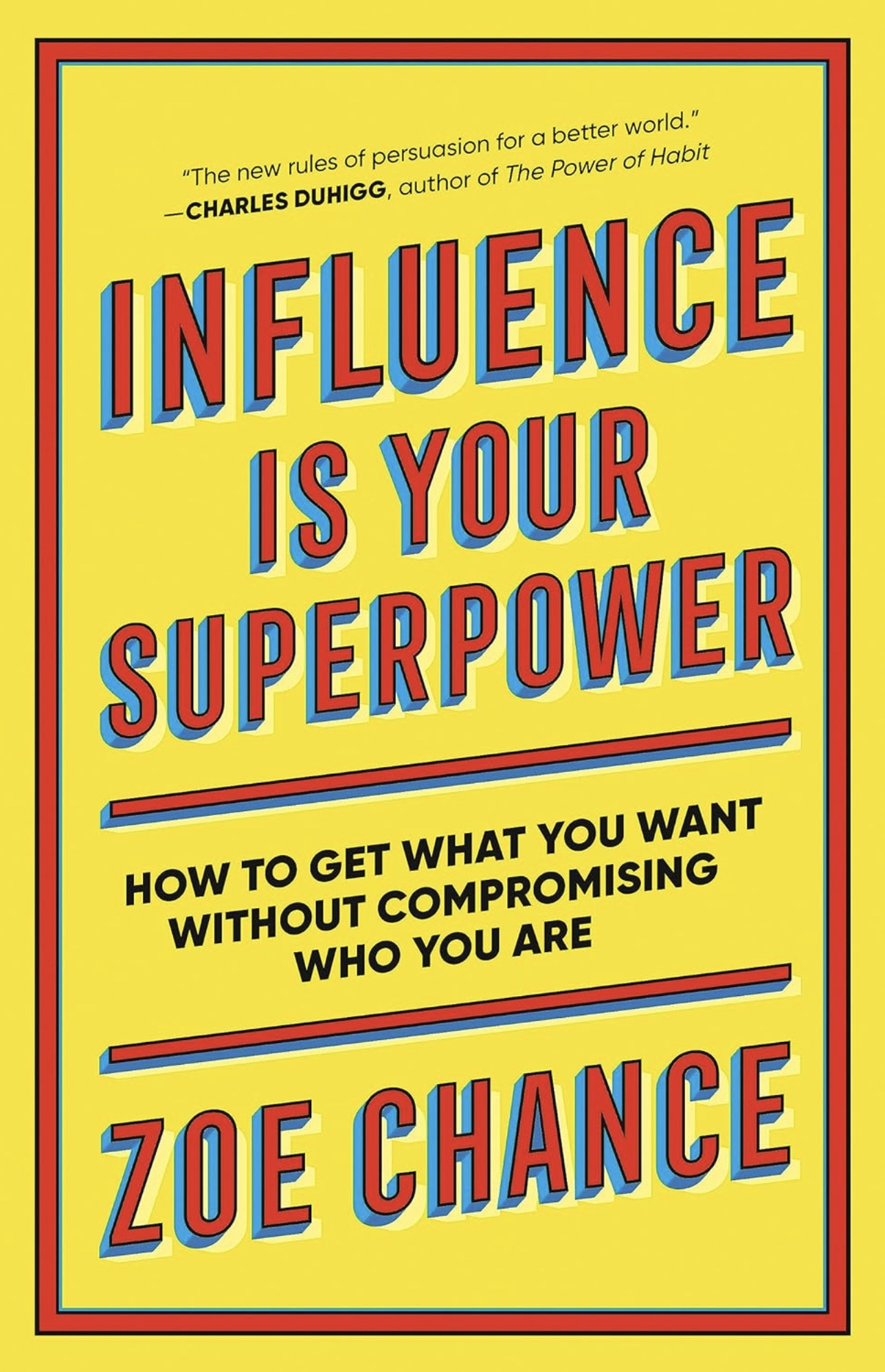
Zoe Chance, a Yale professor and behavioral economist, explores how to refine the influence we are born with to make life better for ourselves and others. By sharing specific techniques, Chance shows influence is not about manipulation but a way to collaborate, connect, and make a meaningful difference. Through her research-backed approach, she demonstrates that even small shifts in how we communicate and relate to others can transform our personal and professional relationships in profound ways.
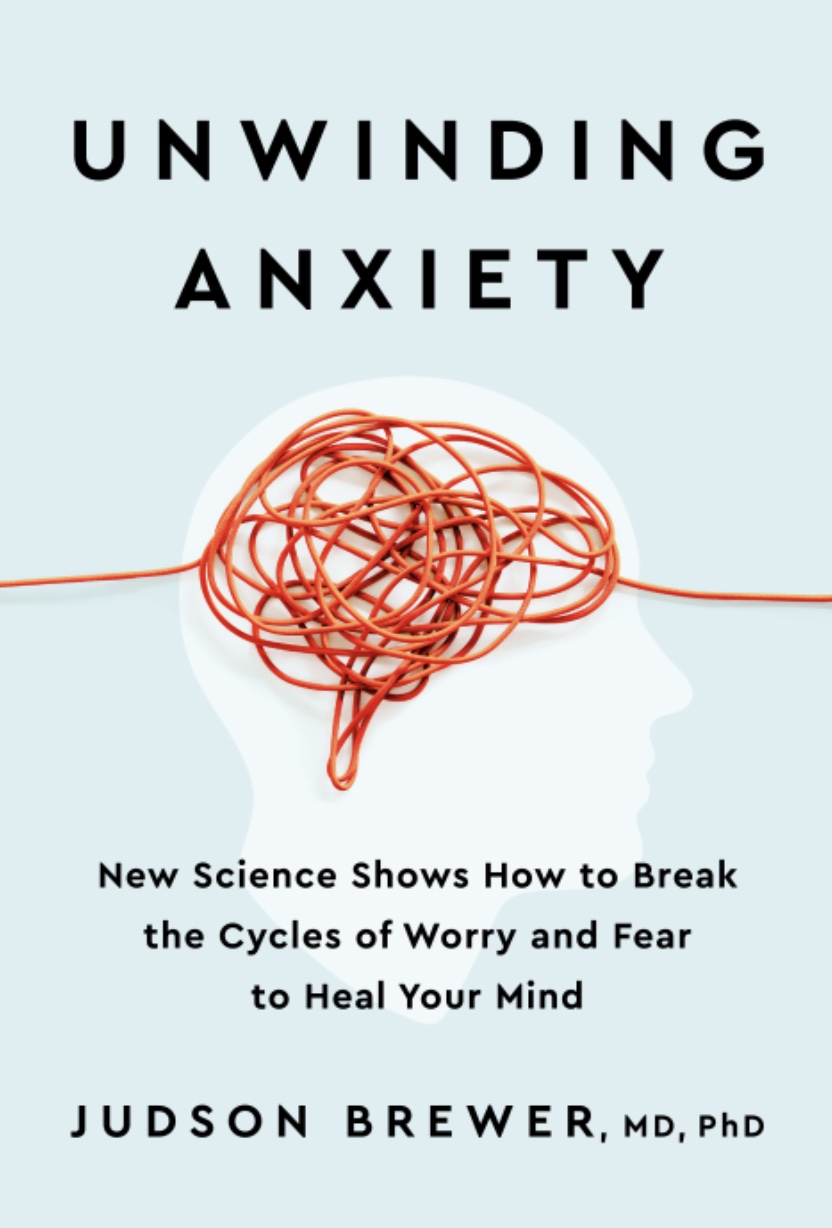
Approximately one-third of adults in the United States will experience an anxiety disorder at some point in their lives, and post COVID-19 pandemic, anxiety is even more prevalent. According to author, Dr. Judson Brewer, this is because anxiety is not only a disorder, but a habit. In line with this thinking, the science of habit formation can treat anxiety. In Unwinding Anxiety, Dr. Brewer details how mapping experiences with anxiety, tapping into the brain's reward systems, and replacing anxiety related habits can help to "unwind" and manage feelings of anxiousness.
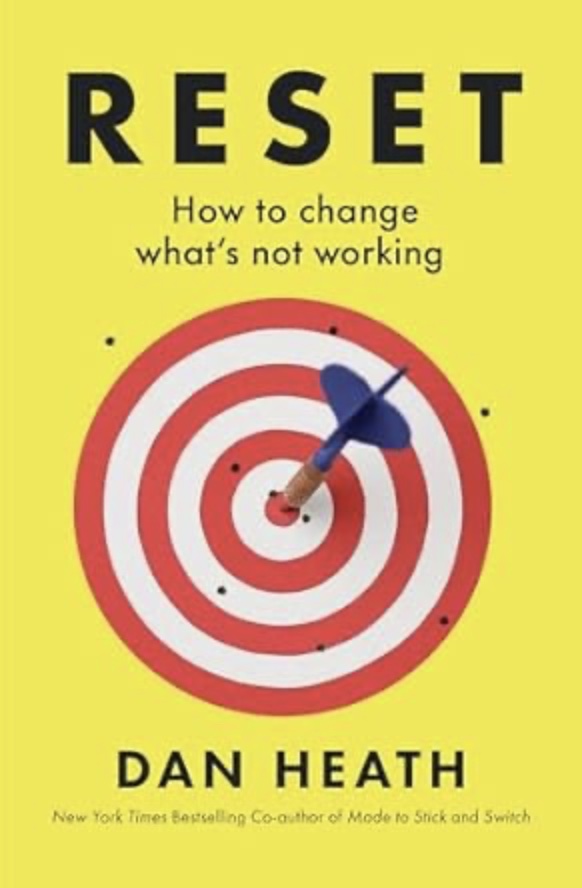
In “Reset,” Dan Heath presents a hands-on blueprint for escaping organizational and personal stagnation by spotting leverage points—targeted, high-yield interventions—and shifting resources to amplify these opportunities. Heath contends that significant transformation doesn’t demand complete overhauls or additional resources but instead requires intelligent concentration on areas where effort delivers maximum returns. As he puts it, “The problem isn’t that change is hard. The problem is that we aim for the wrong kind of change.”
A less-than-ideal student, California native Scott Galloway went from being nothing short of unmotivated and self-centered to becoming a successful entrepreneur, professor, and author. Along the way, Galloway crafted his own formula for achieving not only success, but also happiness. Describing personal experiences and past mistakes with a healthy dose of humor, Galloway reflects on his life while laying out his formula for success, love, and a life well lived. The founder and/or co-founder of nine businesses, Galloway’s Brand Strategy course at NYU’s Stern School of Business was the inspiration for this book.
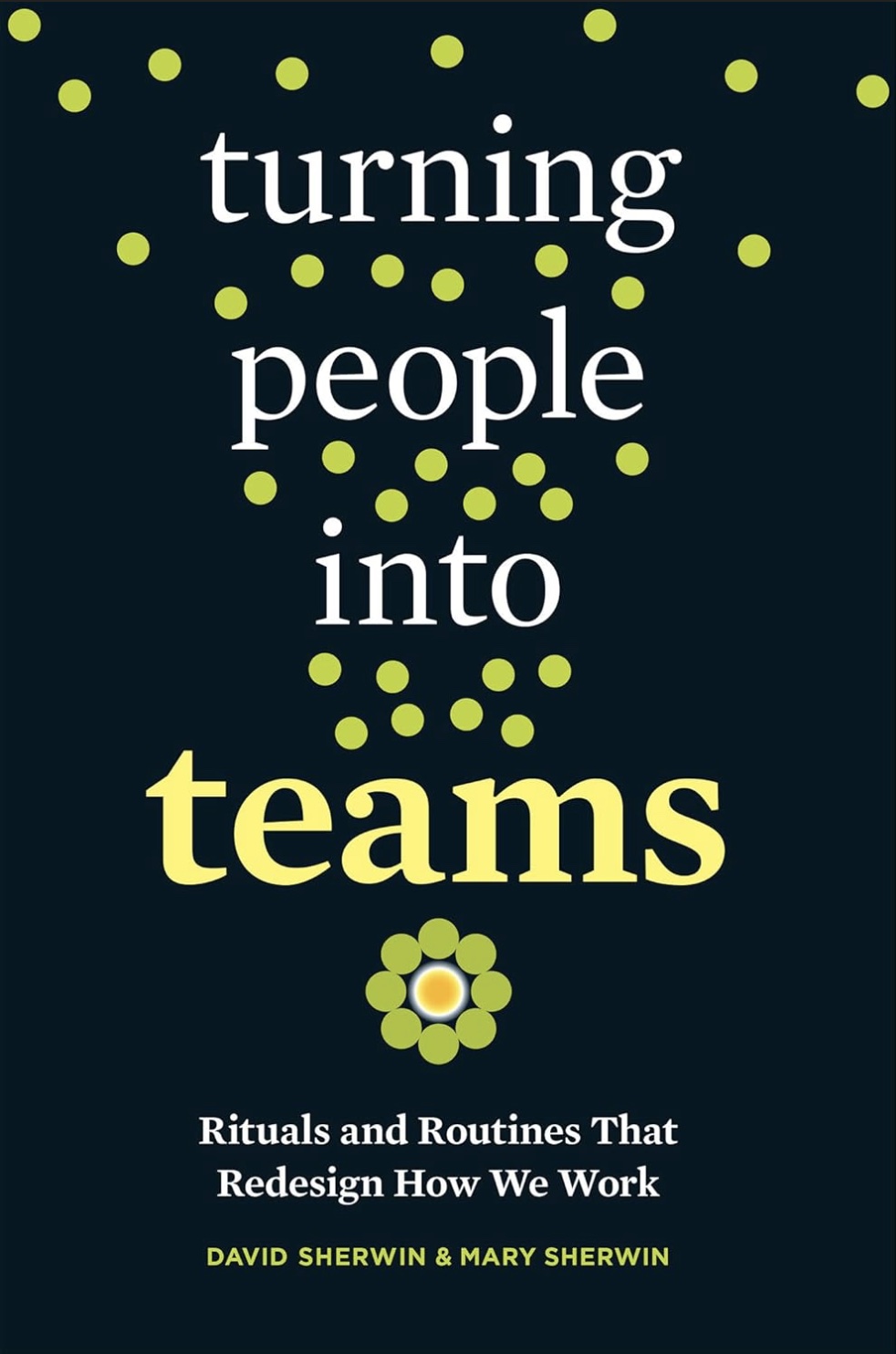
A husband-and-wife team, David and Mary Sherwin, are cofounders of a consulting and training firm that specializes in teamwork. Turning People Into Teams reflects their main goal as teamwork consultants, which is to build teams that capture the strengths of each individual. The Sherwins provide effective methods for framing the problem to be solved and share tools to evaluate your team’s rituals, behaviors, and values. This book is structured by a typical project timeline with three parts that reflect the beginning, middle, and end. Drawing best practices from academia, corporations, and non-profits, the Sherwins make it easy for anyone in any industry to learn the etiquette of true collaboration.
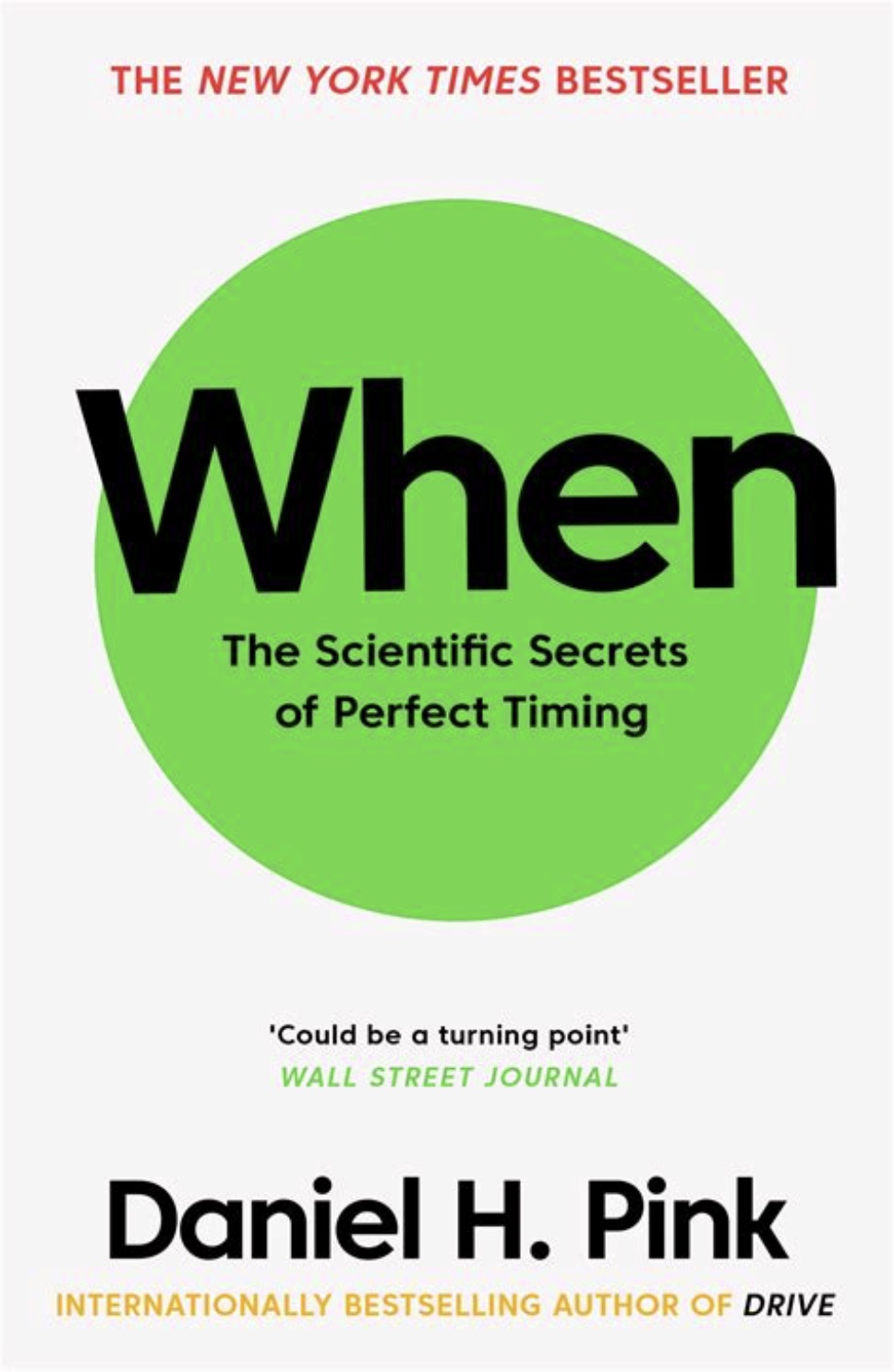
We often hear the phrase “timing is everything” in relation to a variety of scenarios: when to get a new job, when to marry your significant other, when to buy a house. It can also be applied to how people work and make decisions. Pink’s observations in this book discuss not only the timing and circumstances for life milestones, but also how we structure our day-to-day lives. More importantly, he describes best practices in timing to ensure favorable outcomes and the scientific research that proves it.
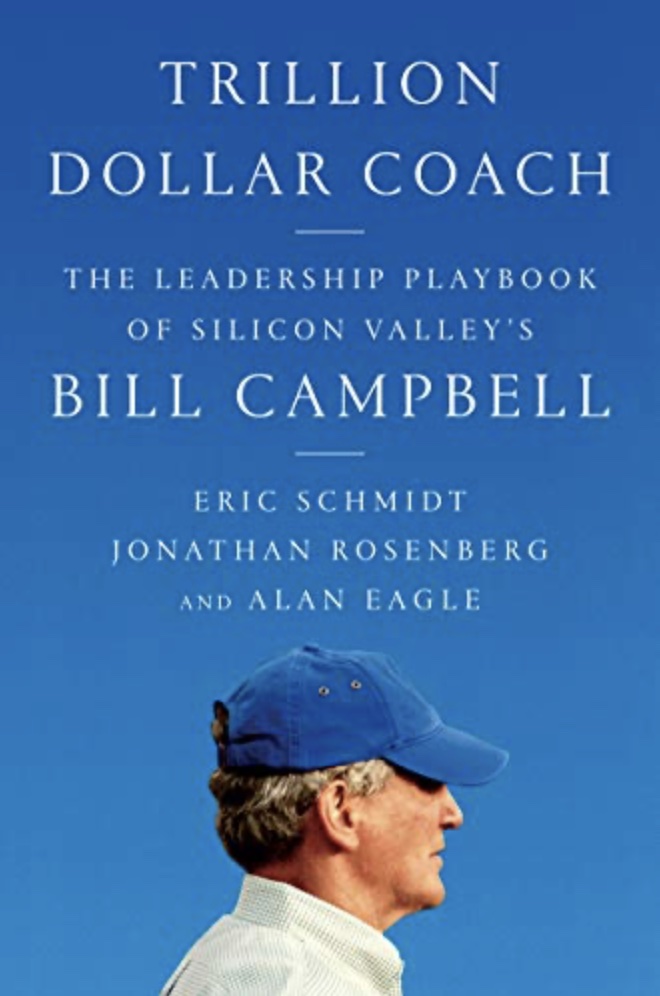
Trillion Dollar Coach captures Bill Campbell’s stories and behaviors that played an instrumental role in the growth of several prominent Silicon Valley visionaries. A former college football coach at Columbia University, Bill Campbell transitioned into business and eventually became a coach to many executives and friends, leaving a legacy of wisdom after his death in 2016. Bill loved shining the spotlight on others and shunned public attention so much that his teachings weren’t documented until Google started teaching his principles to emerging leaders. In Trillion Dollar Coach, Campbell reveals “that to be a great manager, you have to be a great coach. After all, the higher you climb, the more your success depends on making other people successful. By definition, that’s what coaches do.”
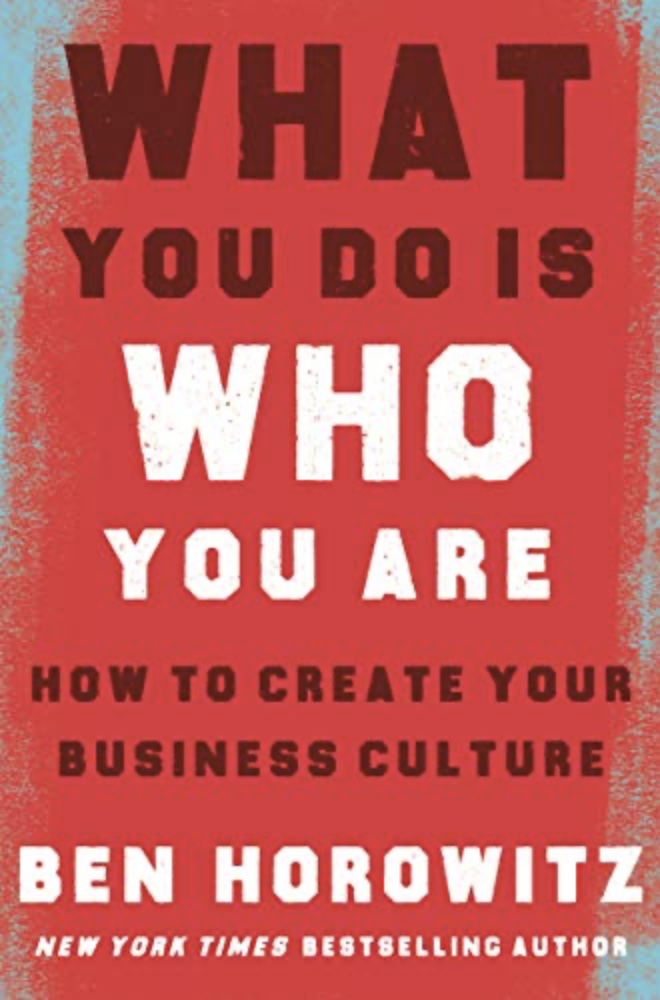
In his second book, Ben Horowitz, a household name among Silicon Valley buffs, discusses the importance of corporate culture based both on his own experience and historical examples. With his friendly and helpful narrative style (e.g. his “How To Read This Book” chapter on p. 15), Horowitz guides his readers through an exploration of culture, and explains how to shape a company’s culture around values and goals. With modern-day case studies interspersed among four historical examples (slave rebellion leader Toussaint Louverture, samurai traditions, the once-incarcerated Shaka Senghor, and Mongolian military leader Genghis Khan), Horowitz manages to paint a complete picture for his readers of the importance of culture while cautioning against potential pitfalls. By the end of the book, readers should feel confident in examining their own corporate culture, identifying weaknesses and strengths, and implementing strategies to make improvements.
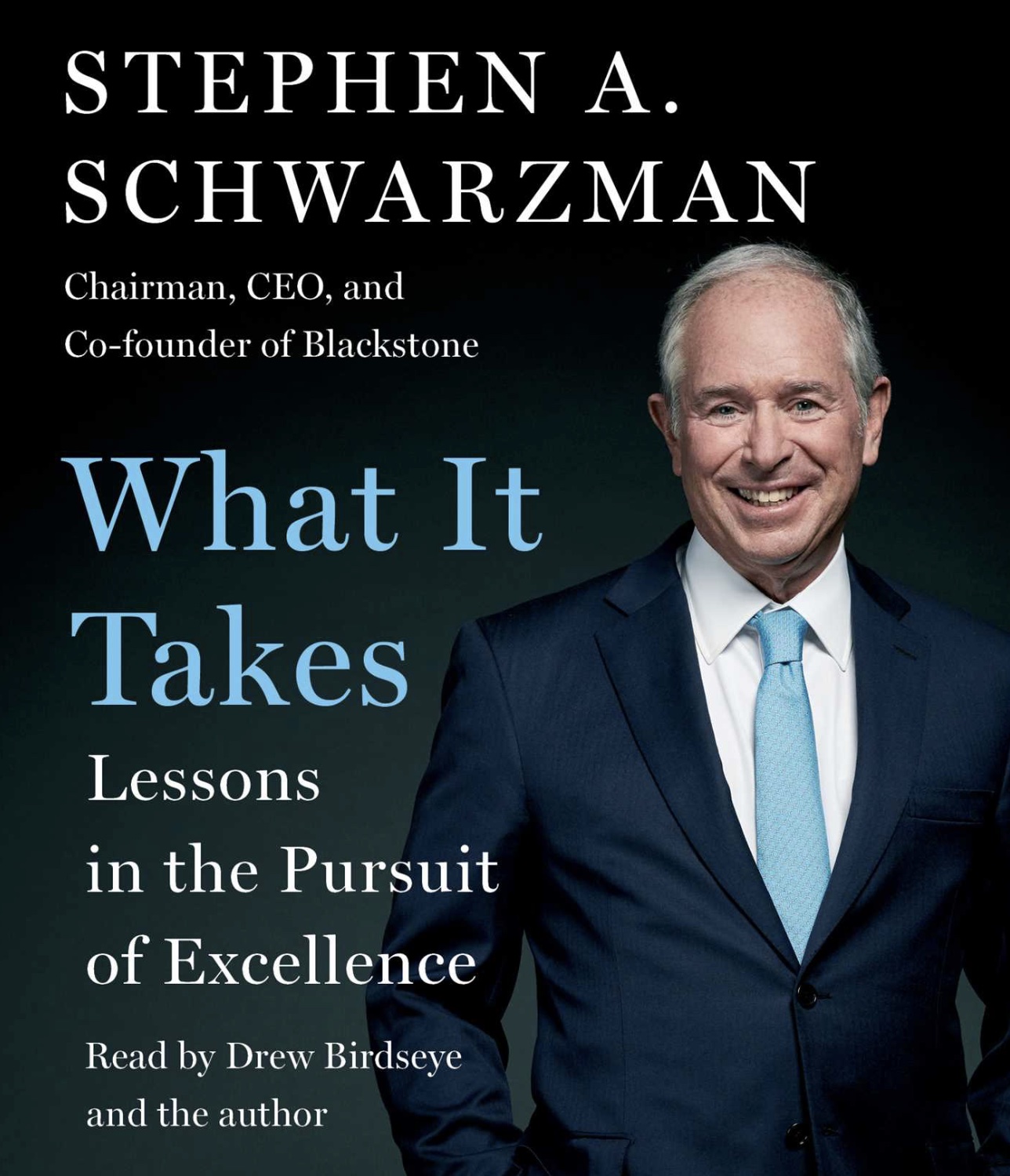
A native of Northeast Philadelphia, Stephen Schwarzman grew from humble beginnings to become one of the world’s preeminent financiers, investors, and philanthropists. Split into four themes, the book touches on Schwarzman’s inflection points and lessons throughout his life. Schwarzman intertwines stories from his early life, tenure at Lehman Brothers, rise as the founder of The Blackstone Group, and time spent as an advisor to several world leaders, while sharing his lessons learned in the pursuit of excellence.
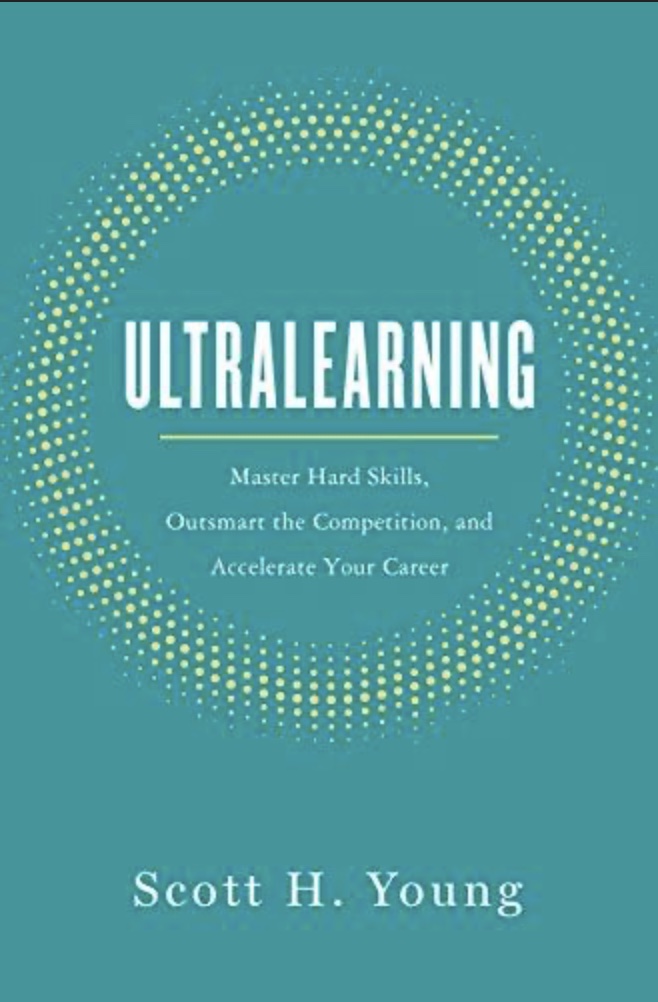
Now is the time to revisit your desire to play that instrument, speak a new language, or develop computer programming software. Author Scott Young reviews the exceptional work of both geniuses and ultralearners (including his own) and observes the common principles exercised in each project. Citing scientific literature to explain why these people learn better than others, Young inspires his readers to adopt this self-directed and intense strategy of learning, called ultralearning. Though we may not commit to learning a four-year MIT curriculum in under a year like Young, we can apply his nine principles of successful ultralearning to gain deep knowledge and develop expertise quickly. Maximize your organization’s competency by encouraging others to learn aggressively and seek ultralearning projects of their own interest.
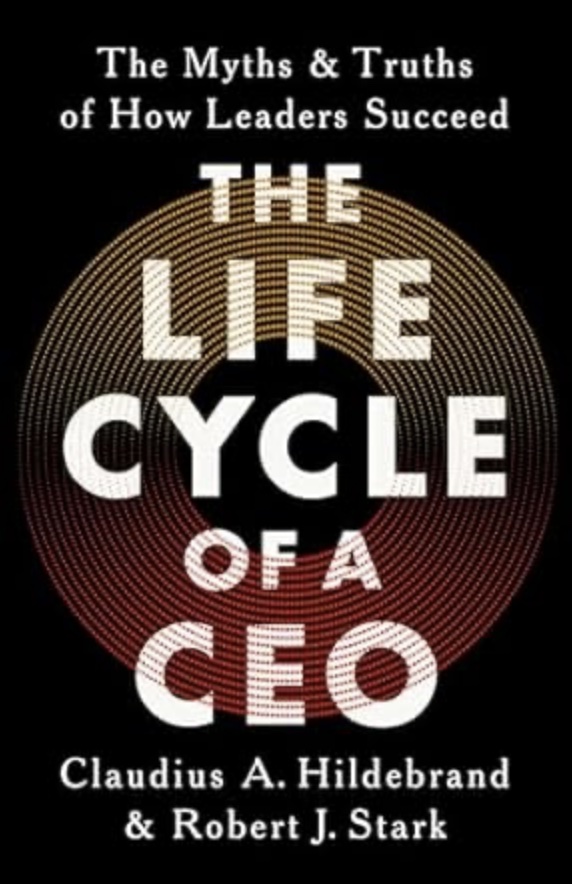
In their recent book “The Life Cycle of a CEO: The Myths and Truths of How Leaders Succeed,” Claudius A. Hildebrand and Robert J. Stark challenge conventional wisdom about corporate leadership by presenting a dynamic, stage-based framework for understanding executive success. Drawing from an unprecedented study of every 21st-century S&P 500 CEO and over 100 in-depth interviews with CEOs and board directors, the authors reveal that the journey to becoming an exceptional leader isn’t about reaching the top position—it’s about mastering each distinct phase of leadership growth.
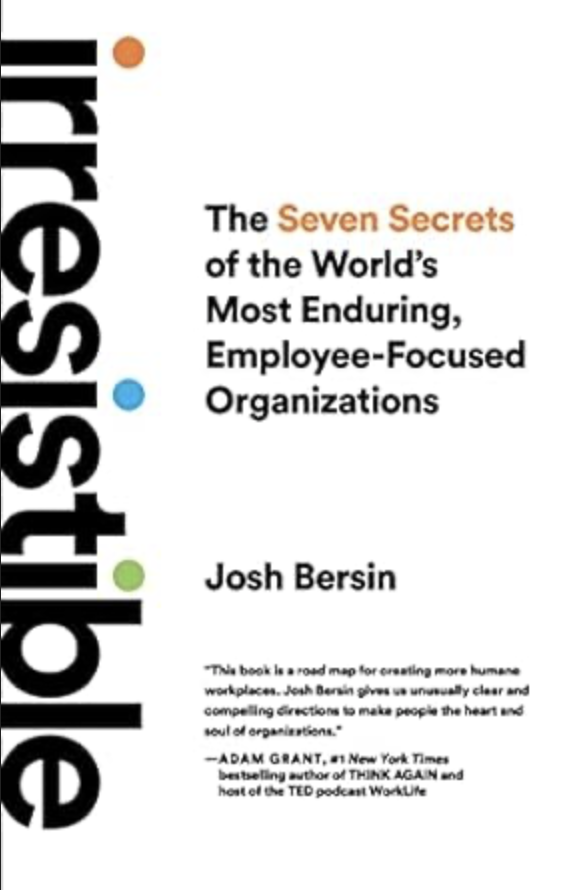
Many professionals can relate to and understand the economic anxieties described in the introduction of this book. The contemporary career landscape is characterized by competitive job markets, increasingly demanding work environments, and the growing impact of automation across various sectors. The author, Josh Bersin, offers a grounded approach to subduing these fears by utilizing seven secrets for building irresistible organizations by unleashing “the power of the human spirit.”
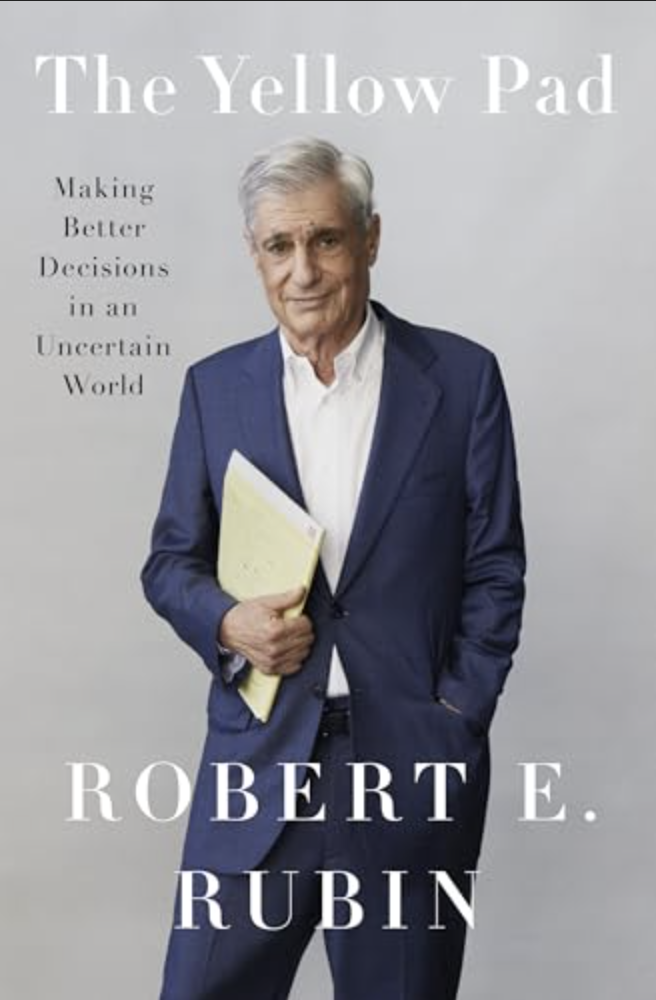
Robert E. Rubin was the U.S. Secretary of the Treasury from 1995-1999. He was also a senior partner and co-chairman at Goldman Sachs, and an advisor to Citi. In this book, he shares his approach for making sound decisions when facing uncertainty. He calls this method “the yellow pad,” a probabilistic cost-benefit analysis. Rubin writes out each possible outcome and its likelihood of occurrence, then uses those estimates to make an informed decision. He draws on examples from his experience in corporate management and government to illustrate how leaders can increase chances for good outcomes by weighing benefits and risks in context.