In the Media

Admired Leadership in the Media

Since the launch of Admired Leadership Digital® in the spring of 2020, the behavioral approach to leadership has garnered a great deal of attention. This has led to tremendous discussions on some of the leading podcasts of our time. This page is a quick guide to those conversations.

Filter Posts

Inspired by his daughter’s curiosity, author Tom Vanderbilt documents his year-long pursuit of learning new skills to prove it’s never too late to begin something new. Through interviews with researchers and personal experimentation, he discovers that adult learning is not only possible but beneficial, requiring us to embrace beginner status and focus on the learning process rather than expertise. The book challenges the notion that learning is primarily for children and demonstrates that maintaining a beginner’s mindset throughout life enhances both personal growth and well-being.
Working from home is a learnable skill that requires intentional systems and practices to be effective, moving beyond simply replicating office work in a home setting. The author argues that successful remote work depends on managing by task rather than time, creating productive rhythms that match your energy levels, and building strong virtual relationships while maintaining well-being. The pandemic has created an opportunity to develop a more thoughtful vision of remote work focused on innovation and results rather than traditional time-based productivity measures.
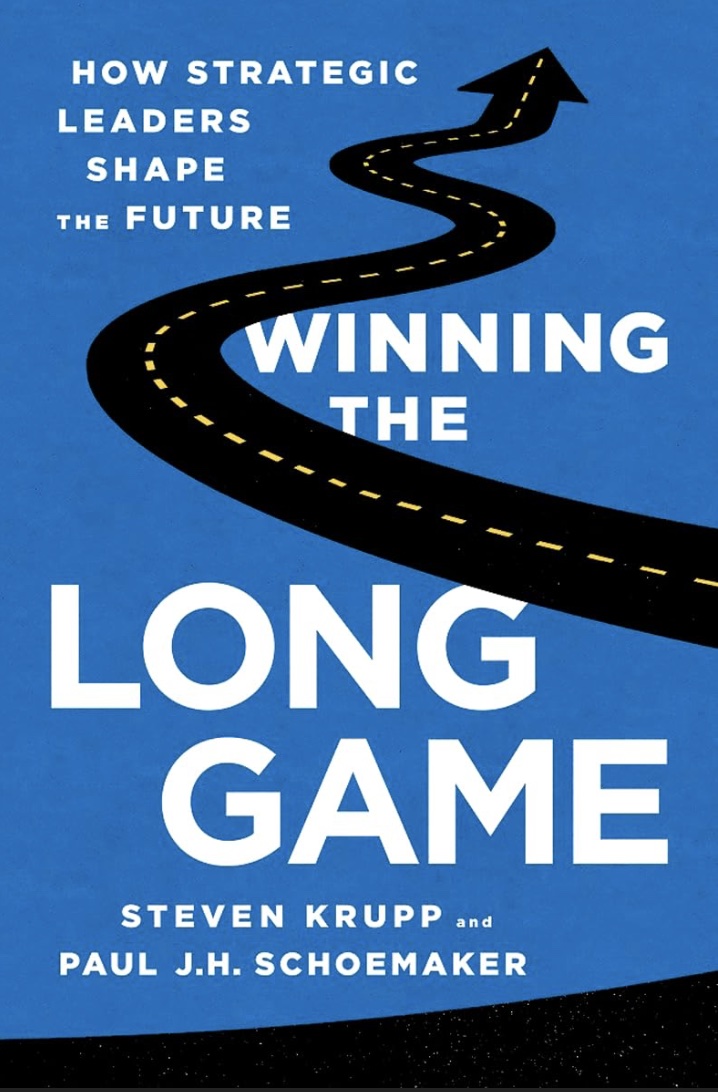
Strategic leaders who want to navigate uncertain and complex markets must master six interconnected disciplines that bridge strategy and leadership. The authors argue that successful leaders must learn to anticipate future challenges, challenge conventional assumptions, interpret ambiguous signals, make forward-thinking decisions, align stakeholders around shared purpose, and learn faster than competitors. These disciplines work together to help leaders shape the future rather than simply react to it.
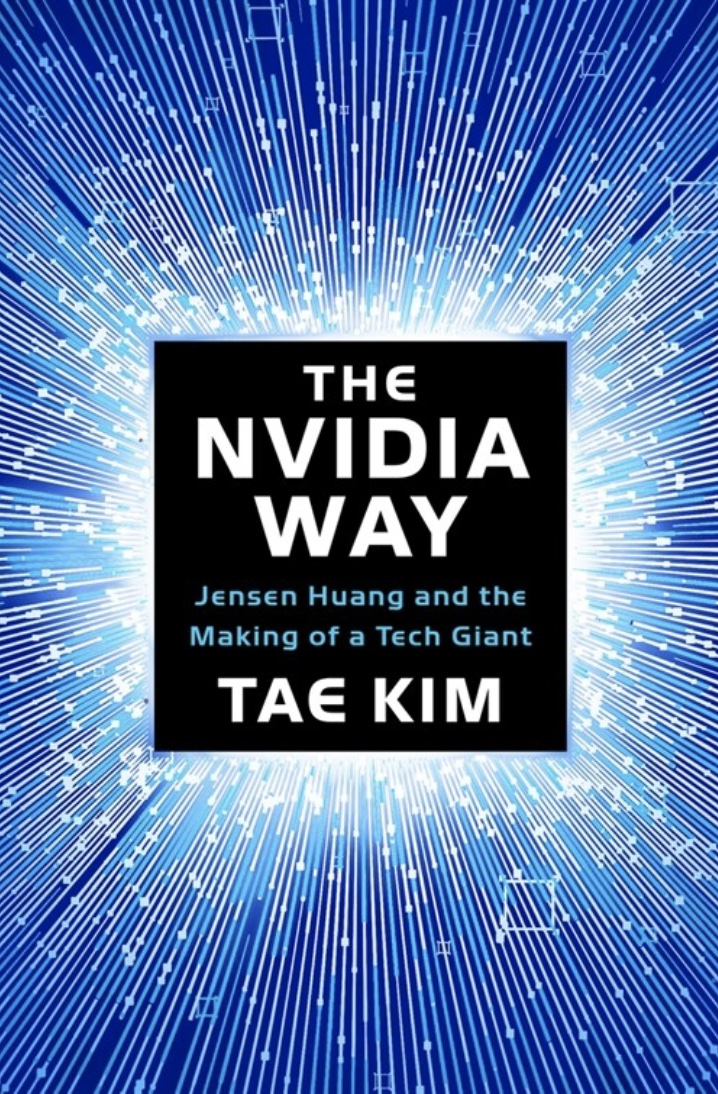
Kim chronicles Nvidia's transformation from gaming chip startup to $3.4 trillion AI powerhouse, attributing much of the success to CEO Jensen Huang's leadership principles and relentless execution standards. The book examines how Huang's "Jensen-isms" created a culture of extreme accountability, direct communication, and continuous innovation that enabled the company to pivot successfully from graphics to AI dominance.
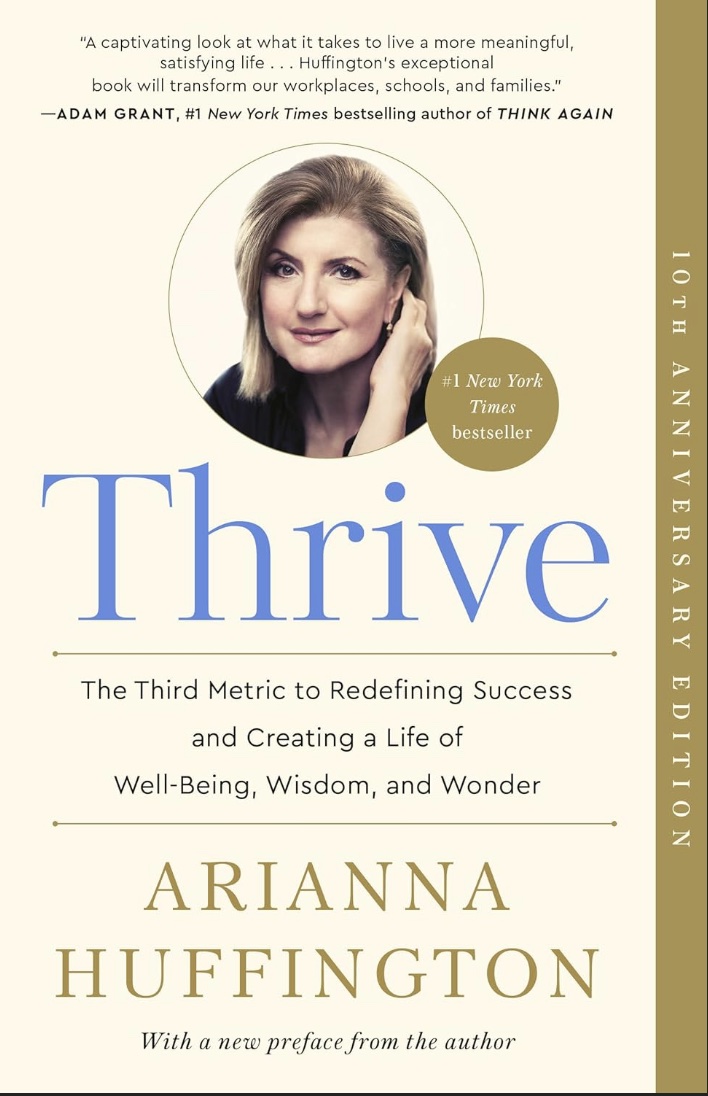
In a culture that glorifies exhaustion as dedication, Arianna Huffington's Thrive offers a radical reimagining of success. After collapsing from exhaustion and breaking her cheekbone on her office floor, Huffington discovered what many leaders learn too late: money and power alone create hollow victories. Her solution—a "third metric" of well-being, wisdom, wonder, and giving—isn't about abandoning ambition but expanding it. With disarming wit, she recounts dining with an executive who bragged about getting only four hours of sleep, resisting the urge to tell him the dinner would have been more interesting if he'd gotten five. Drawing on neuroscience showing happiness is a learnable skill like tennis, Huffington makes the case that sustainable leadership requires treating well-being not as a reward for success but as its foundation. For leaders exhausted by traditional metrics, Thrive offers both permission and a pathway to achieve more by demanding less of what doesn't matter.
In the pantheon of college basketball, few rivalries have produced more leadership insights than the triangle formed by Dean Smith's North Carolina Tar Heels, Mike Krzyzewski's Duke Blue Devils, and Jim Valvano's NC State Wolfpack. Within a mere 50-mile radius, these three coaches developed distinctly different behavioral approaches to excellence that would influence leaders far beyond basketball. Smith, who declined Sports Illustrated covers and quietly helped desegregate Chapel Hill restaurants, demonstrated that leadership credibility comes from consistent actions rather than public recognition. Coach K, who accepted the Duke position without negotiating salary, built sustained success through daily accountability routines and continuous adaptation to changing circumstances. Valvano, who integrated literature and philosophy into his coaching, understood that leadership extends beyond immediate performance to encompass broader purpose and meaning. Through intimate access and decades of observation, John Feinstein reveals how three leaders with different approaches to visibility, ambition, and mission could all achieve extraordinary results—and how their competition with each other sharpened the leadership behaviors that defined their success.
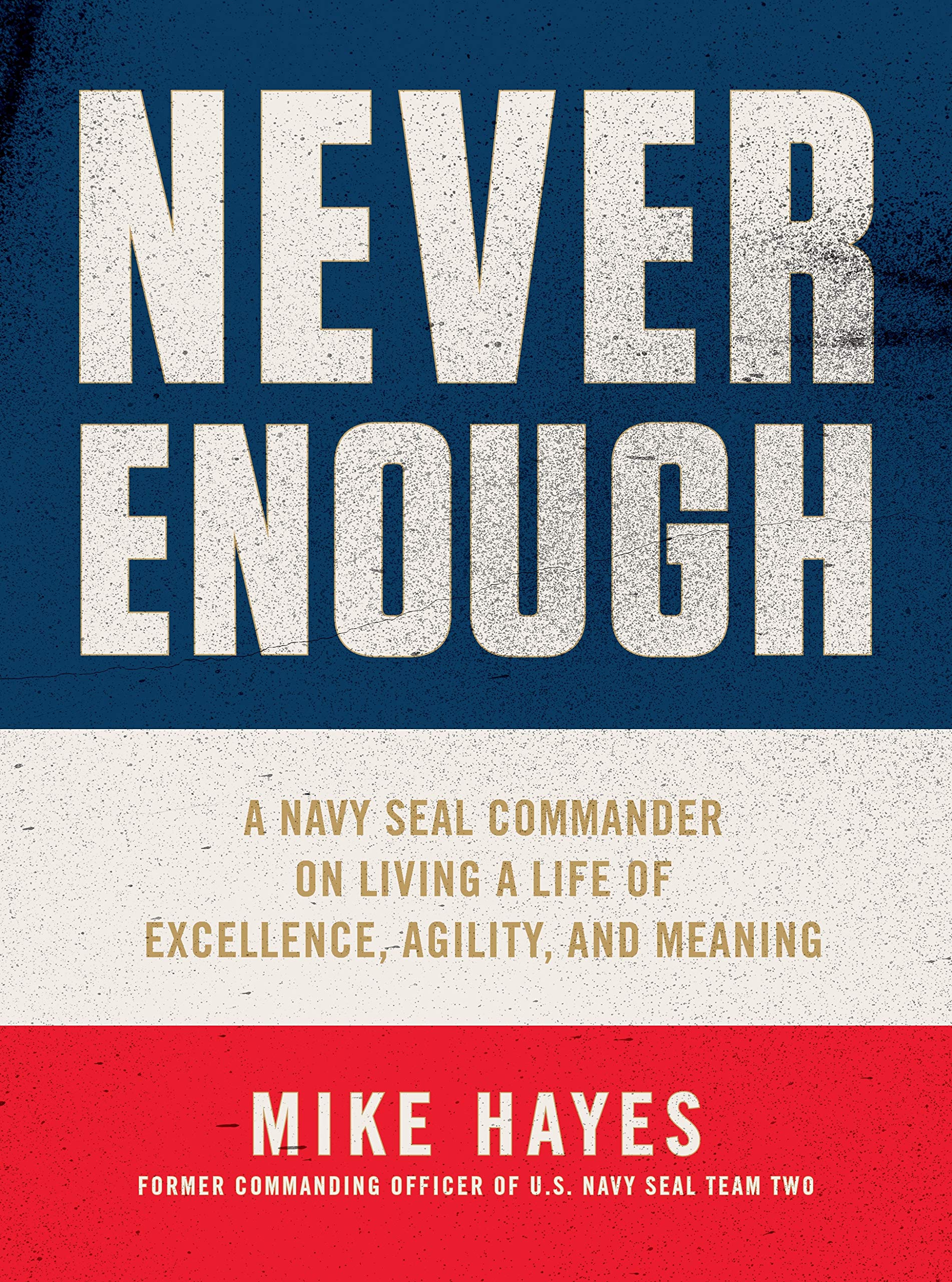
No one is ever enough. There will never be a point in one’s life when additional growth and development are not possible. Mike Hayes has devoted his life to persistently grow — for himself, but also for the families, teams, and country he serves. Through stories from his work as a Navy SEAL to serving with the National Security Council, Hayes shares lessons on how we all can think, act, and lead strategically, even in the direst of conditions. We may never be enough, but we can push ourselves to do and be better for the sake of others.
Author Lauren Rivera embedded herself in the recruiting office of an unnamed Elite Professional Services (EPS) Organization as part of a study on how EPS firms recruit and assess entry-level candidates. As a recruiting associate assigned to an elite University (pseudonym: Eastmore), and through access granted by other participants, Rivera observed all stages of the assessment process and records her observations on selection in financial services, consulting, and prestigious law firms. She paid particular attention to the mechanisms that consciously or unconsciously reinforce homogenous workforces by giving advantage to applications with similar socioeconomic, racial, gender, cultural or sexual orientations.
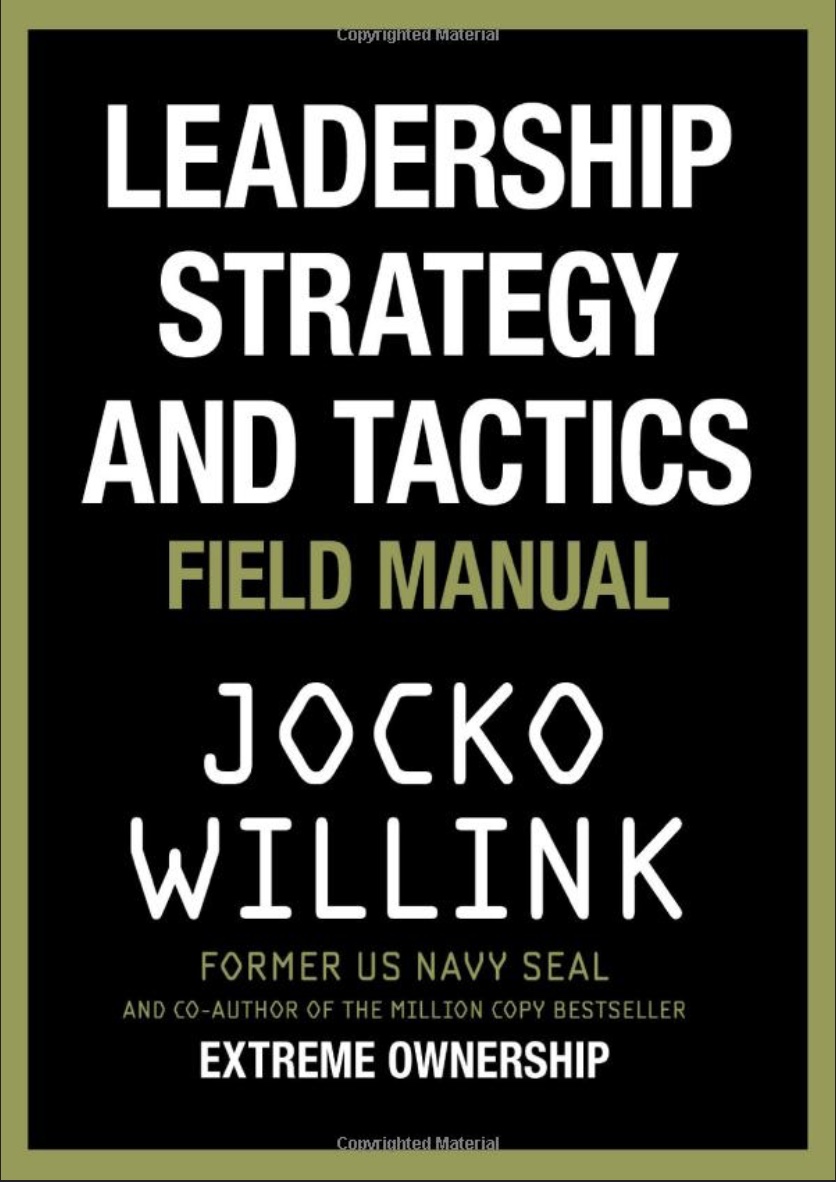
Jocko Willink guides readers through the lessons and leadership strategies he learned in his 20 years of active-duty service as a Navy SEAL Task Unit Commander. He began his career as a SEAL in 1990 at the bottom of the military hierarchy, but from day one, he was forced to learn how to take charge and lead his peers through the most dangerous military operations in the world. As a result of his work ethic, he rose quickly through the ranks and successfully led the most impactful special operations unit in Operation Iraqi Freedom through five tours in combat. Leadership Strategy and Tactics: Field Manual is written, as the name suggests, like a field manual where Willink exemplifies each lesson or takeaway through first-person anecdotes from his military career.
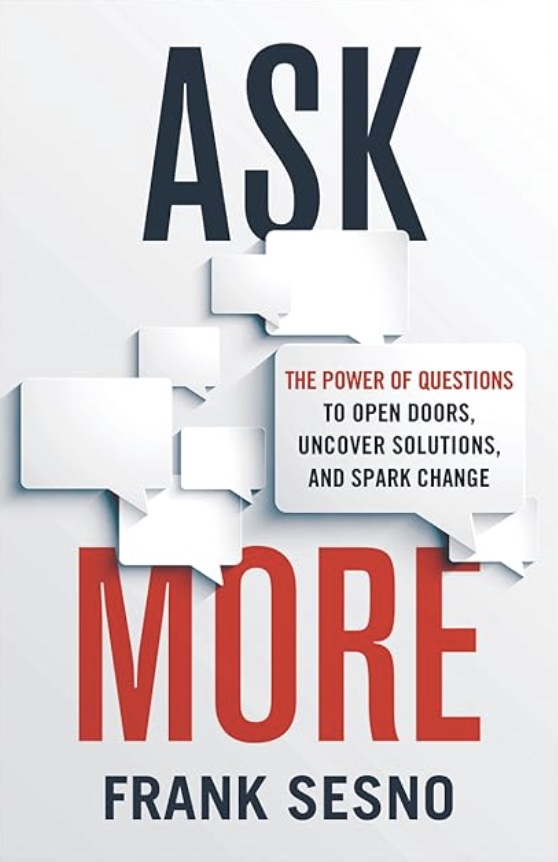
Questions are “catalysts for dialogue,” and as such, they are the foundation for self-awareness, personal and professional relationships, problem-solving, barrier-breaking, idea-launching, and building bridges between communities (p. 201). Questions, framed correctly, have and will continue to drive society. Frank Sesno’s Ask More is organized into a taxonomy of questions: diagnostic, strategic, empathetic, bridging, confrontational, creative, mission, scientific, interview, entertaining, and legacy. As he unpacks these categories, Sesno teaches his reader to identify an objective and design a course of inquisitive action to achieve it. To demonstrate the power of informed questioning, Sesno taps the inquisitive acumen of NPR’s Terry Gross, a nurse practitioner in Appalachia, General Colin Powell, a hotel manager, CNN’s Anderson Cooper, and a young San Francisco mayor defying the status quo. In this way, Sesno demonstrates how to strategically ask who, what, when, where, why, and how to produce tangible results.
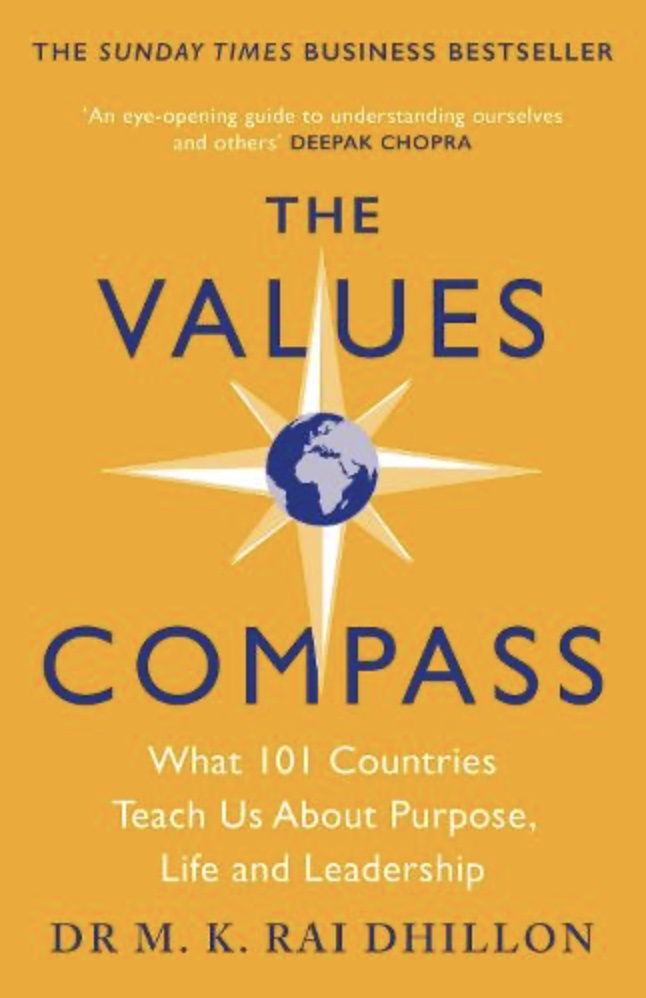
Dr. Mandeep Rai highlights unique values in 101 countries and explores the ways it has been shaped by each nation’s culture, traditions, and history. After traveling to more than 150 countries as a broadcast journalist and businesswoman, Rai utilizes her global insight to understand how different values define relationships, behaviors, and cultures. The book focuses on the importance of understanding different perspectives of values and how they are used every day to make decisions and changes. Readers are encouraged to actively think about their values and reflect on how they make use of these values in their personal and professional life.
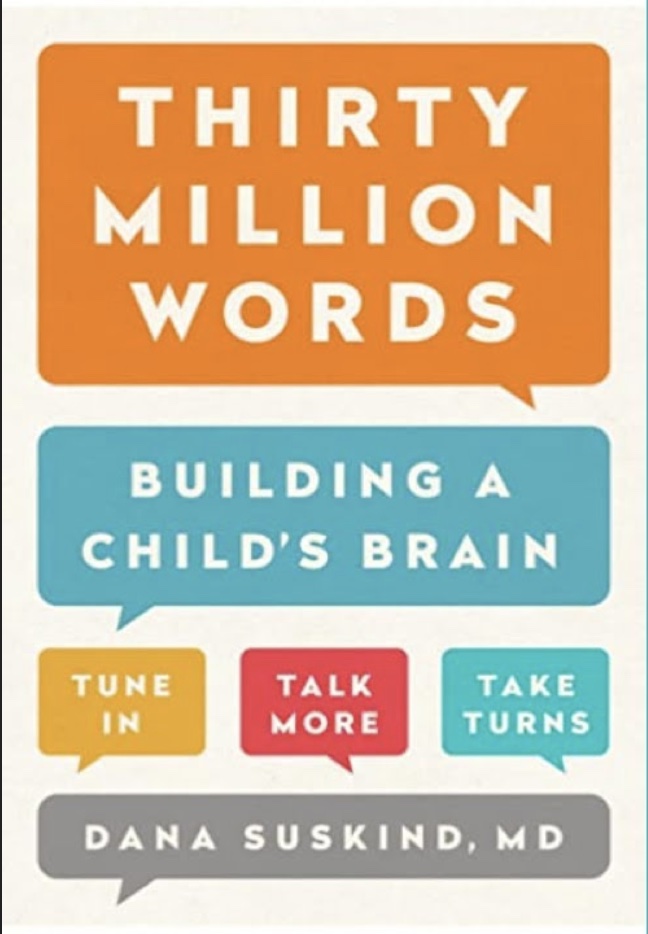
The most critical period of a person’s brain development is determined between birth and four years old. During this span, a large part of brain growth is completed and brains begin to lose plasticity (p. 51). It’s during this period that the amount and quality of the words children hear establish life-long patterns that impact their ability to learn from healthy relationships and reach their creative potential.
A prolific C-suite coach and graduate of the United States Naval Academy, Scott Love focuses his self-published book Why They Follow on building influence as a leader. He draws on his experiences in the military and his sales expertise to frame leadership methods that are action-oriented, relational, and aim to empower. Love offers novel insight on building relationships and engagement among teams, customers, and new hires, and in being true to your core values as a leader. He also presents a thoughtful methodology on how to appeal to the emotional parts of a prospective buyer.
“Yes, And” is at the heart of all improvisation. It is the main philosophy of The Second City, the best improv theater in the country, which has launched the careers of comedic geniuses like Tina Fey and Stephen Colbert. Whereas simplification is an essential part of the final stages in many artistic processes, creative virtuosity in improv performance comes through the buildup of an idea. The mundane is stretched and exaggerated until it reaches a level of absurdity. Instead of immediately rejecting an idea, improv actors agree with whatever was proposed and add their own spin to it. The structure of “Yes, And” is also useful for giving feedback. This technique recognizes good work and immediately follows up a compliment with an insight into better performance. Leonard and Yorton stress that “Yes, And” is not about being agreeable for the sake of it, but about being open and receptive to new ideas, even if they seem odd or impractical at first. They write, “The ‘Yes’ is acceptance, and the ‘And’ is the contribution. When you say ‘Yes, And,’ you’re not only acknowledging what’s been said, but you’re also adding to it, moving the conversation forward” (p. 7). This approach fosters trust and psychological safety, essential for creativity and innovation in any team.