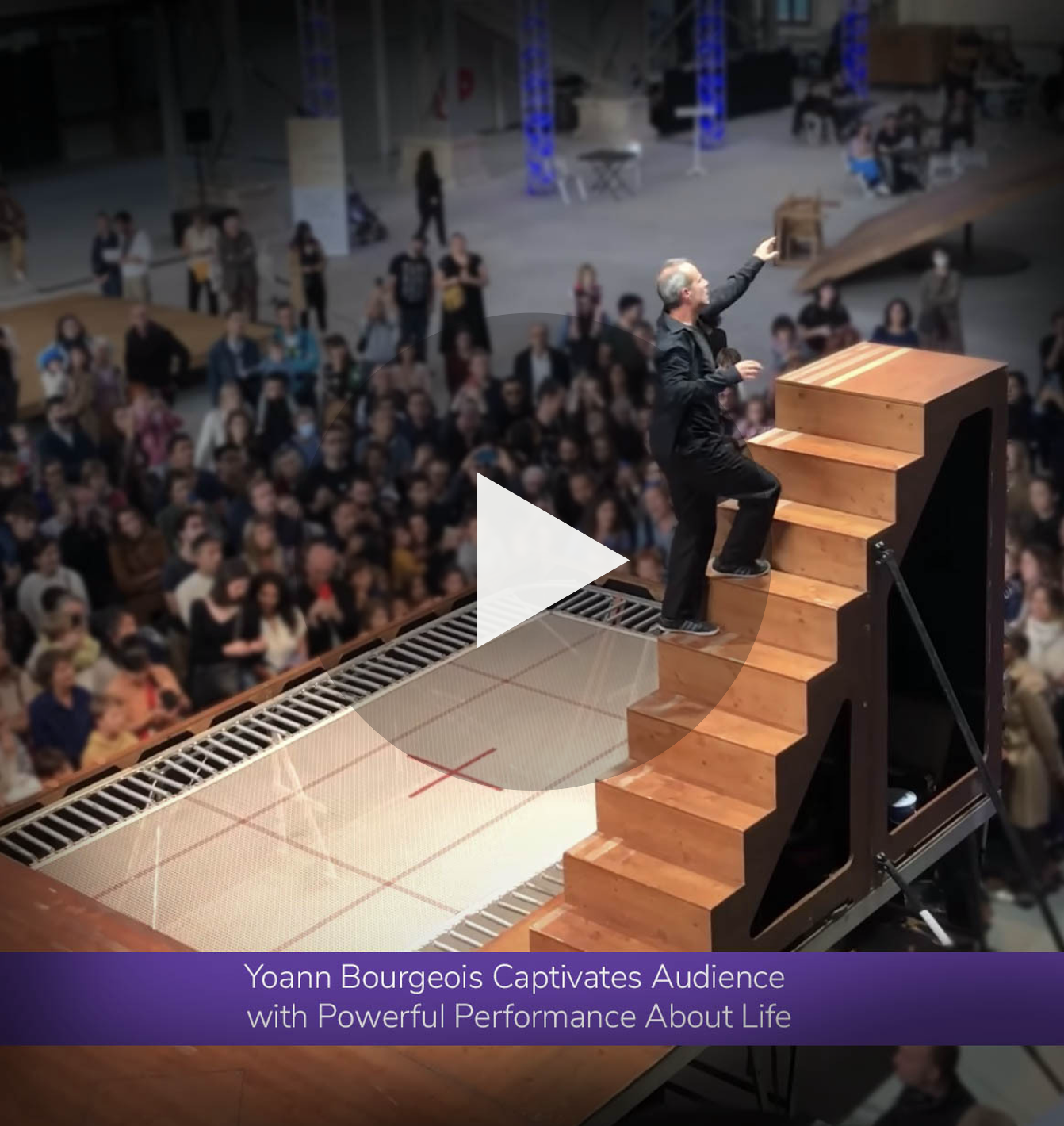

Our daily Field Notes email is just the kind of jumpstart you need. A fast read. Maybe less than a minute. Because sometimes it just takes one insight to change the trajectory of the day.
Search Field Notes
-
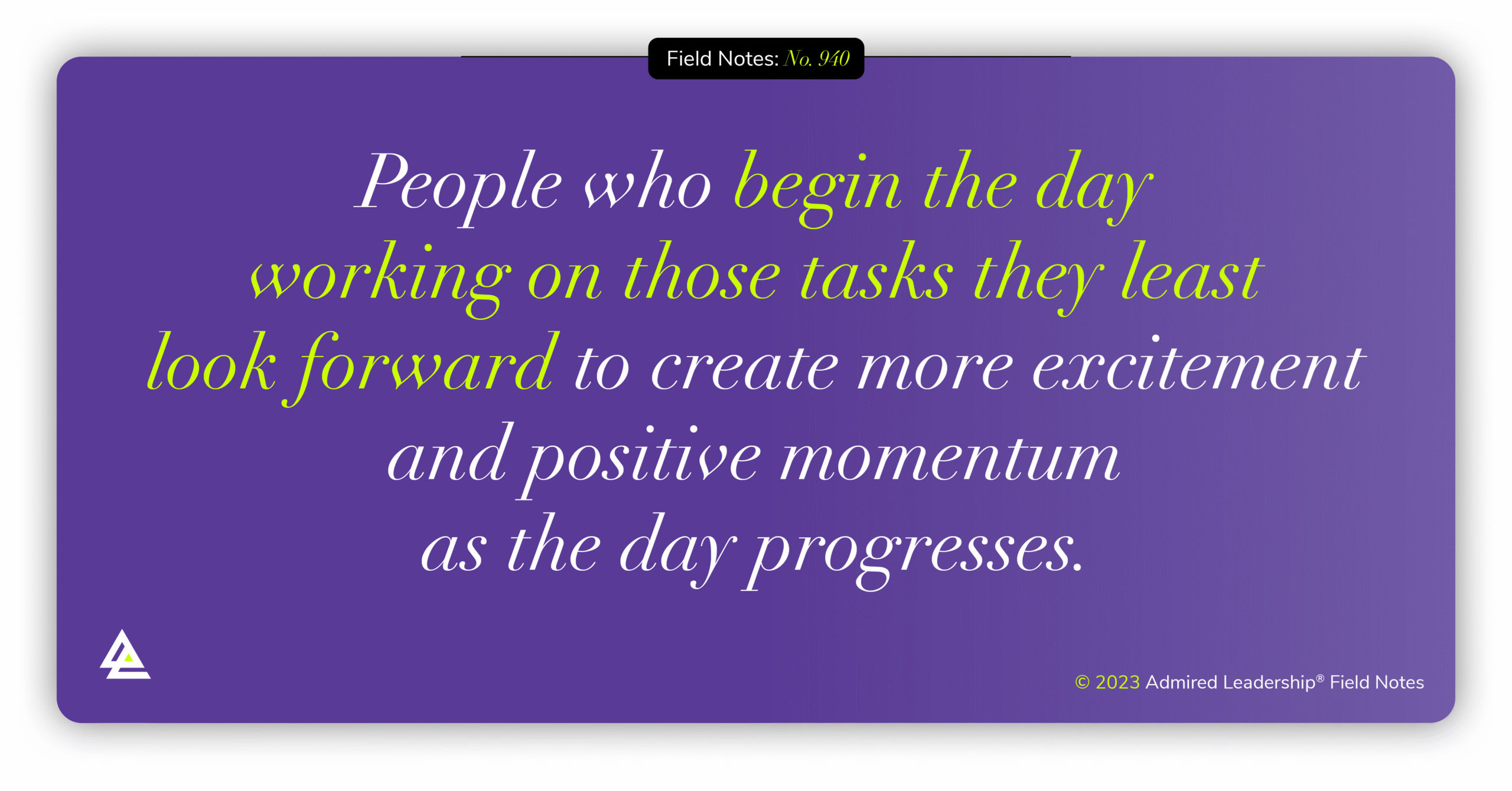
Making the Day More Enjoyable by Doing the Most Difficult Things First
Try this: Make a list of everything you need to do today. Now, rank this task list based upon what you most want to do and least want to do. Place those tasks that are easiest and most enjoyable at the top and those you dread or find less pleasurable at the bottom. Next, start…
-
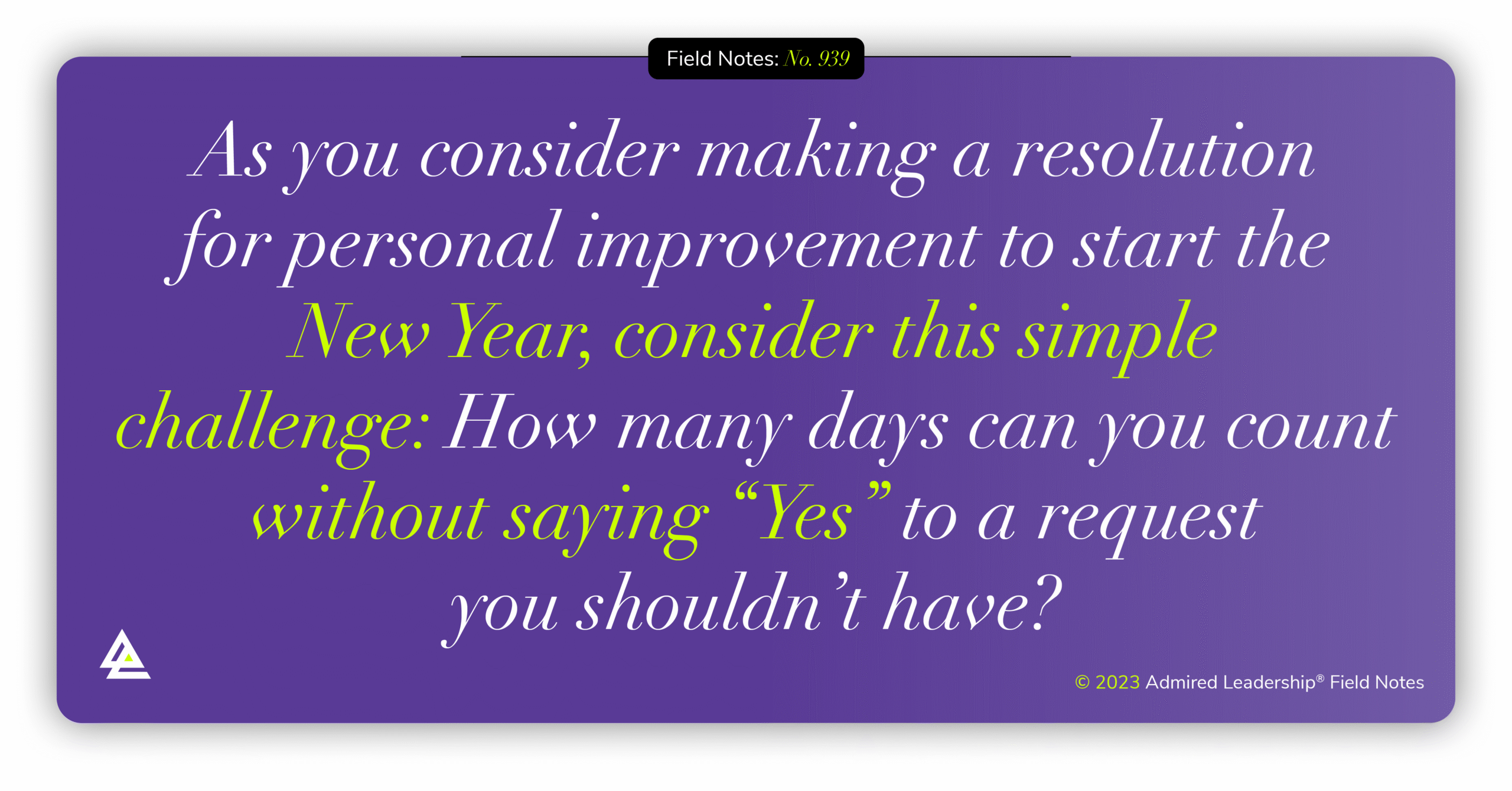
A New Year Challenge
Here’s a fact for everyone who lives a busy life: You say “Yes” far too often. You agree to attend, participate, speak, and lend a hand to others more often than you should. The reasons you lack the discipline to say “No” as often as you should are legion. You want people to like you.…
-

Praise Without the “But” Is the Best Reinforcer
Taking the opportunity to throw a suggestion or criticism when offering praise sounds like an efficient and effective way to kill two birds with one stone. Praise reinforces the behavior or action you desire to have repeated, while the suggestion shows the team member how to further improve their performance. This is known as the…
-
Bravery in Leadership
Brave leaders possess the mental and moral strength to face danger, risk, and fear by focusing on what needs to be done rather than on the potential consequences. In the words of Professor Henry Louis Gates Jr., “Bravery is improvisation in the face of impending disaster.” Rather than letting fear rule one’s thinking and action,…
-
Ratings Versus Rankings
Rankings showcase losers more than they highlight winners. The goal of great teams is to have all A players and winners. This is where ratings against a set of standards come to the rescue. The motivating alternative to a ranking system is a criterion system where success is determined by whether people reach a specific…
-
Communicating With Those We Like and Care About After Termination
One of the hardest things for any leader is to push a highly treasured and prized colleague out of the organization. But sometimes the organization outgrows a valued colleague when their skills and talents no longer match what the enterprise needs now. Team members are sometimes too experienced to demote and too established to reallocate.…
-
Helping Others Combine and Apply Their Strengths
Knowing yourself, especially your strengths and weaknesses, is essential work for personal development and for reaching your potential. Through a lifetime of feedback, recognition, and reward, most people have a relatively keen understanding of their personal strengths and favorable attributes. They know what they’re good at and what contributes most to their success. But that…
-
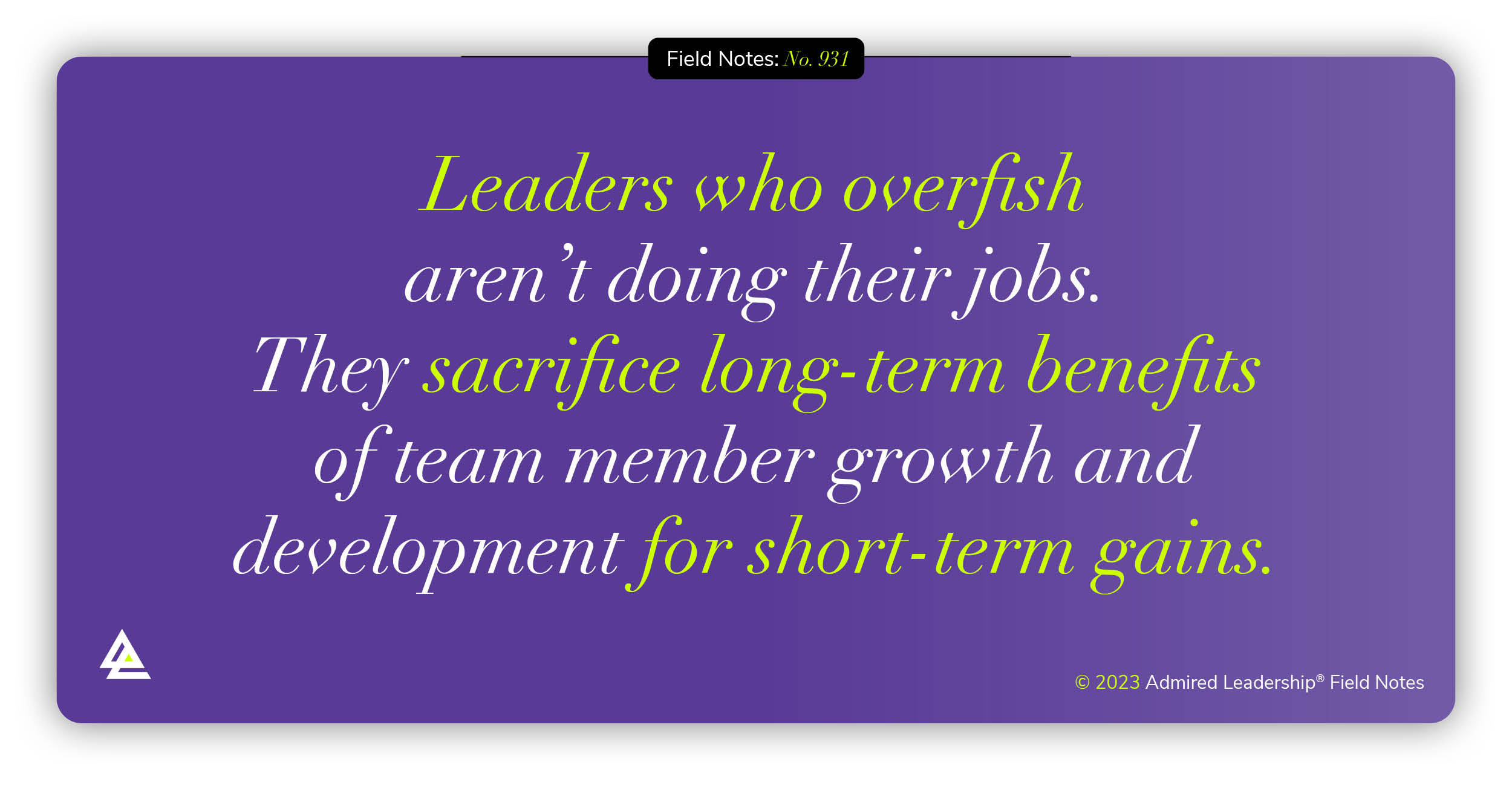
Leaders Who Overfish
Some metaphors open our eyes to the consequences of our choices and give us a fresh perspective on how we lead. One such analogy is what leaders can learn from the devastating practice of overfishing. Overfishing occurs when so many fish are caught in a given population that there are not enough adults left to…
-

Blink and You Lose
Released today at movie theaters is a film depicting the true story of the University of Washington rowing team that found improbable success at the 1936 Olympics in Berlin. Against all odds and during the height of the great depression, The Boys in the Boat recalls how a group of working-class boys and their contrarian boatbuilder, George…