




Our daily Field Notes email is just the kind of jumpstart you need. A fast read. Maybe less than a minute. Because sometimes it just takes one insight to change the trajectory of the day.
Search Field Notes
-
How Leaders Help to Create Brilliant Jerks
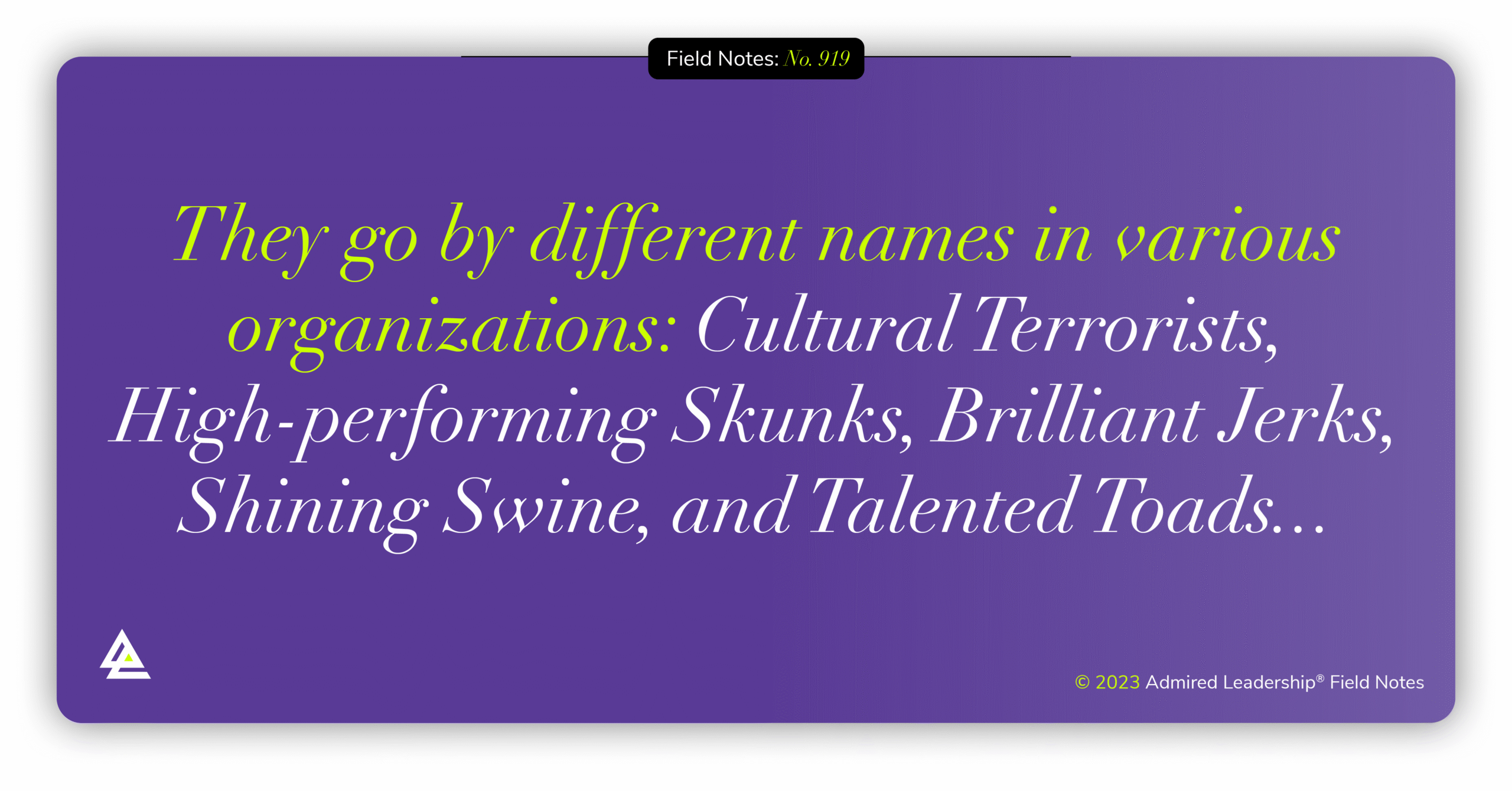
They go by different names in various organizations: Cultural Terrorists, High-performing Skunks, Brilliant Jerks, Shining Swine, and Talented Toads. These are team members who achieve great results but consistently display disruptive, inconsiderate, or toxic behavior. Leaders who manage them are confronted with a major dilemma. On the one hand, these Brilliant Jerks deliver extraordinary results.…
-
Disrespect Between Colleagues Can Derail the Team
Respect between team members is a critical ingredient for high performance. Respect builds comradery and trust in the team and allows conversations between team members to become easeful and efficient. It reduces defensiveness and encourages openness and candidness. Teams with a high degree of respect between members find a way to work through problems and…
-
Select Wisely From the Menu of Criticism
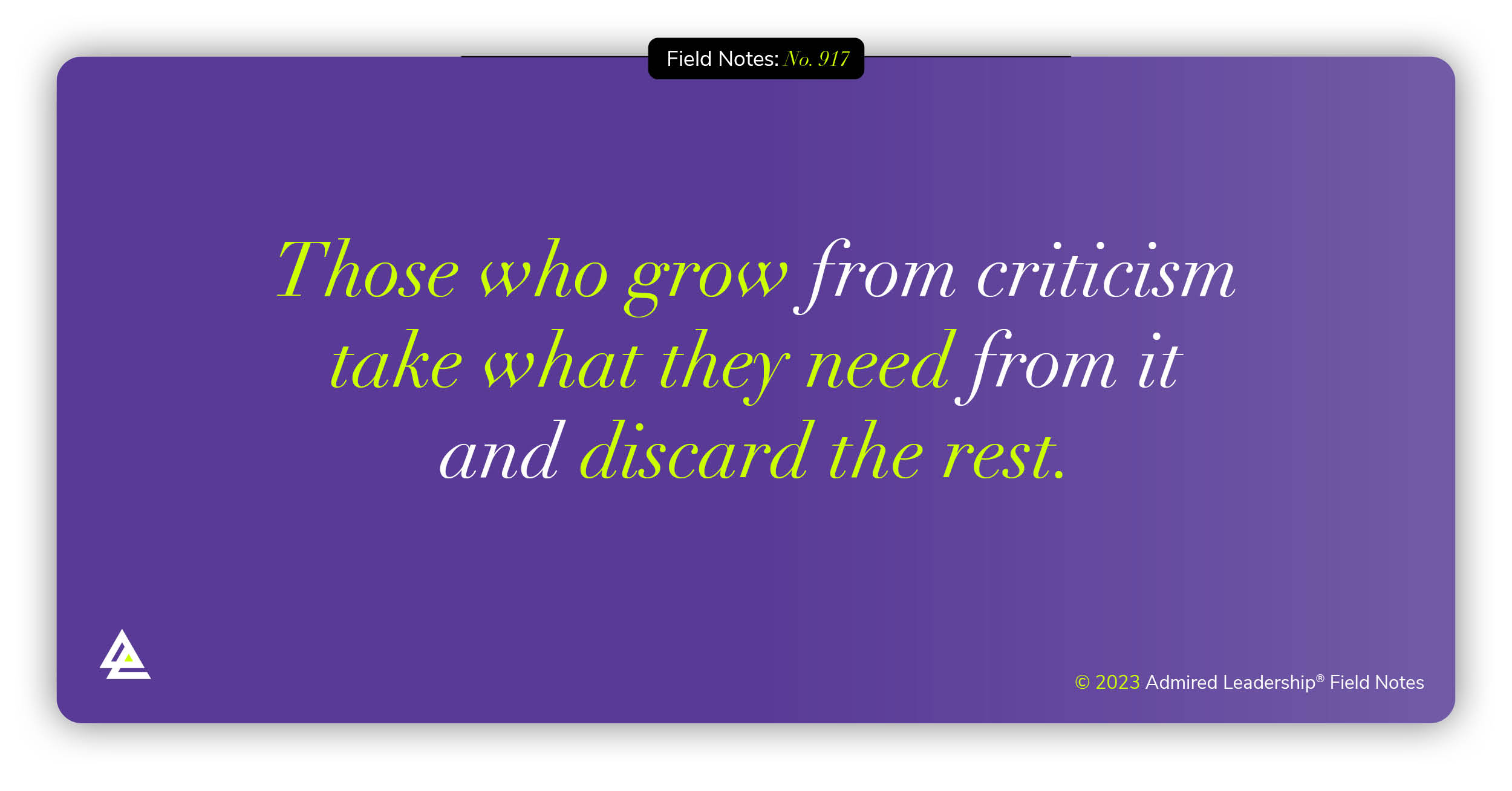
Those who grow from criticism take what they need from it and discard the rest. They consider the full menu and then make a considered selection. They don’t worry about what they’re not selecting or the many other items that are not relevant for this meal. They are hungry for improvement, but selective in what…
-
Did You Give Your Brain a Workout Today?
The key to both physical and intellectual exercise is to do it consistently. That’s how the best performers get into and stay in shape. Great leaders stay in shape both physically and mentally. The best news is that the two arenas feed one another when done consistently and with vigor. Leadership strength does not come…
-
Learning From the Shadow
Of the many ways we can gain insight, learn how things work, and come to appreciate the details connected to high performance, perhaps none is more powerful than to follow or shadow someone with experience and skill. Following the footsteps of those who have mastered the kind of performance or role we desire to play shows us…
-
When to Take a Bigger Risk
Taking a big risk is never a light decision. By definition, a risk is a chance with both a great upside and downside. But by looking for distinct advantages others haven’t realized yet, a bigger risk can be a wickedly smart call. That’s a risk you can’t afford to miss.
-
Good Leaders Don’t Allow Meeting Spectators
Once an expectation is set that no one can sit passively or remain silent during team meetings, the group benefits from different perspectives and viewpoints that otherwise would have been withheld. Asking everyone to contribute, share their ideas, and become fully involved in the discussion is what good leaders do through their Socratic questioning. There…
-
Who Are You Giving a Halo To?
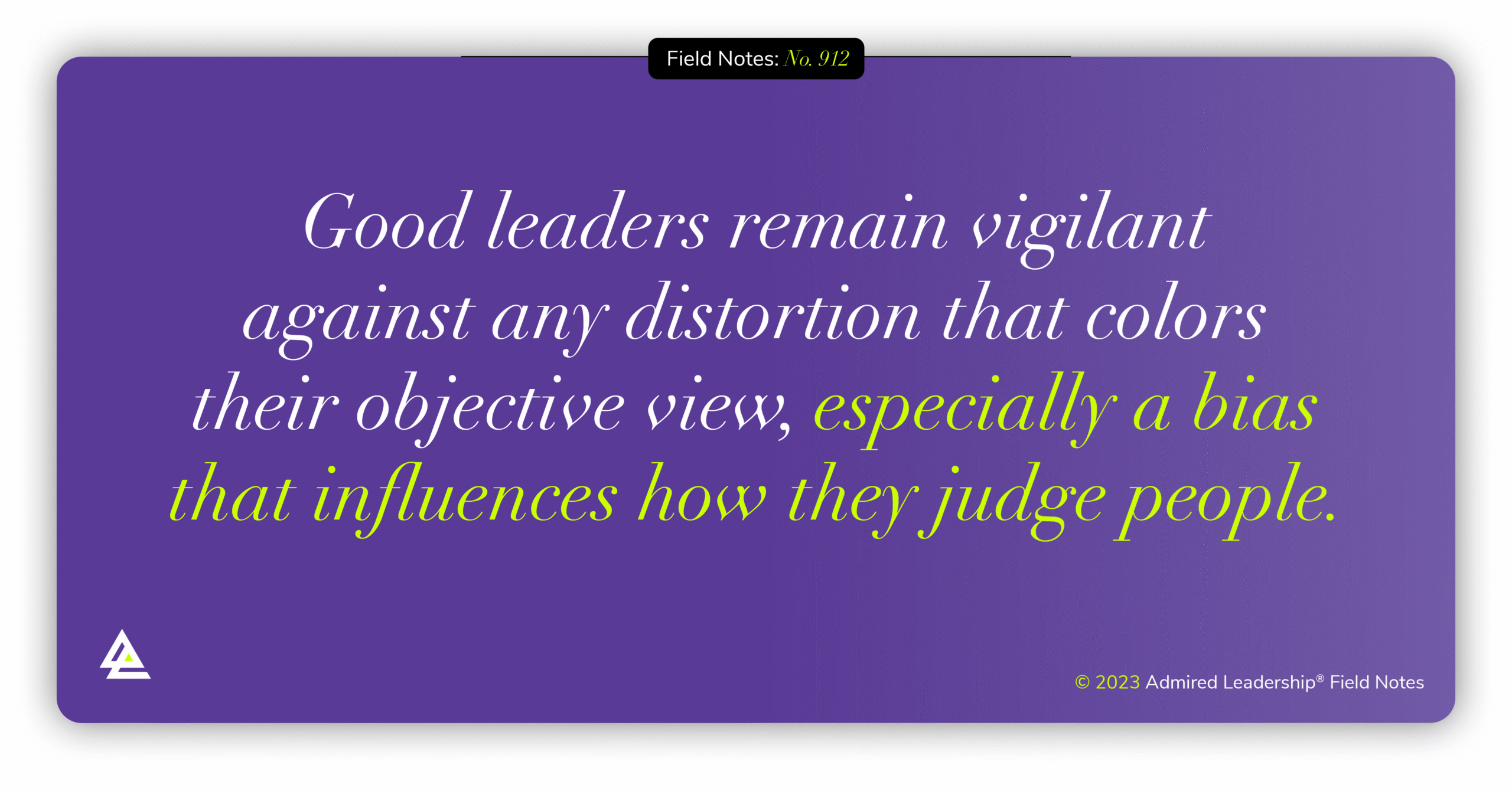
Good leaders remain vigilant against any distortion that colors their objective view, especially a bias that influences how they judge people. They fight off the halo effect by always viewing people as multifaceted, with both positive and negative traits and qualities. They refrain from judging people as a single entity, preferring instead to evaluate their…
-
Turning Problems Into Opportunities
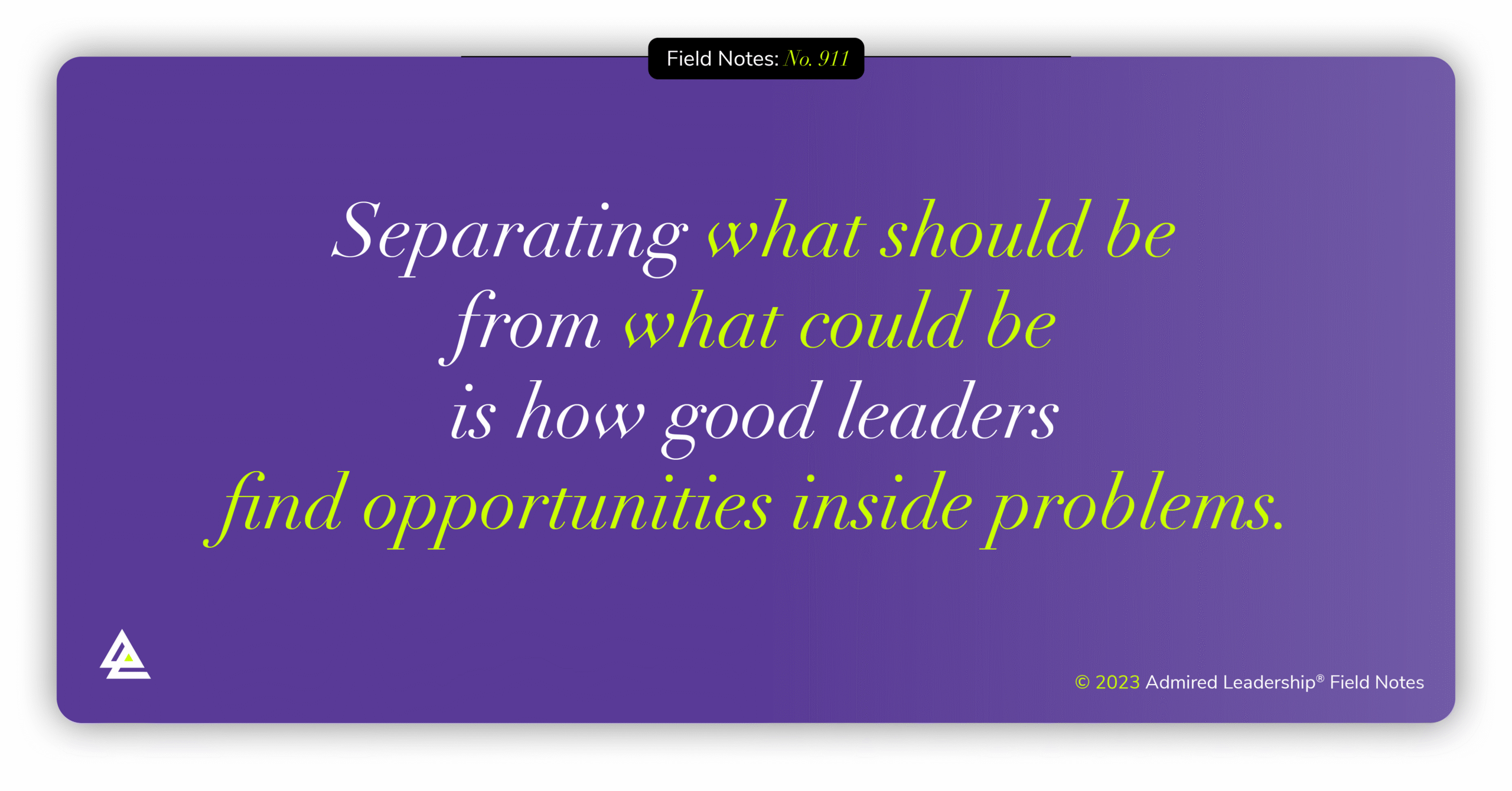
What makes a problem a problem? A problem always contains two parts: One-half of a problem is an expectation or desire for a different reality or outcome. What would we like to see or experience? The second half is the reality that conflicts with that expectation or desire. For instance, if a leader wants the…
-
Words That Are Designed to Silence
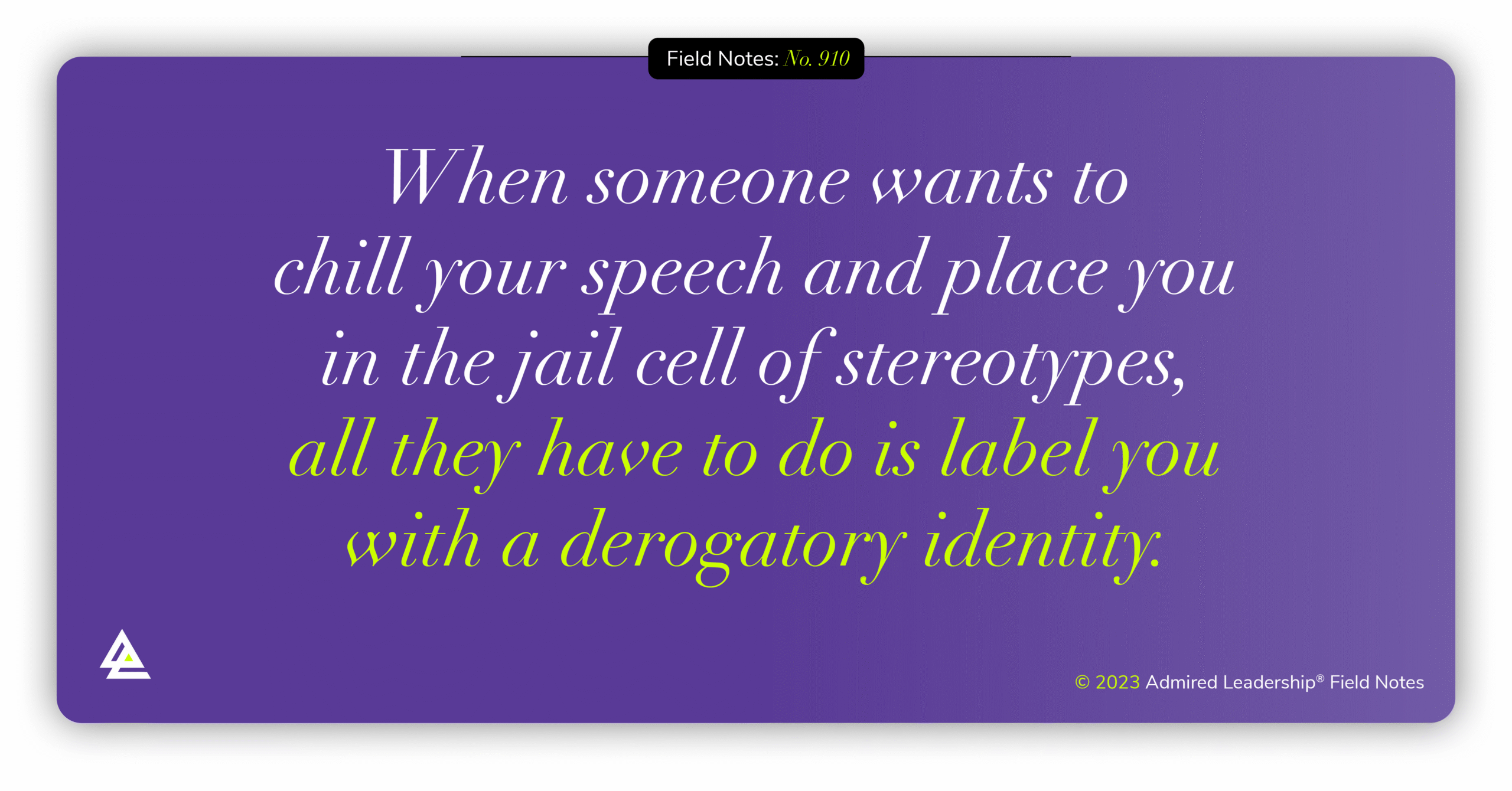
Strong leaders make unpopular decisions, give tough feedback, and engage in highly direct speech when necessary. They don’t duck what they believe is the best course of action because others may not like them or disagree with their actions. At the same time, they encourage others to push back respectfully. They value the ability for…