
Our daily Field Notes email is just the kind of jumpstart you need. A fast read. Maybe less than a minute. Because sometimes it just takes one insight to change the trajectory of the day.
Search Field Notes
-
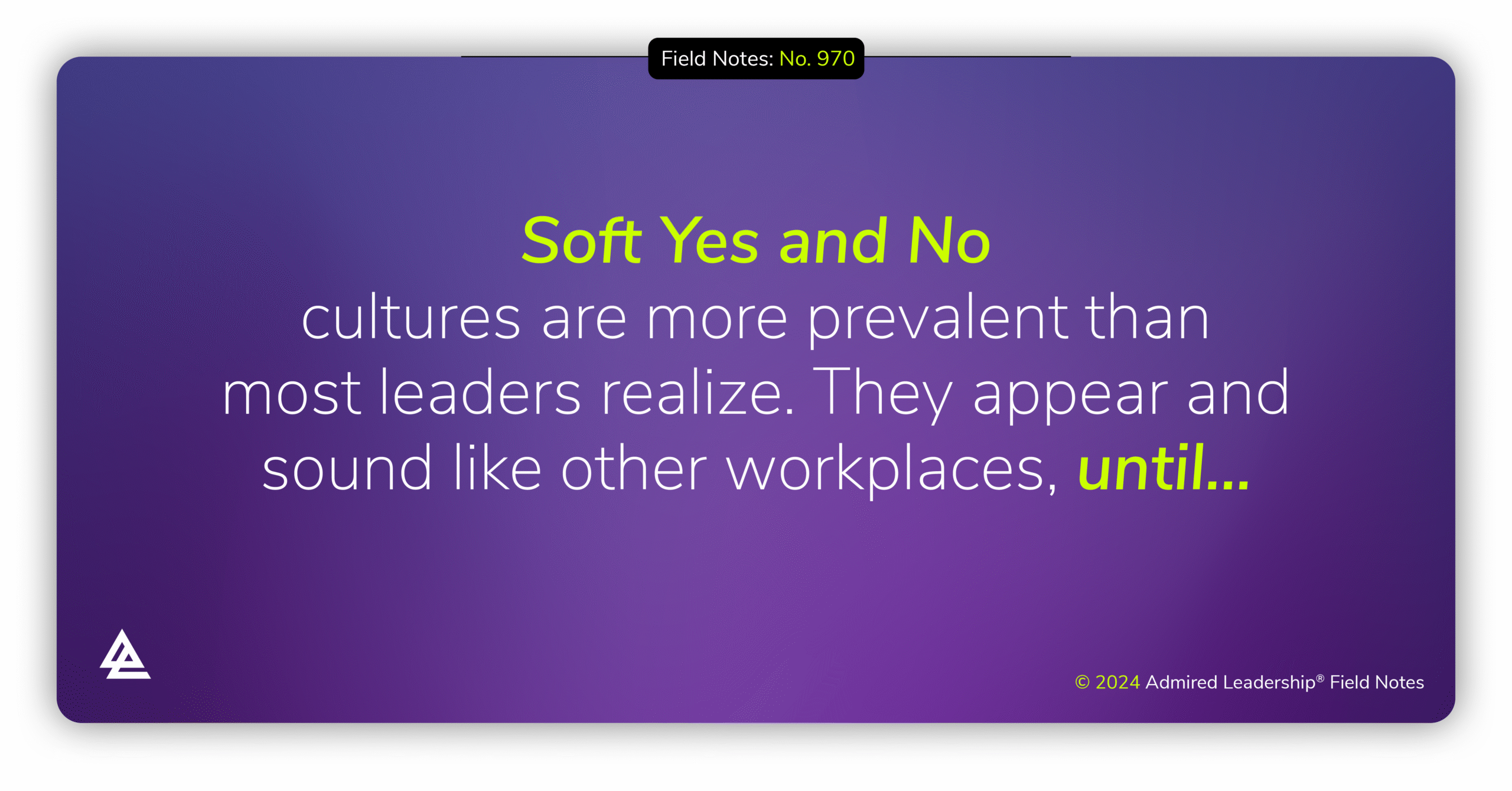
Soft Yes and No Cultures
When many of the decisions made throughout an organization are considered optional or negotiable, leaders and team members take notice. When senior leaders are unwilling or too busy to enforce the decisions, directives, policies, and mandates they hand down, then the culture takes on an unusual quality. Everything is in play. Even critical commitments. When…
-
Winning Over Peers Before You Need Them
Finding and sharing information with peers before you need them is the essential move. Keeping them on a steady diet of information valuable to them before any requests or needs arise sets the stage and develops a stronger relationship. Then, when the time comes, peers are more likely to lend a hand because they know…
-
Do Good Leaders Ever Act Aggressively?
The line between acting assertively and behaving aggressively is not as thin as most leaders believe. They are distinctly different approaches to how leaders attempt to get what they want from others. In reality, they are hard to confuse. Assertive leaders are forthright about their wants and needs, making it perfectly clear they hold a…
-
I Can’t Do That, But I Can Do This
People appreciate that a leader has been thoughtful in their reply and values their request highly enough to suggest a substitute choice. In most cases, those making the request will feel supported by the response, even if they politely decline the replacement. The next time you must reject a request or invitation, consider the “I…
-
Learn to Respond Instead of React
Learning to respond rather than react is not easy, especially for those leaders who are passionate and frank. Even leaders who recognize that strong reactions magnify negativity often struggle with making this important move. But the work is worth it. Leaders can never positively influence a negative situation with a bad reaction. Responding with just…
-
Choices Only You Can Make
Warning: You already know what follows. This is only a friendly reminder. It is worthwhile to remember that only you can decide the most important ingredients of your life. The building blocks of character, productivity, and performance are exclusively up to you and only you. For instance, only you can choose your values. What is…
-

How Would You Describe Yourself in One Word?
Of the many descriptors in your head, narrowing the list helps to clarify what you really believe about yourself. A great exercise is to land on the one word that best captures the essence of who you are. How would you describe yourself in one word?
-
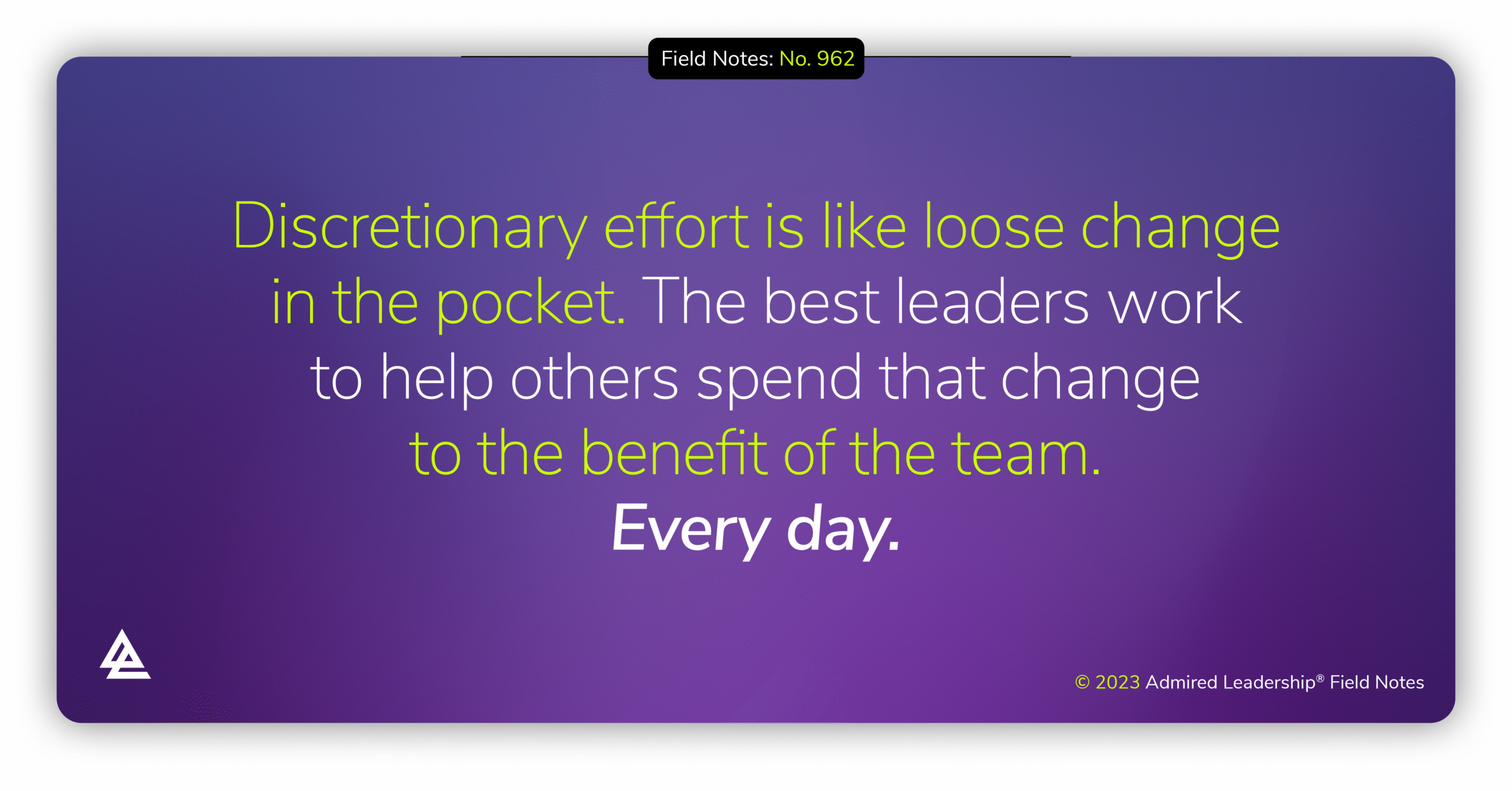
Motivating People to Fully Engage
Even the highly ambitious and driven team members leave effort on the table. Performing at 100 percent all the time is a lofty goal, but nearly impossible to realize. Even for the top performers, the gap between “all-in” every day and fully committed is small but real. For many others, a deep cavity exists between…
-
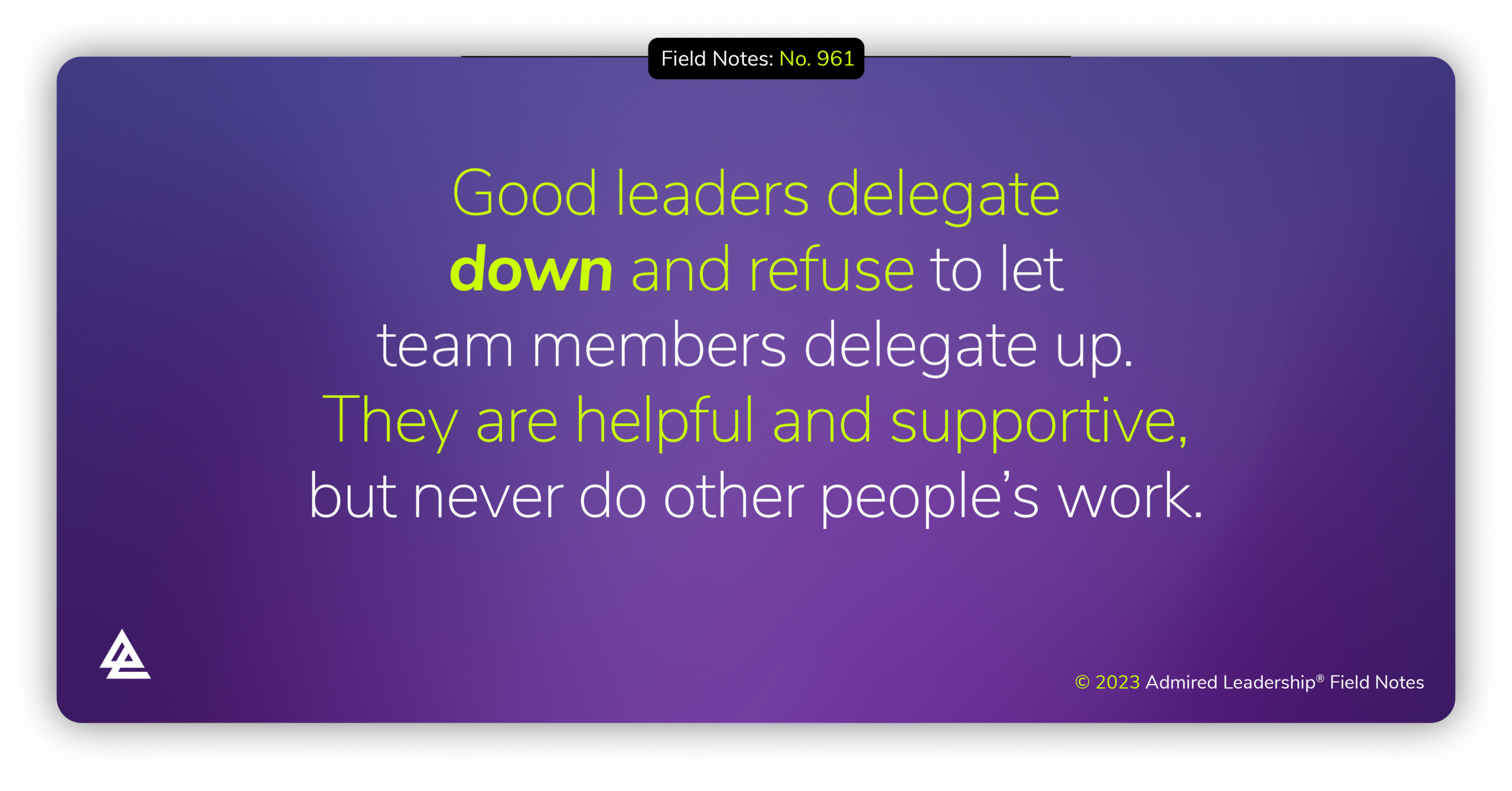
Don’t Allow Team Members to Delegate Up
Guarding against this pattern requires leaders to distinguish between accommodating and helping others by doing their work. A leader who allows anyone to delegate a task they are responsible for up to them has opened the door to ineffectiveness and an unhealthy dependence on their time and talents. Good leaders delegate down and refuse to…