




FieldNotes
Our daily Field Notes email is just the kind of jumpstart you need. A fast read. Maybe less than a minute. Because sometimes it just takes one insight to change the trajectory of the day.
Search Field Notes
-
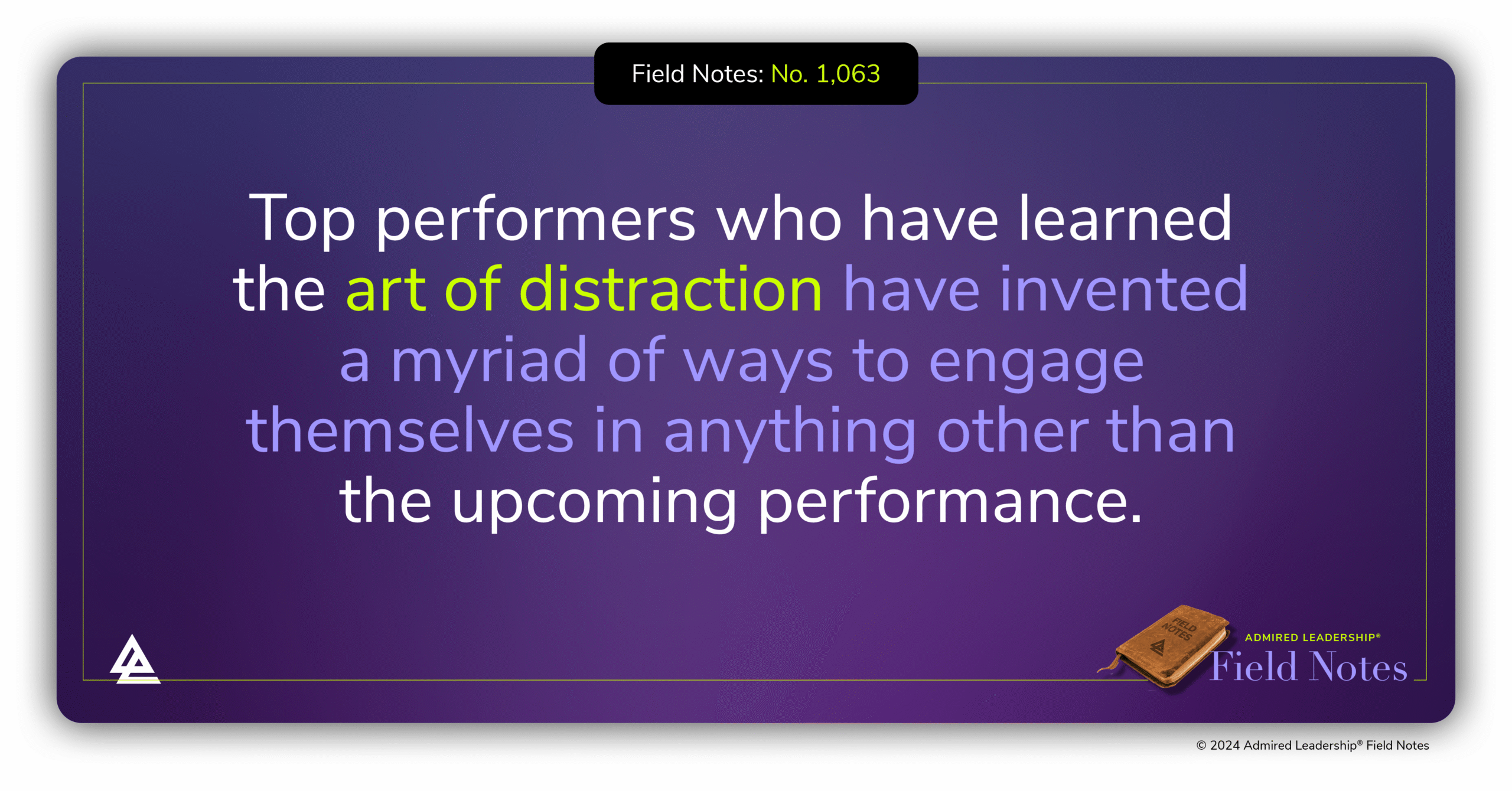
Delay During Performance Allows Negative Pressure to Build
Delay During Performance Allows Negative Pressure to Build. So, the next time you experience a delay that interrupts performance, consider the power of distraction to avoid the negative effects of pressure. As pressure builds during a delay, finding a release through distraction is a much better strategy than overthinking what is to come. Thinking about…
-
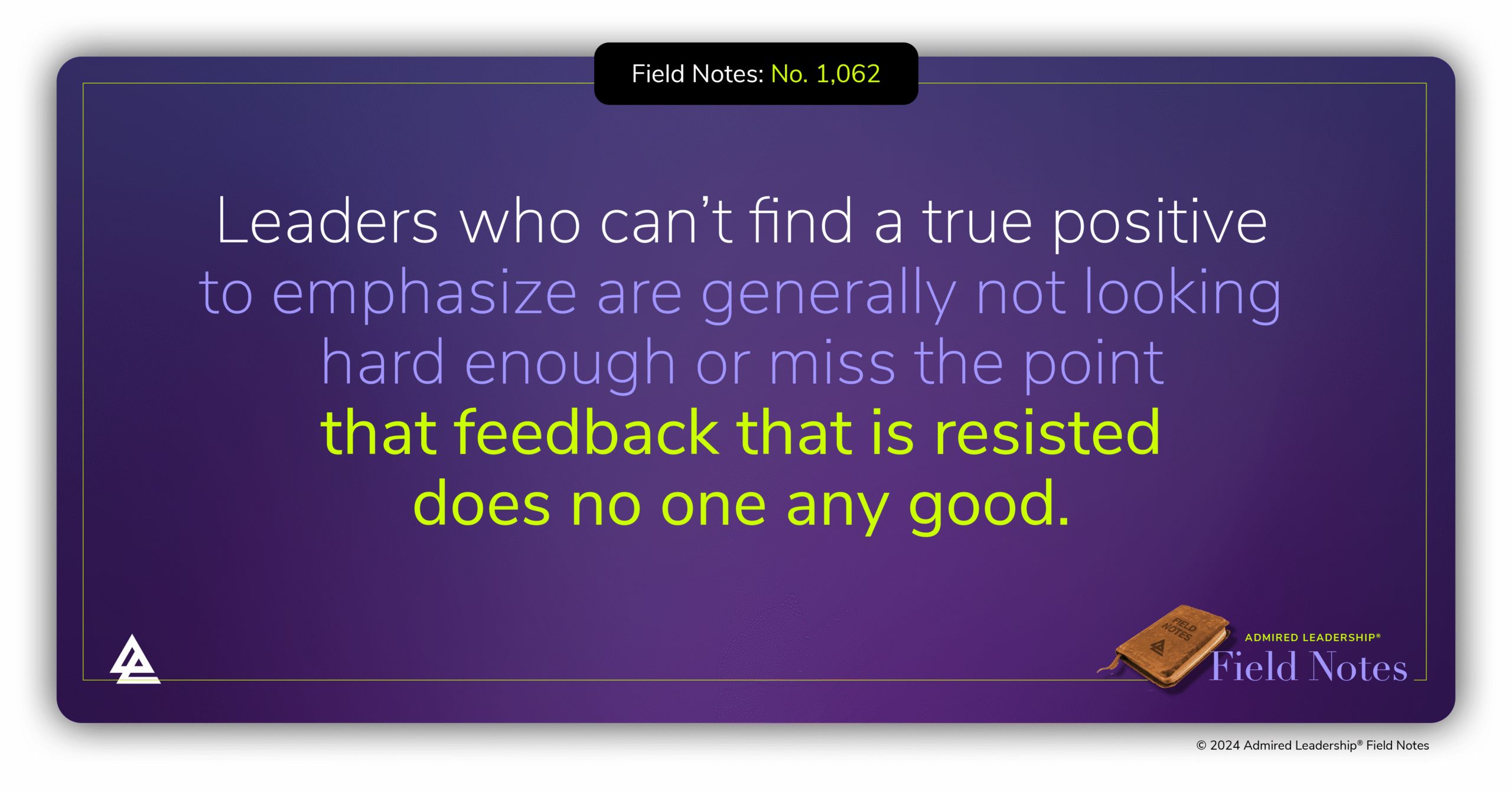
It’s Time to Discard the Sandwich Technique for Giving Feedback
Sometimes, bad advice won’t die. Take the case of the Sandwich Technique of giving feedback. It is an ineffective method that has traveled around the world. Seemingly every leader knows it. We can summarize the Sandwich Method like this: When giving feedback, leaders start by saying something positive. Then, they give the receiver the real…
-
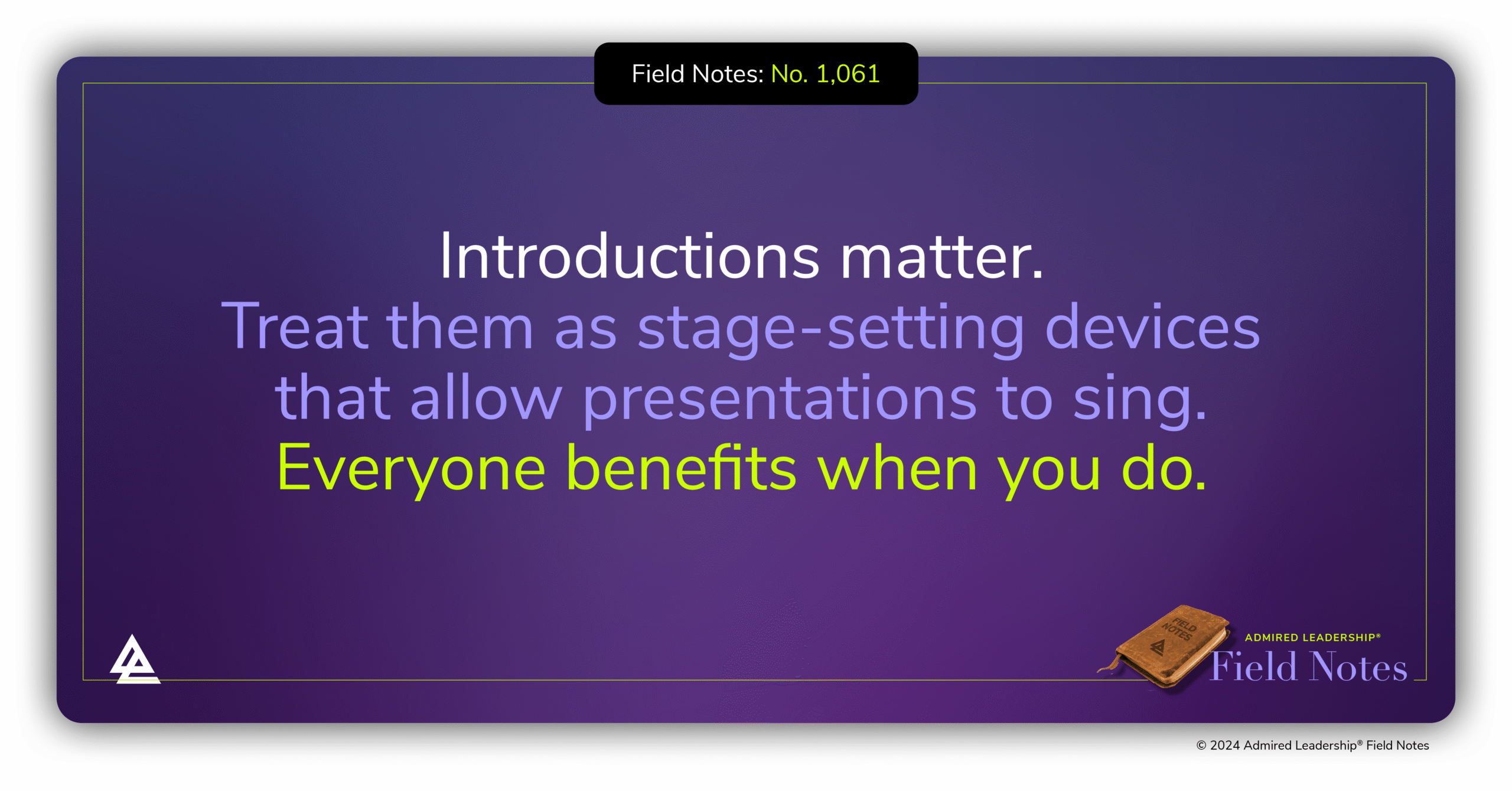
Expertly Introducing a Speaker
Expertly Introducing a Speaker Good introducers don’t get cute, tell embarrassing stories about the presenter, or do anything that will detract from the presentation. Instead, they ask themselves what information they might share that will make the speaker more believable and their remarks more valuable. Priming an audience to learn and appreciate what a speaker…
-
Selecting Value-Congruent Vendors, Suppliers, and Partners
Take a hard look at the top handful of vendors, suppliers, and partners who are heavily relied upon in your organization. Do they smartly reflect your organization’s values? Are they best of class regarding quality and performance? Don’t leave such an assessment to others. They have been rewarded to negotiate the best price for far…
-
Getting to the Bottom of Poor Performance
Solving for low performance is an ongoing challenge every leader faces. Team members with weak performance often prevent the team from reaching its desired goals and achieving what it is capable of. Good leaders keep a sharp eye on performance metrics, team conversations, and third-party feedback to ascertain if a problem exists. Getting ahead of…
-
Good Leaders Make the Implicit Explicit
The culture of an organization or team is shaped by the values that leaders hold and the everyday practices that represent those values. From those values, good leaders are able to establish standards of quality, expectations for performance, and competencies that support personal and professional growth. As organizations bring on new team members, leaders
-
Liking Yourself Too Much Can Hinder Personal Growth
You can’t accept who you are right now and grow at the same time. Or, as former IBM Ceo Ginni Rometty liked to say, “Growth and comfort never coexist.” In order to grow and develop as a person and leader, stepping outside of what is most comfortable is a requirement. To develop and grow, leaders…
-
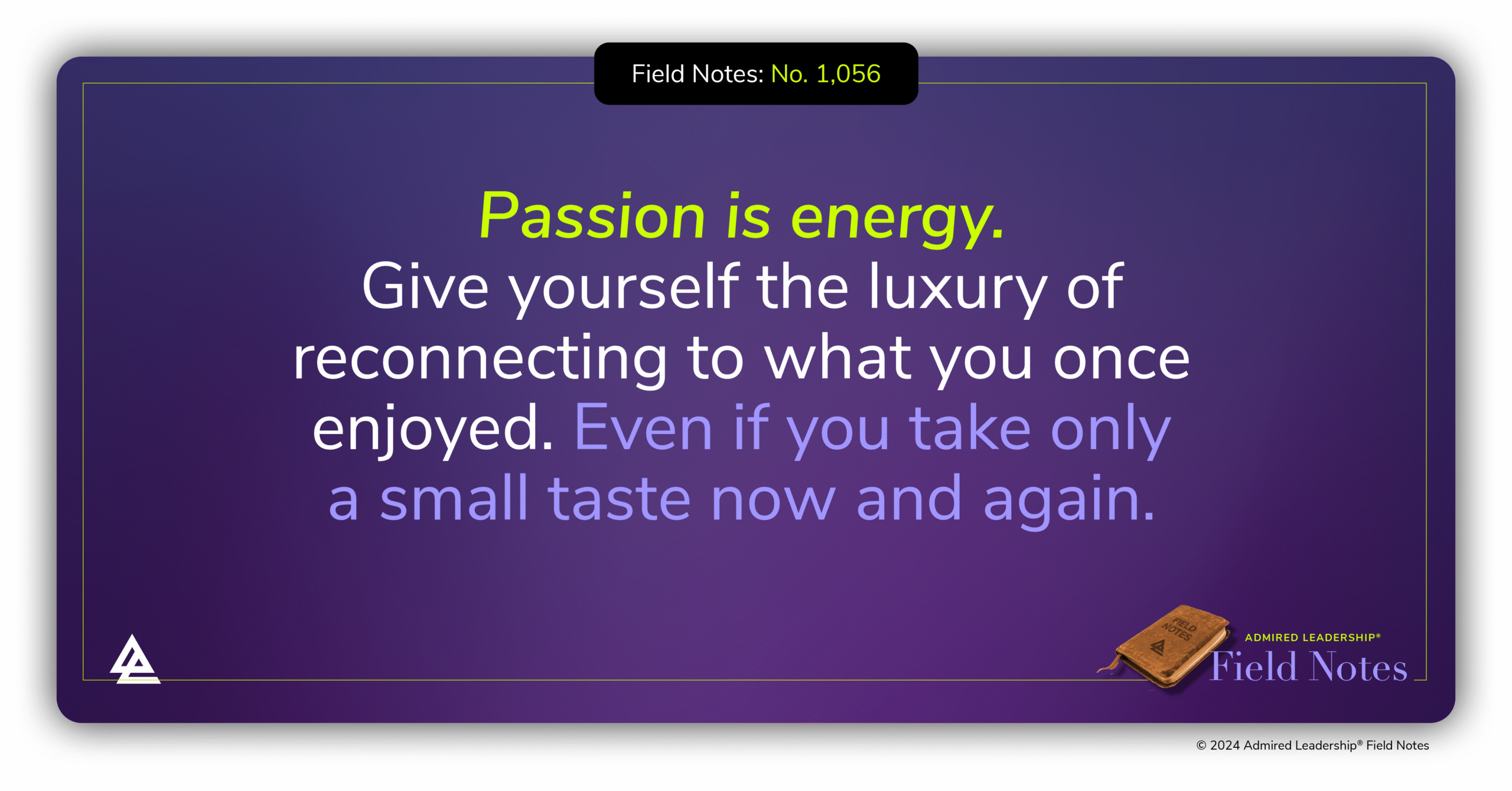
Be Sure to Water the Roots of Your Original Passions
Be Sure to Water the Roots of Your Original Passions. Leaders start out doing the work they love. But as they rise through the ranks and attain more responsibility, they get further away from the activities they were most passionate about. Writers become editors, salespeople become sales managers, surgeons become division chiefs, teachers become administrators,…
-

If You Want Outsiders to Invest, Ask for Their Advice, Not Their Money
Leaders often have to ask outsiders to invest their time, energy, or financial resources to promote the good work they are doing. These requests range from fundraising to capital investment, and from investing time to serving as advisors to a new project or enterprise. Asking those on the outside for money or time is one
-
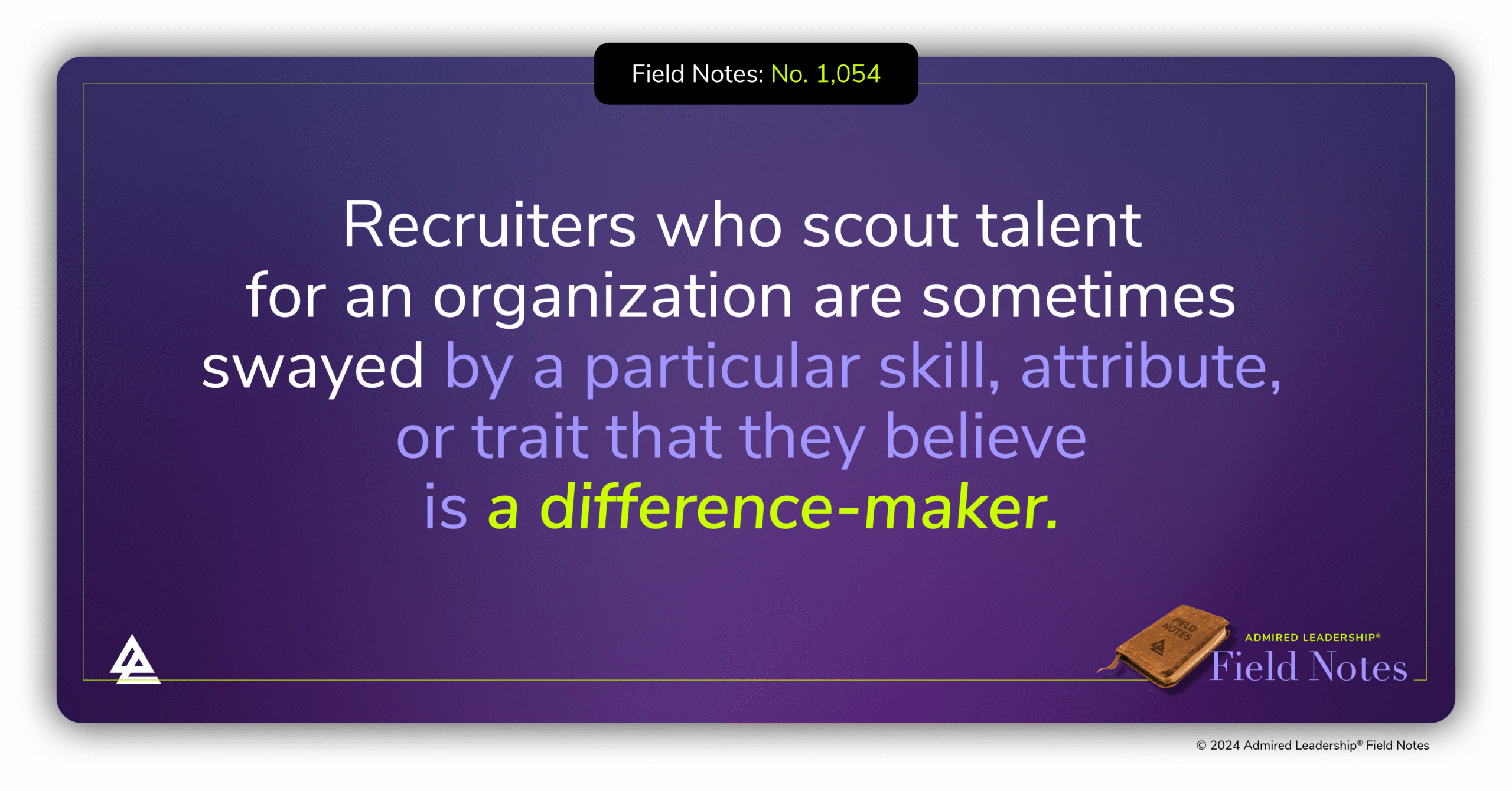
When Judging Talent, Recruiters Must Weigh All of the Data
Recruiters who scout talent for an organization are sometimes swayed by a particular skill, attribute, or trait that they believe is a difference-maker. If they allow this quality to overwhelm their attraction and assessment, thereby ignoring other data and important success factors, they invariably make a bad call. Even talent scouts as professional and accomplished…