




FieldNotes
Our daily Field Notes email is just the kind of jumpstart you need. A fast read. Maybe less than a minute. Because sometimes it just takes one insight to change the trajectory of the day.
Search Field Notes
-
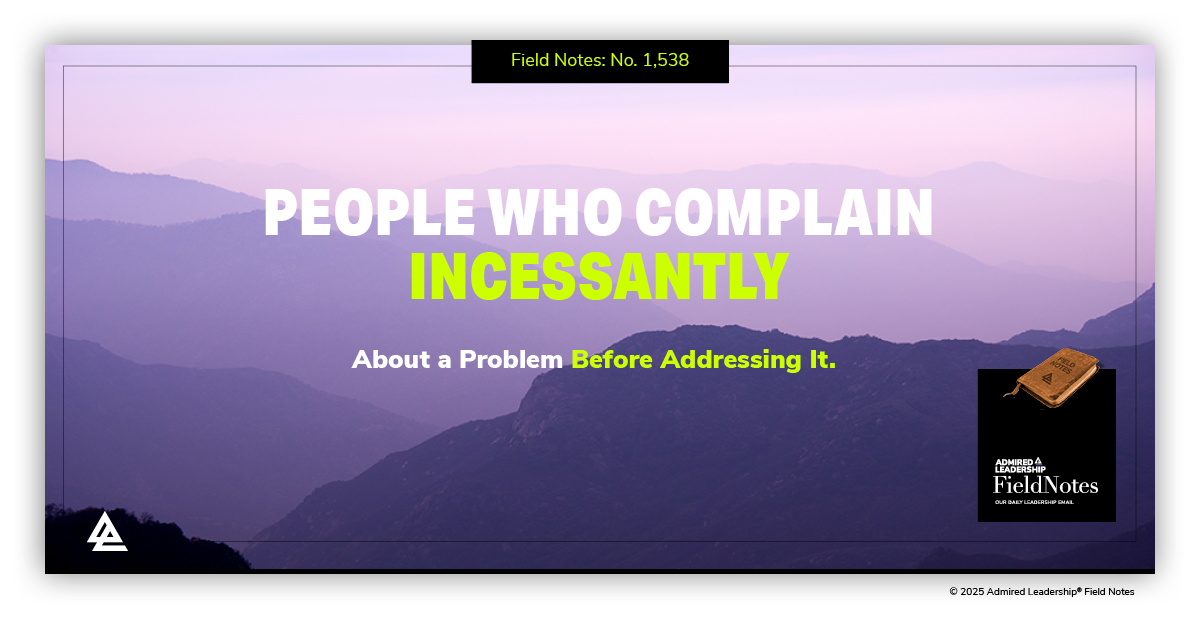
People Who Complain Incessantly About a Problem Before Addressing It
Some people make themselves hard to work with. They don’t realize how painful it is for others to collaborate and engage with them on tasks and assignments. One reason is because of their need to complain before taking action.
-
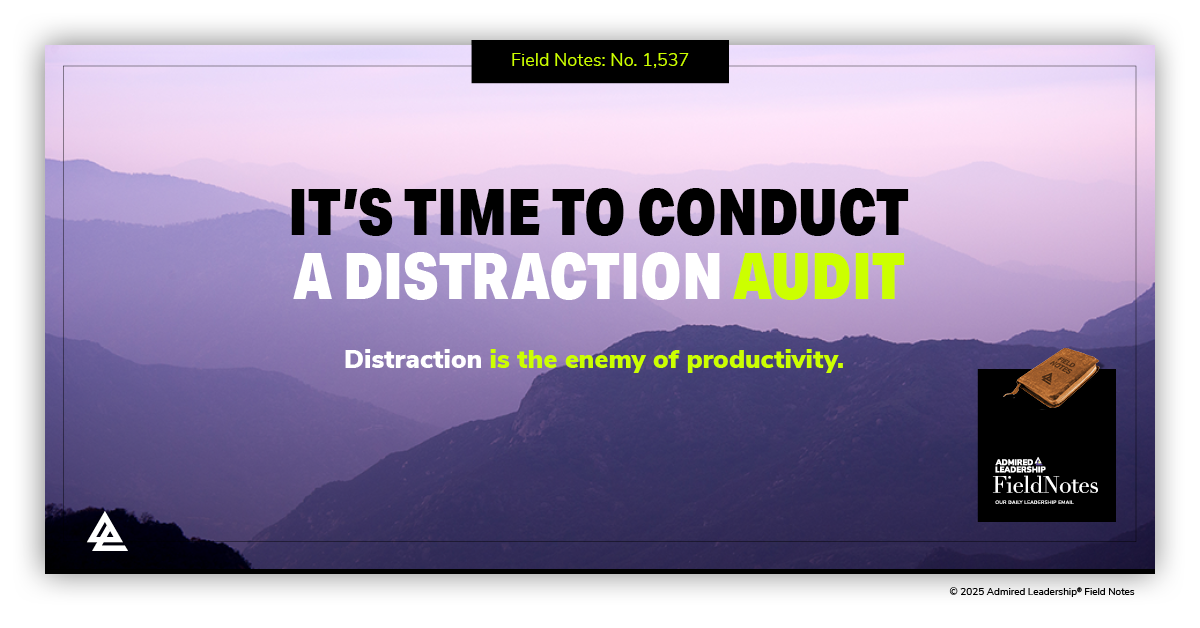
It’s Time to Conduct a Distraction Audit
Distraction is the enemy of productivity. The more distracted a person is during a project, task, or meeting, the less productive they are. Toggling back and forth between full engagement and distraction all day long creates a rollercoaster of attention deficit. Even small distractions cause people to take longer to finish tasks and degrade the…
-
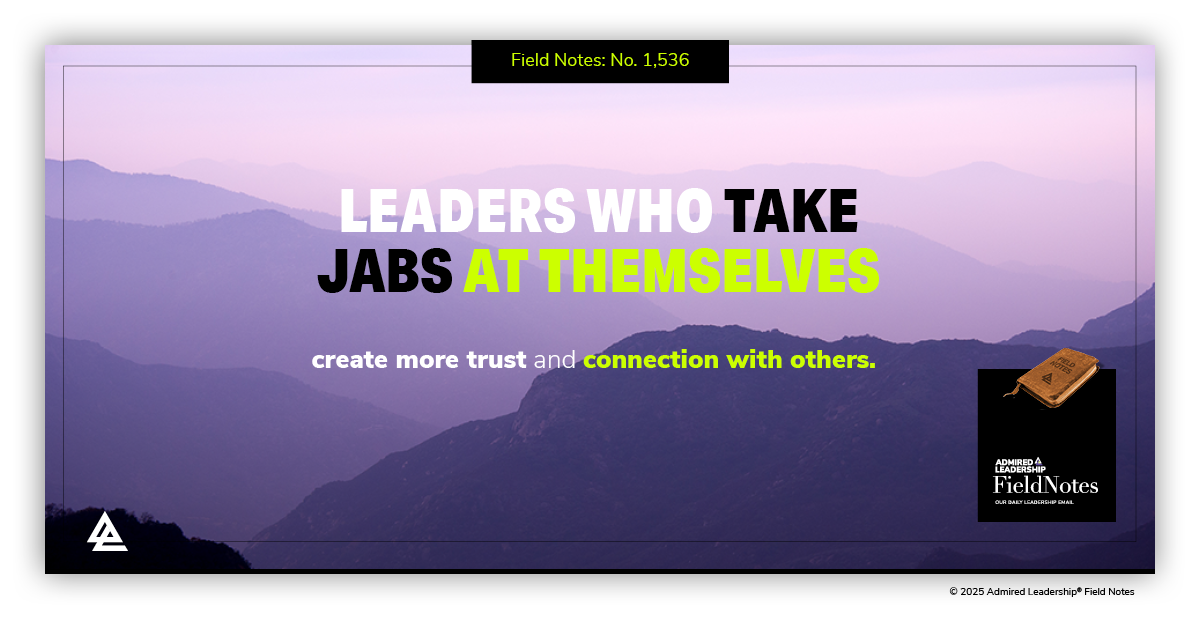
Leaders Who Make Fun of Themselves Build Trust and Comfort
Self-deprecation does more than display humility. Leaders who take jabs at themselves create more trust and connection with others. This is because self-deprecation disarms people and makes leaders more relatable and personable. People tend to trust leaders they find more likable.
-
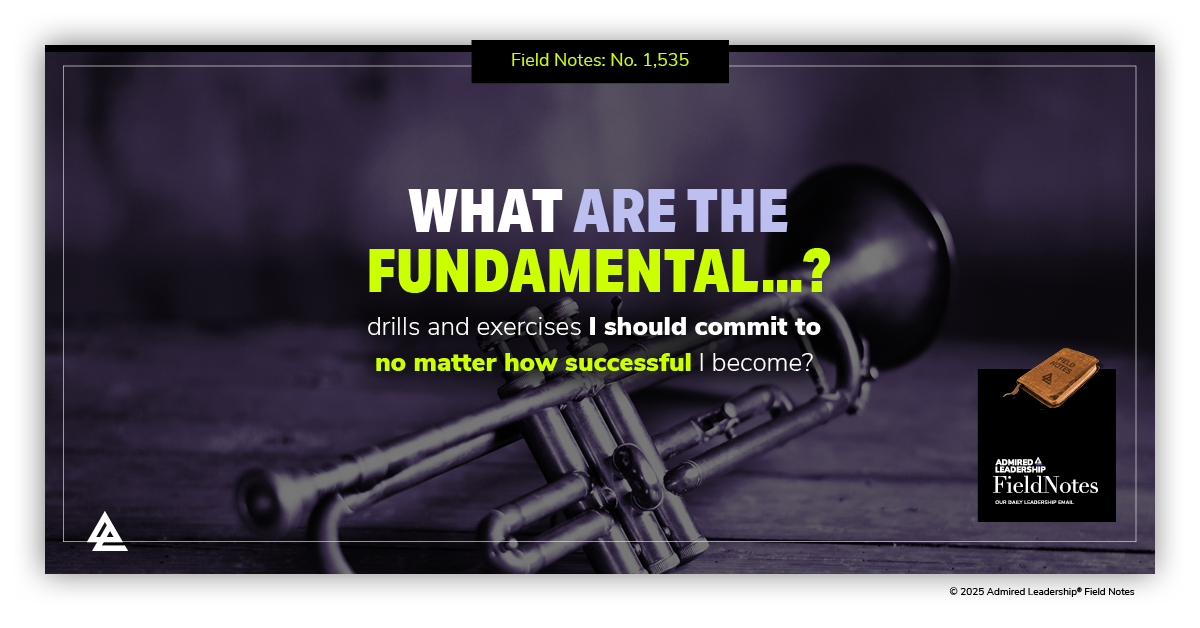
For Top Performers, Practicing Fundamentals Never Gets Old
The question every performer must ask themselves is: What are the fundamental drills and exercises I should commit to no matter how successful I become? The best performers don’t go back to basics for the simple reason that they never abandon them in the first place.
-
If You Don’t Believe Me, Maybe It’s Time to Ask Your Peers
Good leaders are caring, thoughtful, and candid when giving feedback to team members. Through their feedback and advice, they attempt to amplify a team member’s strengths and help them to change or overcome their weaknesses. On occasion, a team member receiving their leader’s feedback disagrees with it and chooses not to act on it. This…
-
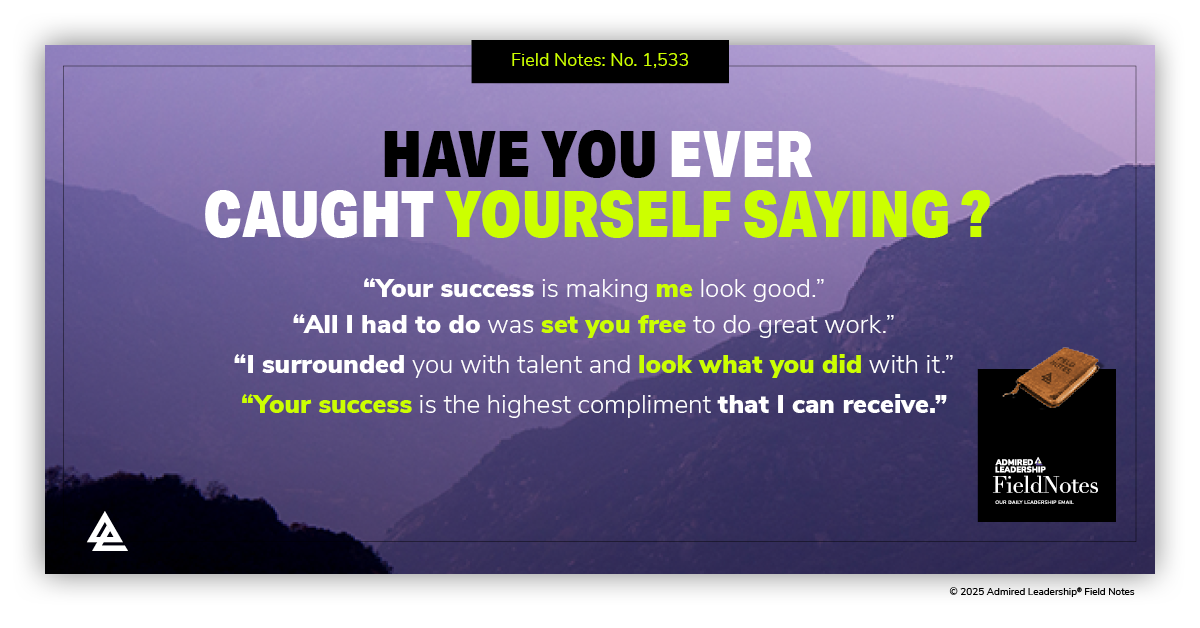
Be Careful Not to Celebrate Yourself When Celebrating Others
Celebrating yourself as you hold up others and recognize their accomplishments is more common than leaders think. The statement, “I knew this would happen when you finally took my advice,” is a prime and common example.
-
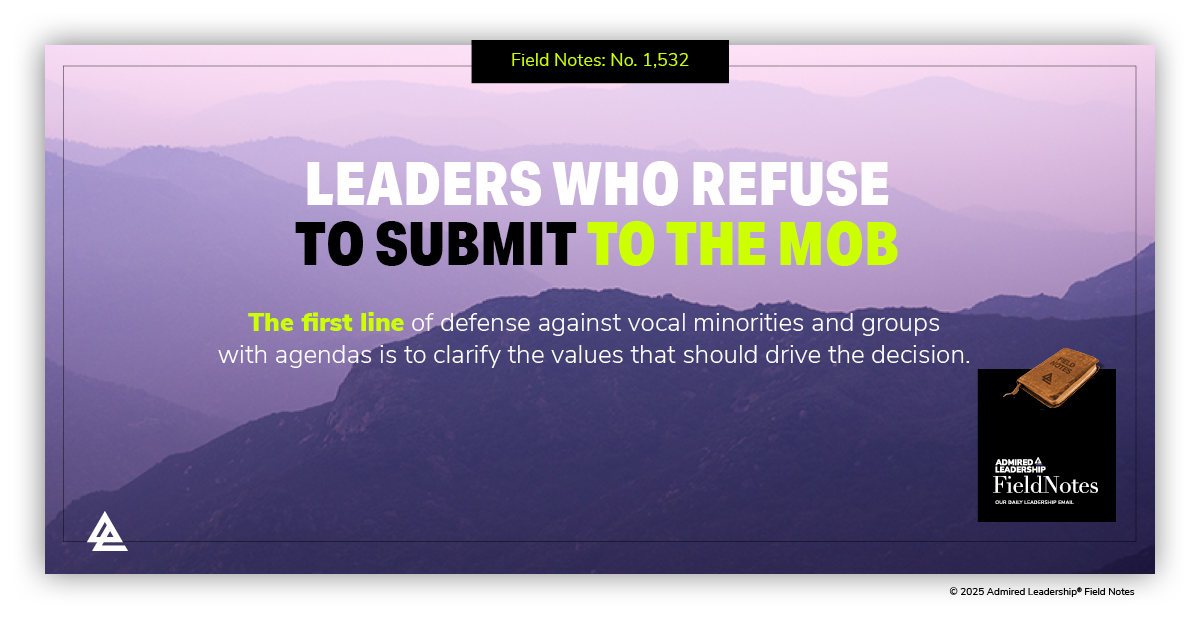
Leaders Who Refuse to Submit to the Mob
Leaders are obligated to make the right call, no matter how unpopular it is or what pressure they face from outside or inside forces. Unfortunately, the pressure to bend to a vocal minority that maintains a persistent drumbeat is often very real and can wear down even the best of leaders.
-
Stop Trying to Fix People
People are shaped by a unique blend of biology, experiences, and environment. Some things about them are highly malleable, while other features are more permanent. In other words, some personal attributes can be changed while other qualities can’t. Understanding this distinction is crucial for leadership success.
-
Keeping Yourself Top of Mind
Keeping Yourself Top of Mind. Smart leaders know the power of a simple reminder. Keeping yourself top of mind with those who can reward you with assignments, contracts, invitations, and projects sometimes makes all the difference.
-
Leaders Who Tease Others Must Be Open to Being Teased Back
People who are fond of each other often engage in good-natured teasing. Mutual teasing expresses closeness and signals that the parties are comfortable with each other and enjoy the mutual exchange of light humor. It often builds and solidifies relationships by displaying affection in a playful way.