




Our daily Field Notes email is just the kind of jumpstart you need. A fast read. Maybe less than a minute. Because sometimes it just takes one insight to change the trajectory of the day.

Search Field Notes
-
Seeking Sweet and Sour Feedback
Leaders new to a team or taking over a new area must listen before they make changes. People want to feel heard. Resistance is magnified any time a leader makes changes before absorbing the views and opinions of the team members and stakeholders. So, good leaders conduct a listening tour, where they meet with individuals…
-

Daily Ritual of High Performers That You Likely Never Heard Of
Productive, talented, and successful people often create habits and rituals that they believe are the secret to their high performance.
-
Let Weighty Decisions Marinate While You Focus on Other Matters
The maxim “people learn to swim in the winter and skate in the summer” reflects perfectly how the human mind works. It also applies to everyday decision-making and problem-solving for leaders.
-

Confident Leaders Must Learn to Hedge
Leaders who are confident in their views and strong in their advocacy often put people on the defensive with their candor. Delivering honesty without emotional regulation is a recipe for intimidation and perceptions of insensitivity.
-
Integrating New Team Members Into the Social Fabric of the Organization
Integrating New Team Members Into the Social Fabric of the Organization
-
When Should You Prop Up a Weak Team Member?
If it’s warranted, supporting or propping up a weak performer is the right thing to do. Three criteria help to clarify the decision.
-
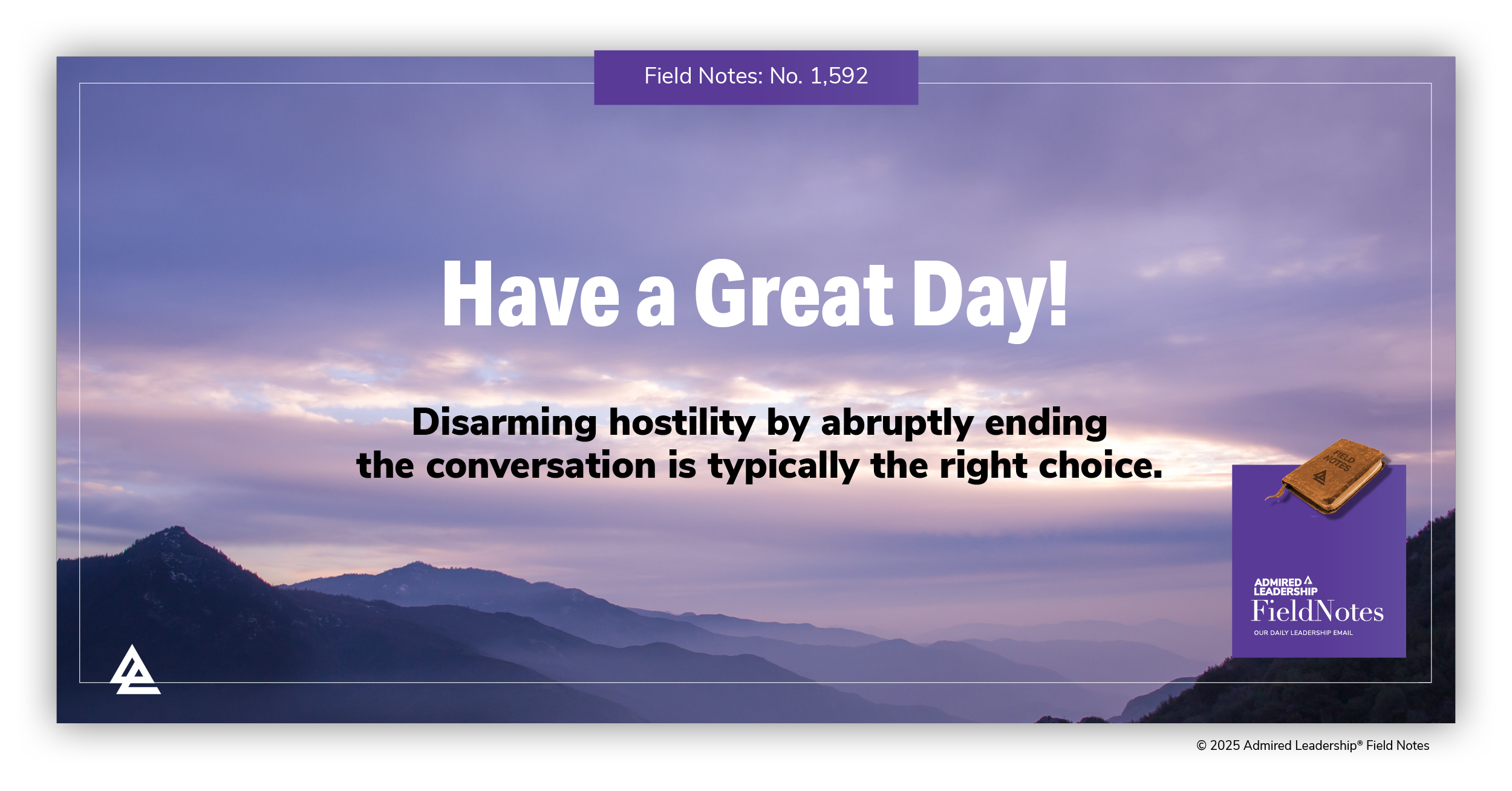
Abruptly Ending a Hostile Conversation
Abruptly Ending a Hostile Conversation
-

A Novel Way to Express Gratitude
A Novel Way to Express Gratitude
-

You’re Doing Great So Far
You’re Doing Great So Far
-

Are You Rewarding Performance Theater Over Real Performance?
Are You Rewarding Performance Theater Over Real Performance?