
Our daily Field Notes email is just the kind of jumpstart you need. A fast read. Maybe less than a minute. Because sometimes it just takes one insight to change the trajectory of the day.
Search Field Notes
-
Good Leaders Develop an Editorial Mindset
To uphold their commitment to quality, good leaders operate as editors. It may be the most important slice of what they do as leaders. As leader-editors, they determine what is important, how to make it understandable, and when it is ready for prime time. Their editing skills apply to decisions, proposals, ideas, messages, and meetings.
-
Can a Team Be Too Stable?
Even good teams and organizations can suffer from attrition and face the challenge of retaining the best talent. Creating a stable group of colleagues can present quite an obstacle in the age of a fast-moving and highly mobile workforce. But the opposite problem can present its own unique set of problems. Some teams and organizations…
-
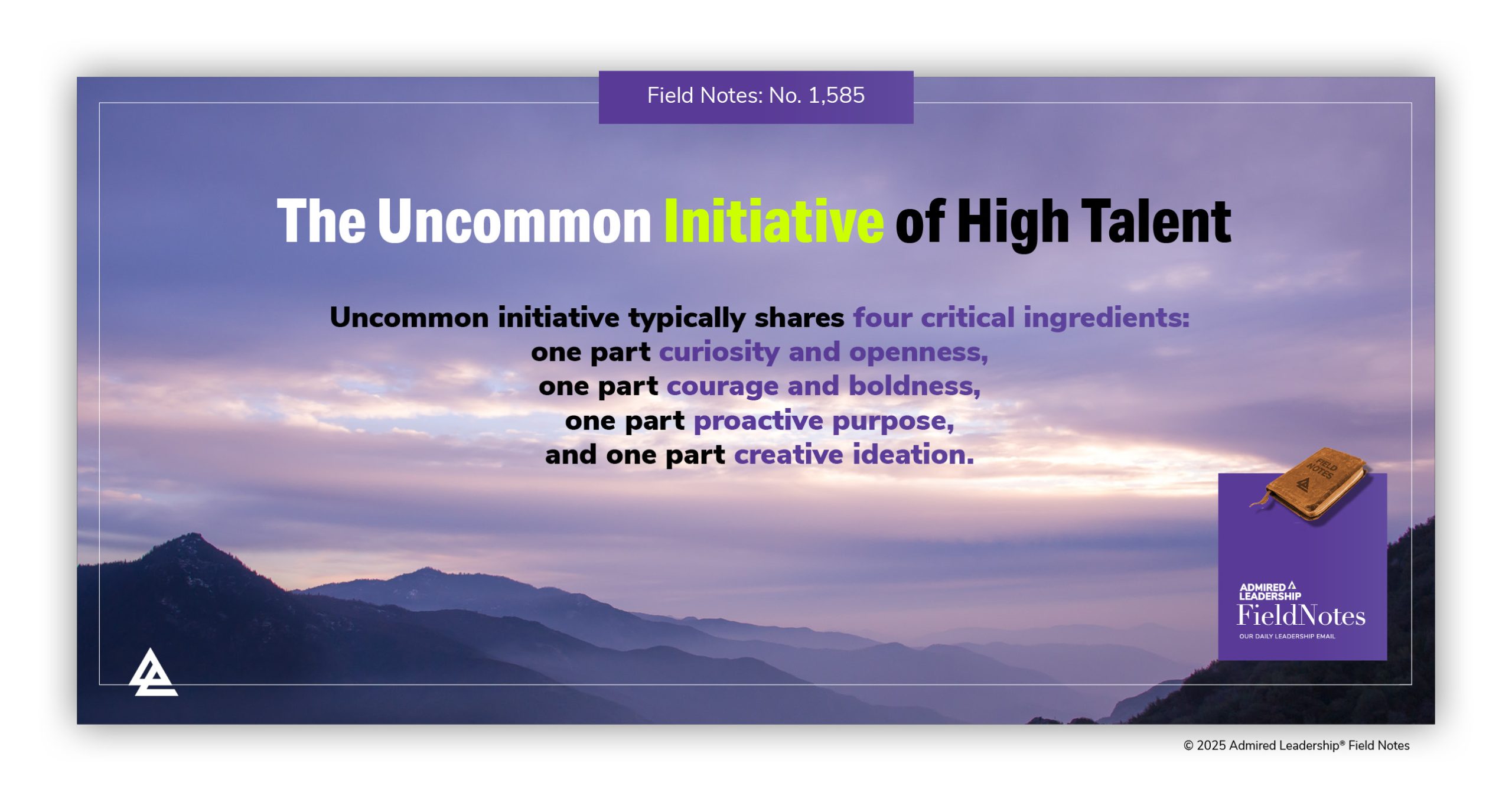
The Uncommon Initiative of High Talent
The Uncommon Initiative of High Talent
-
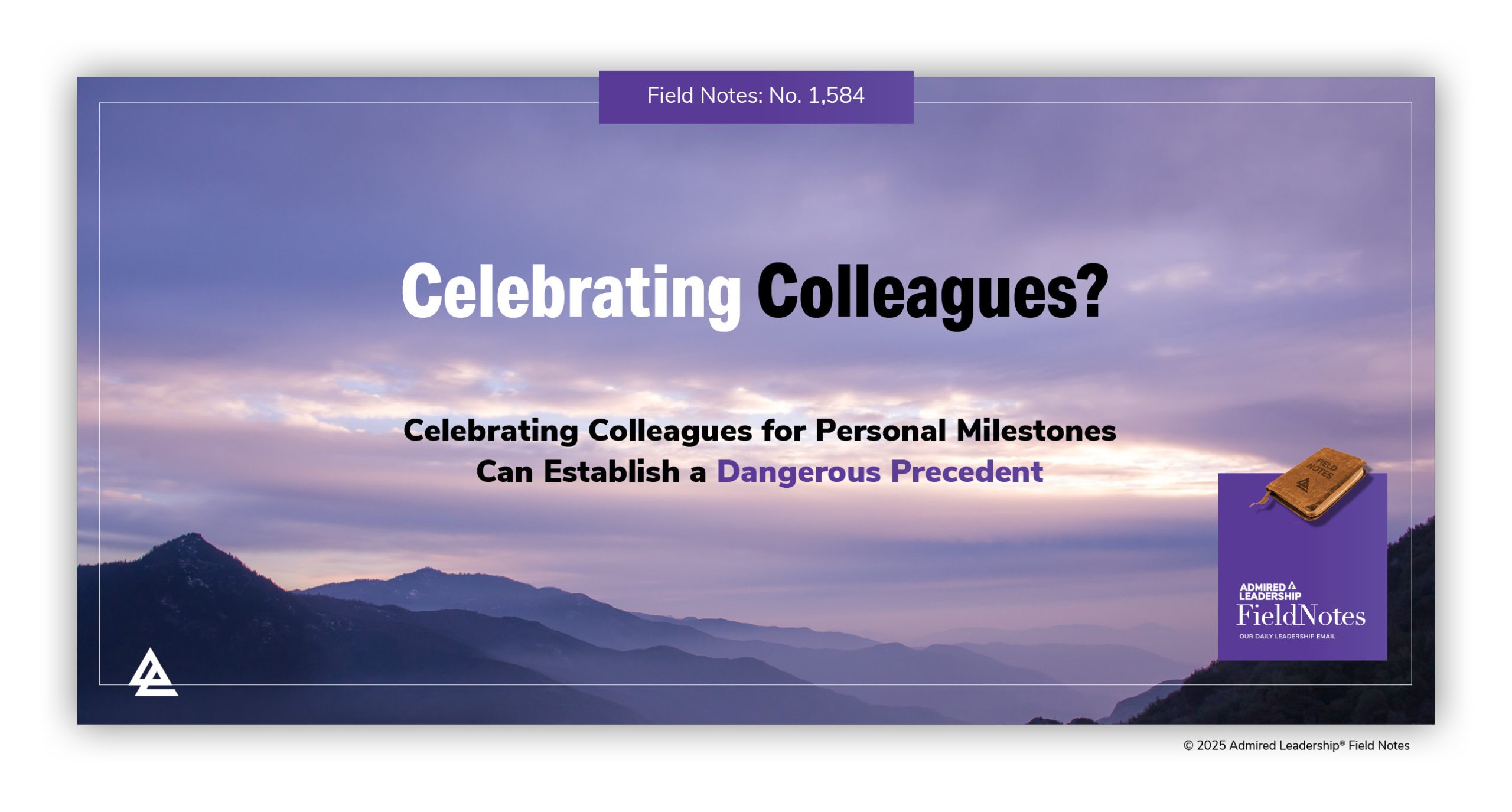
Celebrating Colleagues for Personal Milestones Can Establish a Dangerous Precedent
Celebrating Colleagues for Personal Milestones Can Establish a Dangerous Precedent
-
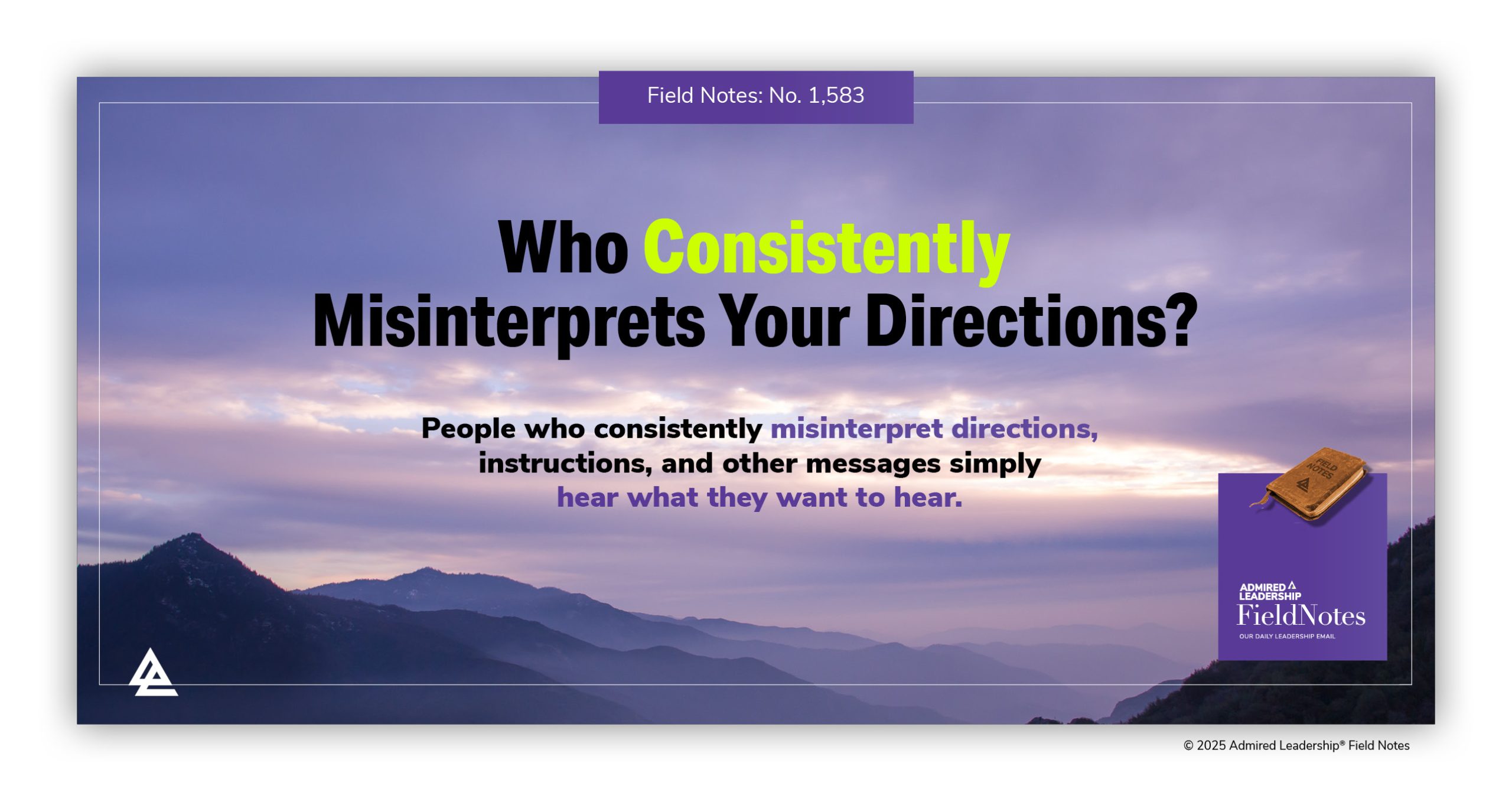
Team Members Who Consistently Misinterpret Your Directions
Team Members Who Consistently Misinterpret Your Directions
-

I Don’t Know Enough to Have an Opinion
Experts are expected to have opinions. So are leaders. People look to leaders for their perspectives, views, feedback, and approaches. They place a premium on the opinions leaders offer. Which is why one of the most important choices leaders make is when NOT to have an opinion. Of course, leaders should refrain from offering an…
-

Leaders Who Discount Long-Term Rewards and Risks
Leaders Who Discount Long-Term Rewards and Risks
-
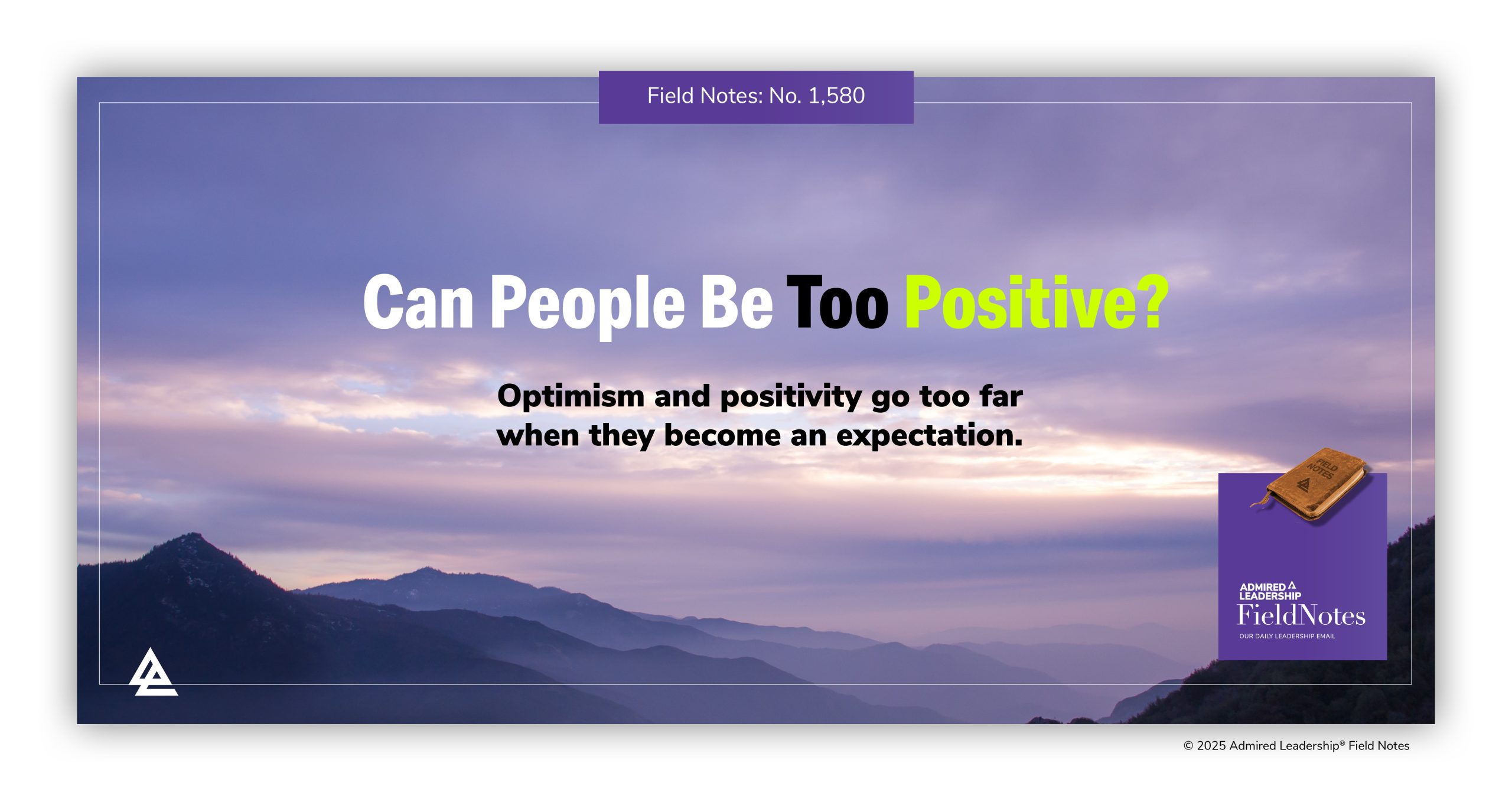
Can People Be Too Positive?
Some people insist on maintaining a positive outlook no matter what reality they confront. When this upbeat attitude becomes excessive, psychologists call it Toxic Positivity. Research suggests it carries a host of negative influences.
-
Are You an Objective Decision-Maker?
In comparison to other decision-makers, leaders viewed as objective are more trusted to reach the best possible decision. Their impartiality and focus on fairness garner them deep respect and promote a view that they are above self-interest and political influence. Not surprisingly, they make better decisions as well.