




FieldNotes
Our daily Field Notes email is just the kind of jumpstart you need. A fast read. Maybe less than a minute. Because sometimes it just takes one insight to change the trajectory of the day.
Search Field Notes
-

Where the Struggle Ends
Research on positive psychology and wellbeing confirms that expressing gratitude amplifies happiness. The writer Neale Donald Walsch said something profound: “The struggle ends when the gratitude begins.”
-
‘I Don’t Belong Here’
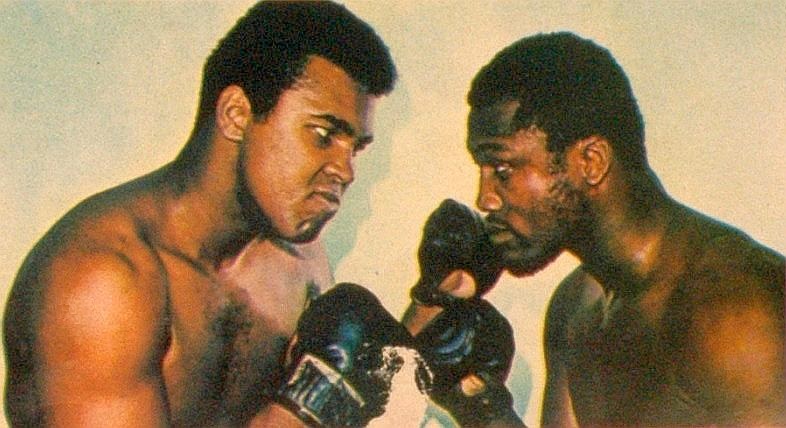
Muhammad Ali fought exclusively upright for over a decade before his nemesis, Joe Frazier, finally knocked him down in the 15th round of their famous fight at Madison Square Garden in 1971. By the time he hit the ground, Ali was behind on points and unlikely to win the match. Instead of staying down, Ali struggled
-

Get the Turkeys Out of Your Life
At the end of their careers, many highly successful leaders describe surrounding themselves with good, talented, quality people as the key to their success. If we are to achieve great things in life and in business, they tell us, we need to “collect” people who are better than we are. People of good character and
-

How Big Is Your Frying Pan?
Championship football coach Nick Saban often asks his team an odd question: how big is your frying pan? Coach Saban is referencing an experience he had once while fishing. He wasn’t getting any bites, yet another angler just upstream was pulling in fish after fish. Saban noticed he was releasing the big fish and keeping
-

Distraction Is Your Daily Opponent
The clutter of distraction gets in the way of great performance — for leaders, and for teams. Distraction is the enemy. It gets in the way of focus. Anything that distracts a leader or a team from focusing on the task at hand is a huge problem. Distractions are everywhere and come in many forms:
-

One Skill at a Time
Former Google CEO and tech titan Eric Schmidt has some advice for those who want to develop their ability to lead others: develop yourself one skill at a time. Dive deep into one functional area of leadership and master it. Then, branch out from a strength. Get great at giving feedback, or running meetings, or
-

Essential Work for Great Leaders
Ask any of the great talk show interviewers—Winfrey, Letterman, O’Brien, Kimmel—and they will tell you that no matter how successful, famous or established the interviewee, they always want to know how they did. After the interview, they all ask the same questions: How did that go? Did I do okay? What did you think? The
-

Experience Can Be Detrimental
Researchers who study survival situations, where decisions determine life and death, stumbled upon a most unusual finding. So surprising is this pattern, they pored through the data on survivors with the hope they were wrong. But, the conclusion became painfully clear: beginners, and those who lack experience in a given situation, normally survive. The seasoned
-

How Not to Emerge as a Leader
The process by which leaders naturally emerge when there is not a designated authority is still somewhat shrouded in mystery. On the other hand, how not to emerge as a leader is perfectly clear and worth remembering: Sit back and watch. Contribute very little to the group discussion. Keep your ideas and opinions to yourself
-

The Hidden Weakness of Close-Knit Groups
Everything has a downside. Even strong team cultures and close-knit relationships. The more cohesive the group or relationship, the more susceptible it is to “groupthink.” The idea of groupthink emerged in social psychology in the 1970s to describe the desire of group members to conform to other members’ opinions. Interestingly, this happens most frequently when