




FieldNotes
Our daily Field Notes email is just the kind of jumpstart you need. A fast read. Maybe less than a minute. Because sometimes it just takes one insight to change the trajectory of the day.
Search Field Notes
-
The Unique Way We Do Things Around Here
Strong team cultures share a common quality. They have a particular way of doing a lot of things. From how they celebrate to how they start meetings, great cultures invent unique ways of doing common activities in an uncommon way. Some of the distinctive ways of doing things arise organically from the creative whim of a
-
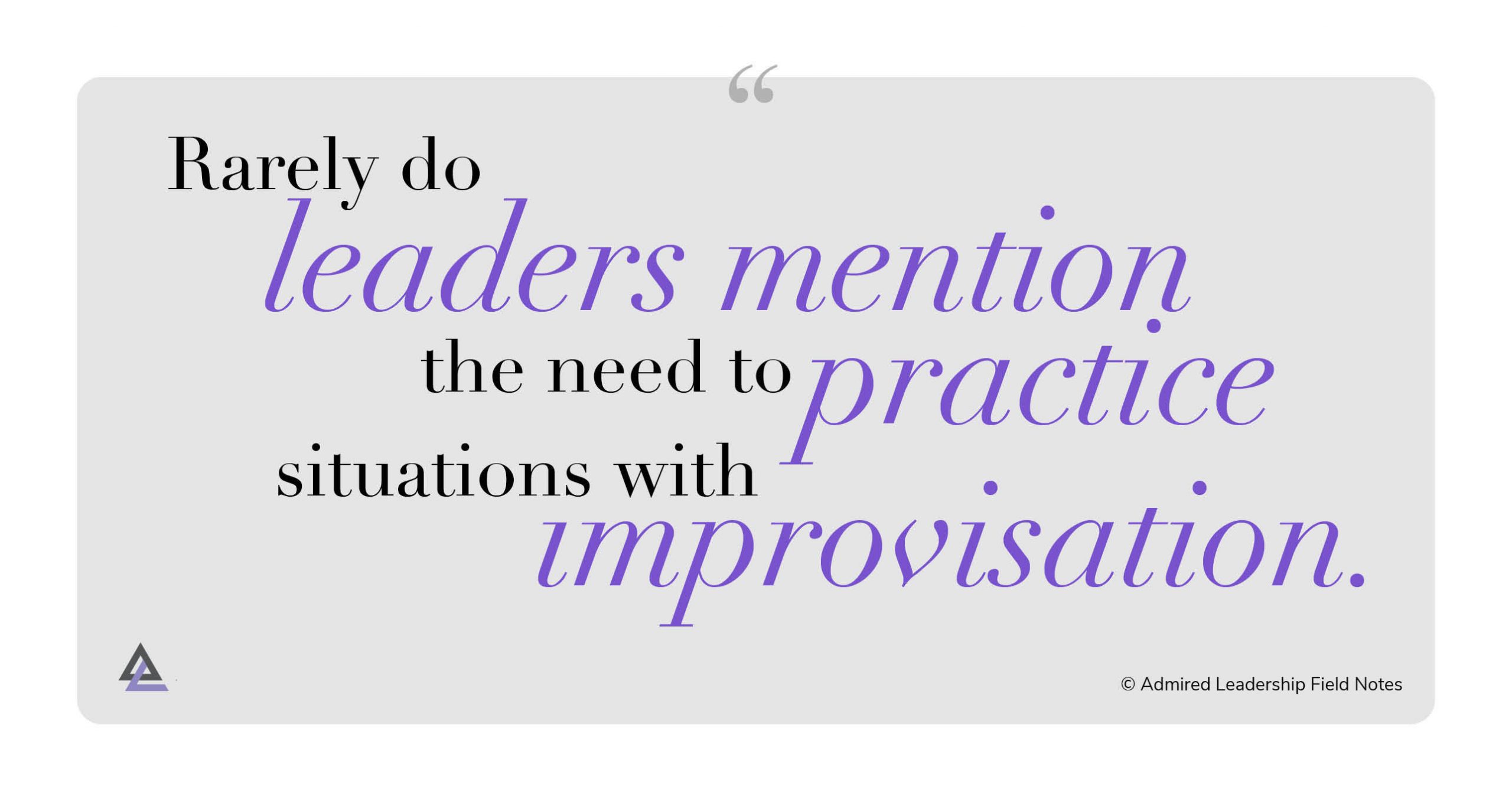
Practice Team Improvisation to Improve Execution
Symbolic events, experiences, and messages provide a rich and nuanced way to communicate complex ideas and emotions. When they convey powerful feelings, they invite people to bring their own interpretations about what is important and essential in life or in the workplace. Symbols work by crystalizing an idea or an emotion by presenting an image…
-
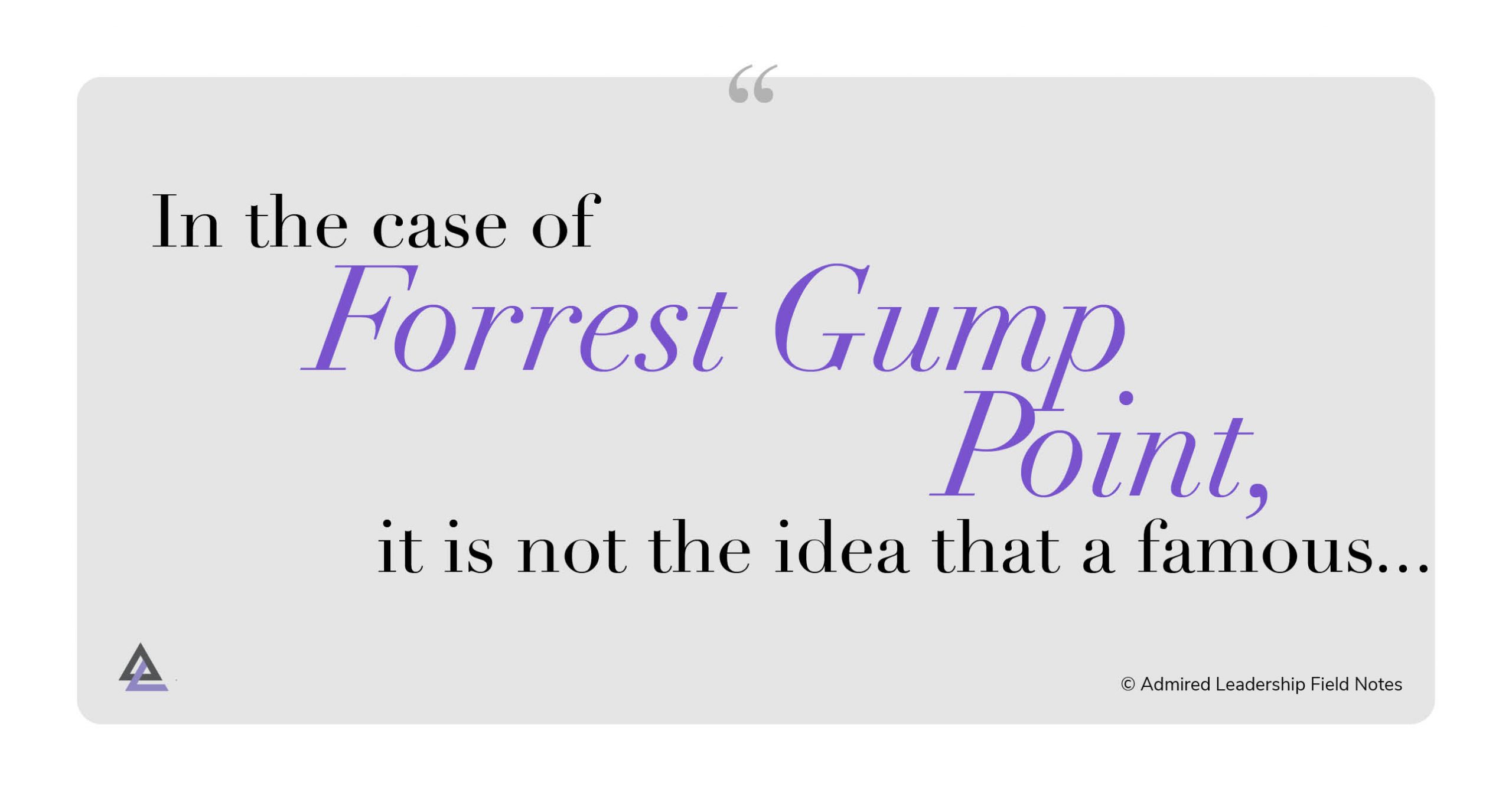
Symbolism and Forrest Gump Point
Symbolic events, experiences, and messages provide a rich and nuanced way to communicate complex ideas and emotions. When they convey powerful feelings, they invite people to bring their own interpretations about what is important and essential in life or in the workplace. Symbols work by crystalizing an idea or an emotion by presenting an image…
-
After a Team Defeat, Be a First Responder
After a major setback, mishap, or defeat, the best leaders don’t immediately act like cheerleaders. Rather, they show up more like first responders. Just as real-world technicians who are trained to respond immediately to an emergency situation, the best leaders are first on the scene after a setback to provide the care necessary for a…
-
How to Scale Leadership Across an Organization
To truly scale leadership, design a program that doesn’t allow leaders to talk at each other. Ever. Instead, create an uninterrupted conversation that invites vibrant debate and discussion about how to lead. Leave the abstract ideas, frameworks, and theories for those executive education classes at universities that are more geared toward passive learning. To scale…
-
Fail Small, Fail Early
Despite the contemporary view that leaders learn more from failure than from success, no one tries to make a habit of failing. Failing is painful and can have significant consequences for future opportunities and decisions. Once confronted with a failure, good leaders do their best to make the best of the insights and learnings that
-
Ground Rules That Promote Open Discussion
Creating open and candid discussion is never easy, especially in large groups. People feel inhibited for a host of reasons, including the fear that what they say may be used against them in the future. That’s why many leaders establish discussion ground rules that work to encourage a more open and honest exchange of ideas.
-
How Organization and Team Cultures Are Defined by Status
Leaders who desire to create a more positive and receptive culture would do well to examine how status gets expressed throughout the organization. The smallest acts are often imbued with implied status, including who makes and controls everyday decisions. Unchecked, status can become an invisible force for darkness inside the workplace. But when pushed down…
-
The Benefits of Two-in-a-Box Leadership
Shared leadership will continue to be an attractive choice in the right settings and organizations. We have long been taught that two heads are better than one. This is only true if together the two are smarter, not just more self-important, than one.
-
Challenging a Strong First Impression
Leaders are generally quite good at taking limited amounts of information and making reasonable inferences. The first impressions leaders have of others, usually coming in just the first few minutes of contact, are often highly accurate. In fact, most leaders will tell you they surprise even themselves with their clairvoyance regarding first impressions. This encourages