




Our daily Field Notes email is just the kind of jumpstart you need. A fast read. Maybe less than a minute. Because sometimes it just takes one insight to change the trajectory of the day.
Search Field Notes
-
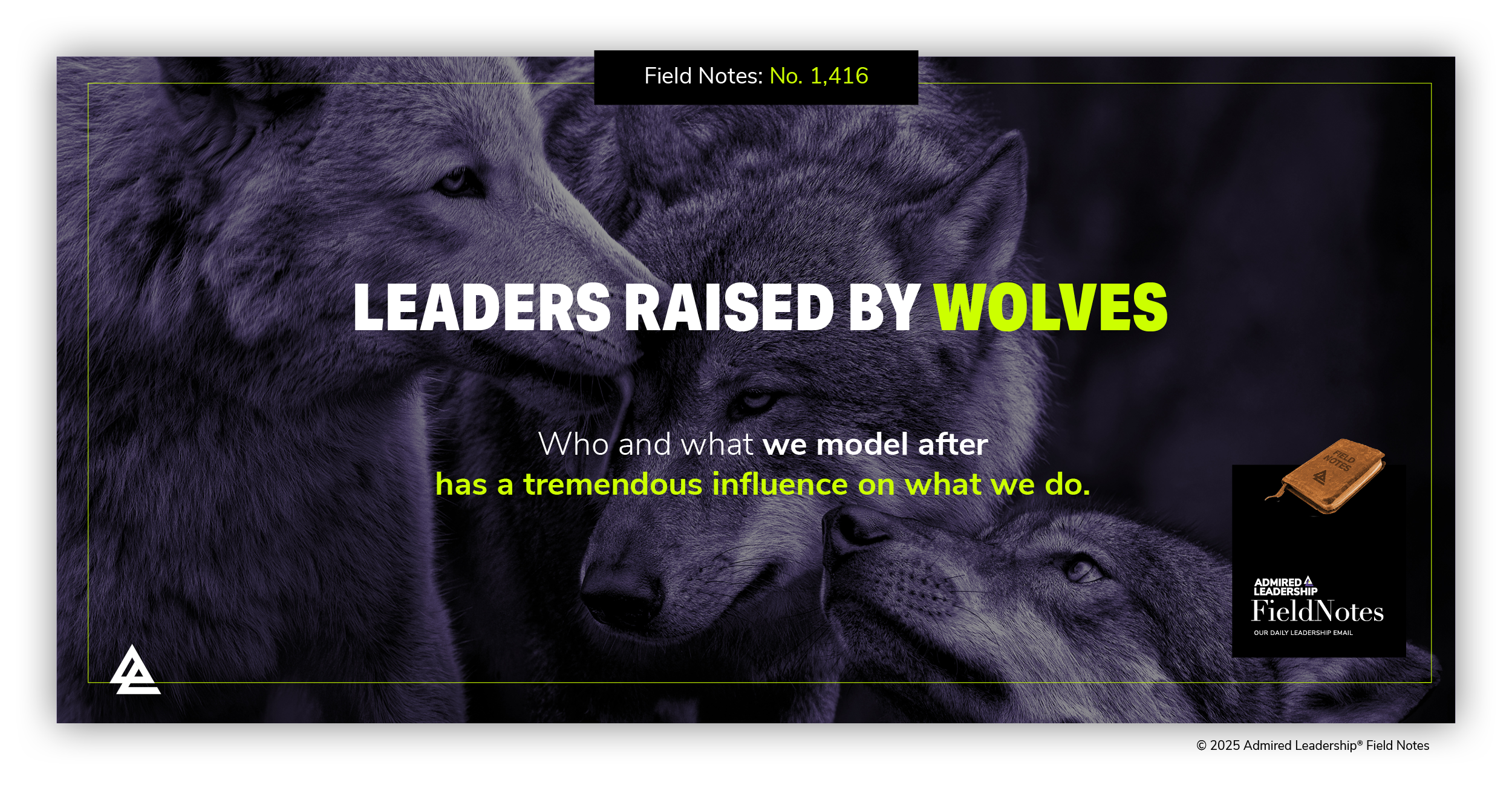
Leaders Raised by Wolves
It’s somewhat astounding how often leaders who play favorites, manage work-life balance poorly, have difficulty delegating to others, and express high emotions when they are frustrated have experienced those same tactics themselves from a leader or role model in their lives. Who and what we model after has a tremendous influence on what we do.…
-
The Downside of Integrity
Leaders with integrity are transparent, fair, and true to themselves. They apply their values and principles consistently to engender trust and respect from others. How can anyone have too much of that? The problem is not that someone can be too honest, fair, or transparent. It’s that they can use the virtue of integrity to…
-
Teams That Reject a New Colleague
New colleagues are not always welcomed with open arms. Some team members don’t feel they had enough input about the addition, while others dread the changes or differences the new colleague will usher in. For teams with a strong culture and close-knit relationships, new colleagues represent a perceived threat that might upset the delicate balance…
-
Seeking Disconfirming Information About a Proposed Decision Will Elevate Conviction, Not Diminish It
Leaders and team members are naturally prone to seek information that confirms their existing beliefs. And ignore evidence that contradicts their views. This Confirmation Bias can severely undermine decision quality by blinding a leader and team to accept a false or incomplete reality. To counteract this bias, good leaders actively seek disconfirming information to create a more balanced and…
-
Closing in on Success, Performers Crave Near-Win Feedback
When performers, athletes, or team members almost achieve a desired outcome but fall just short, it is critical for leaders to provide just the right feedback that will inspire greater effort for the next performance. People naturally experience a motivational boost when they are on the edge of success, as a sense of hope and…
-
Leaders Who Blame and Shame
Leaders depend on the team and specific team members to do their jobs and get things done. Priorities shift, but to achieve the outcomes everyone wants, team members must execute on what needs to be done. Unfortunately, this execution doesn’t always happen to the satisfaction of the leader. Sometimes, the quality or effort is low.…
-
When a “Complete Baller” Won’t Talk About It
Tom Kim is one of the best golfers in the world. Kim is currently ranked 36th and played all four days of the Master’s Golf Tournament last weekend. Kim’s playing partner on Saturday morning was a stand-in. You couldn’t find the guy’s name in the tournament program, and he wasn’t permitted to give interviews. His…
-
Leaders Who Awkwardly Overshare About Themselves
Some leaders can’t stop themselves from disclosing too much. They make others feel awkward and uncomfortable whenever they share too many personal issues and details. They may mistakenly believe people will feel more connected to them, or perhaps they share too much to elicit sympathy or caring. Whatever the case, when leaders reveal too much…
-
Beware of Frenemies
Colleagues, peers, team members, and leaders come in all sizes, shapes, and motivations. Some can be trusted, and some can’t. Others can be counted on to agree, while some will always take an oppositional view. Knowing the motivations of those who surround you is critical to your long-term success. The world would be a better…
-
Using Identities to Elevate Team Member Engagement
The best team members rise to the occasion and engage more enthusiastically, while others go through the motions and do what they have always done. To increase the odds that team members will embrace their calls for action with more vigor and enthusiasm, great leaders have learned a secret. They turn their requests for action…