




Our daily Field Notes email is just the kind of jumpstart you need. A fast read. Maybe less than a minute. Because sometimes it just takes one insight to change the trajectory of the day.

Search Field Notes
-

Your Feedback Beat Me Up
Negative feedback and criticism can sting. When anyone hears commentary that places their behavior or performance in a negative light, it can be shocking, especially if the criticism is unexpected or contrasts with what they believe is true. Feedback can evoke strong emotions when it touches upon personal insecurities or areas people feel strongly about. …
-

Maybe Catch a Spark
In the film A Complete Unknown, a fictionalized depiction of the early years and musical coming of age of Bob Dylan, a young Dylan visits a psychiatric hospital where his idol Woody Guthrie is suffering from Huntington’s disease. In the movie, Dylan shows up at the hospital unannounced. He not only gets to meet Guthrie…
-
Elevating the Gravity of the Matter
To foster high team performance, leaders set priorities and direct the team to focus on issues that have the biggest impact on long-term success. But with so many ongoing projects, initiatives, and tasks, it is sometimes hard to break through the noise and elevate the urgency and importance of a particular issue without causing concern…
-
Organizational Values Rarely Change But How they Apply Might
The best organizations in the world share a common feature. They have a long-standing commitment to a core set of values and principles that guide the enterprise and help it to navigate the many challenges and opportunities inherent in a fast-changing marketplace. In many cases, these values have stood the test of time over decades…
-
Leaders Who Manage Others Poorly by Email
Email is a highly effective and efficient tool for sharing information. But it is a lousy medium from which to lead others. Leaders who depend on email to direct the team, encourage higher performance, send praise and admonishments, share feedback, and communicate strategy make a big mess of things. Because it lacks the social, visual,…
-
Cultivating the Image of a Sage
Almost every team or organization has one. The colleague who doesn’t say much in most discussions. They sit back and watch while everyone else debates a topic or pounds out a conclusion or decision. They only enter the fray when they have something very special to say. Because what they offer is usually different and…
-
Great Leaders Curate Excellence
Leaders organize and develop their collections so others can find utility in them. They share their collections so others can learn from them and know exactly where to go to find quality. Great leaders curate excellence. What exemplars of excellence should you be curating?
-
Leaders Who Add Too Much Value
Leaders naturally want to contribute their views and ideas in conversations and meetings. Their desire to show up as smart, well-informed, and insightful compels them to express their candid views whenever they get the chance. The more passionate they are about a subject or topic, the more they want to add value to the discussion,…
-
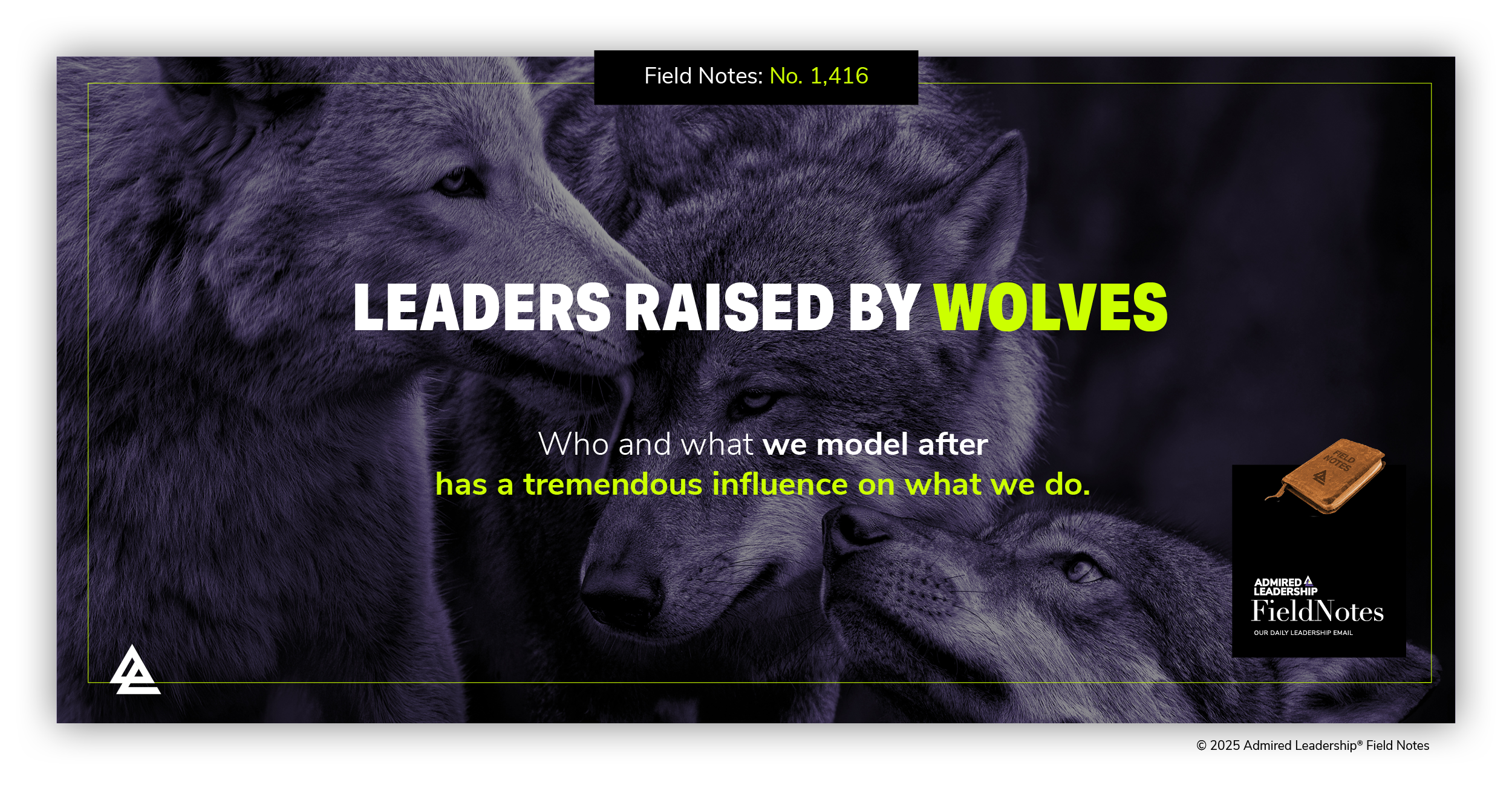
Leaders Raised by Wolves
It’s somewhat astounding how often leaders who play favorites, manage work-life balance poorly, have difficulty delegating to others, and express high emotions when they are frustrated have experienced those same tactics themselves from a leader or role model in their lives. Who and what we model after has a tremendous influence on what we do.…
-
The Downside of Integrity
Leaders with integrity are transparent, fair, and true to themselves. They apply their values and principles consistently to engender trust and respect from others. How can anyone have too much of that? The problem is not that someone can be too honest, fair, or transparent. It’s that they can use the virtue of integrity to…