




Our daily Field Notes email is just the kind of jumpstart you need. A fast read. Maybe less than a minute. Because sometimes it just takes one insight to change the trajectory of the day.
Search Field Notes
-
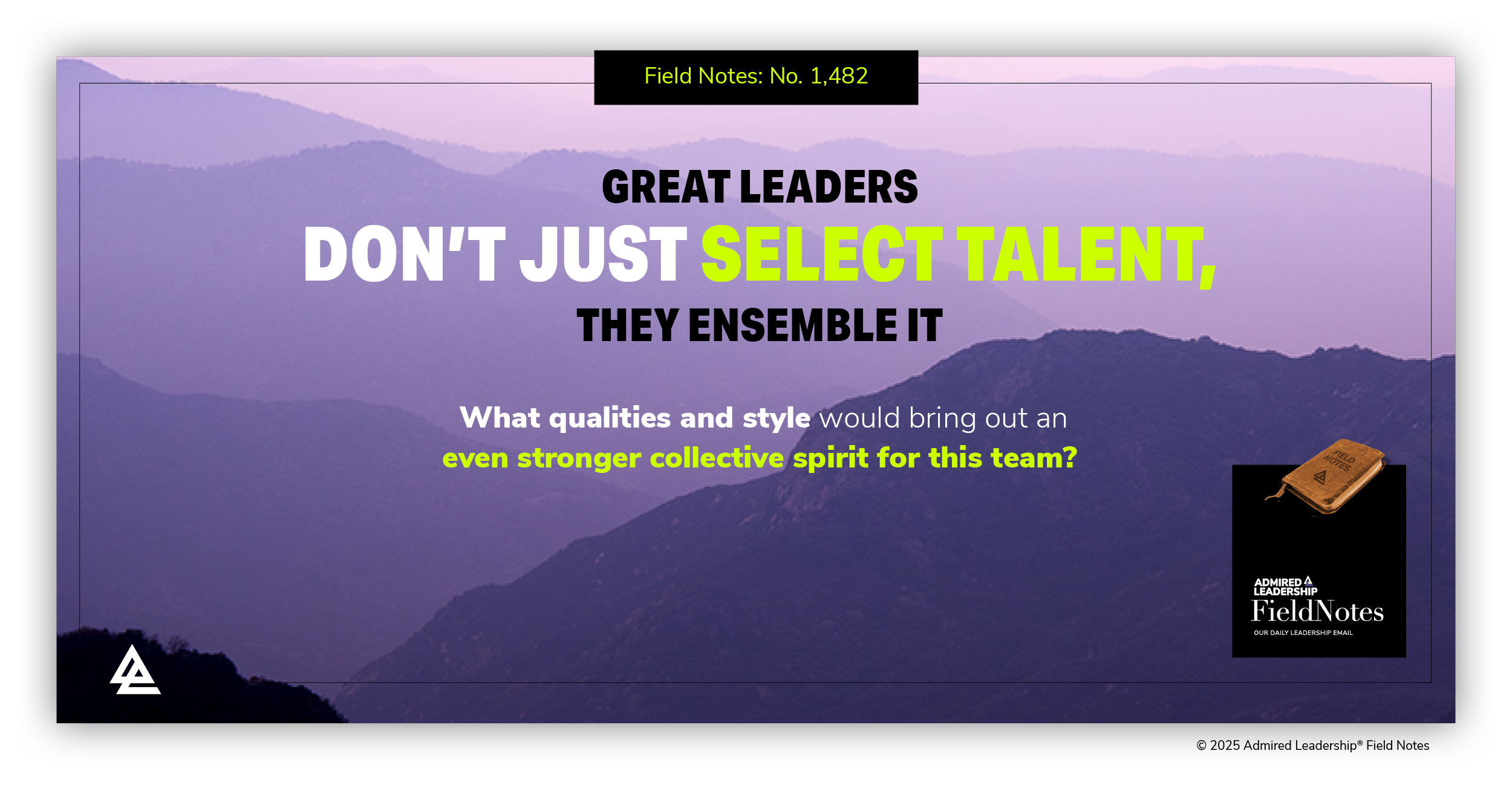
Great Leaders Don’t Just Select Talent, They Ensemble It
Some leaders are great judges of talent. Using their deep experience and a well-developed template of salient qualities, they focus on attributes others miss or overlook. Through questions, observations, and secret tests, they spot extraordinary potential before anyone else does, sometimes even before the performers themselves. Their track record for selecting outstanding performers is plainly…
-

How Flat Should Your Organization Be?
Organizations of every kind get things done by assigning specific roles and responsibilities to specific people. In order to ensure that team members know what is expected of them and are held accountable for results, organizations create layers of hierarchy.
-

Why Some People are Clutch
When we think of a clutch performance, we often imagine a sports setting where an athlete shows up well under extreme pressure. But clutch performance isn’t reserved for sports. It occurs in organizations and teams as well.
-
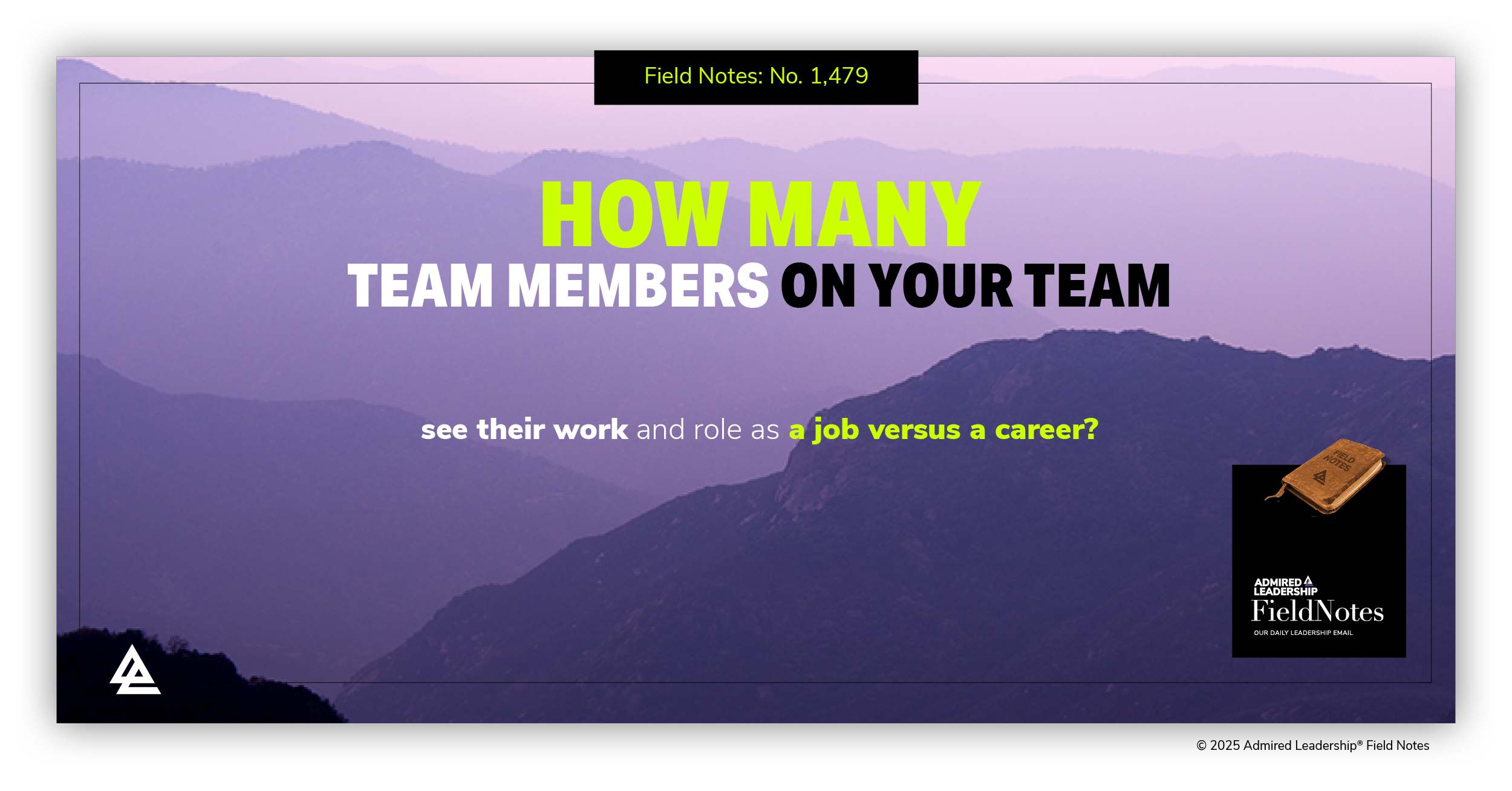
Team Members Who See their Role as Just a Job
Team members who view their work and role as a job operate very differently from those who see their current position as a stepping stone in a career. Career-minded team members invest more emotional energy in their work, develop their skills more aggressively, engage with work and colleagues more actively, and take more pride in…
-
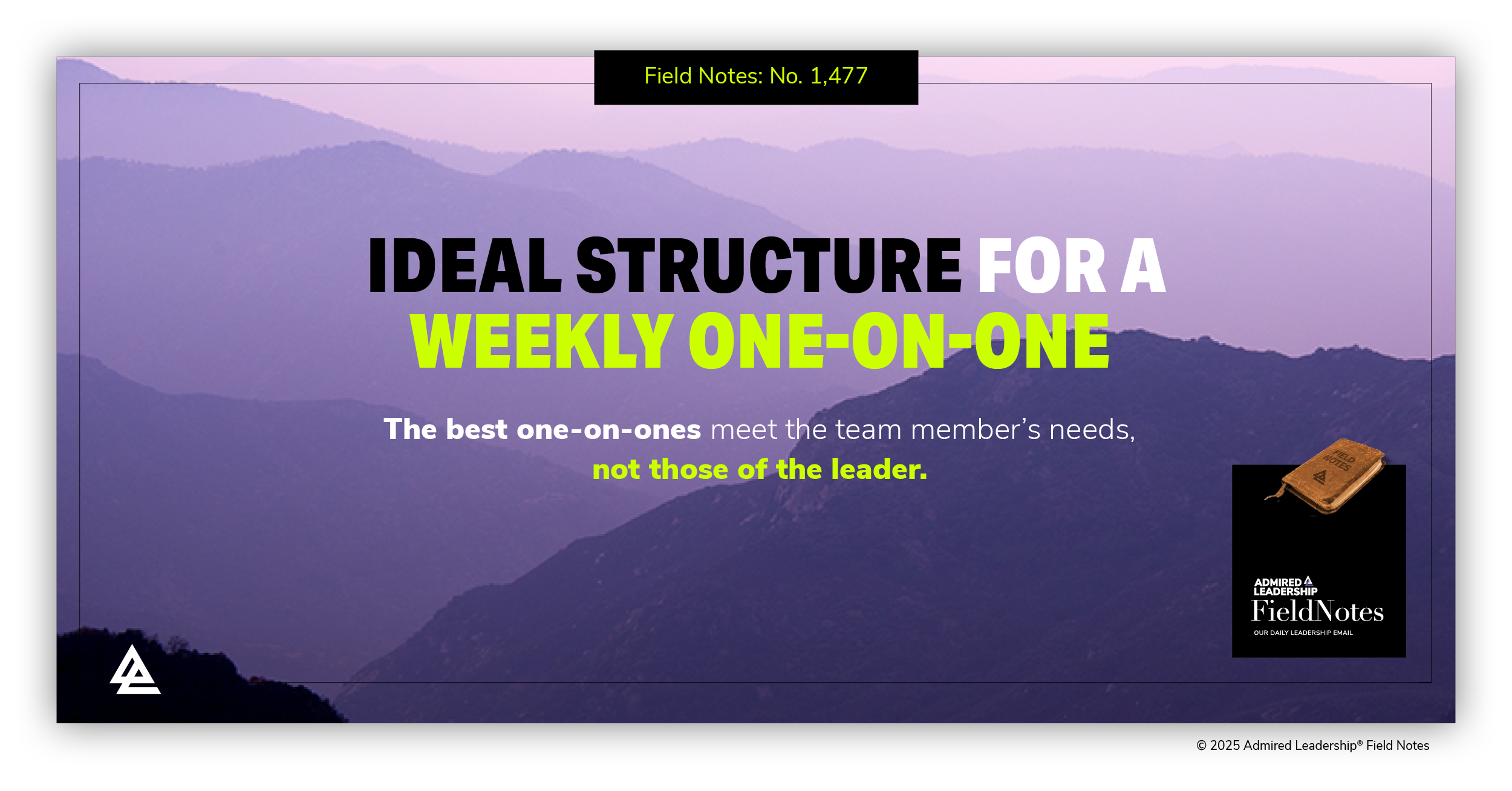
What Should I Discuss at My One-on-Ones?
Size undoubtedly matters when it comes to making an organizational change, for no other reason than the complexity involved with more people.
-
Does Size Matter When It Comes to Organizational Change?
Size undoubtedly matters when it comes to making an organizational change, for no other reason than the complexity involved with more people.
-
Fighting the Cancer of a Recklessly Negative Attitude
One of the strangest laws of attraction exists in the workplace. It’s simply astonishing how quickly the lowest performers find each other. They seek each other out for validation, effectively forming a cabal of complaints and grievances.
-
Investing in a Library of Experiences
When it comes to talent development, three essential investments stand out for their impact: best practice, assessment, and experience. Everything else pales in comparison.
-
I’m Surprised
Leaders who express disappointment in people can unintentionally create a tsunami of doubt and insecurity. When leaders prefer not to be so direct, it becomes challenging to offer criticism without causing alarm.
-
Challenges That Grow People Best
Good leaders stretch people. They provide opportunities and experiences that require new thinking, skills, and behaviors. They design or offer challenges that require sustained effort and that reward experimentation and initiative. They know people grow fastest when they operate with autonomy. So they design challenges that require independent decision-making.