




FieldNotes
Our daily Field Notes email is just the kind of jumpstart you need. A fast read. Maybe less than a minute. Because sometimes it just takes one insight to change the trajectory of the day.
Search Field Notes
-

Don’t Pay a Bad Mood Forward
Unexpected negative episodes can put any leader in a sour mood. No one is immune to having their attitude altered by events that unfold in an unpleasant way. The only question is how long leaders let a gloomy moment endure. There are 86,400 seconds in each day. It’s amazing how many leaders allow 30 unfavorable
-
Teasing People to Send a Message
When feedback is repeatedly ignored by a long-standing colleague, it may be time to pull out a different rabbit from your bag of tricks. Teammates who fail to respond or course correct after consistent feedback need a stronger message. While confrontation may work to pry them loose from their resistance, many leaders take an entirely
-

The Defensive Attribution of Poor Performers
Good leaders can only rarely convince low performers that they hold a highly inaccurate view of themselves. Persuading a weak performer that they own their results just like everyone else is a bridge too far. Poor performers become deeply committed to the idea that factors beyond their control explain their weak output. Attempting to shake…
-
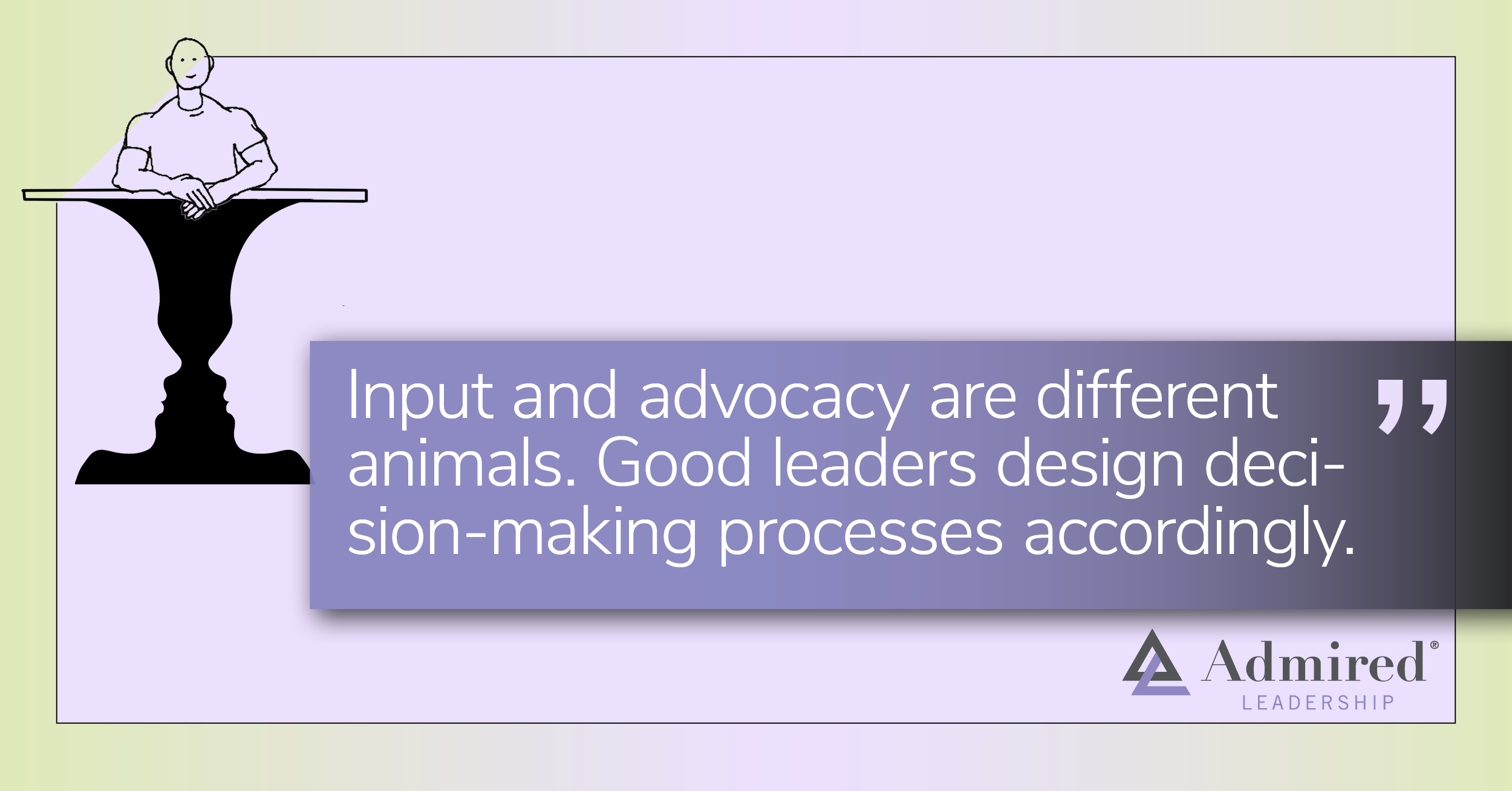
How Do I Get a Seat at the Table?
Too many voices yield low-quality decisions. Yet, the desire to include strong performers in the process is of real interest and concern. The best leaders solve this dilemma by distinguishing between input and advocacy within the organization and team. When team members offer input, they do so up against a problem or opportunity of importance.…
-
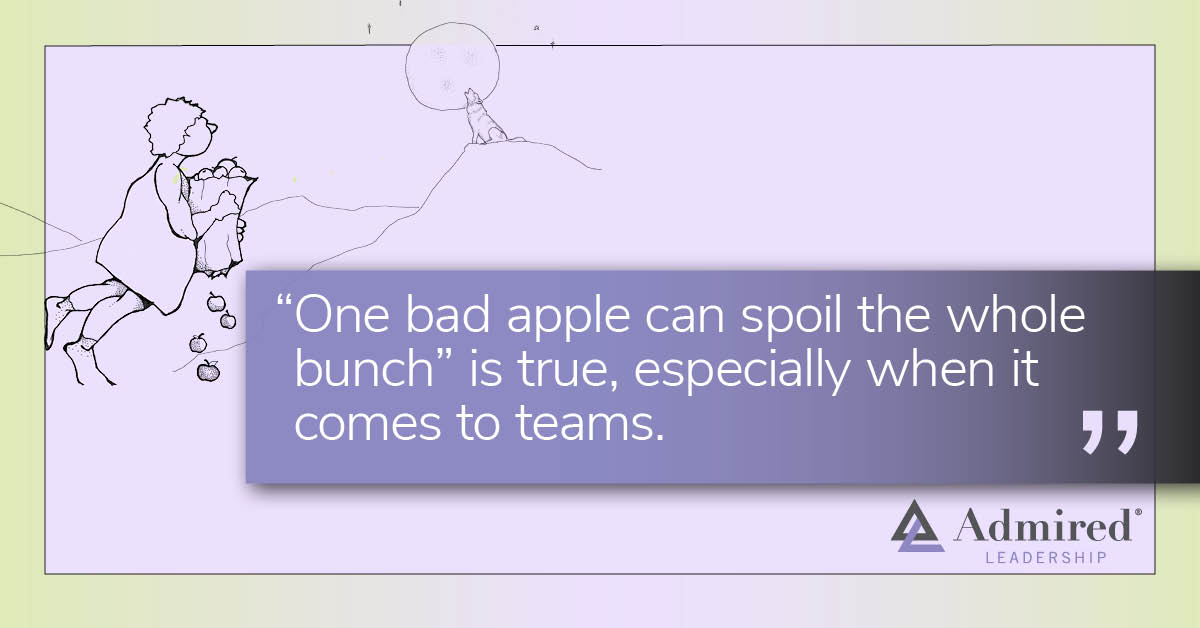
When a Disgruntled Colleague Infects the Team
As it turns out, the adage “one bad apple can spoil the whole bunch” is true, especially when it comes to teams. Because we overweigh negative information and are open to counterarguments, negativity in the workplace can quickly become contagious. It only takes one loud voice away from the table to raise the doubts and…
-

Why Are the Smartest People Such Poor Listeners?
Instead of waiting for their turn to offer a view, the best leaders listen deeply to others without forming an opinion or thinking about their own counterarguments. Listening for analysis and empathy are very different ways to understand people and problems. It doesn’t take a rocket scientist to know we can never do both at…
-
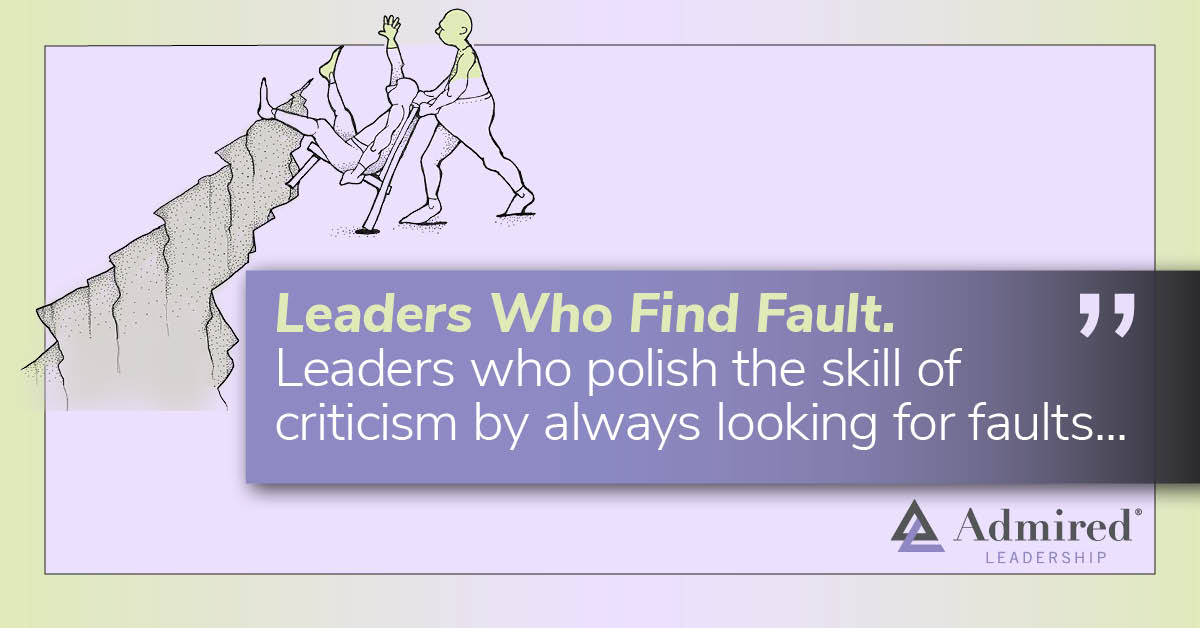
Leaders Who Find Fault
Working with highly critical leaders is an unpleasant experience. Leaders who polish the skill of criticism by always looking for faults do little to improve performance or enhance the skills of others. Too bad they don’t understand how much their constant criticisms actually detract from what they are seeking. Highly critical leaders reap what they…
-
What’s Taking You So Long to Decide?
Leaders who remain steadfast in their commitment to keep their options open usually make better decisions. By waiting for the last possible moment to make a major decision, good leaders show respect for the changing marketplace and prevent committing to a path destined for failure. Optionality also allows them to account for the implications and…
-
Why Incompetent People Are Promoted in Organizations
Good organizations and teams have learned an important lesson. The best way to prevent the Peter Principle is to offer skill training, coaching, and mentorship promoting people. Using skill development as a prerequisite to promotion encourages an honest conversation about who is, or is not, ready for the next role. Of course, leaders must first identify…
-
Is Everything Okay?
Whenever a leader notices a pronounced change in attitude or performance, the smart strategy to explore it is to ask a caring question: Is everything okay? Such a question opens the door for the colleague to share whatever they feel comfortable with. No matter the depth of the disclosure, leaders will typically learn if something…