




Our daily Field Notes email is just the kind of jumpstart you need. A fast read. Maybe less than a minute. Because sometimes it just takes one insight to change the trajectory of the day.
Search Field Notes
-

I’m Bad With Names
A person’s name is the most important word in the language — to them. Leaders who have trouble remembering the names of those they meet have one of two issues. Either they don’t really care about the people they are meeting, or they are too focused on the introduction to listen attentively to the name. They know…
-

Thinking in First Principles
The deeper a leader digs into a problem using this type of thinking, the more fundamental truths and assumptions are exposed. Great leaders, decision-makers, and entrepreneurs use first principles thinking to plot a new course and create entirely new solutions to age-old problems. Musk’s daring innovations across a number of industries speak to the power…
-
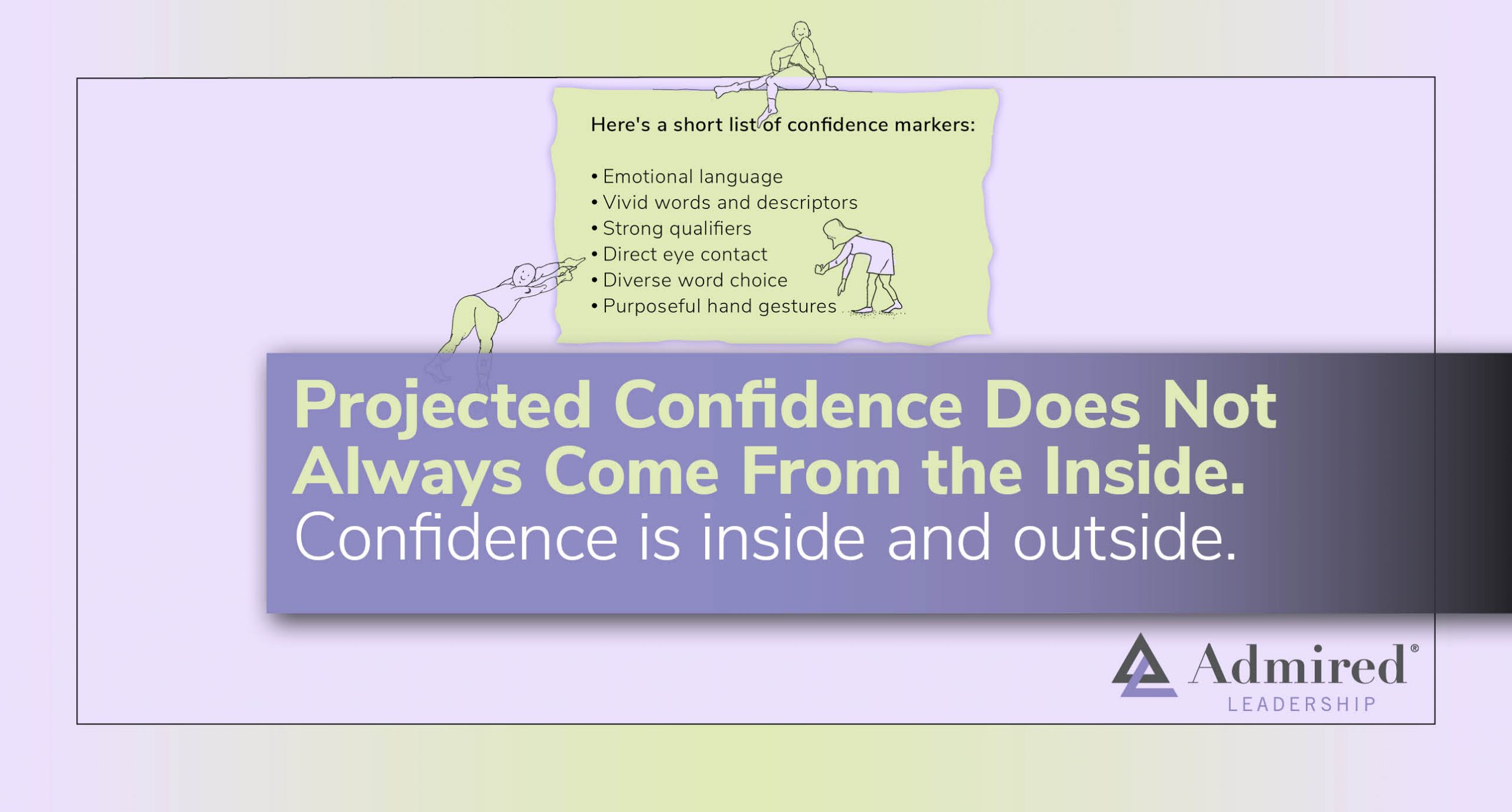
Projected Confidence Does Not Always Come From the Inside
Learning to use the markers of confidence intentionally is something all good leaders should invest in. Here’s a short list of confidence markers: Emotional language Vivid words and descriptors Strong qualifiers Direct eye contact Diverse word choice Purposeful hand gestures When we are truly the expert, we use these cues profusely.
-
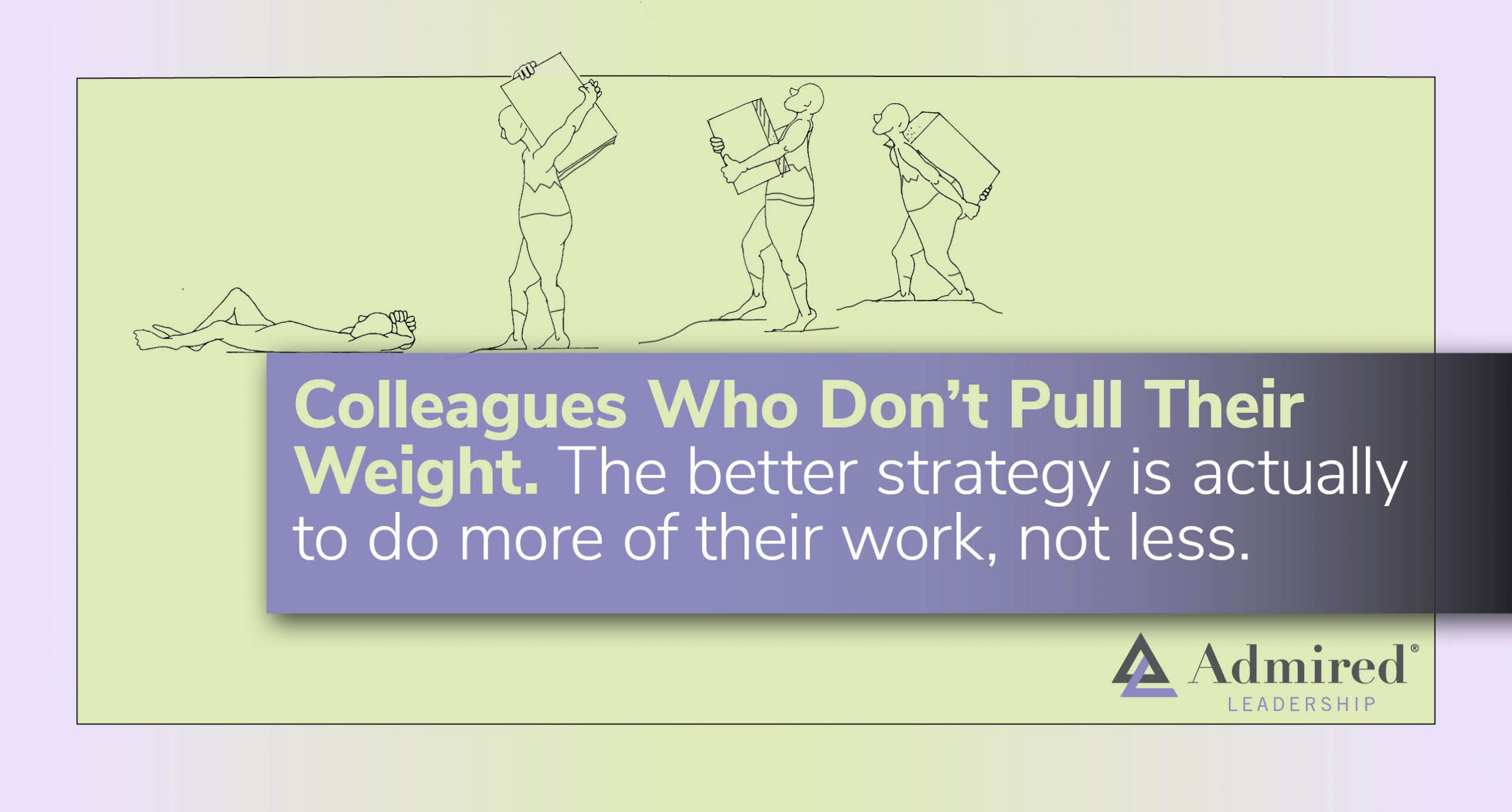
Colleagues Who Don’t Pull Their Weight
In the words of a comic, the worst part of doing nothing is you never know when you’re finished.
-
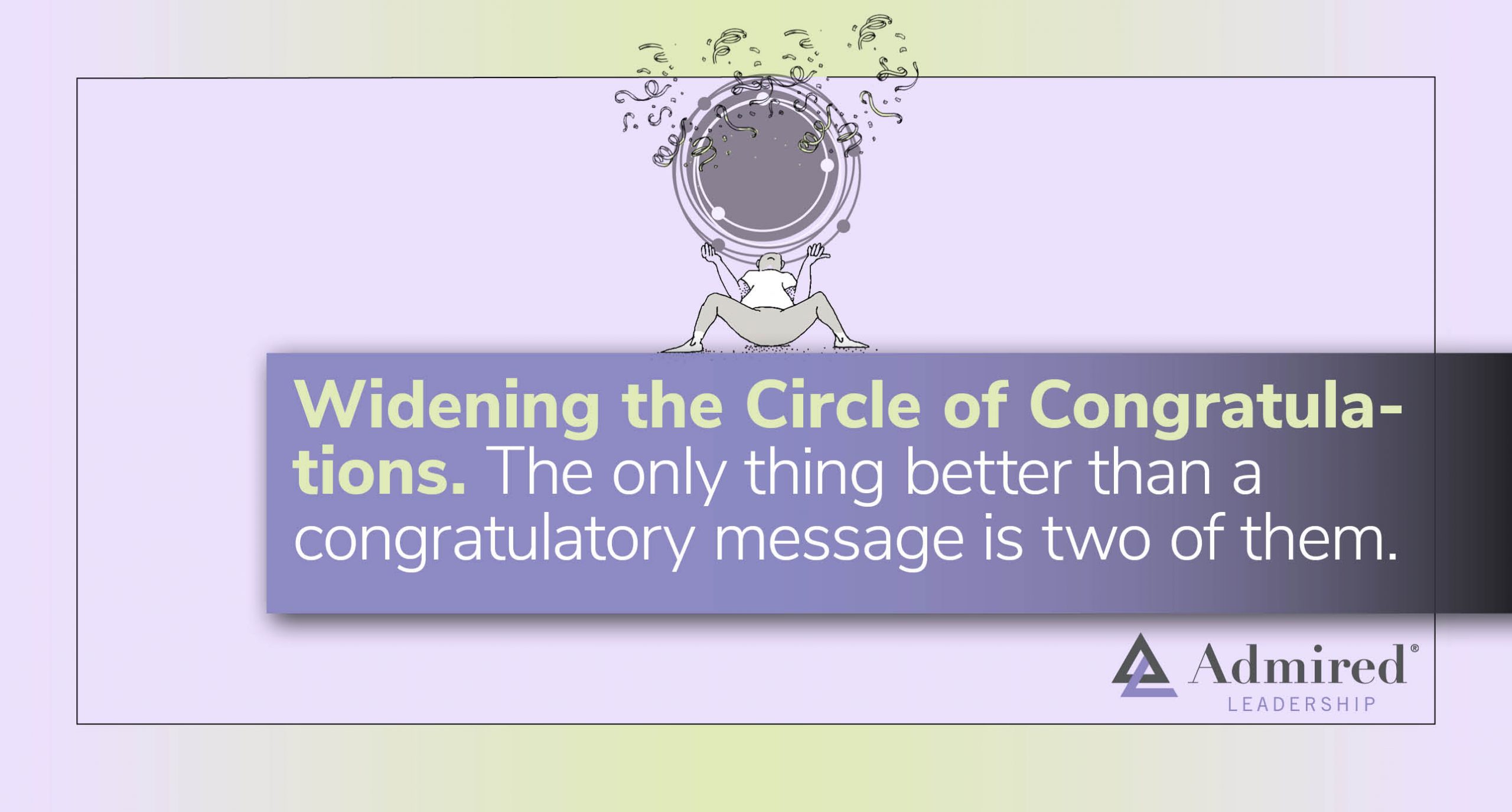
Widening the Circle of Congratulations
The next time you congratulate a colleague, friend, or client for achieving an important milestone, consider widening the circle of congratulations by including others in your message. Once leaders expand who knows about the good news, congratulations pick up speed. The only thing better than a congratulatory message is two of them.
-
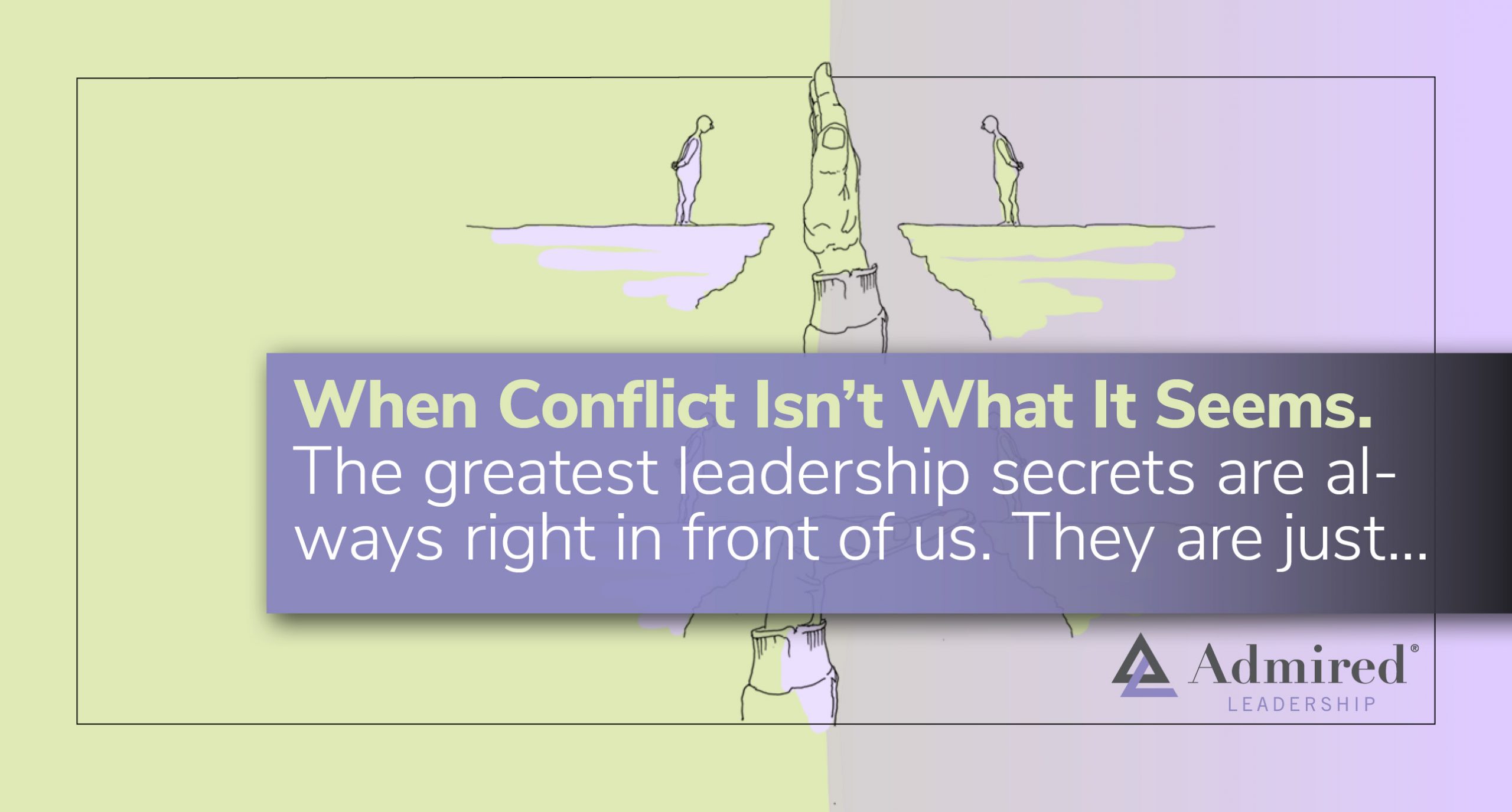
When Conflict Isn’t What It Seems
The greatest leadership secrets are always right in front of us. They are just hard to see.
-
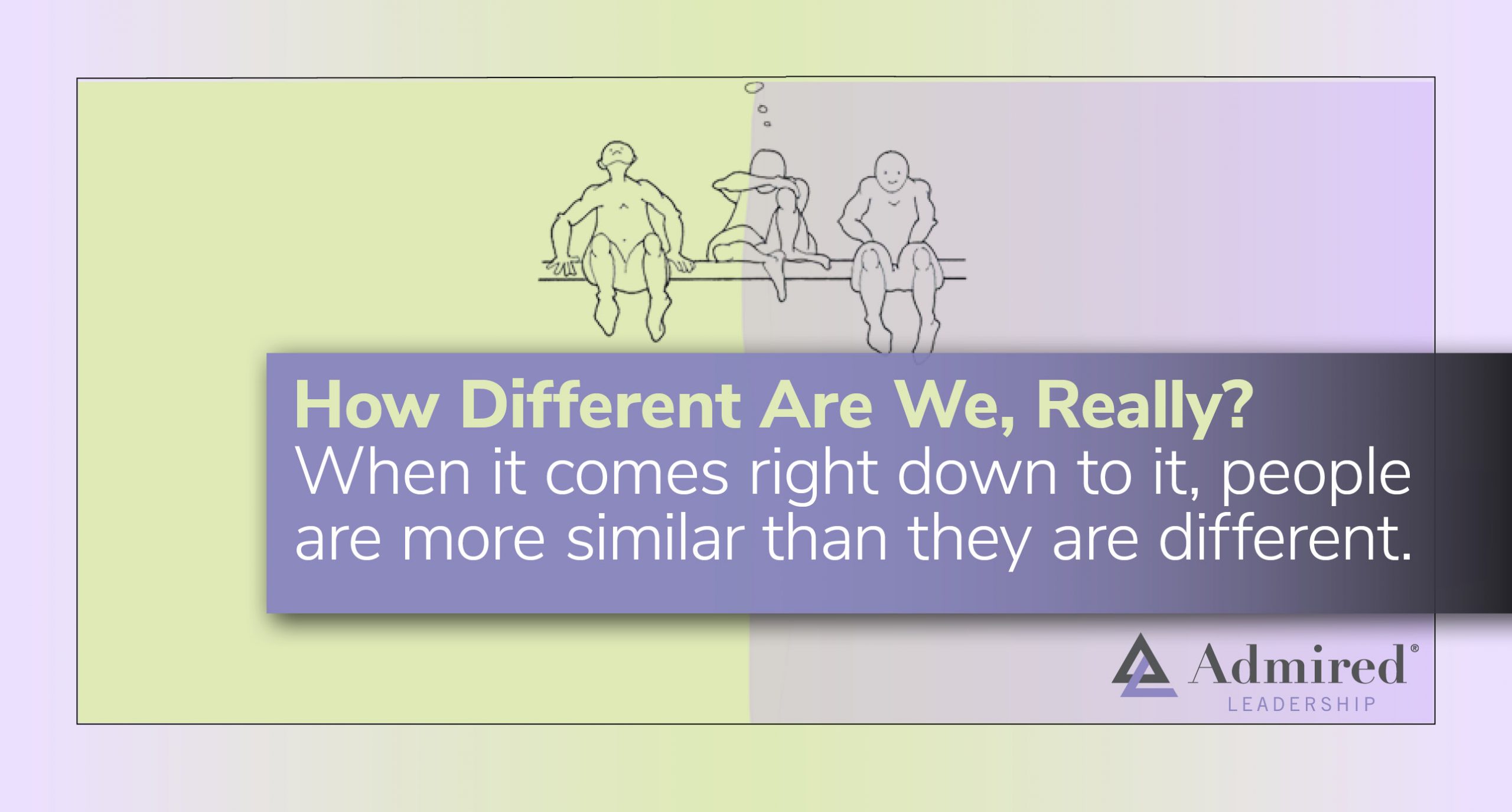
How Different Are We, Really?
When it comes right down to it, people are more similar than they are different. This applies to nearly everyone. Differences fall away when we examine the human emotions and experiences of excitement, hurt, playfulness, pain, and joy. The famed psychologist Carl Rogers once said, “What is most private is most common.” Whenever we think…
-
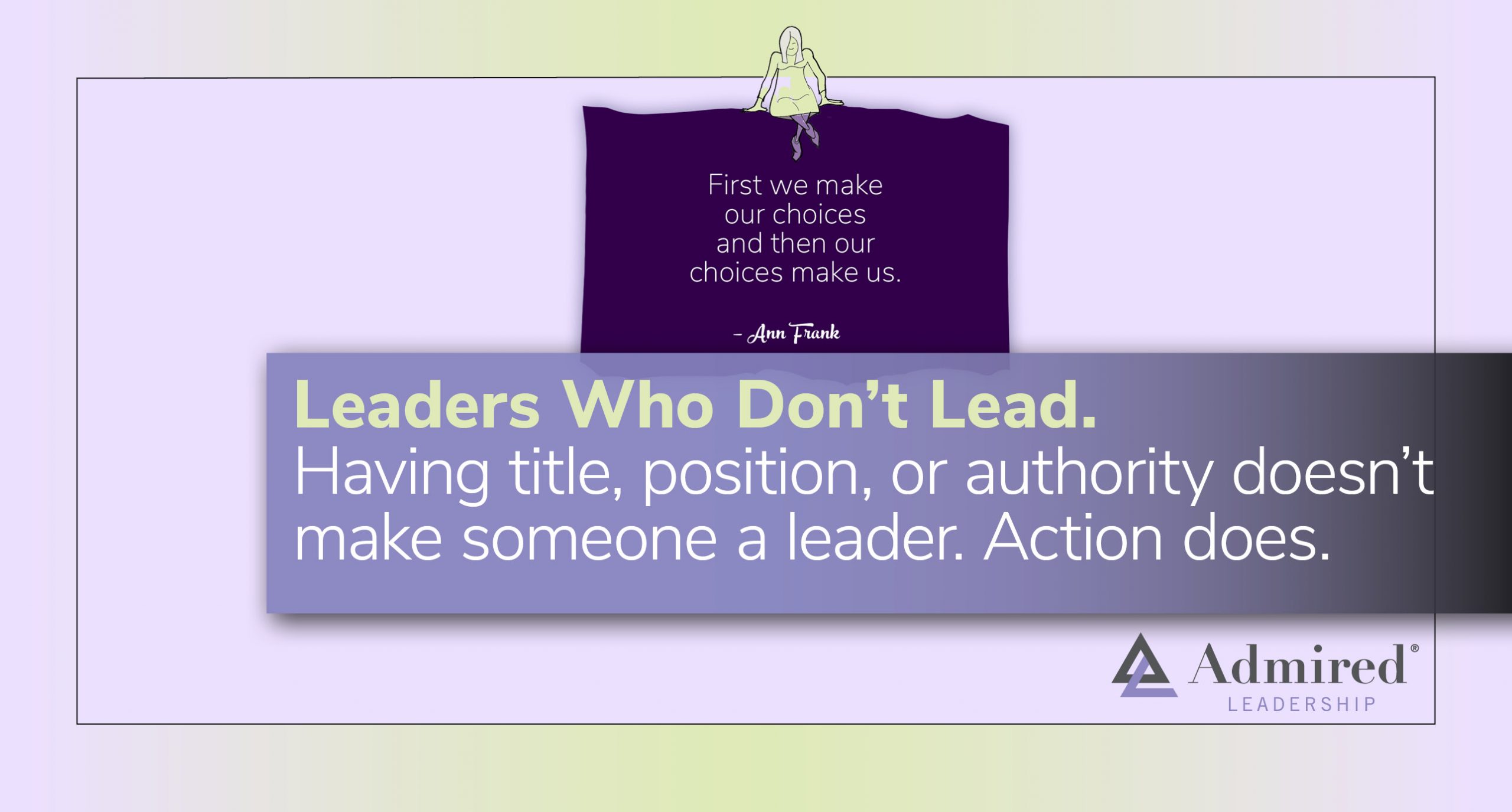
Leaders Who Don’t Lead
Leaders Who Don’t Lead. Having a title, position, or authority doesn’t make someone a leader. Action does. Leaders who fail to offer a strategic vision, set goals and objectives to get there, clarify expectations and standards for the work, and then serve as a resource for high performance simply let the organization down. Their failure…
-
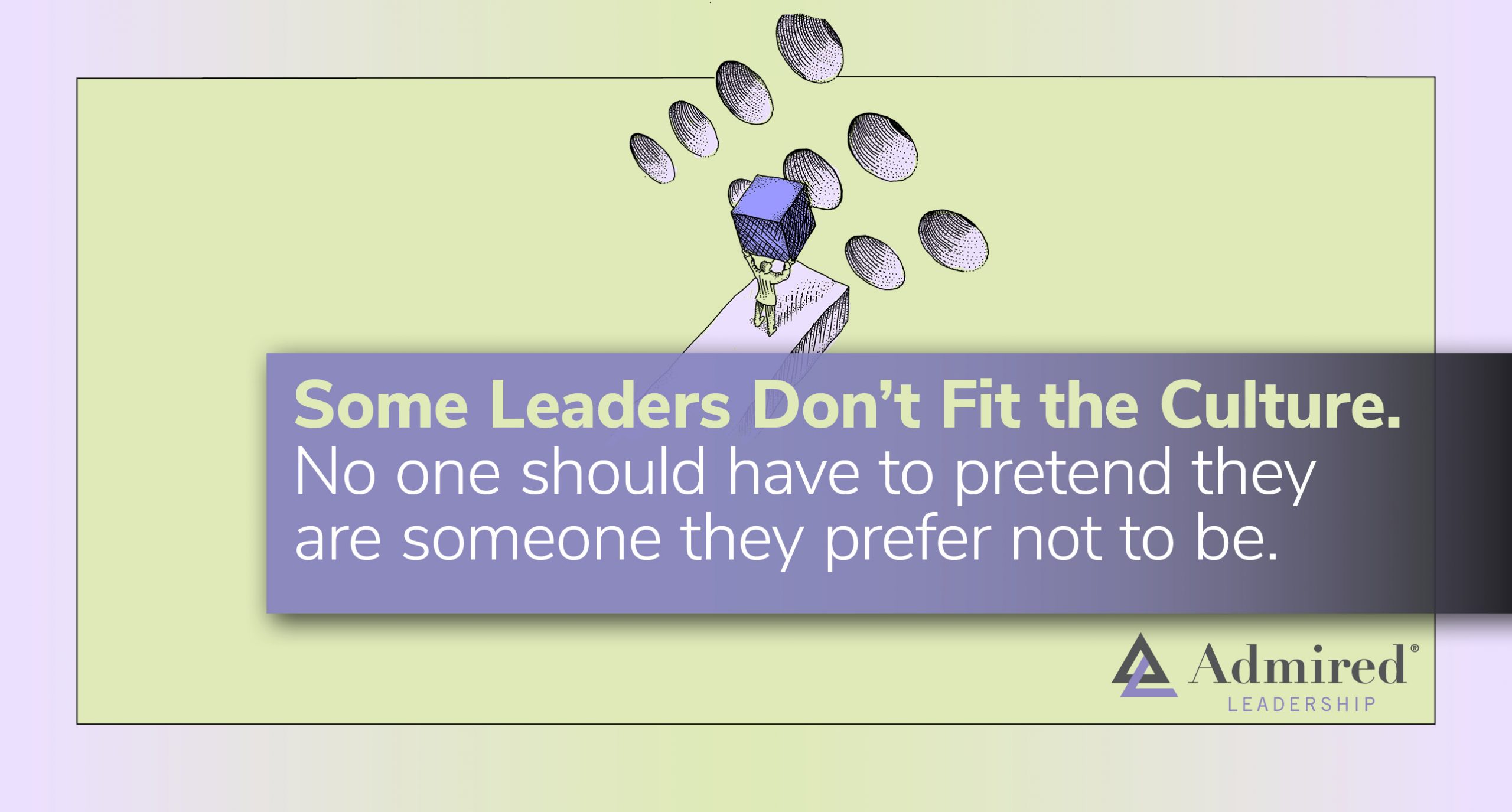
Some Leaders Don’t Fit the Culture
Because the organization doesn’t need to accommodate a leader, the pain point is theirs. The decision to move to another organization is never easy, especially when a leader is having a fair bit of success and solid relationships; however, the need for authenticity should be paramount. No one should have to pretend they are someone…
-
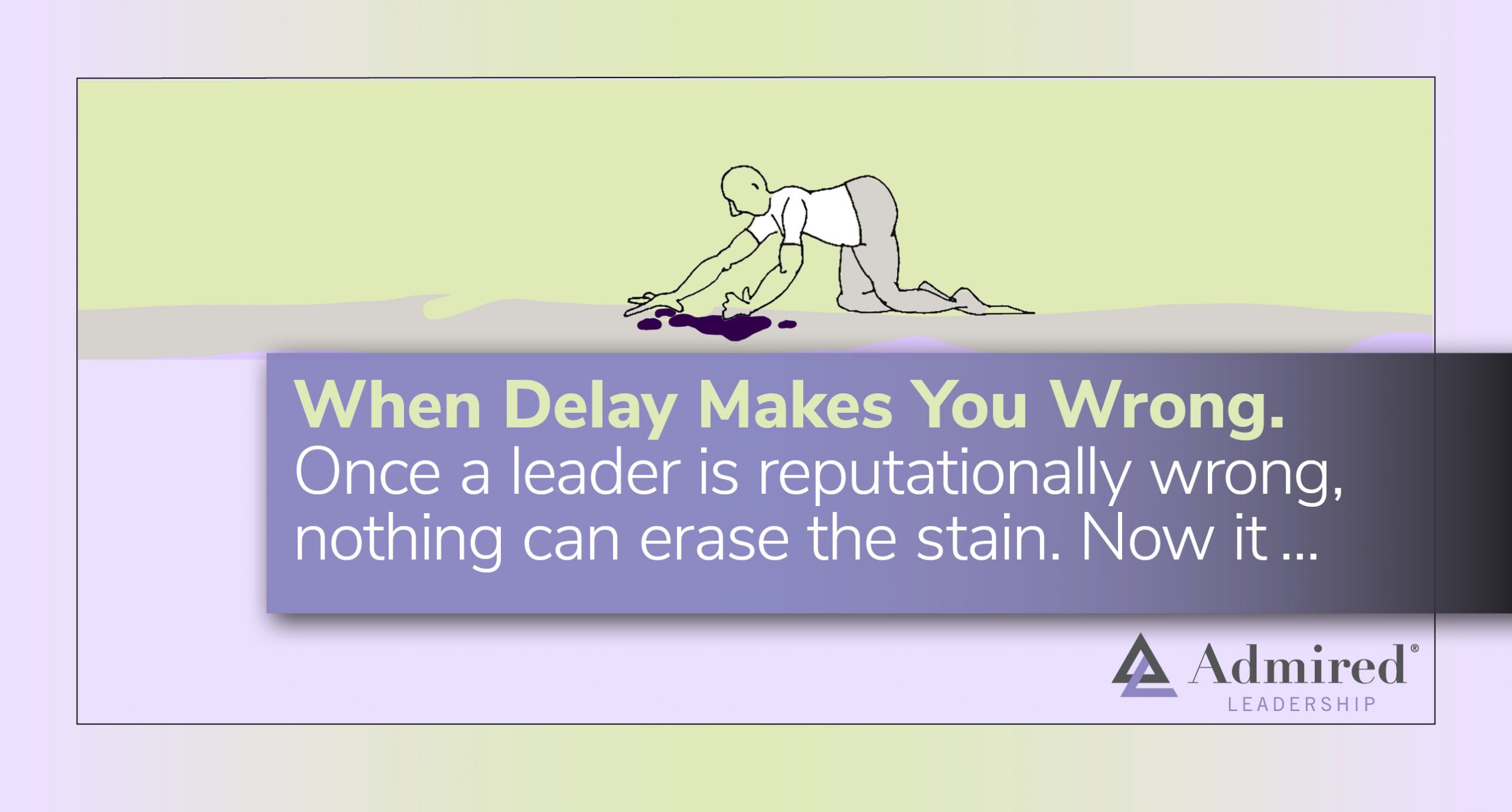
When Delay Makes You Wrong
Personnel decisions regarding valued team members who severely misstep or violate workplace standards are always complex and often tortuous. Good leaders care deeply about those they lead and this makes the hard choice to potentially end a relationship even more gut-wrenching. Good leaders who learn about an incident or violation dig in and find out…