




Our daily Field Notes email is just the kind of jumpstart you need. A fast read. Maybe less than a minute. Because sometimes it just takes one insight to change the trajectory of the day.

Search Field Notes
-

When Personal Identity and Performance Become the Same Thing
The best among us work to live and not the other way around. Those who become fixated on work and performance in order to get ahead often begin seeing the outcomes they achieve as a direct reflection of who they are. When how they feel about themselves becomes entirely dependent on the results they achieve,…
-

Good Reasons to Withhold the Truth
Dishonest relationships don’t endure or prosper over the long run. Yet, on occasion, the only way to do the right thing in a relationship is to deceive others or withhold the truth. Relationships are complex and occasionally require small doses of dishonesty to safeguard others from harm or hurt. Protecting others is a noble ideal.
-
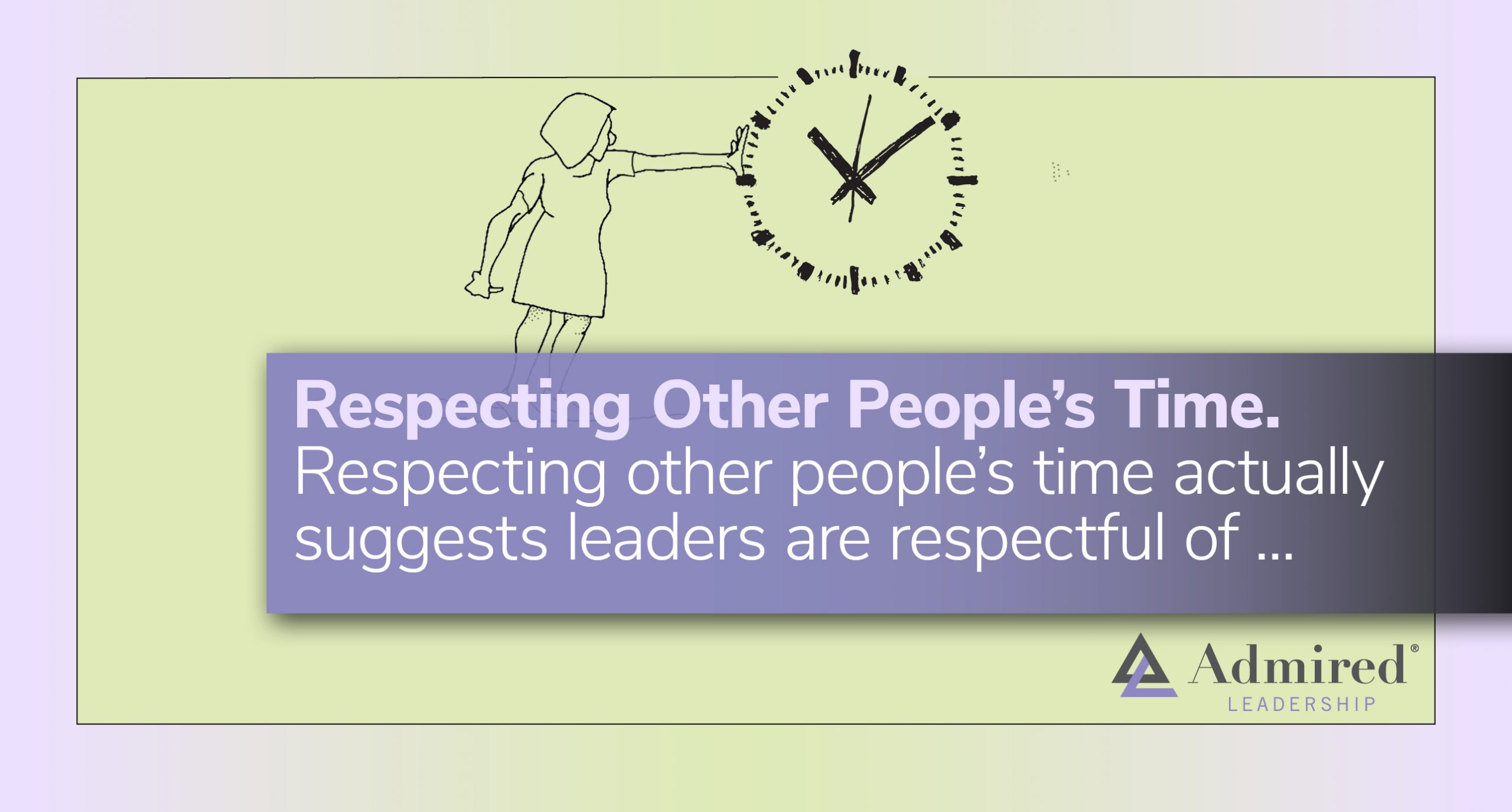
Respecting Other People’s Time
How leaders treat time says a lot about who they are. Ironically, respecting other people’s time actually suggests leaders are respectful of their own time and schedule. In fact, leaders who give the respect regarding time that they want to receive usually end up becoming powerful role models for others.
-
Jumping to Conclusions About People
Sometimes you’re right and sometimes you’re wrong, but jumping to a conclusion about people is never a good idea. Leaders who jump to conclusions about others make fast assumptions on limited information. This ultra-decisiveness generally leads to poor or wrong choices that play out negatively in interaction.
-
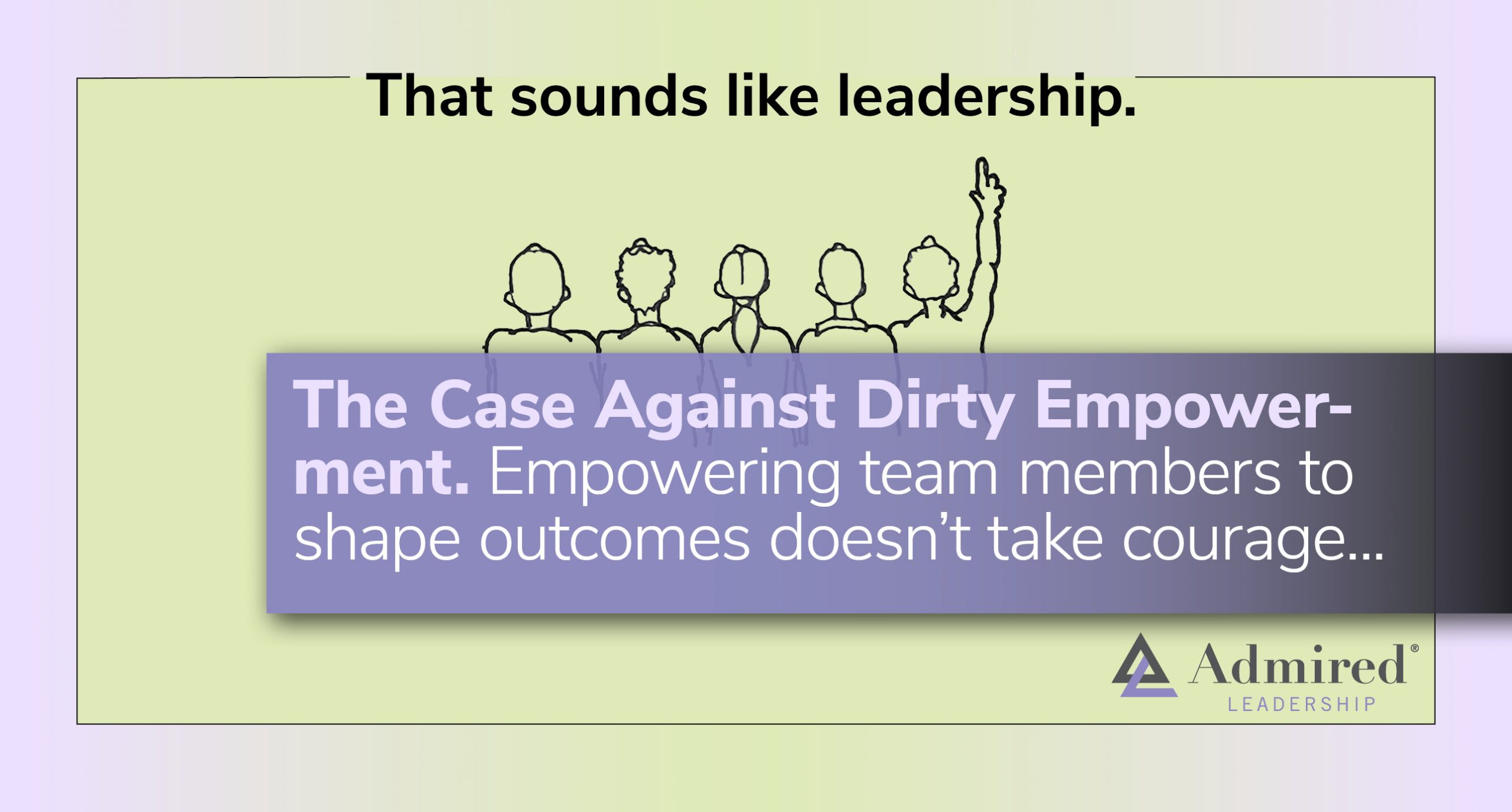
The Case Against Dirty Empowerment
The Case Against Dirty Empowerment. Empowering team members to shape outcomes doesn’t take courage. It takes an ambition to succeed through others.That sounds like leadership.
-
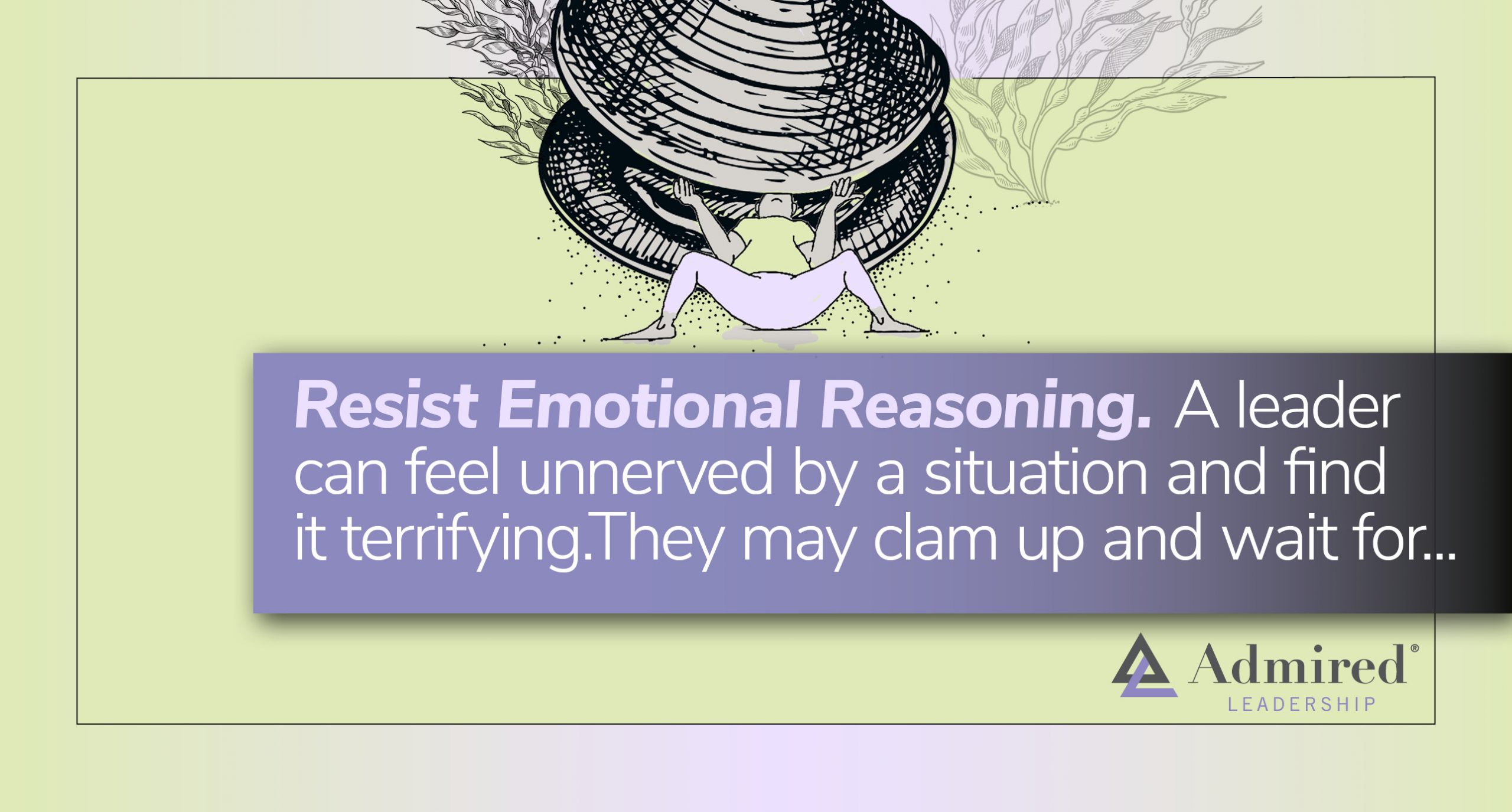
Resist Emotional Reasoning
Resist Emotional Reasoning. All leaders are susceptible to emotional reasoning on occasion. But by recognizing that emotional reasoning can create a fog of delusion, leaders can prevent falling prey to this pernicious inference-making. Emotional reasoning leads to exaggerated conclusions about who leaders are and why they should avoid particular situations. Such reasoning never serves leaders…
-
Getting People to Talk Candidly in Meetings
Getting People to Talk Candidly in Meetings. Don’t save breakouts for training and large group programs. Use them in everyday meetings to get everyone involved and talking. Effective meetings require everyone to make a contribution and to speak their mind regarding critical issues. Breakouts get that done.
-

Rituals That Signal Heightened Performance Focus
When he played for the New York Mets, former All-Star catcher Mike Piazza would start his year at the stroke of midnight on New Year’s eve by hitting fastballs in a batting cage. Before making a critical business decision, the CEO of Retro Fitness lies on a mat that simulates a bed of nails. Former…
-

Saying Yes More Slowly Will Allow You to Say No More Often
Saying Yes More Slowly Will Allow You to Say No More Often. Agreeing to a request and then regretting it later is a universal experience. Leaders want to be helpful and liked by others, just like everyone else. But in their ambition to gain acceptance and please others, they sometimes say “Yes” to a request…
-
Triggers Are Essential for Changing Habits
Because old habits are comfortable and resist change, people have a hard time establishing a new habit without killing the old one first. The idea that we need to replace old habits with new ones is well supported. The process involved with doing so depends heavily on learning to identify the trigger points that signal…