




FieldNotes
Our daily Field Notes email is just the kind of jumpstart you need. A fast read. Maybe less than a minute. Because sometimes it just takes one insight to change the trajectory of the day.

Search Field Notes
-

Resolve to Read Complex Stories More Often
Making a resolution to read more and scan less will pay dividends throughout the year. Even reading fiction increases a leader’s empathy, as they get to imagine how other people and characters see and experience things. So, read deeply and read a lot. In the words of author Fran Lebowitz, it is a good policy…
-

The MacGyver Method for Creative Problem Solving
Putting the subconscious to work to achieve heightened creativity has been the preferred method of creative thinkers for centuries. Activating your inner MacGyver is something anyone can do. In the everlasting words of the MacGyver television character, “The bag’s not for what I take, it’s for what I find along the way.”
-
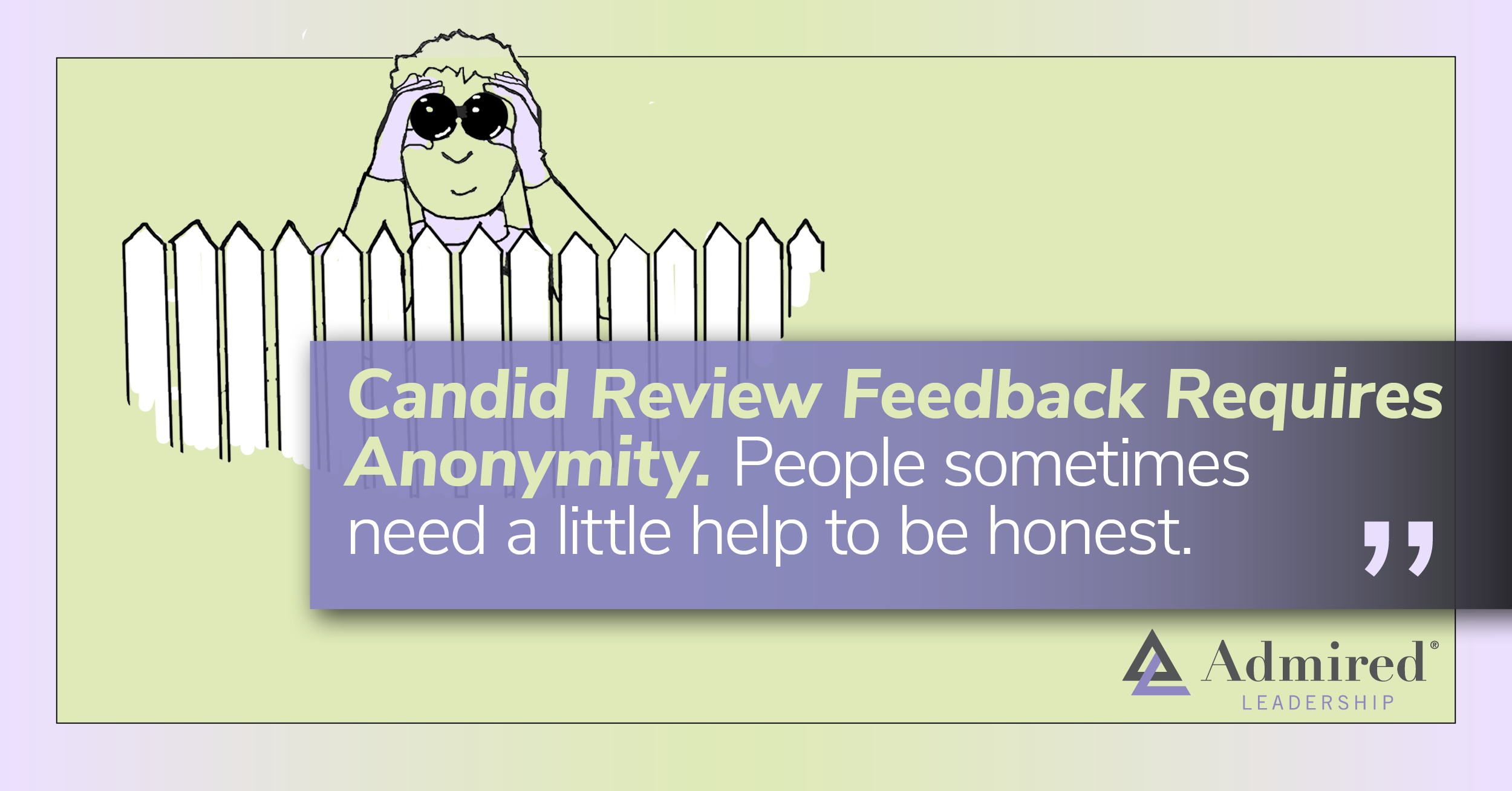
Candid Review Feedback Requires Anonymity
Team cultures benefit greatly from consistent and trusted methods for gathering performance feedback at all levels of the organization. The more performance review feedback is strictly confidential, the more candid the evaluations become. As it turns out, confidentiality and honesty reinforce each other, making the other stronger.
-
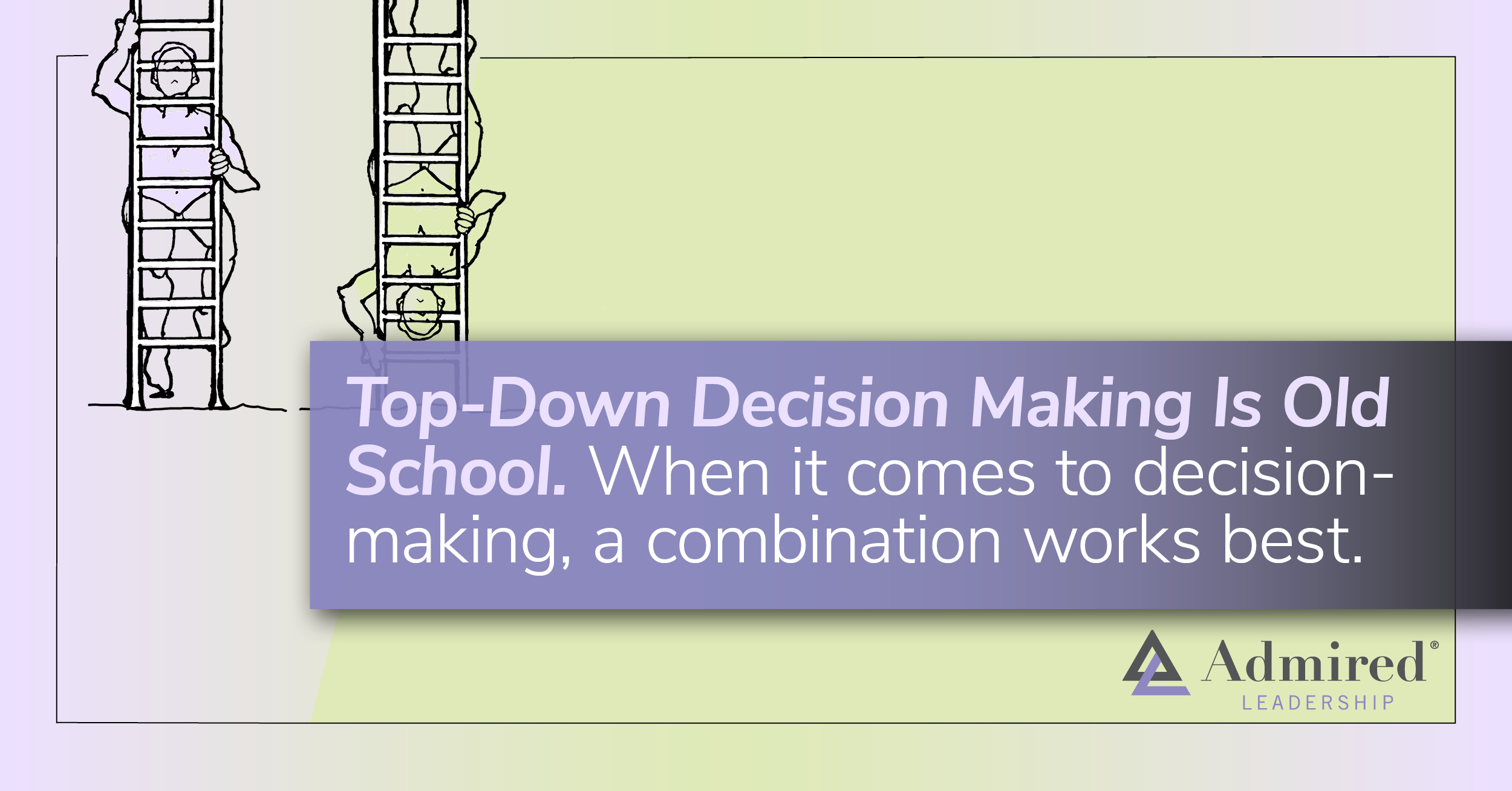
Top-Down Decision Making Is Old School
Reserving big decisions for those with big titles is a throwback to the autocratic organizations of the past. Those closer to the ground or action are known to have a better vantage from which to see the pitfalls and practical issues that will make or break a strategic choice. Using the advantages of both top-down…
-
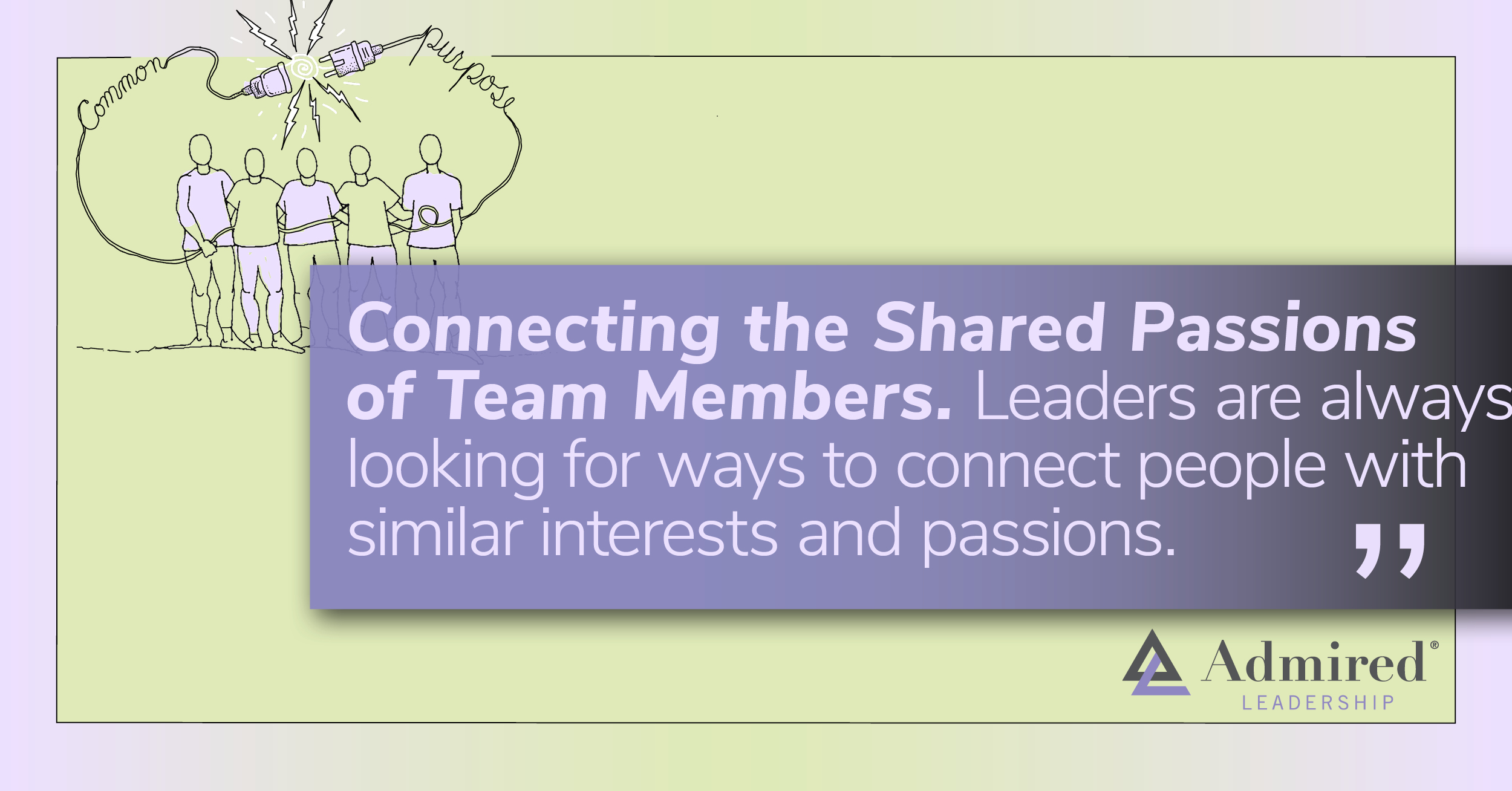
Connecting the Shared Passions of Team Members
The best leaders are always looking for ways to connect people who share similar interests and passions. From analytics to graphic design, from singing to marathon running, leaders who learn of team member passions and link them to others with similar affections galvanize more passion throughout the organization. Team members bound by excitement get everyone…
-
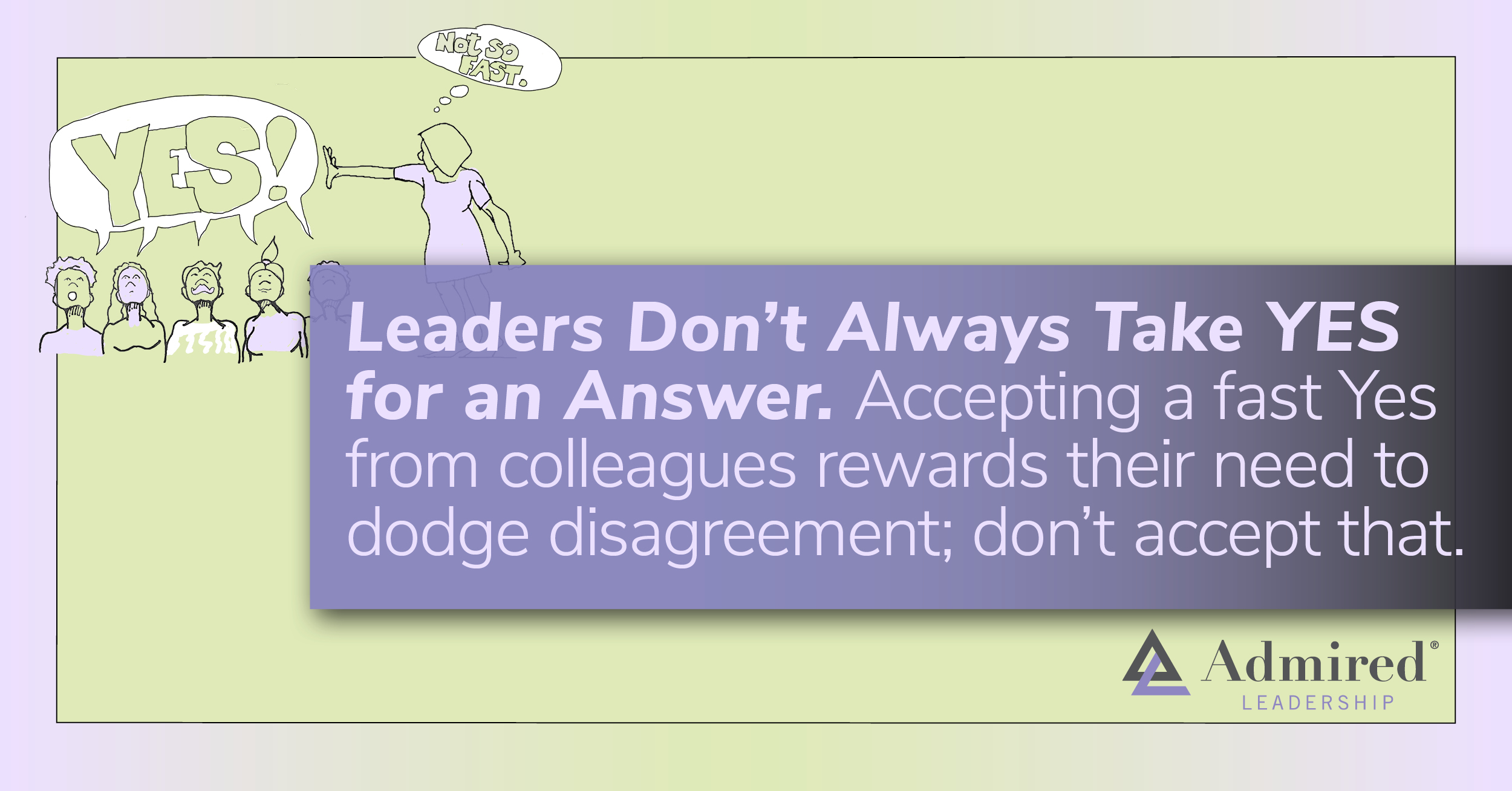
Leaders Don’t Always Take Yes for an Answer
Team members who avoid conflict at all costs are more common than many leaders recognize. Accepting a fast Yes from these colleagues rewards their need to dodge disagreement. Good leaders don’t accept that. Instead, they require team members to grapple with issues — even when they claim agreement is the obvious choice. Yes is sometimes…
-

The Preferred Gift of Leaders
The best leaders think of themselves as bibliotherapists and act accordingly. Those around them are all the better for it.
-
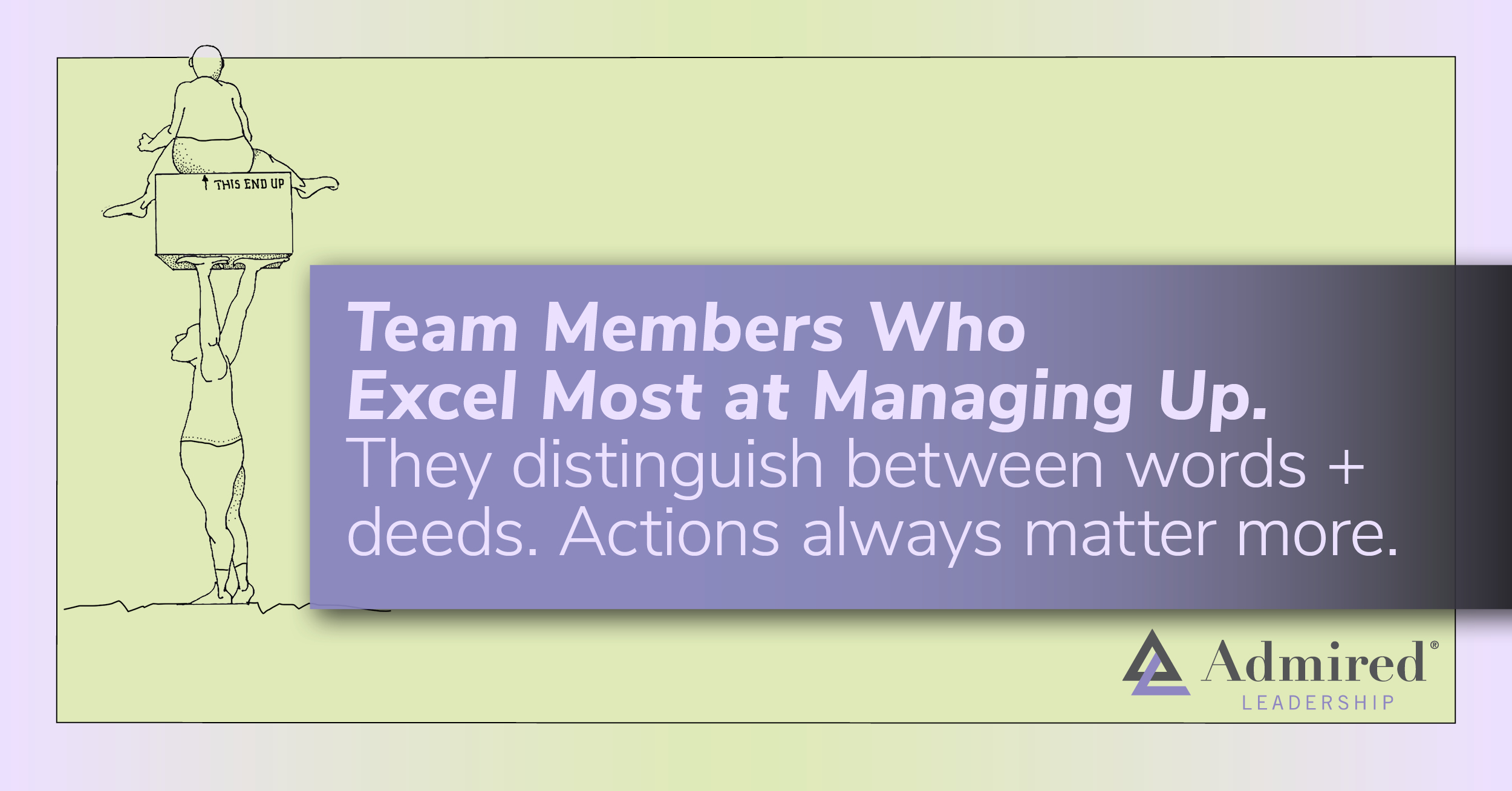
Team Members Who Excel Most at Managing UP
Managing UP. Good leaders recognize that managing up is an essential part of career success. They naturally favor those who make them look good. But they dig in and learn for themselves who is making the contributions necessary for team success. They don’t depend on what team members tell them or allow the charms of…
-
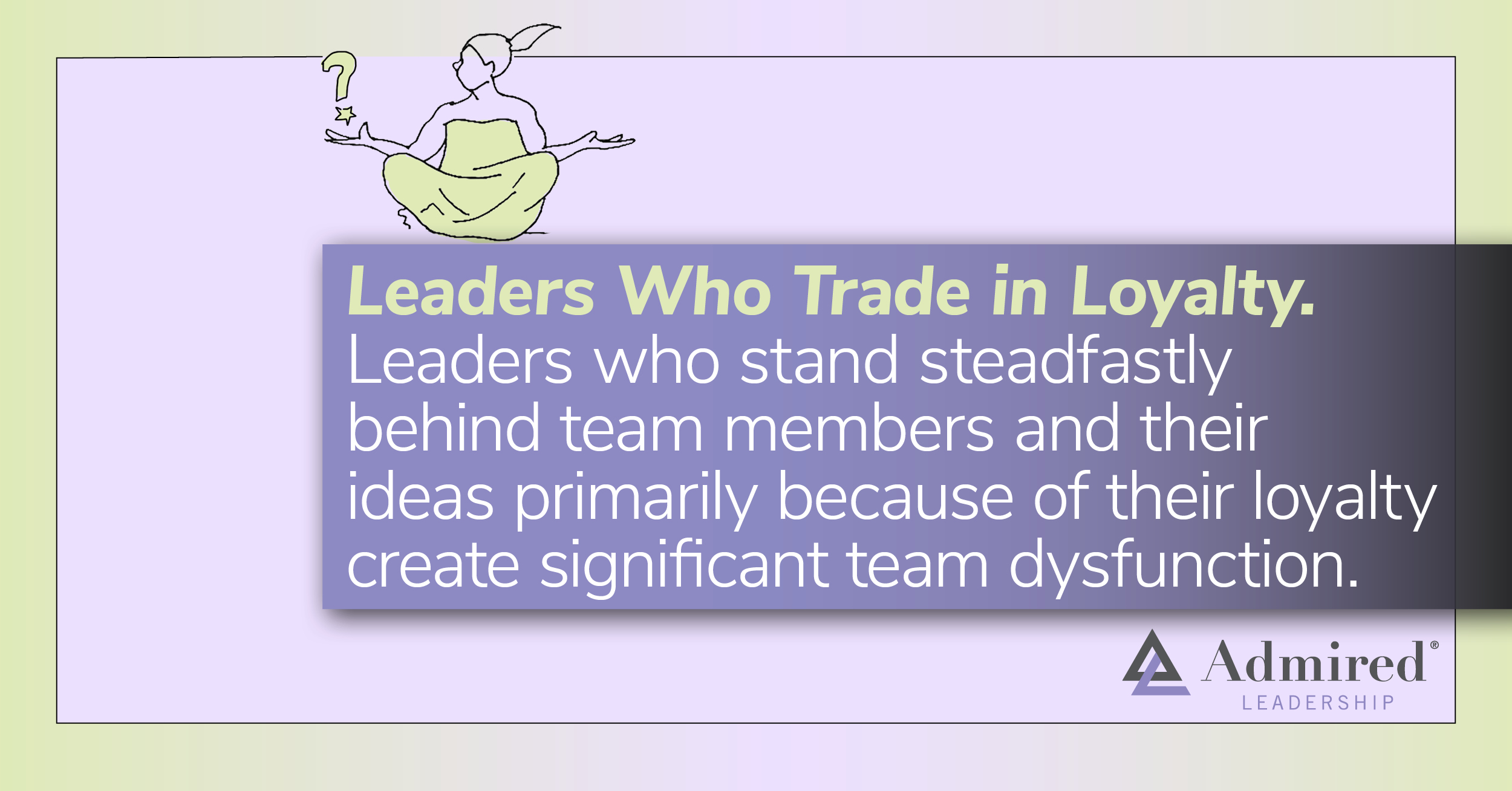
Leaders Who Trade in Loyalty
How much does loyalty influence my decisions and judgments regarding the team? Leaders who stand steadfastly behind team members and their ideas primarily because of their loyalty create significant team dysfunction. Like so many other leadership qualities, too much of a good thing can create longterm disorder. Even loyalty.
-
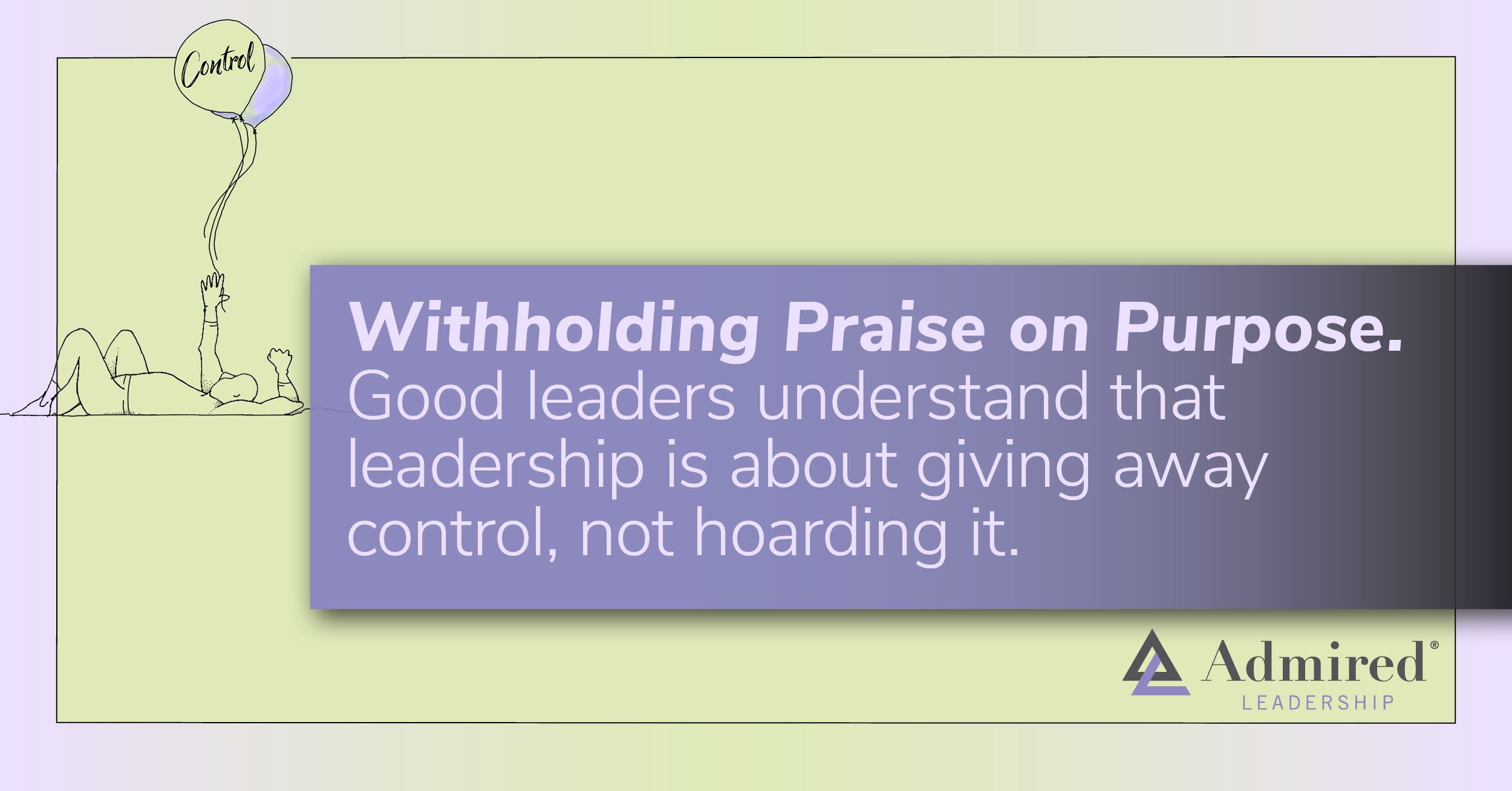
Withholding Praise on Purpose
Withholding Praise on Purpose. Similar to withholding praise, generating fear is all about controlling others. Not giving others what they need to feel good about themselves creates the doubt and insecurity necessary for control. Good leaders eschew this path toward encouraging high performance. They understand that leadership is about giving away control, not hoarding it.