




Our daily Field Notes email is just the kind of jumpstart you need. A fast read. Maybe less than a minute. Because sometimes it just takes one insight to change the trajectory of the day.
Search Field Notes
-

Inside Every Leader Is a Better One
Many leaders suggest they want to be better but fail to put in the time or effort to significantly improve. Leaders are generally not lazy people and work hard to master many other skills important for their success. So why do so many leaders fail to make strides in their leadership skills? The answer is…
-
Machiavelli Got This Right
In 1513, Niccolò Machiavelli wrote a political treatise that was later published as The Prince. Five centuries later, this book remains one of the most influential and controversial tomes on politics and leadership. Machiavelli got a lot of things wrong in that treatise, especially justifying the use of fear as an effective leadership tactic; however, he…
-
Start the Work Before You Get the Assignment
When appropriately channeled, leaders reward ambition and hard work whenever they see it. They like it when people take the initiative to propose and suggest better ways of doing things. But they have the biggest soft spot for those who go the extra step and prove they are willing to do whatever it takes to…
-
Not Invented Here
In the eyes of effective leaders, great ideas and best practices are never sacred. They find and exploit any idea, practice, or action they think can make the team more effective. They don’t fall into the infamous trap of Not Invented Here (NIH). When it comes to leading a highly effective organization or team, the…
-
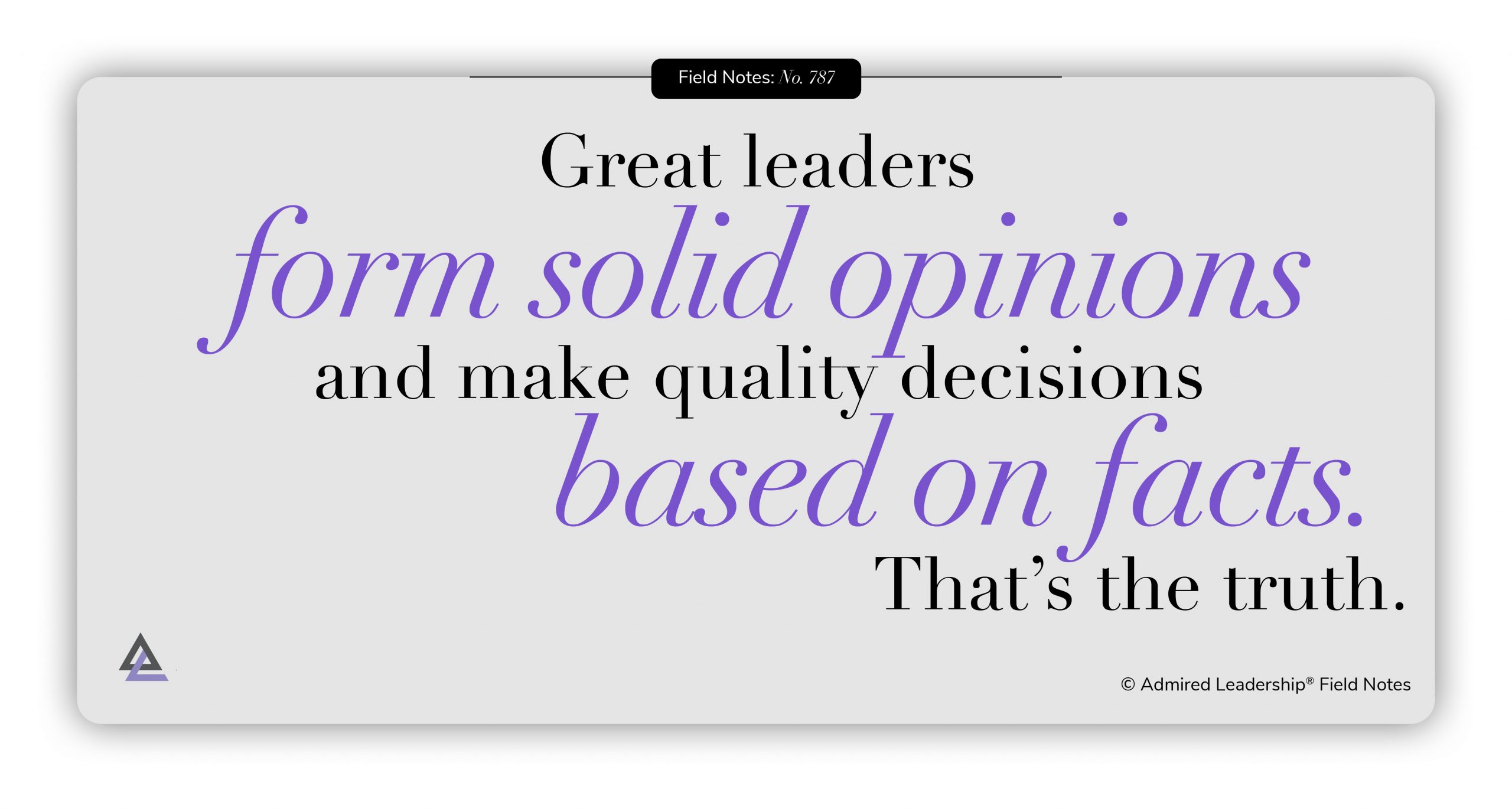
The Difference Between Fact, Opinion, and Truth
Denying facts in support of a view is not only irrational, but disingenuous. It suggests that objectively reaching a conclusion is less important than the ideology that is in vogue at the moment. Allowing a thinking trend or ideology to dismiss or ignore facts leads to poor quality conclusions and decisions. Smart leaders avoid this…
-
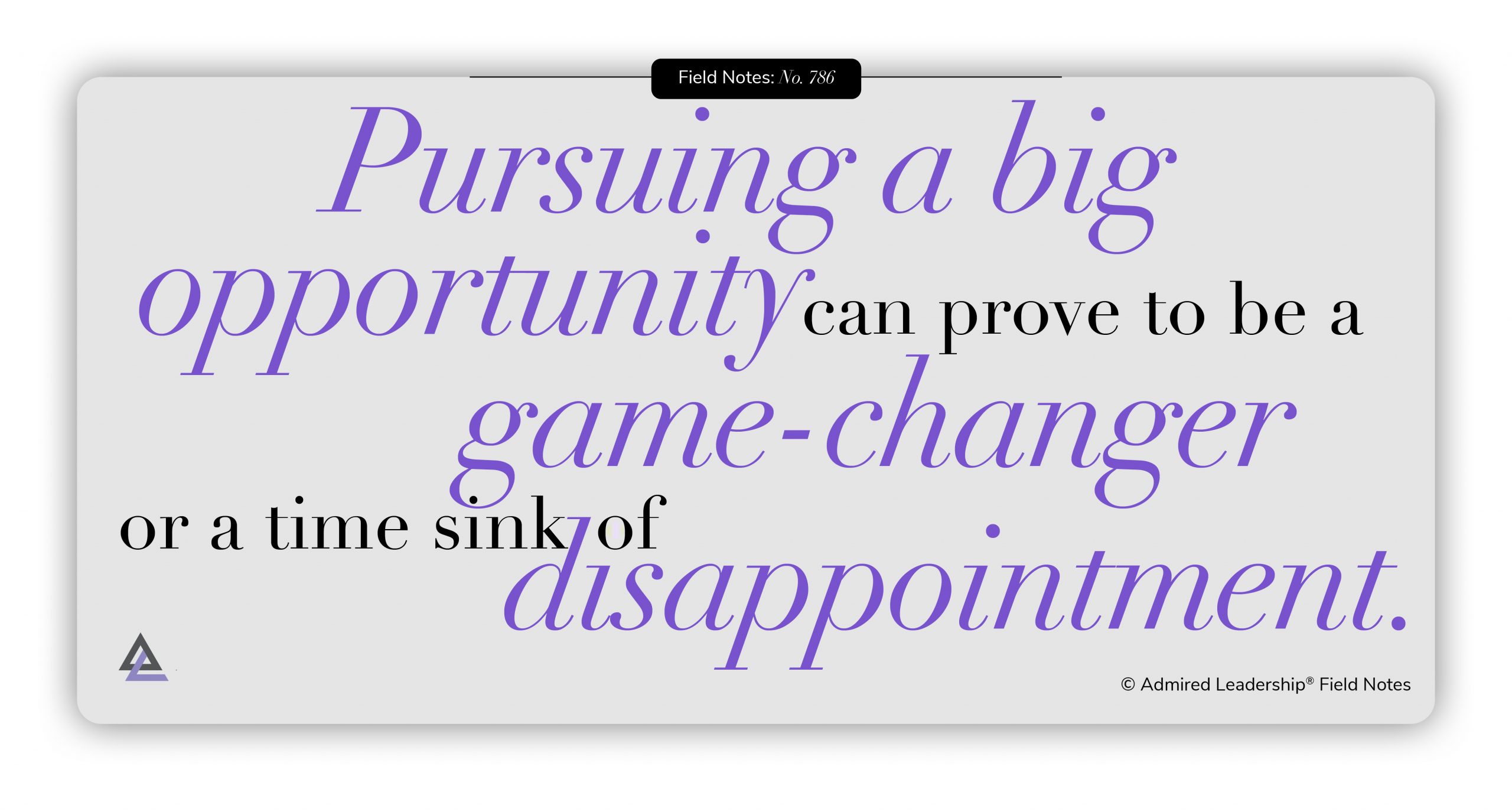
Prove an Opportunity Is Worth Pursuing
Every opportunity has one or more key facts and premises that are essential for the potential of the opportunity to be realized. Good leaders identify those facts and premises early and then work hard to prove or disprove them. When opportunity knocks, doing this analysis will often be a lifesaver. The best opportunity is often…
-
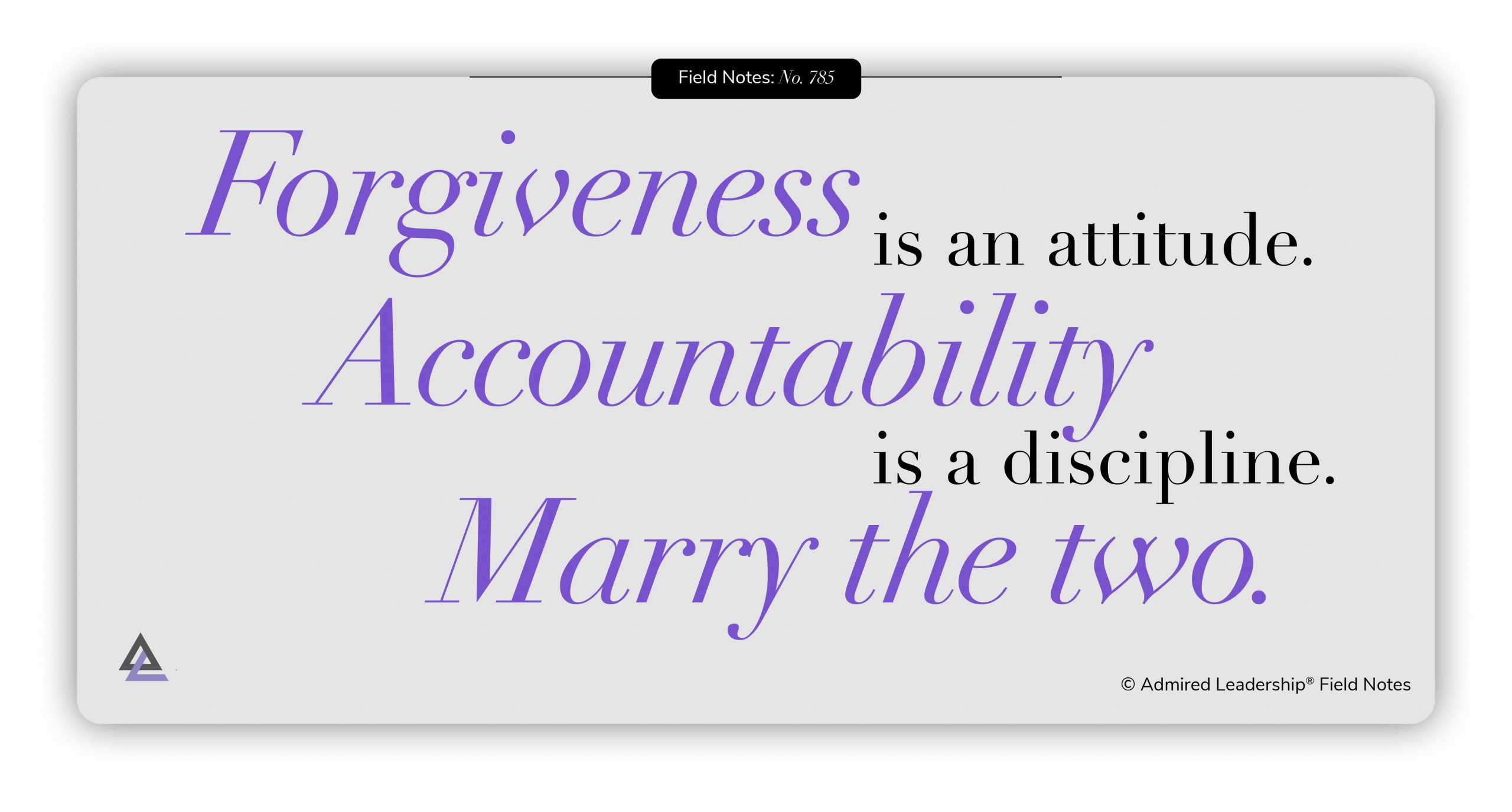
Forgiveness and Accountability Go Hand-in-Hand
Forgiving team members quickly for their mistakes and then asking them to propose a remedy can work wonders to inspire them to raise their game. This also treats failures as an opportunity for learning and growth. When failures and mistakes are viewed by the leader and the team as an opening for development, team members…
-

Give Negative Thoughts a Positive Ending
By purposely shifting one’s thoughts to this prearranged memory and giving this image sharp relief, full of details, negative thoughts disappear, and a new feeling of confidence and well-being emerges. This takes practice but is a lifesaver when the time comes. The key is to prepare now by selecting a positive memory, song, or image…
-
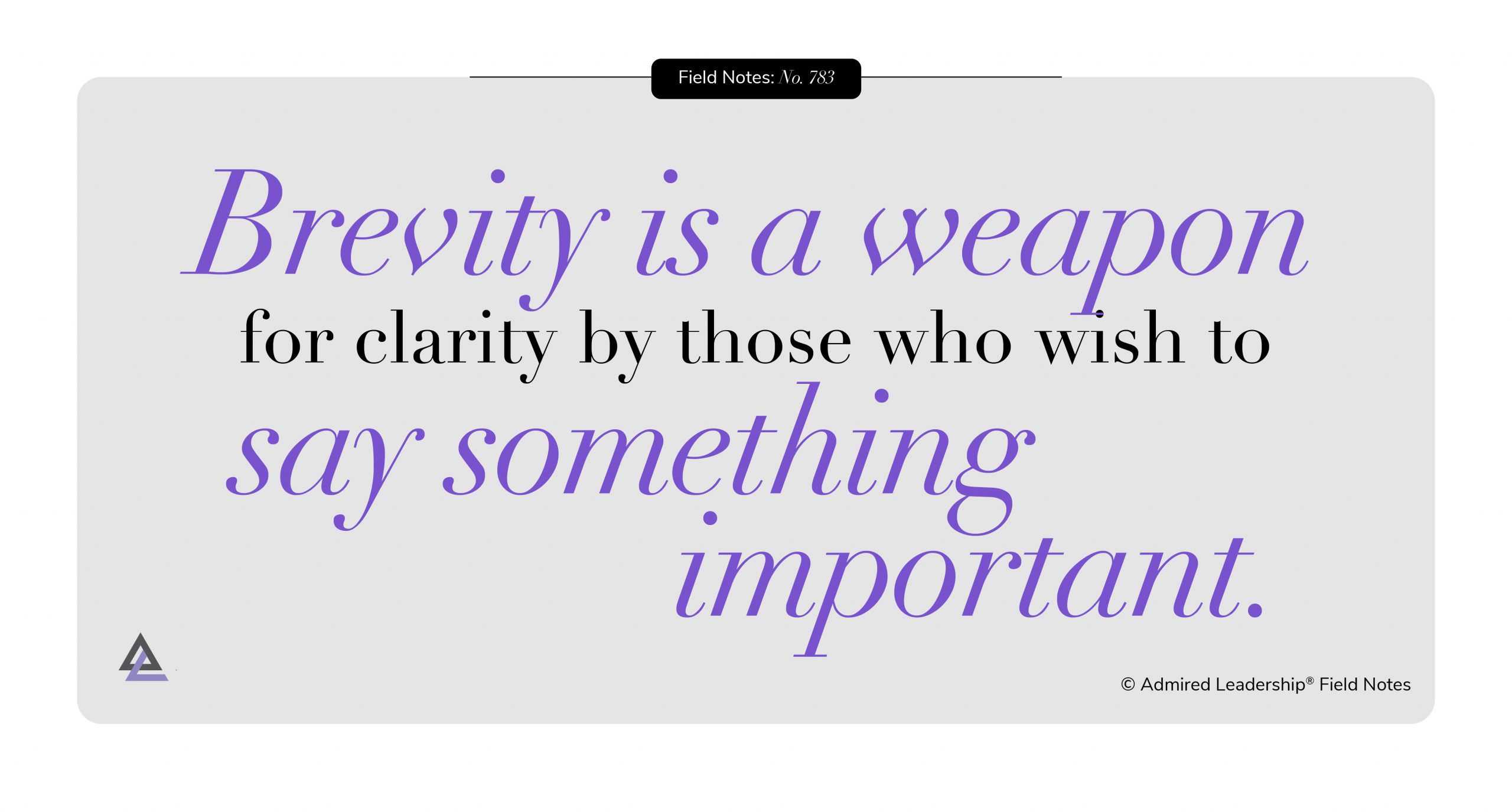
Short and Sweet Tastes Better
In a world where information is too plentiful and often overwhelming, brevity helps to capture attention and emphasize what really matters. Compact messages are usually more memorable and impactful. Team members who want to stand out quickly learn the power of brevity and strive for it in every interaction. They never use two or three…
-

Use Reverse Q&A to Learn What’s Really Going On
By engaging in Reverse Q&A sessions continually throughout the year, leaders soon crack the code that unlocks candid communication. When conducted concurrently with large group forums where any question can be posed to leaders, Reverse Q&A allows leaders to promote a culture of transparency and trust where everyone feels accountable to open communication. Discussion of…