




Our daily Field Notes email is just the kind of jumpstart you need. A fast read. Maybe less than a minute. Because sometimes it just takes one insight to change the trajectory of the day.
Search Field Notes
-
Good Leaders Help Others to Recognize Harmful Patterns in Their Behavior
If the ability to discern patterns is a source of wisdom, then leaders are most wise when they make those patterns explicit for those they lead. No one gets better without understanding the patterns that get in their way. Good leaders call them out, knowing all the while that patterns are created by behavior and…
-
When Was the Last Time You Used a Decision Tree?
The decision-maker starts with a presumptive question that serves as the foundation for the tree. For instance, the initial variable in the dessert example may be cost: Do we have an unlimited budget for the dessert? The answer Yes might take us to the next branch question: Do we have more than 24 hours to…
-
People Want to Be Part of Something Special
Waiting for the next notable experience doesn’t prevent good leaders from creating distinctive and remarkable relationships with team members. By gaining a deep understanding of who people really are and creating the connections all people desire, leaders can forge thick relationships with team members that make them feel extra special.
-
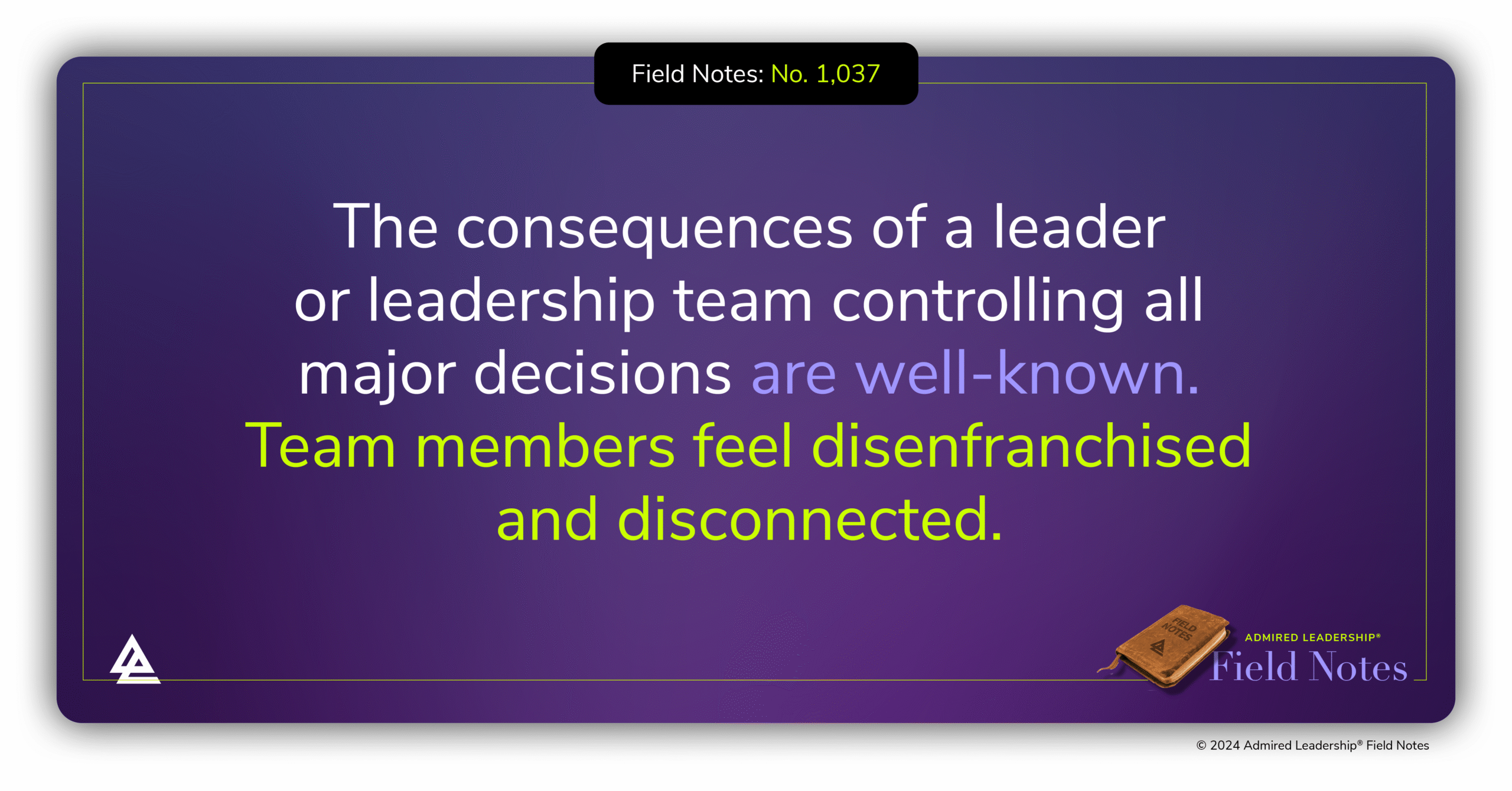
Leaders Who Own All of the Key Decisions
Some leaders can’t give up control or don’t feel comfortable unless they own all the important decisions for the team or organization. Even when they delegate less critical decisions to others, they maintain “veto power” over the decision. If they don’t like the decision, they get involved and change it. The idea of owning or…
-
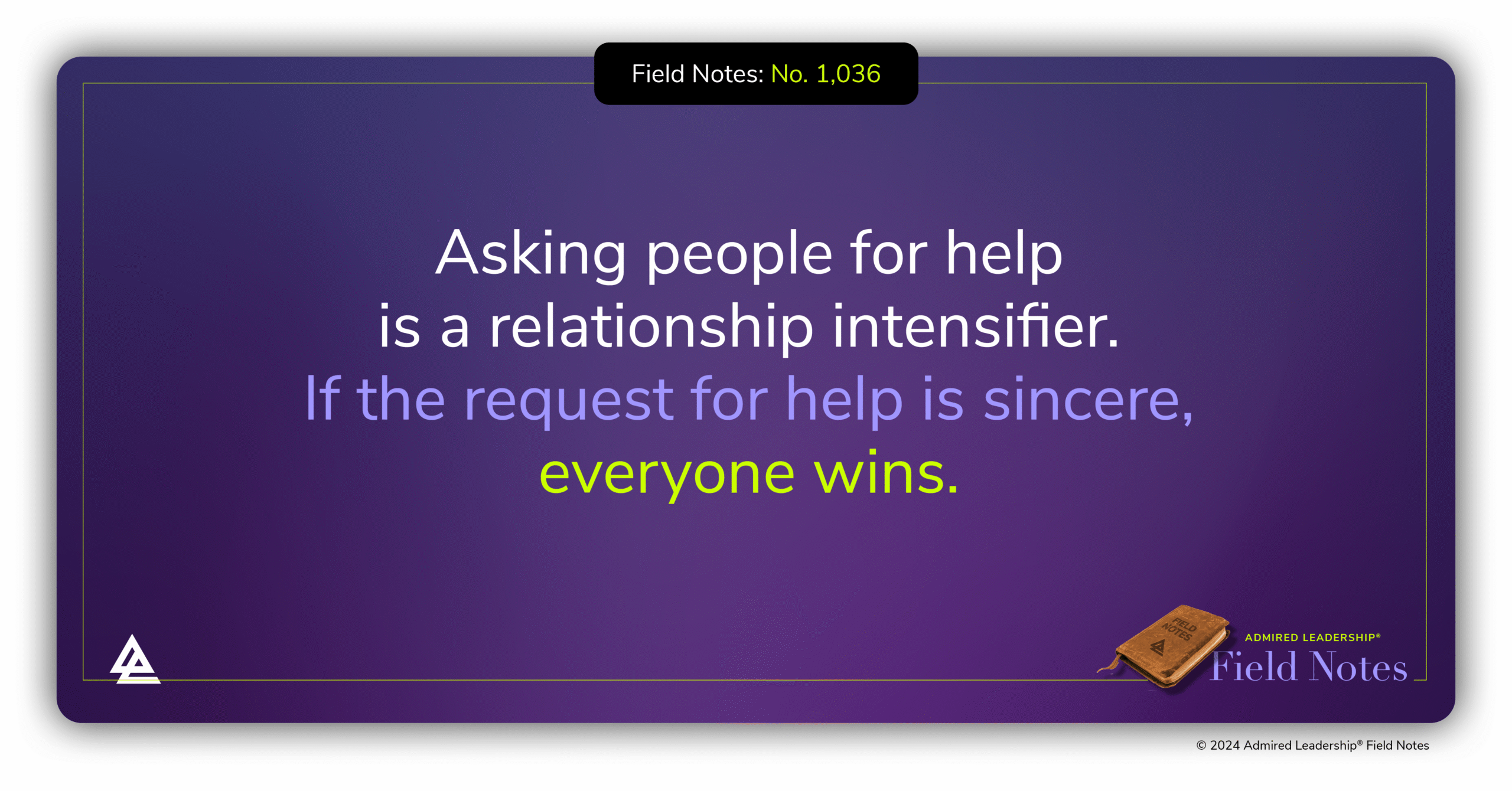
Good People Like to Help Good People
The idea you want to learn from this person and would do anything for that chance acts like a magnet to attract positive affect. Of course, sincerity matters most. If done just to create goodwill, the request will usually backfire. Most people are good souls. They hold positive values, stand for quality, and act with good…
-
The Kiva Method for Inclusive Decision-Making
The tribal elders of the Hopi nation knew a thing or two about inclusive decision-making. They originated a decision-making process that is all but forgotten but is poised for a comeback. The so-called Kiva Method, drawn from the structures in which the decisions were made and devised generations ago, allows minor voices to influence more…
-
When It Comes to End-Users and Customers, It’s All About Reducing Friction
When It Comes to End-Users and Customers, It’s All About Reducing Friction
-

Good Leaders Are Contrarian
What it means to be a contrarian leader is often misunderstood. True contrarians do not try to do the opposite of what everyone else is doing, nor do they take a contrary stand just to be different. Contrarian leaders simply try to live in the future while everyone else is focused on living in the…
-
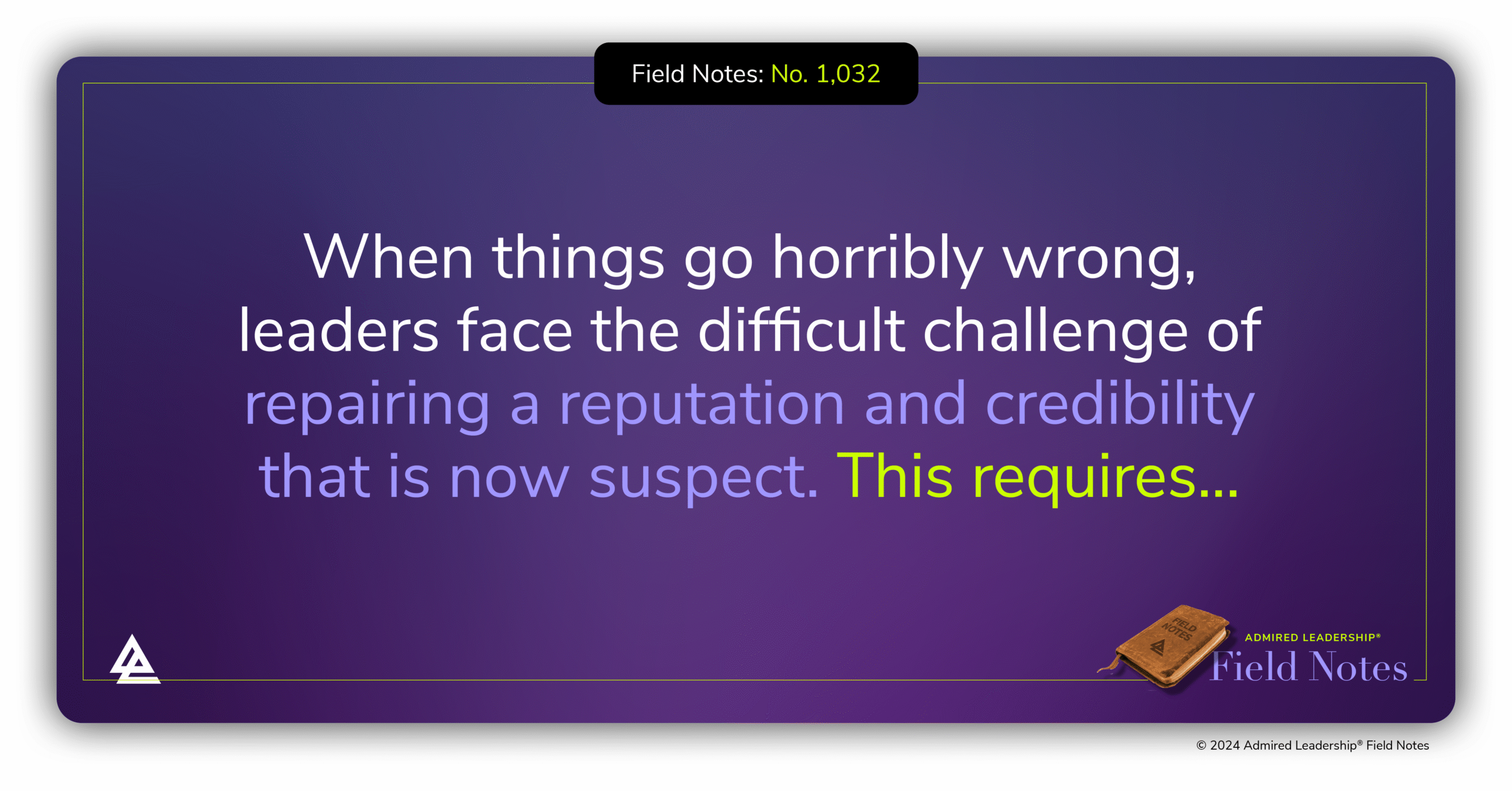
At Some Point, You Have to Stop Repeating the Bad News
At Some Point, You Have to Stop Repeating the Bad News. When things go horribly wrong, leaders face the difficult challenge of repairing a reputation and credibility that is now suspect. This requires gathering the pertinent information and crafting a plan to respond that exudes the integrity and competence that will effectively address the misstep…
-
How to Speed Up Trust
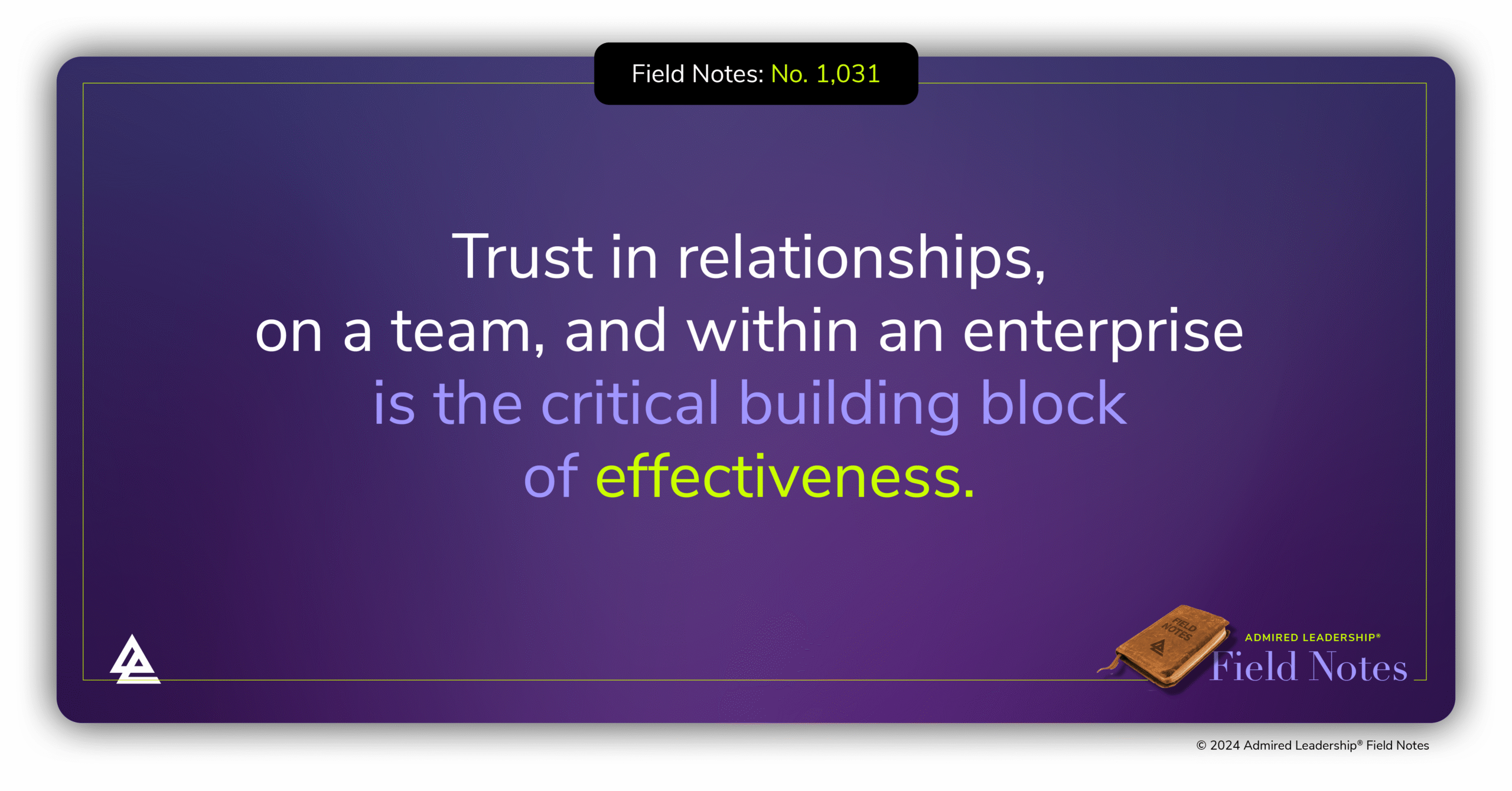
Trust in relationships, on a team, and within an enterprise is the critical building block of effectiveness. Without it, everyday tasks become burdensome and take longer, as people must find a way to get comfortable with what they are told. When trust is low, verification, second-guessing, and interpretation clog the ability to act quickly and…