




Our daily Field Notes email is just the kind of jumpstart you need. A fast read. Maybe less than a minute. Because sometimes it just takes one insight to change the trajectory of the day.
Search Field Notes
-
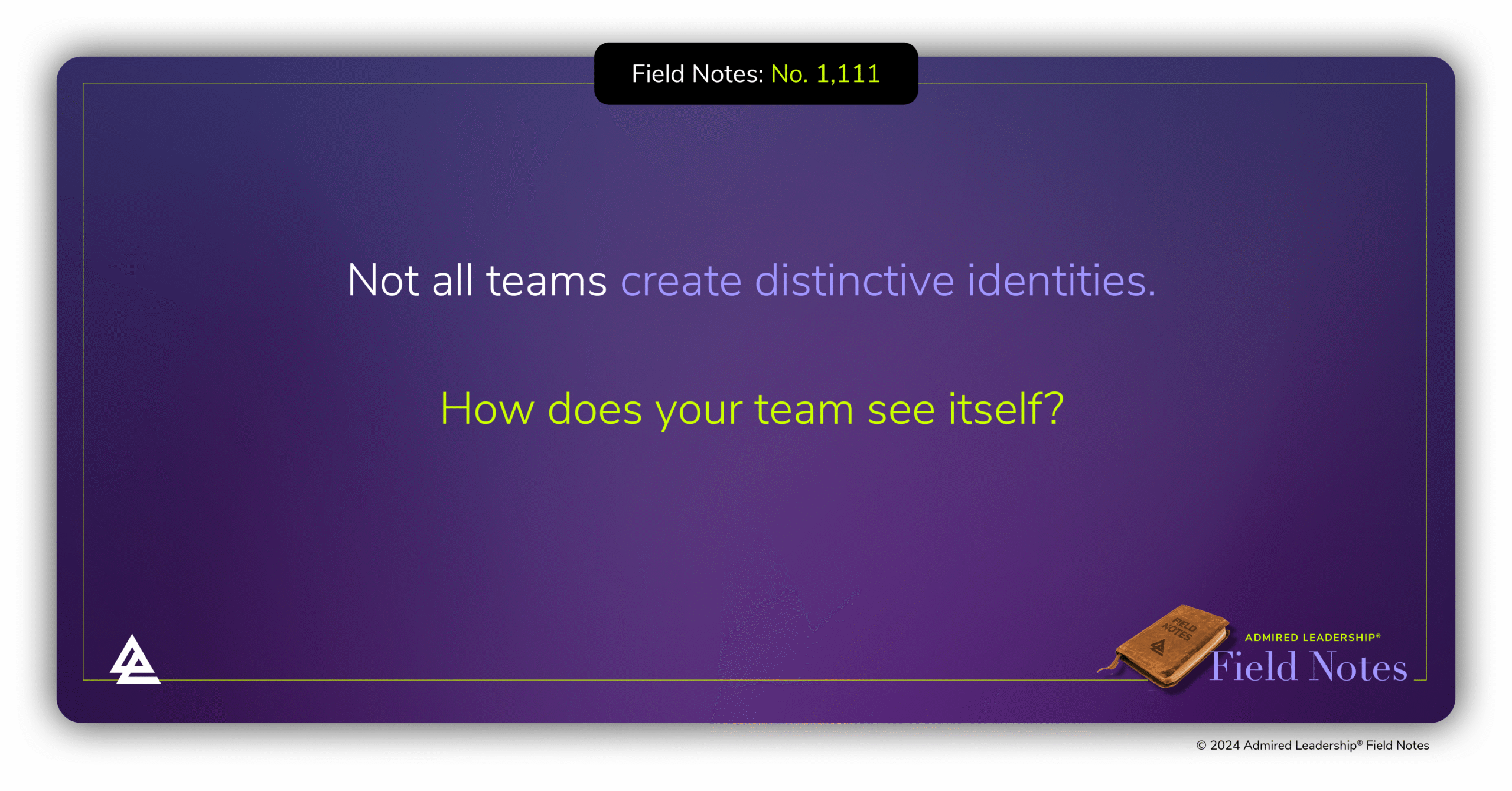
Reinforcing a Team’s Identity
Teams that work together over a long period of time commonly develop an identity distinct from the organization’s culture. How team members see themselves in relation to others on the team usually reflects how they have overcome obstacles or solved problems consistently in the past. For instance, teams might see themselves as scrappy, competitive,…
-
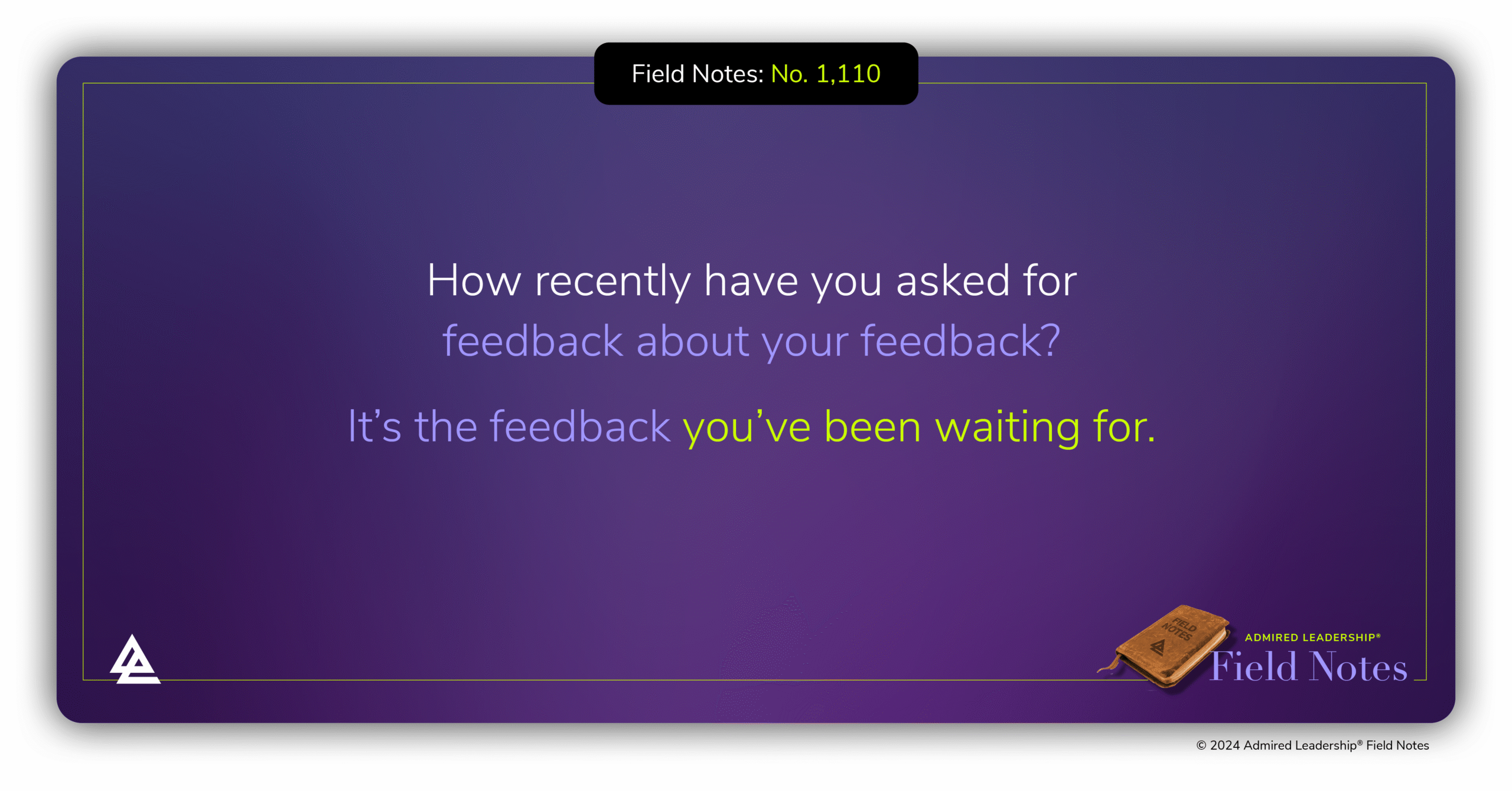
Give Me Some Feedback About My Feedback
As author Ken Blanchard emphasizes, “Feedback is the breakfast of champions.” But not everyone wants to eat that breakfast. It’s not enough for leaders to simply offer the feedback team members need. Promoting a healthy appetite for feedback is the job of every good leader. That starts with knowing how your feedback lands. The point…
-
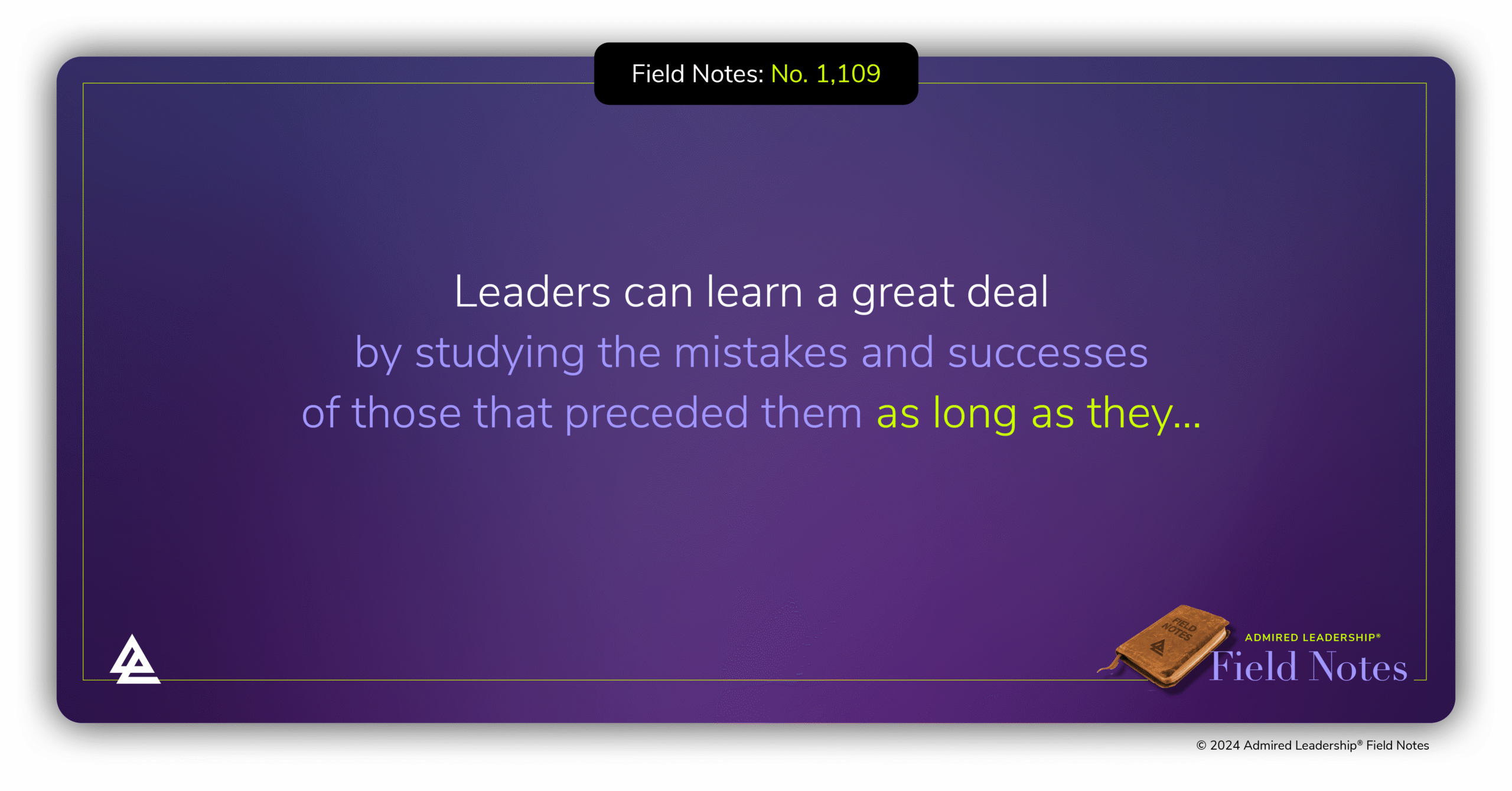
Cautiously Learning From the Success of Former Leaders
Organizational success is more complex than leaders often recognize. Many uncontrollable factors play an oversized role in the results organizations and leaders enjoy. Issues like market conditions, competitors asleep at the wheel, regulations, the timing of new products or services, and the introduction of new technologies, among many other elements have a tremendous influence on how leaders…
-
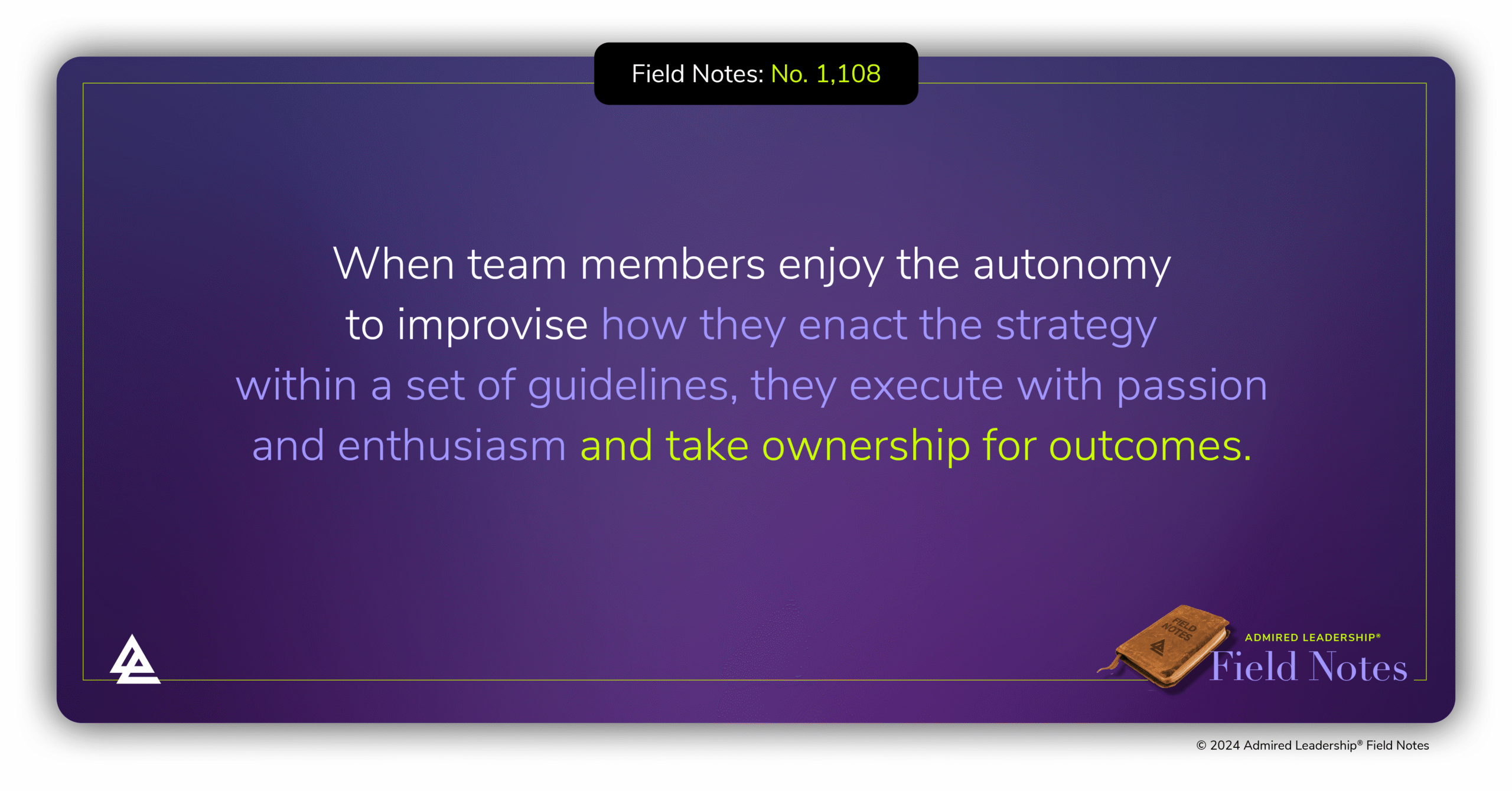
How Much Discretion Do Your Team Members Have to Execute the Strategy?
Strategy naturally flows down from the top of any organization to the teams and individuals below. Team members receive this strategy and are asked to execute it in a fashion to achieve important outcomes. Over time, execution processes often become highly defined and prescriptive on purpose. The consistency most organizations desire benefits from a highly…
-
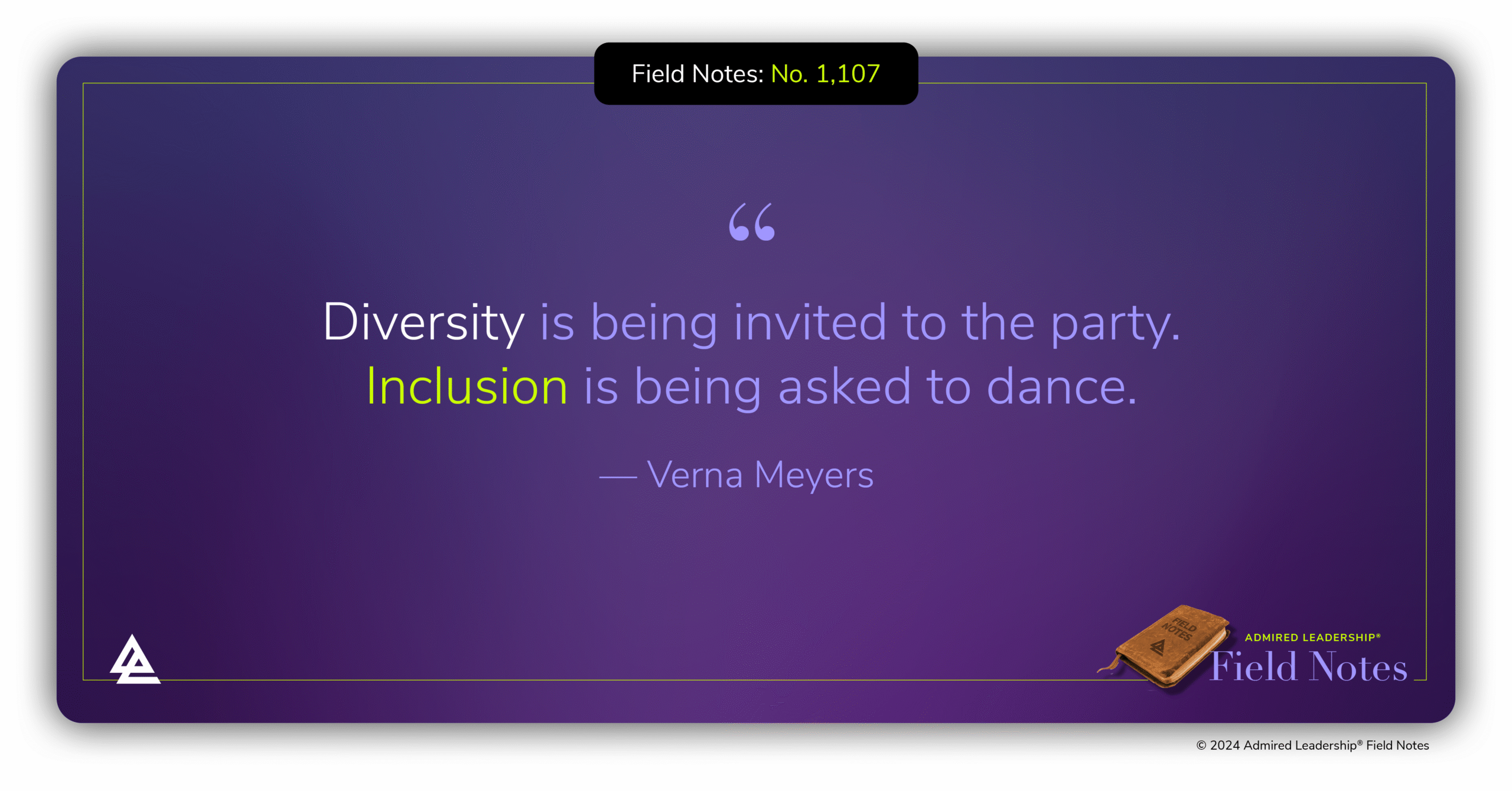
Why Diversity and Inclusion Are So Different
Why Diversity and Inclusion Are So Different. Inclusion doesn’t occur in days or weeks but is measured in months. A sustained focus on involving diverse talent and seeking their views is what brings the power of diversity to the team. The rich tapestry of diversity is woven into the fabric of a team when leaders…
-
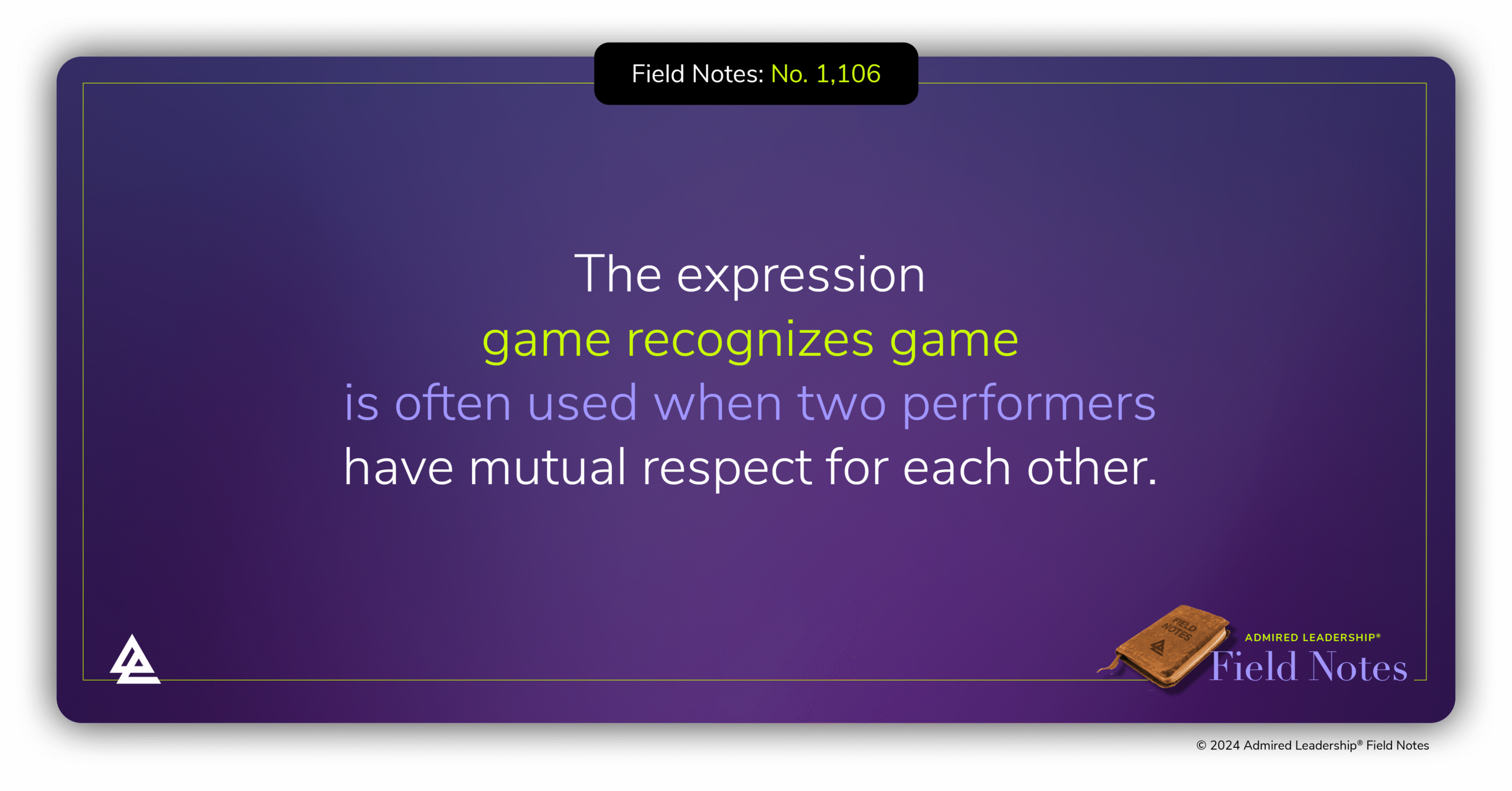
Game Recognizes Game
The expression game recognizes game is often used when two performers have mutual respect for each other. Leaders, athletes, and performers who are highly skilled and experienced look for signs that others understand what it takes to perform at the highest level. They look for people who have “game,” which is another way of saying…
-
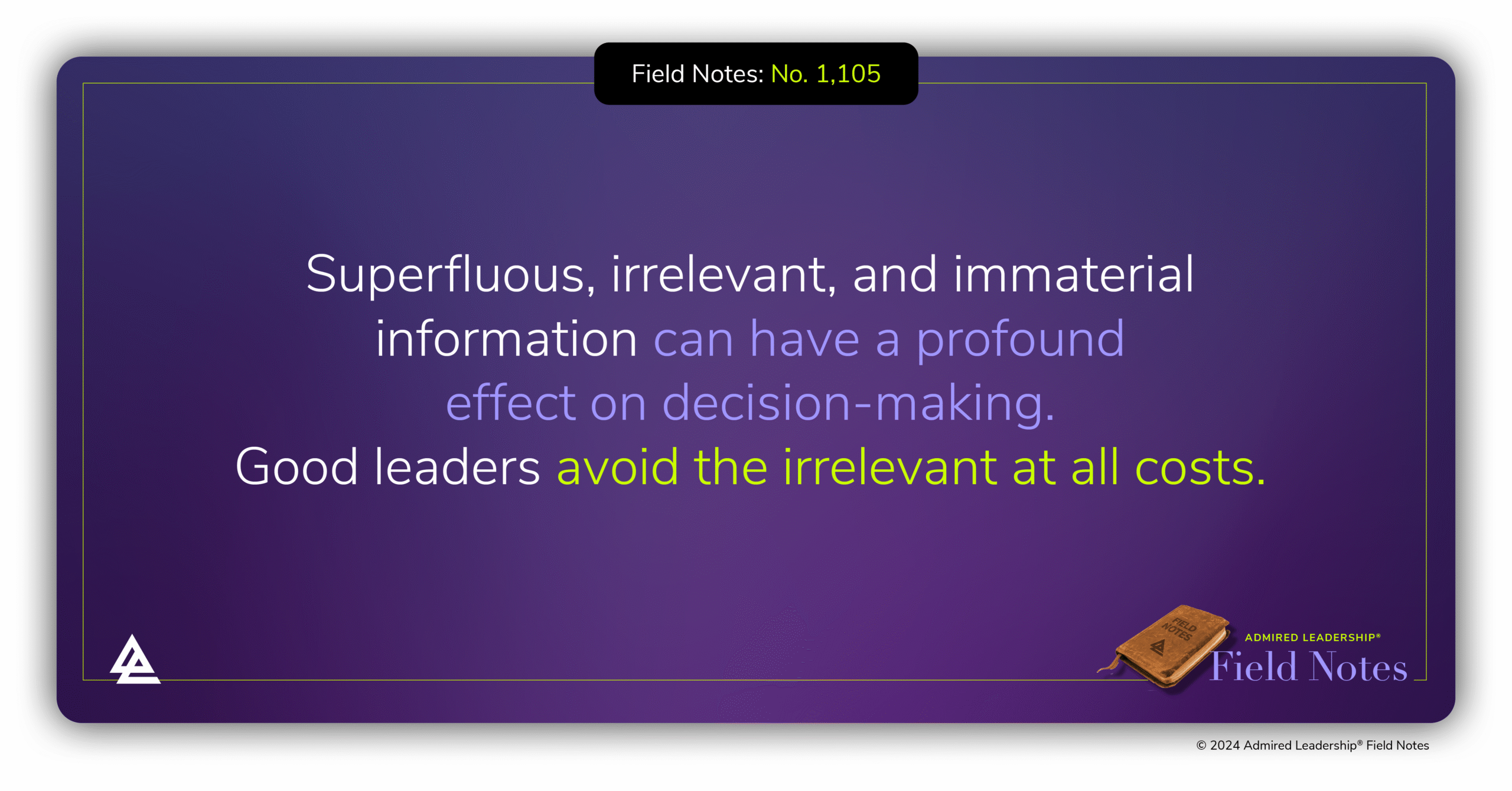
How to Avoid Focusing on Irrelevant Information When Making a Decision
Leaders sometimes think putting all the facts and data on the table will clarify the problem and make an obvious decision clear. It doesn’t. It sometimes makes it worse. When it comes to the intersection of decision-making and information, more is not necessarily better. Considering the right information, not just more of it, makes the critical difference. …
-
Why Is the 9-Box Talent Grid So Popular?
Why Is the 9-Box Talent Grid So Popular? The 9-Box Grid assists organizations in pinpointing future leaders, improving succession planning, identifying performance gaps and issues, igniting dialogue around talent placement, and suggesting development actions appropriate to where a person currently stands. It is a simple and valuable tool which has made it widely favored in…
-
A Team Exercise to Introduce New Best Practices
The best team exercises have a measurable long-term impact on the organization and culture. While exercises that are entertaining and highly engaging can give a team a much-needed boost of energy, team activities that incorporate learning and application make the organization better.
-
How Do You Know If a Job Candidate Has the Passion for the Work?
How Do You Know If a Job Candidate Has the Passion for the Work?