




FieldNotes
Our daily Field Notes email is just the kind of jumpstart you need. A fast read. Maybe less than a minute. Because sometimes it just takes one insight to change the trajectory of the day.

Search Field Notes
-
What Should I Discuss at My One-on-Ones?
Size undoubtedly matters when it comes to making an organizational change, for no other reason than the complexity involved with more people.
-
Does Size Matter When It Comes to Organizational Change?
Size undoubtedly matters when it comes to making an organizational change, for no other reason than the complexity involved with more people.
-
Fighting the Cancer of a Recklessly Negative Attitude
One of the strangest laws of attraction exists in the workplace. It’s simply astonishing how quickly the lowest performers find each other. They seek each other out for validation, effectively forming a cabal of complaints and grievances.
-
Investing in a Library of Experiences
When it comes to talent development, three essential investments stand out for their impact: best practice, assessment, and experience. Everything else pales in comparison.
-
I’m Surprised
Leaders who express disappointment in people can unintentionally create a tsunami of doubt and insecurity. When leaders prefer not to be so direct, it becomes challenging to offer criticism without causing alarm.
-
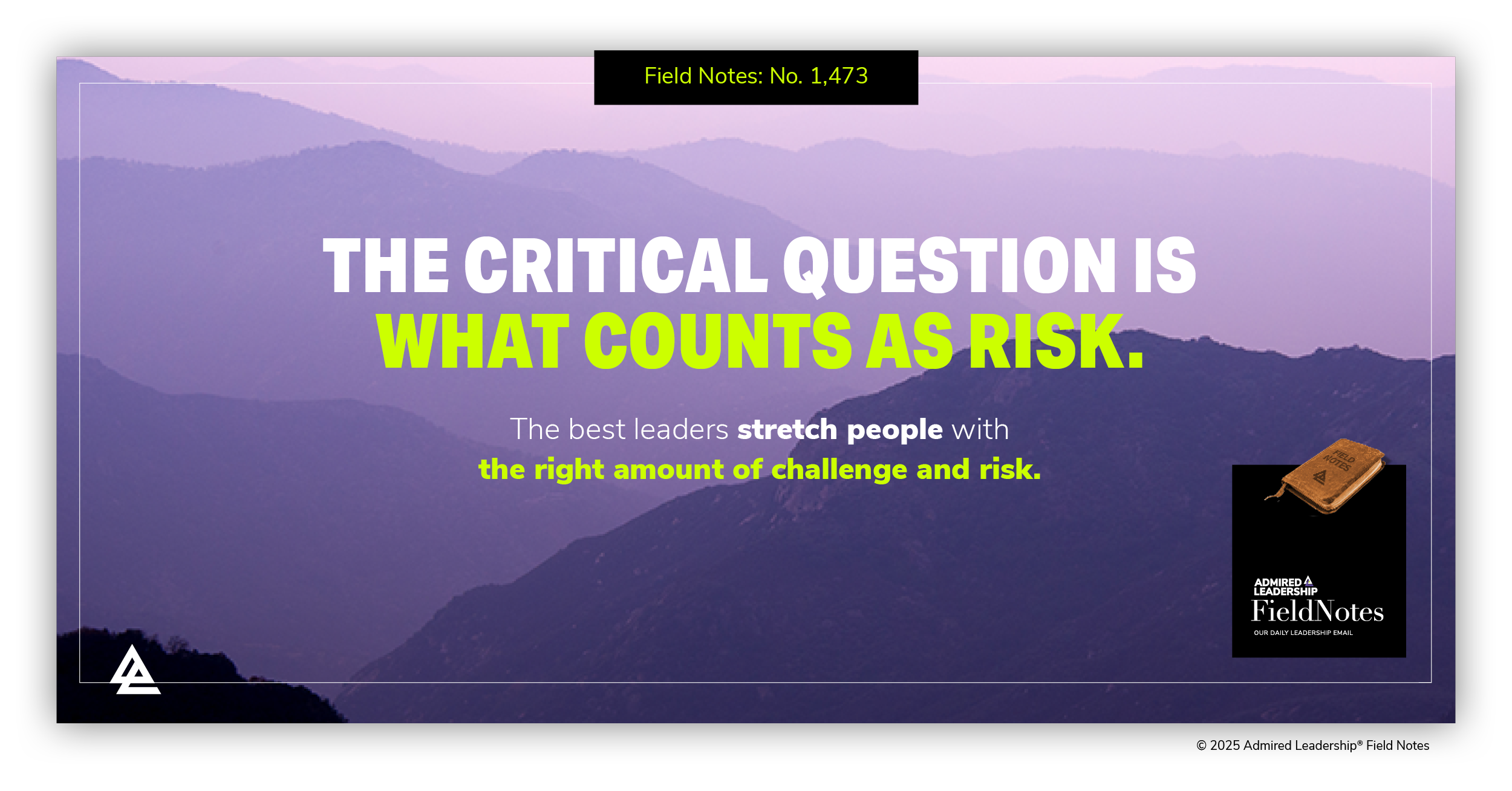
Challenges That Grow People Best
Good leaders stretch people. They provide opportunities and experiences that require new thinking, skills, and behaviors. They design or offer challenges that require sustained effort and that reward experimentation and initiative. They know people grow fastest when they operate with autonomy. So they design challenges that require independent decision-making.
-
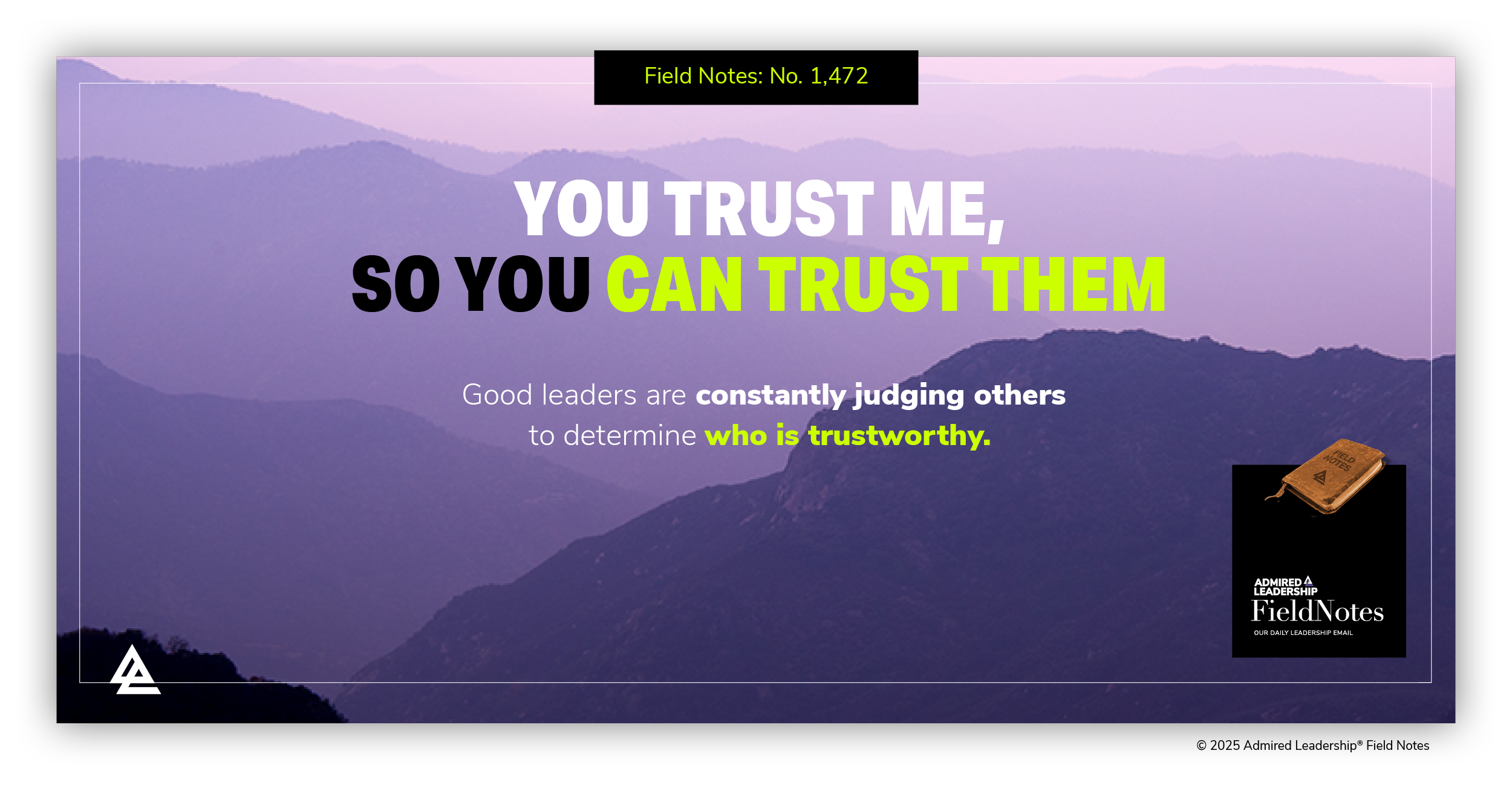
You Trust Me, So You Can Trust Them
Trust is not only the most essential building block of relationships and teams, but it is also the currency through which leaders become relationally wealthy. Leaders naturally trade in trust. By putting their reputation and credibility on the line when endorsing others, they exchange the most valuable gift in relationships. The greatest prize is who
-
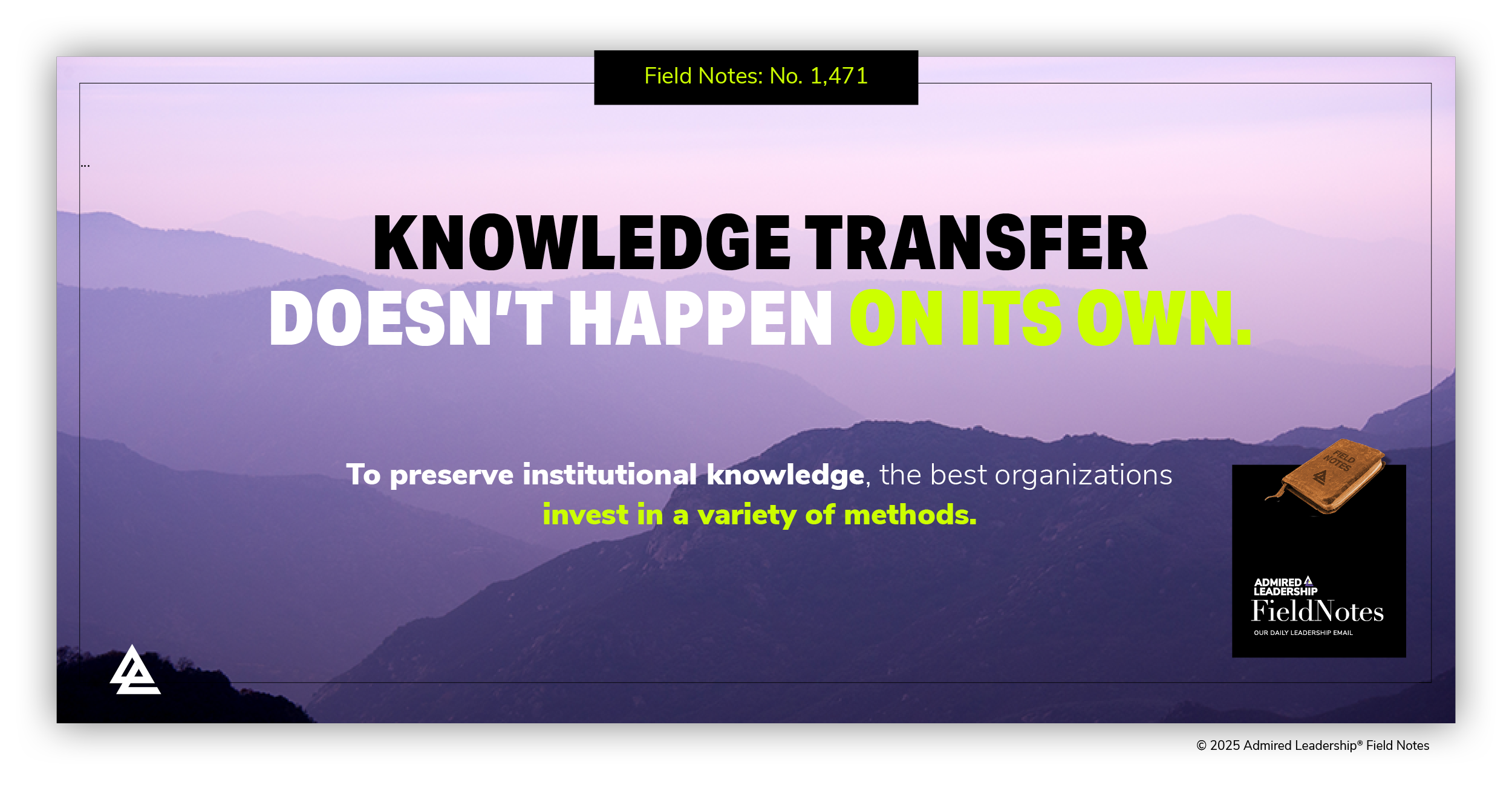
A Master Class of Institutional Knowledge
In many organizations, leaders presume that the collective knowledge that makes the organization effective will persist without a structured approach to retain it. Because they undervalue the tacit knowledge, expertise, and experience that an organization accumulates over time, they allow team members to leave, retire, and switch roles without much consideration for the consequences.
-
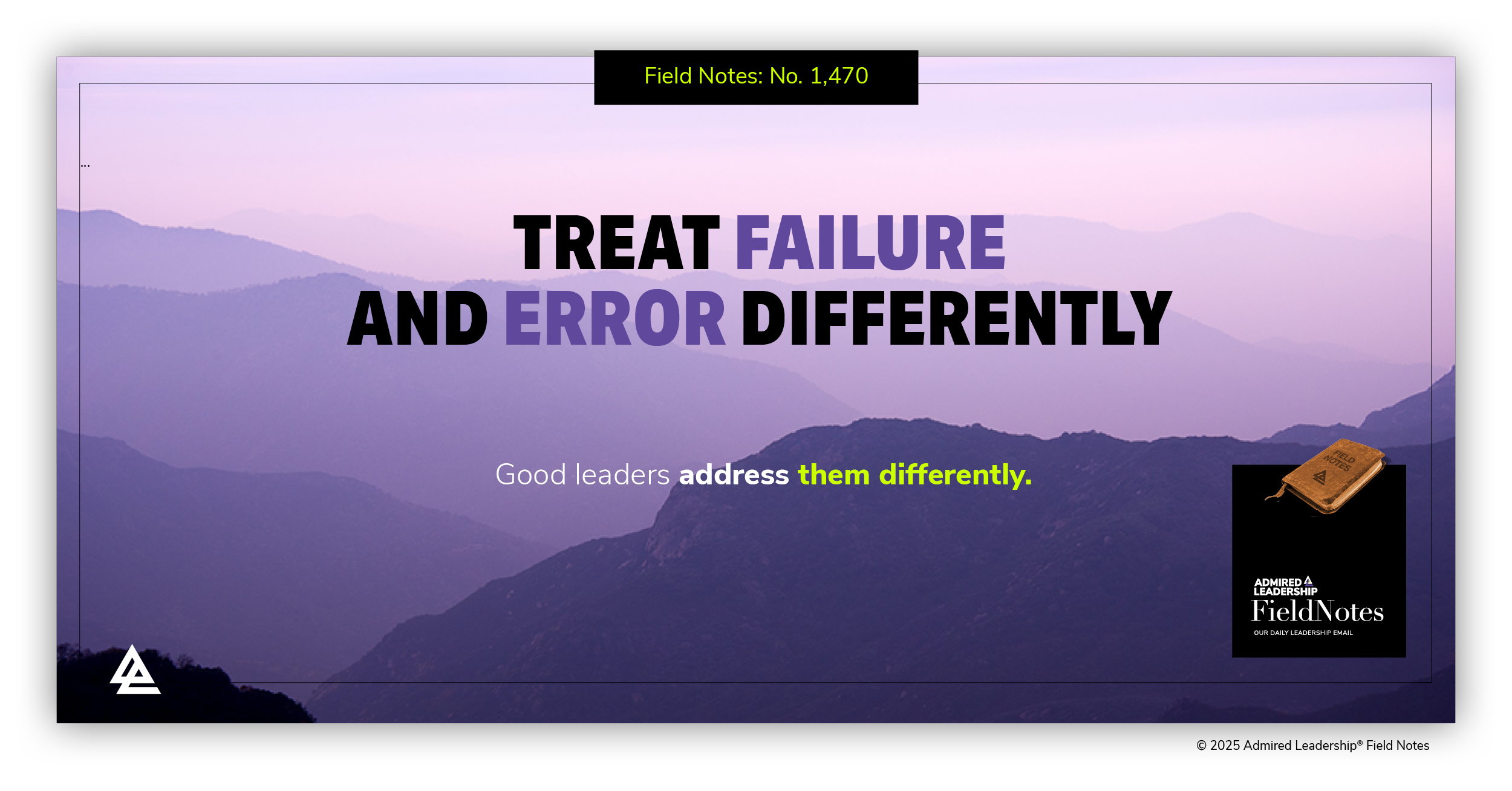
How Leaders Treat Failure and Error Differently
Leaders view failure and error very differently on purpose. It may sound like a matter of semantics, but for leaders, failure and error are very different outcomes that must be addressed distinctively. So they choose to treat these two outcomes differently to jumpstart improvement and to make more progress.
-

What Do I Wish My Leader Knew About Me?
Several years ago, elementary school teacher Kyle Schwartz wrote “I wish my teacher knew _______” on the board and asked her 3rd-grade students to complete the sentence. They responded with honesty, comedy, and vulnerability. What she learned changed her as a teacher.