




FieldNotes
Our daily Field Notes email is just the kind of jumpstart you need. A fast read. Maybe less than a minute. Because sometimes it just takes one insight to change the trajectory of the day.
Search Field Notes
-
Express a Palpable Confidence
How we expect others to perform has a surprisingly oversized impact on how they actually perform. Leaders naturally develop expectations for how team members will perform on any given task or assignment. Unknowingly, these expectations influence how the leader treats these team members. We speak differently, use different language, and offer different kinds of feedback
-
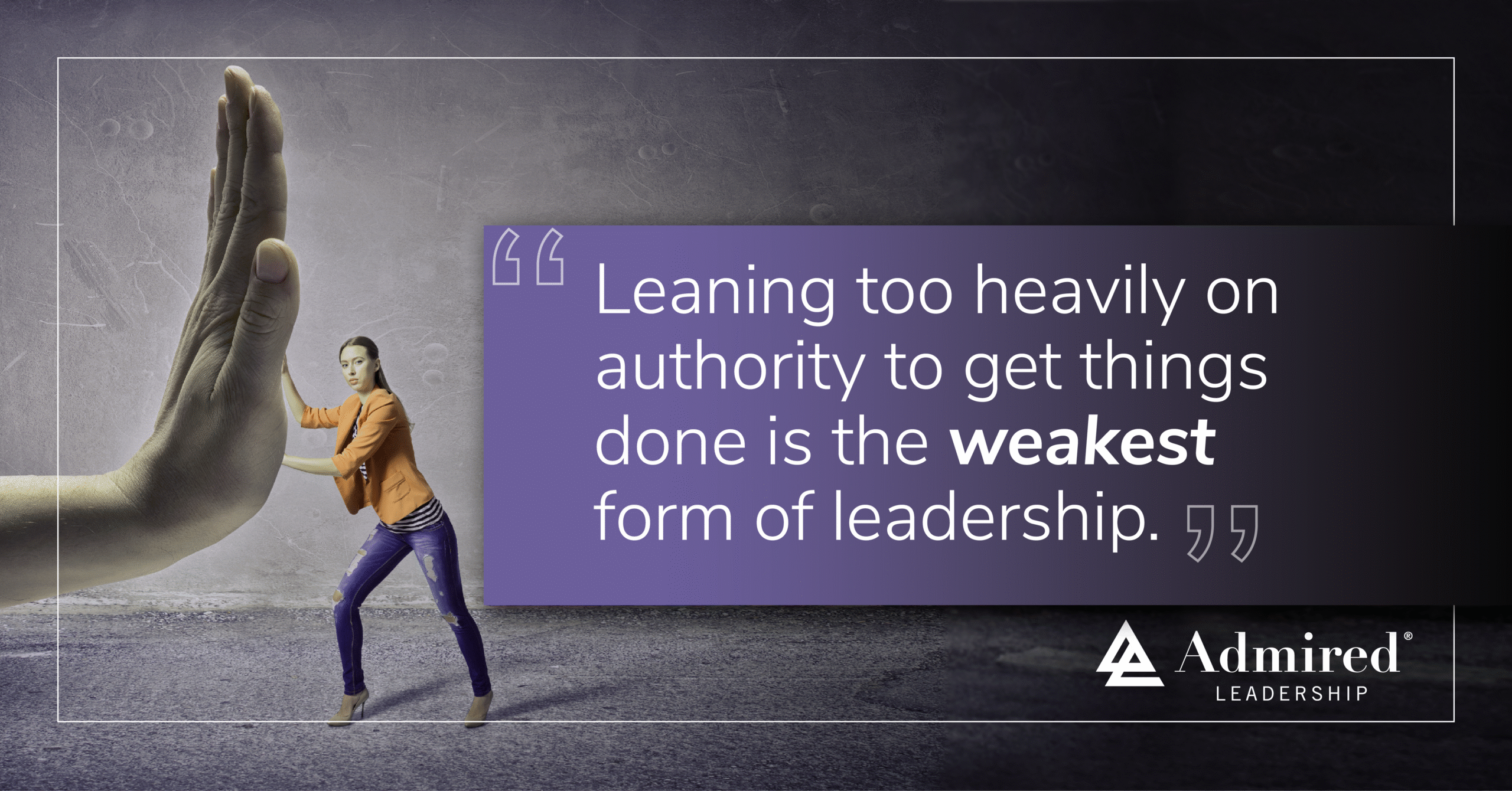
Keys to Influencing Without Authority
The status leaders hold in a social or organizational hierarchy gives them the legitimacy to direct action and compel people to perform. Teachers, parents, and leaders all benefit from this legitimate status as others defer to the authority imbued in the position they hold. However, leading peers, as well as others who do not directly report
-
State Weaknesses in the Past Tense
Knowing yourself as a leader necessarily includes an in-depth understanding and acknowledgment of your weaknesses. If you can’t state your weaknesses with the same clarity and detail as you can for your strengths, you aren’t self-aware enough to create the personal change necessary to become better. Leaders who want to grow and make strides in
-
Informal Conversation Is Not Optional
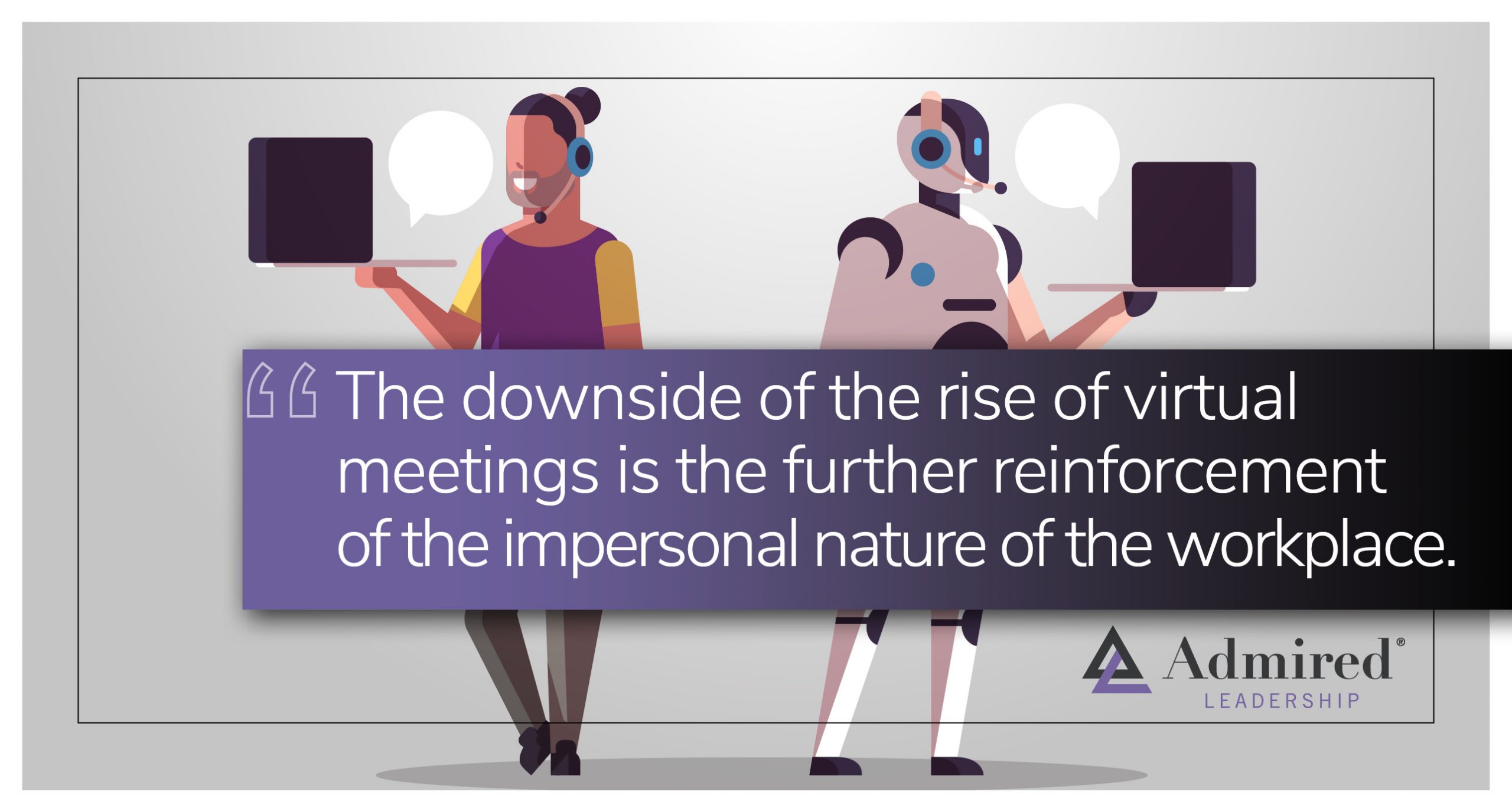
The downside of the rise of virtual meetings is the further reinforcement of the impersonal nature of the workplace. Working virtually has many advantages, but it comes at the cost of informality. Much of the feedback, relational connection, and creativity inspired by in-person interaction is lost in virtual calls. This is not always obvious to
-
What a Player-Led Team Really Needs
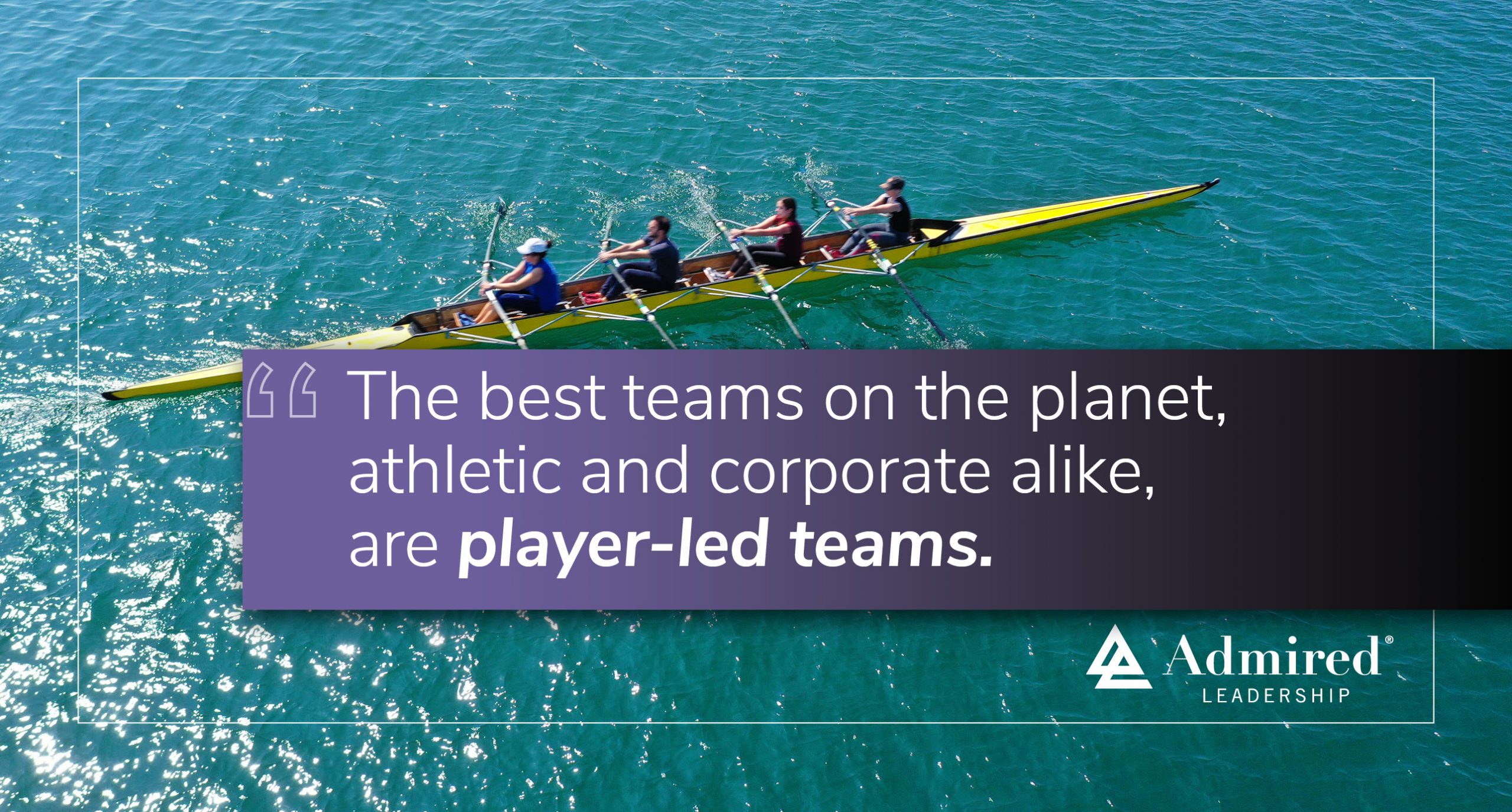
The best teams on the planet, athletic and corporate alike, are player-led teams. On these teams, it is the players or team members who engage in many of the leadership functions normally reserved for the team leader. Team leaders, by necessity, articulate the values, set the standards, create strategy, and measure results. On player-led teams,
-
The Artful Creation of Appropriate Distance
Effective leaders strive to strike the right social distance with the people they lead. The social distance between leaders and followers refers to the emotional closeness experienced in the relationship. Too much social distance between a leader and those they lead can create a sense that the leader is unapproachable and unconcerned with issues not directly affecting them. A
-

Retain Talent With the Glue That Binds
Why do talented people remain committed to a leader and an organization when they have attractive offers elsewhere? One reason is that the best leaders give those followers opportunities that they can’t get anywhere else. Truly talented colleagues love to learn and look forward to new challenges that will stretch their skills and expand their
-
Preach a Reverence for Details
Walt Disney knew it. Steve Jobs lived it. Mary Barra believes it. It is the little things that count. Details really matter to those who strive for excellence and, sometimes, achieve it. Those best at what they do find that it is the nuances and smallest details that transform effort into excellence. Details often seen
-
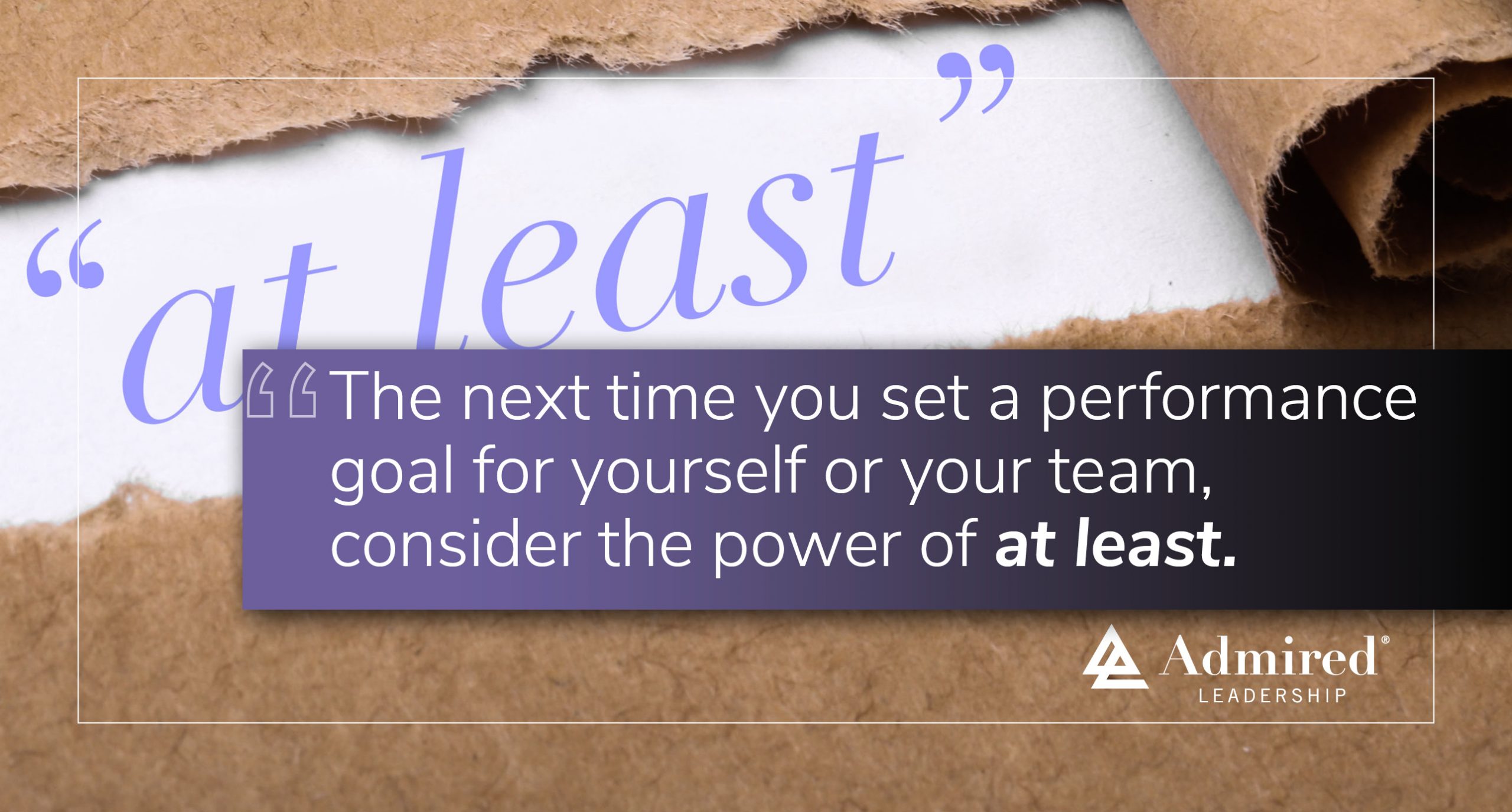
Two Words Will Elevate Your Accomplishments
We sometimes unknowingly place limits on our achievements by the precision of our goals. Setting hard targets and firm objectives can impose restrictions on what is possible. Precise goals don’t stretch the imagination. Lines in the sand make us feel great when we step over them, but they don’t challenge us to push even further.
-

The Dichotomy Between Truth and Harmony
A powerful dichotomy for understanding the quality of our relationships can be found in the tension between truth and harmony. We naturally privilege one quality over the other in our relationships. Especially with those who are important to us. Truth-over-harmony relationships emphasize the candid search for answers and realities, sometimes at the expense of compromise