




FieldNotes
Our daily Field Notes email is just the kind of jumpstart you need. A fast read. Maybe less than a minute. Because sometimes it just takes one insight to change the trajectory of the day.
Search Field Notes
-

The Dreaded Meeting After Lunch
The energy to fully engage becomes a big challenge right after lunch. As blood rushes to ease digestion, people become lethargic and lose the ability to stay focused and process information. Leaders who schedule important discussions or hold team meetings immediately following the lunch hour experience a detached and low-wattage audience. During off-sites and strategy
-

Don’t Confuse Personal Development With Performance Evaluation
Good leaders help others determine what skills and knowledge will catapult their everyday productivity and effectiveness. Through an ongoing flow of development conversations, team members learn what to correct, what to amplify, and how to add more value to the team. In the end, the learning and growth involved in development depend more on the
-
When We Ask Others to Sacrifice
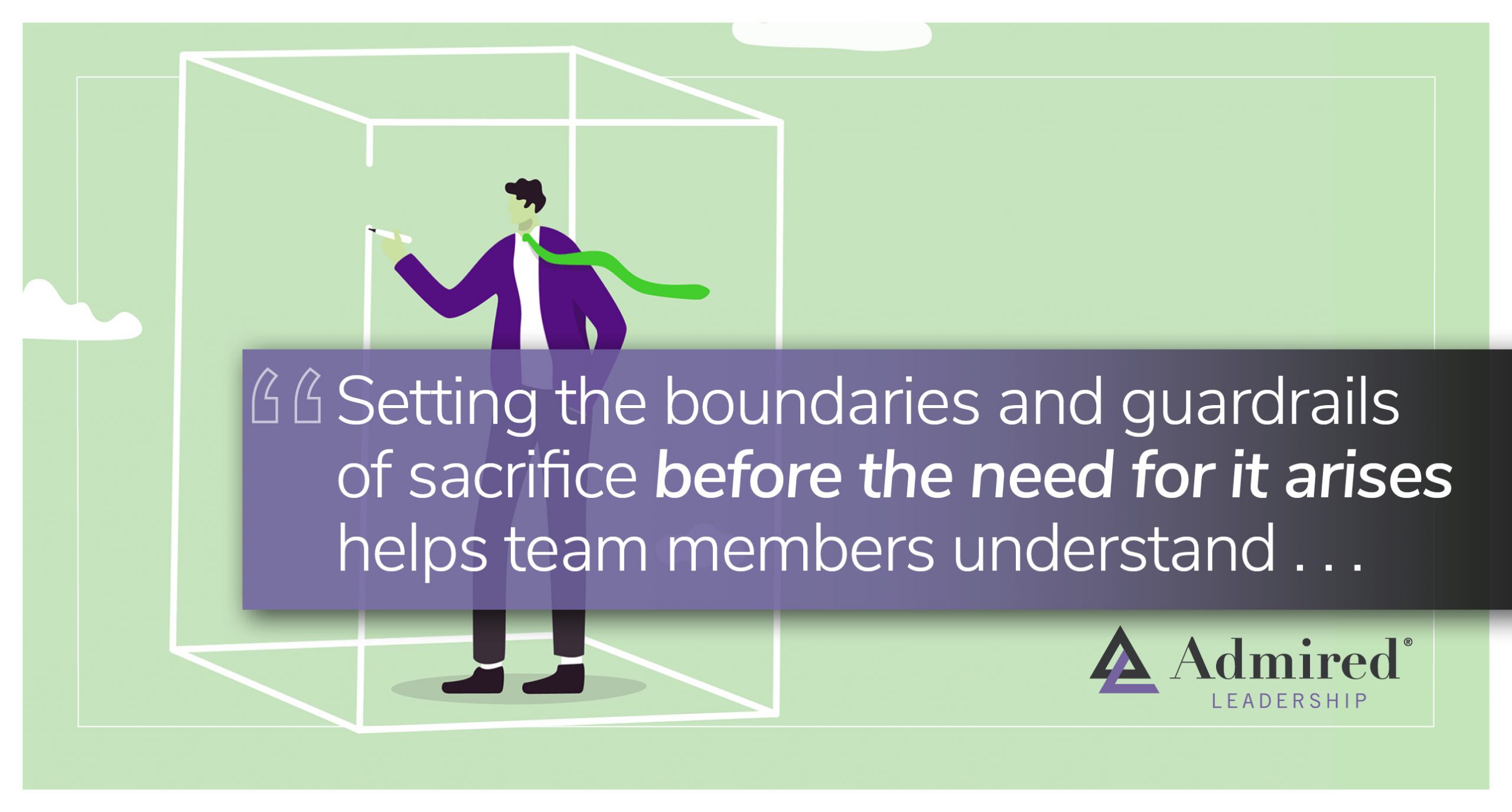
On rare occasions, a situation demands that the team make sacrifices to achieve an extraordinary result or to avoid succumbing to a potentially catastrophic event. In these rare moments, leaders ask everyone to show up and make the needed sacrifice. All hands on deck, as the sailors say. No exceptions.
-
Back-Channel Communication Can Be Toxic
Complaining about others when they aren’t present is a team sport in some organizations. We naturally want to validate how we see events and people with those we trust. When that validation frequently focuses on our frustrations and distaste, this form of communication can become toxic.
-
Reward Unfairly
A painful reality leaders must recognize is that much of the team’s performance comes from only a small group of individual contributors.
-
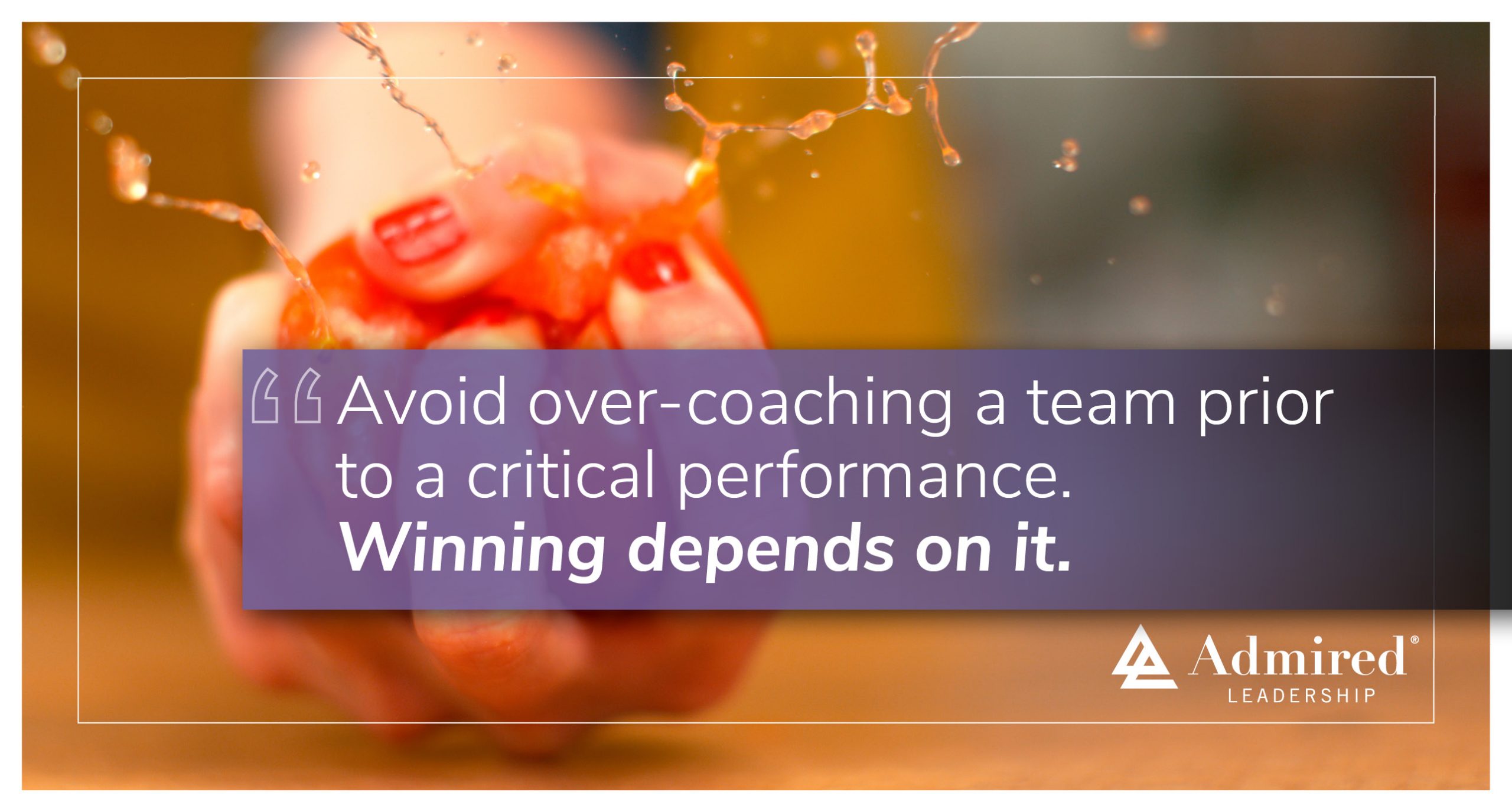
Over-Coaching Creates Poor Execution
Overcoaching employs a tight grip in order to squeeze out a great performance. But just like squeezing a ball or a club, the stronger the pressure, the less leaders and team members control the situation. Avoid over-coaching a team prior to a critical performance. Winning depends on it.
-

When Others Don’t Speak Up, It’s About You
When you find others don’t speak up in conversations and meetings, take a hard look in the mirror.
-
Be Generous When It Counts
Many of the best things leaders do for their colleagues come without financial cost.
-

Stop Telling Other People’s Stories
While telling the stories of others is a sound approach, it is time to do it less. Storytelling is even more powerful when we tell our own stories.
-
Work Smarter, Not Harder
Knowing what needs to get done and rallying the resources to accomplish the highest priority is the work of a smart leader.