




FieldNotes
Our daily Field Notes email is just the kind of jumpstart you need. A fast read. Maybe less than a minute. Because sometimes it just takes one insight to change the trajectory of the day.
Search Field Notes
-
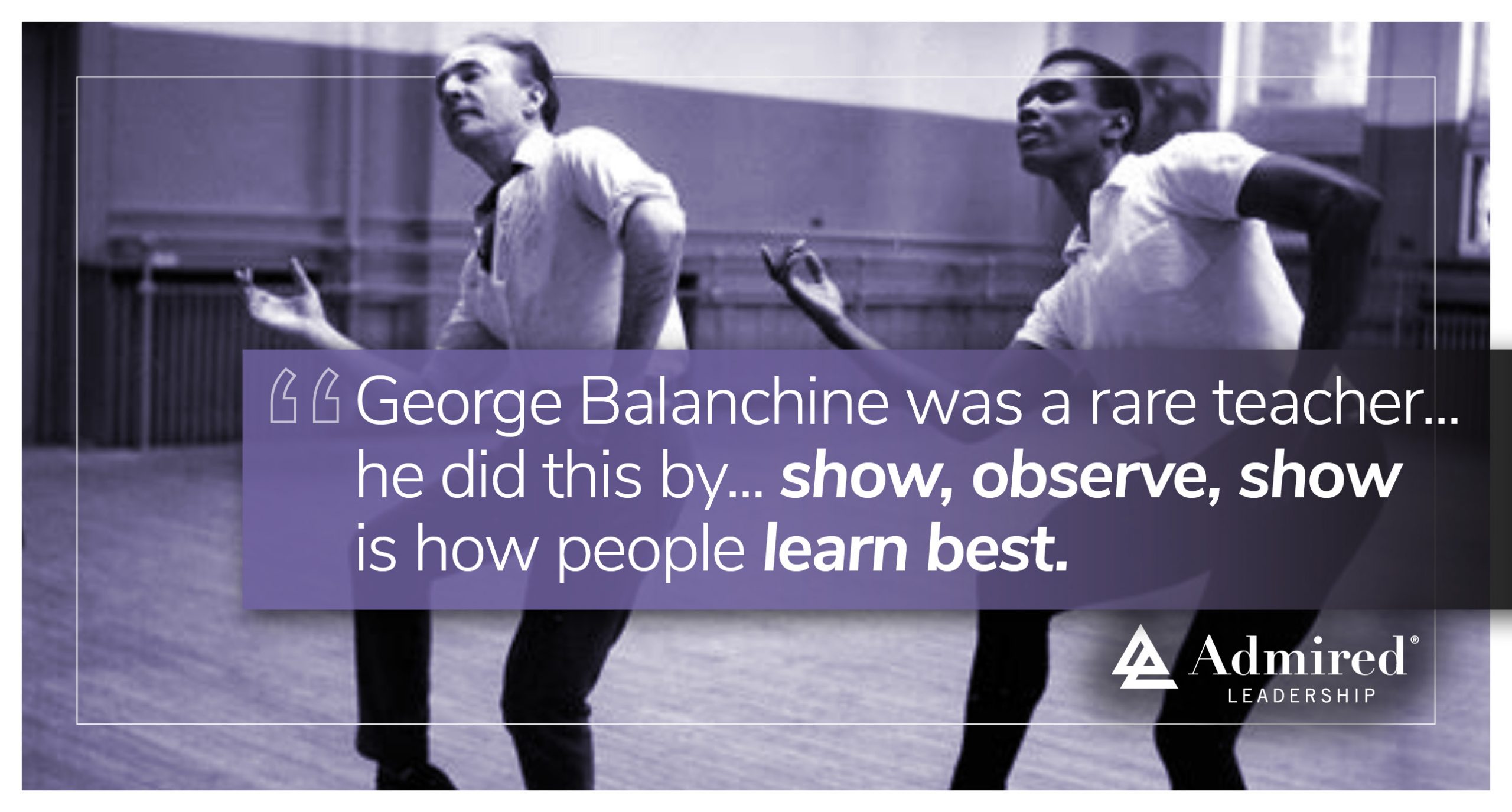
Teach Like George Balanchine
Nearly 40 years ago, the world lost one of the premier choreographers in ballet. Co-founder of the New York City Ballet and its Artistic Director for more than three decades, George Balanchine left his mark on ballet and guided countless dance instructors on how to teach precision. Leaders and teachers in all fields can stand…
-
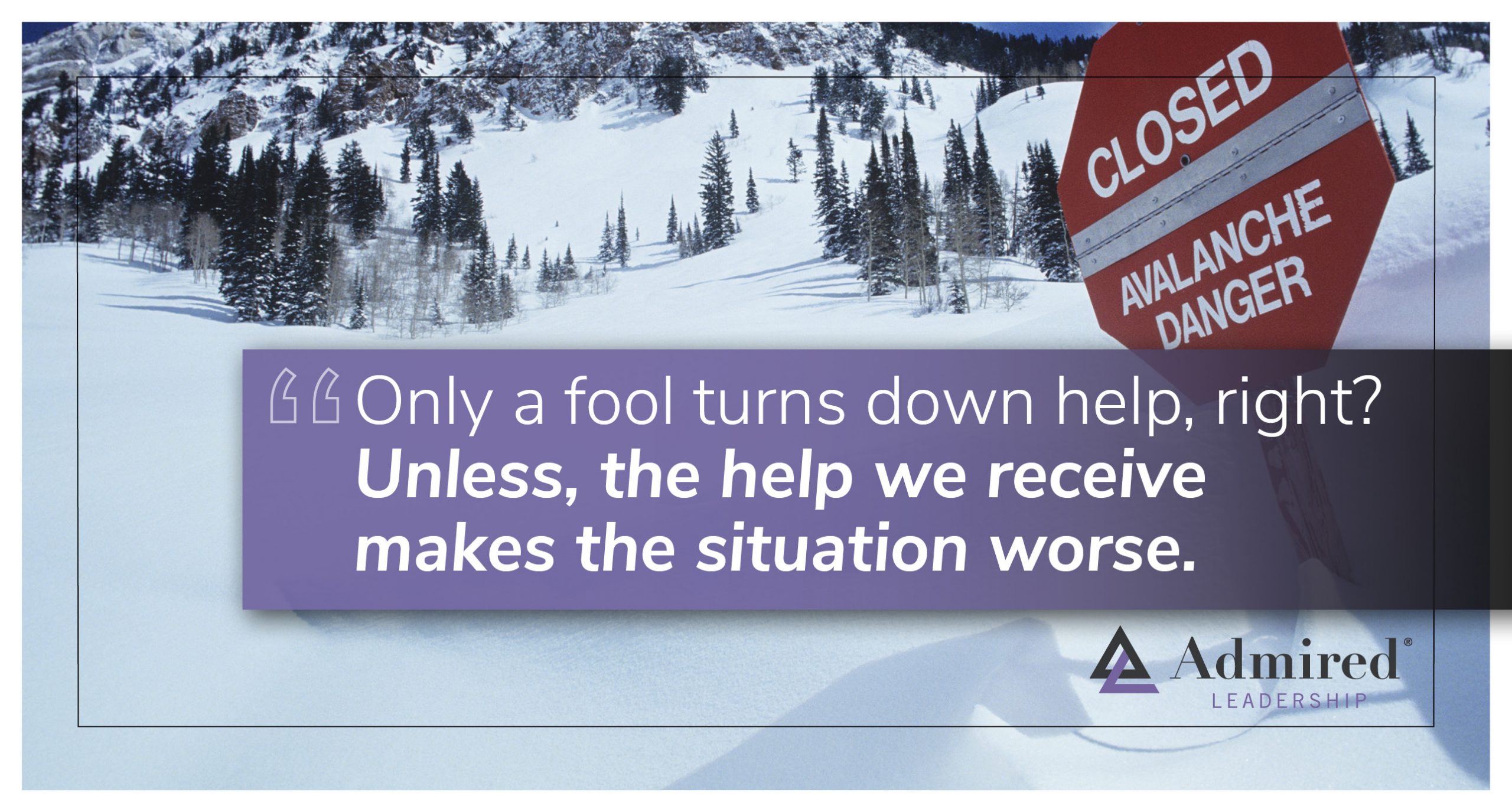
Buried in an Avalanche of Helpfulness
When others offer help for our struggles and problems, we usually benefit from the wisdom, the caring, and the assistance they provide. Thanks to the goodwill of those ready to lend a hand, the help we receive is typically a godsend, enabling us to sort things out or dig out of a hole.
-
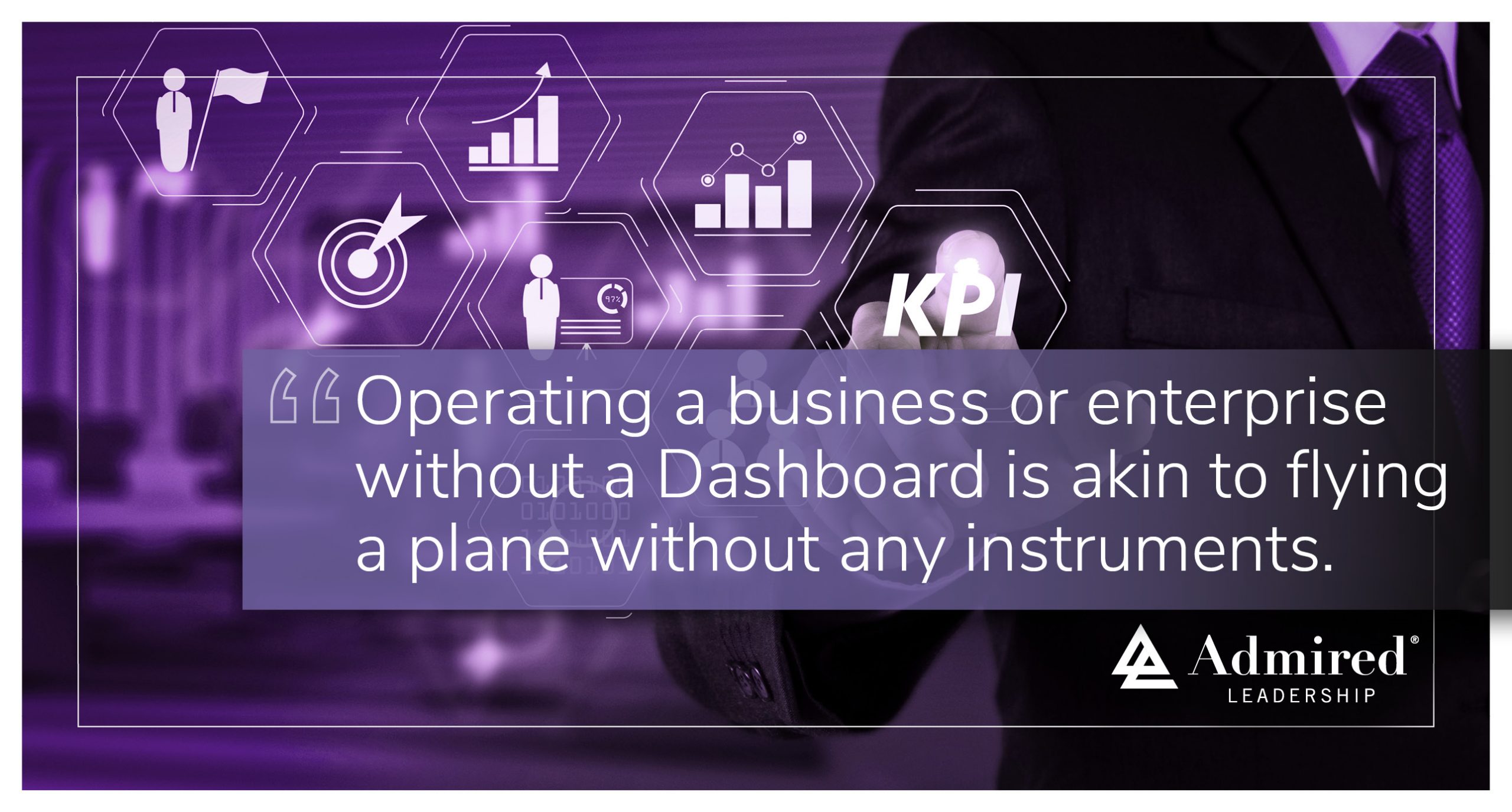
Leaders Need Both Dashboards and Scorecards
In the seemingly complex world of performance management, the best leaders rely on two important, but different, reporting tools to improve effectiveness: Dashboards and Scorecards.
-

The Fine Line Between Confidence and Arrogance
Old news: People are attracted to confident leaders and turned off by arrogant ones. We respond very differently to a leader who believes in themselves versus a leader who fixates on their own self-importance. In popular culture, we often hear the expression, “There is a fine line between confidence and arrogance.” But for leaders, the…
-
No One Washes a Rental Car
As a general rule, people don’t wash rental cars before returning them. Since we don’t own them or have a stake in their cleanliness, washing a rental car seems like a silly thing to do. This logic extends to teams and organizations, as well.
-
Postpone Disagreement About Feedback
We often disagree with the feedback others give us. After all, they aren’t in our shoes. They don’t know what we know. It’s only natural to stand our ground and resist — even when we realize our own knee-jerk reactions and pushback can rob us of the ability to understand our performance more deeply and…
-
Debating Team Priorities
For teams and organizations to make real progress, it is required work for teams to both set, and agree to, priorities. Having too many priorities means delivering nothing with excellence and wasting valuable resources.
-

To Listen Better, Try Slow Understanding
We prize intellectual speed because it reflects talent and “on-your-feet” smarts. So, we listen less and respond to others too quickly. But mental speed comes with a cost, particularly when it is expressed as an answer or rebuttal. We miss important understandings. We pass over essential learnings. We become blind to conversational nuances. To improve
-
No One Will Train Harder Than Me
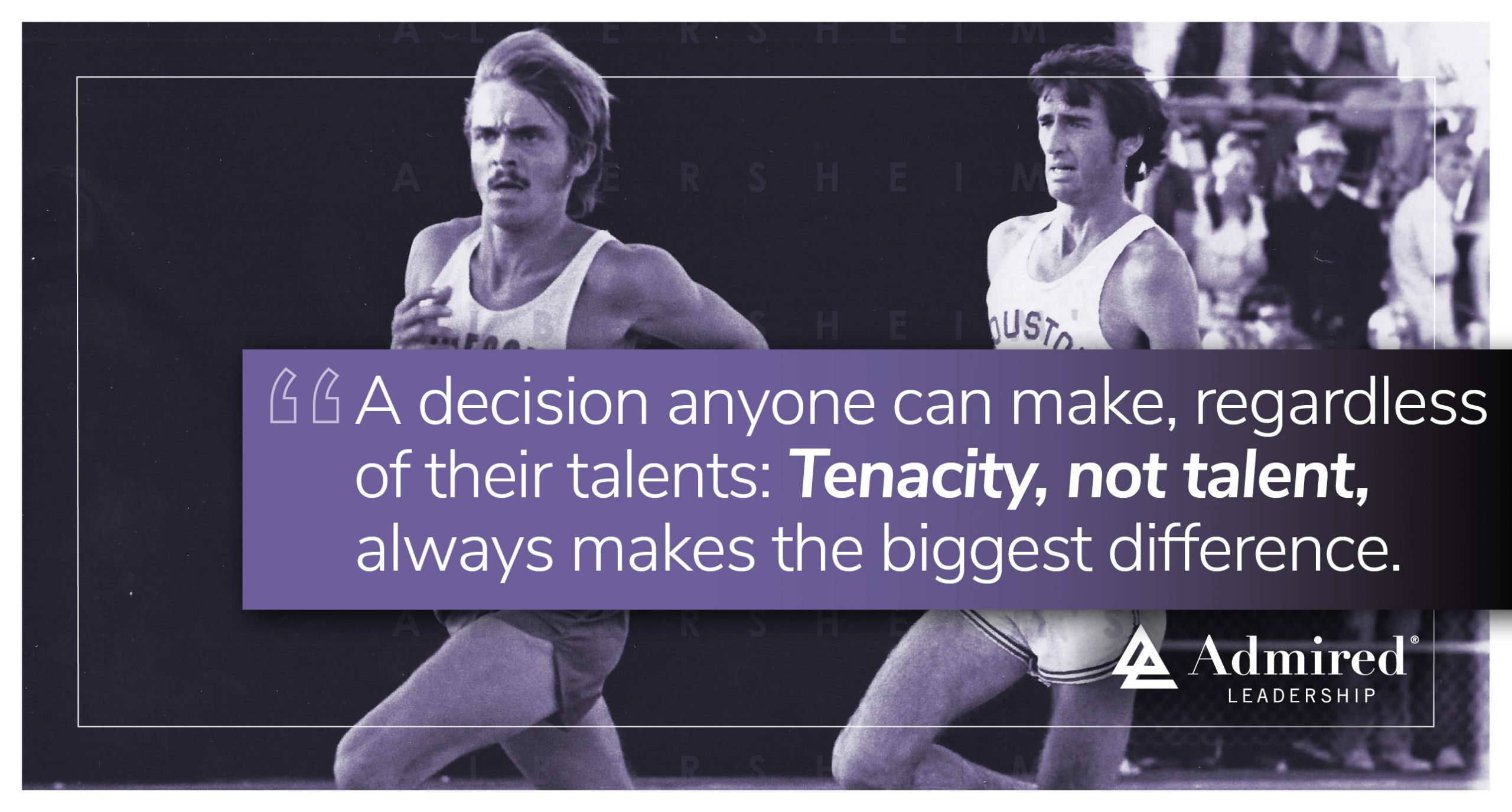
One of the most well-known American runners in history was an athlete who didn’t live to see his 25th birthday. Steve Prefontaine’s influence on the world of track and field and what it means to reach for and attain excellence became oversized even before he lost his life in a tragic car accident nearly half
-
Overcommunicate Until People Roll Their Eyes
We live in uncertain times. When people lack clarity about the future, they look to public leaders to reduce their anxieties and give them a sense of hope and optimism. On a smaller scale, when organizations change in response to marketplace differences, team members experience the same feelings of concern and worry. They turn to