




Our daily Field Notes email is just the kind of jumpstart you need. A fast read. Maybe less than a minute. Because sometimes it just takes one insight to change the trajectory of the day.
Search Field Notes
-
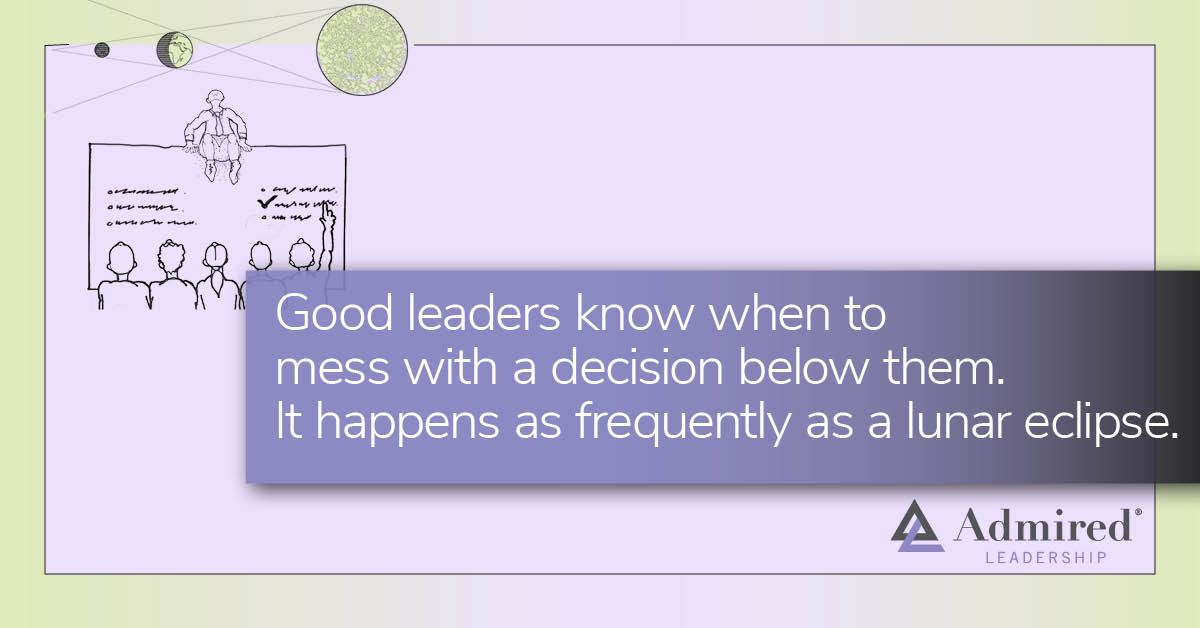
Colleagues That Shop Decisions
Less effective leaders like the feeling of power they get when opining and exerting influence on every decision. Unfortunately for them, this is no way to run a railroad. Their need for control and the desire to tinker with decisions below them bankrupts the ability of others to lead. Decision quality and acquiring buy-in both…
-
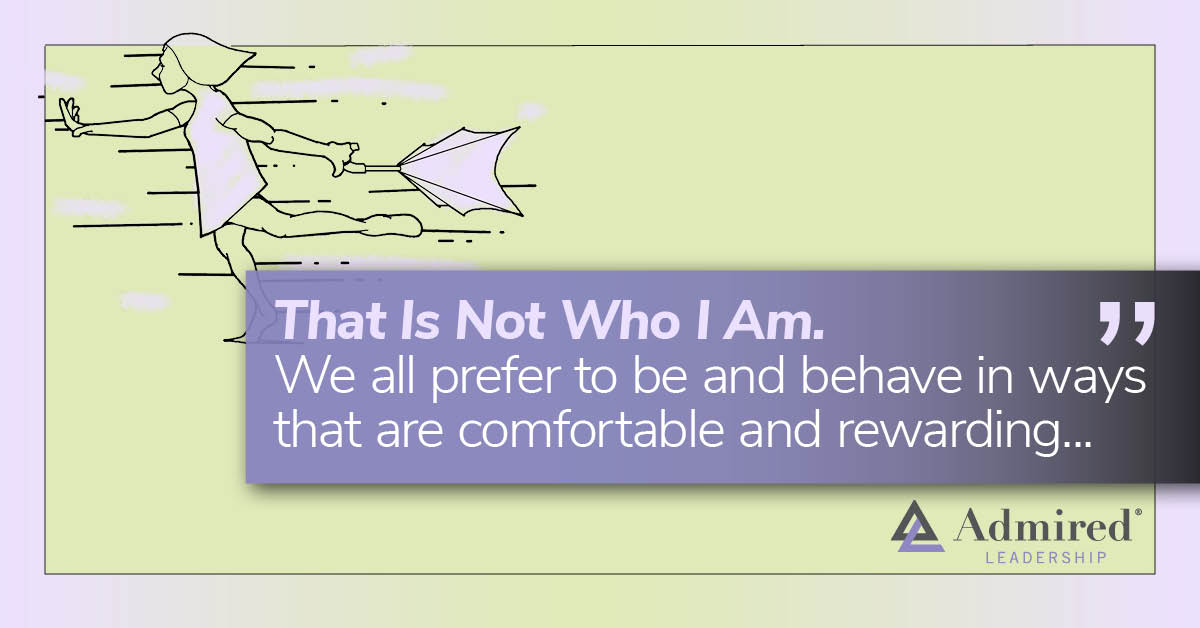
That Is Not Who I Am
Self-improvement begins with a rejection of the fixed mindset of who we are. Who we are is a reflection of how we behave. Very few behaviors arise from the depths of our DNA. Who we like to be, and don’t like to be, confronts everyone who is trying to become a better version of themselves.…
-

Colleagues Who Leave Because of High Expectations
High performers love to own outcomes and move toward responsibility. For them, control and autonomy over projects and tasks are performance-enhancing drugs that empower great effort and work. Those driven by excellence and successful outcomes are mystified by colleagues who don’t seem to be inspired by challenge, high standards, and the pursuit of excellence.
-
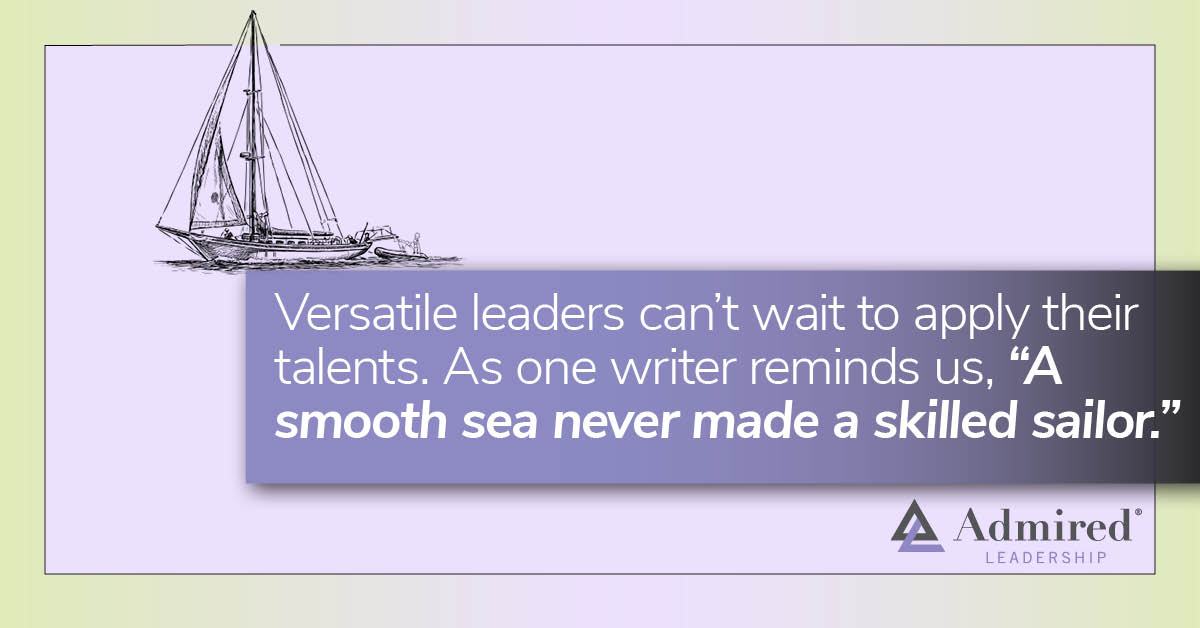
Versatility Is Required for Mastery
Versatility is the hallmark of high performers. A versatile performer combines a mastery of skills and the ability to apply them creatively in a myriad of situations. That’s why high performers are said to have more range.
-
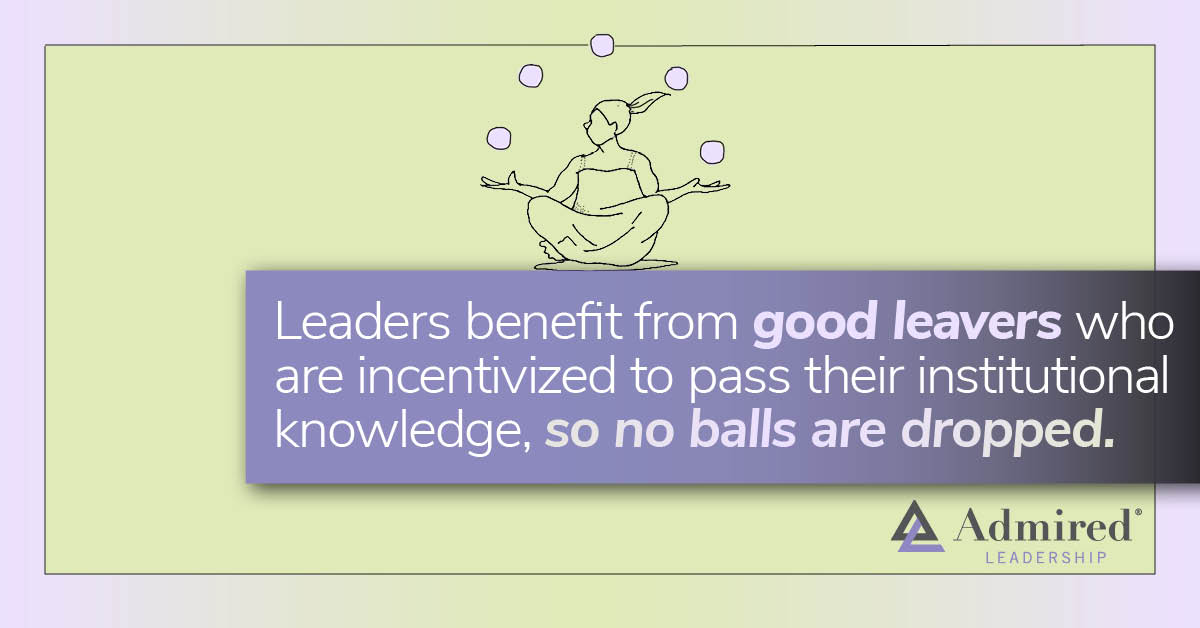
Transition Versus Termination
When a team member is not up to the job, it is better for everyone if they are able to transition rather than be terminated. If the organization has the resources to do so. It’s always easier to look for a new role from an existing one. A transition allows the departing colleague the ability…
-

The Best Way to Learn Is to Teach
We intuitively know that teaching others is the best way to learn just about anything. Any time we share a learning with others we clarify our own understanding in a much more precise way. Better yet, it exposes any gap we have in that understanding. This is known as the Protégé Effect among those who study learning.…
-
Some People Avoid You Because They Owe You an Apology
There are a truckload of reasons people avoid leaders at times. When those we lead don’t want the feedback, don’t like the answer, or don’t want to be held accountable or responsible, they commonly avoid us. Another reason is when a team member owes the leader an apology. Saving face by avoiding the people involved after…
-
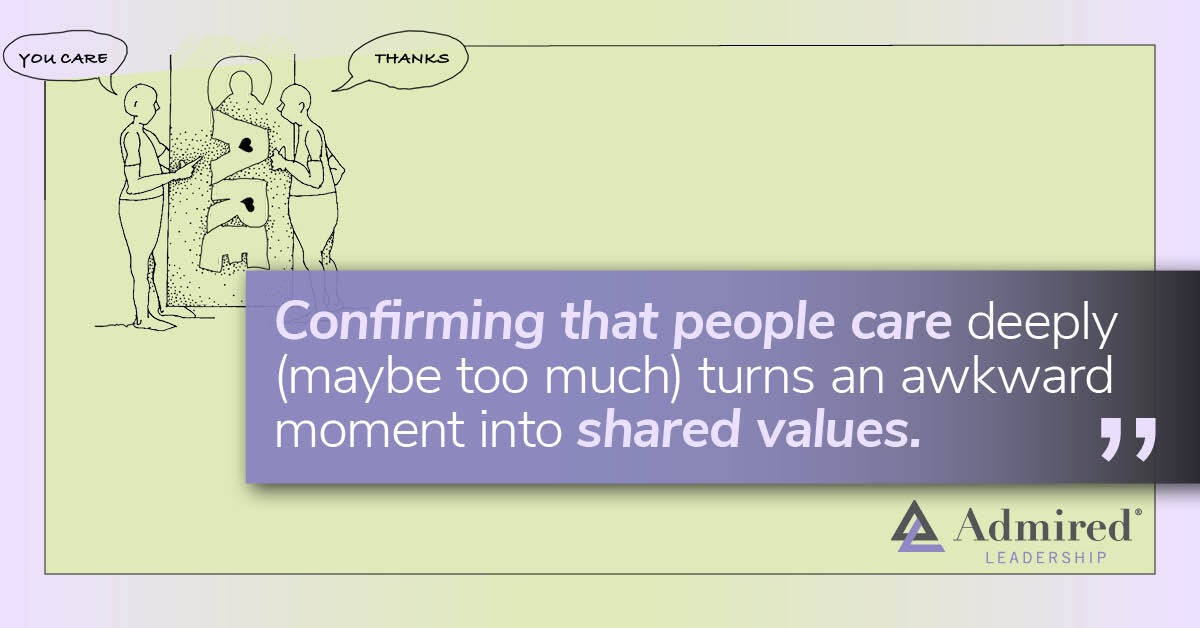
When Others React Emotionally
Leaders often confront situations where emotions run high. In response to an event or issue, a team member loses control and acts out by expressing what they are really feeling. In their emotional release, a colleague might cry, shake, give emphatic answers, raise their voice, display angry gestures, or turn inward in obvious pain. How…
-
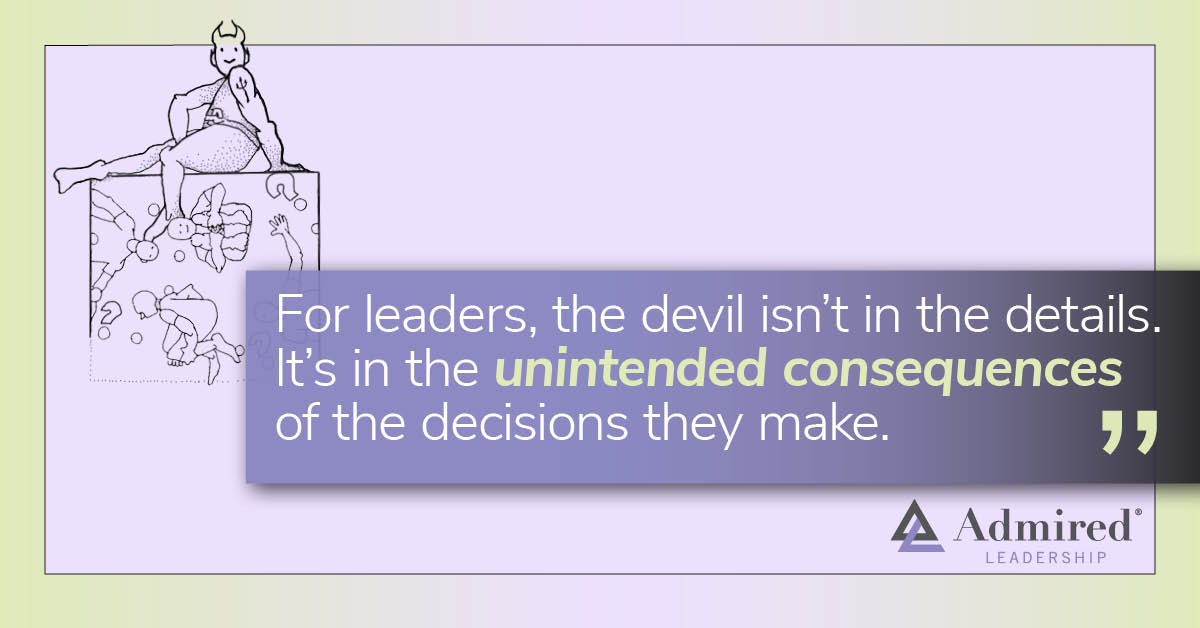
Wickedly Predicting the Unintended Consequences of Decisions
For leaders, the devil isn’t in the details. It’s in the unintended consequences of the decisions they make. The perverse and unpredicted effects of a decision can sometimes magnify a problem and make it much worse. Known as “blowback” in clandestine operations, the unforeseen outcomes of a decision can cause a big mess and turn…
-
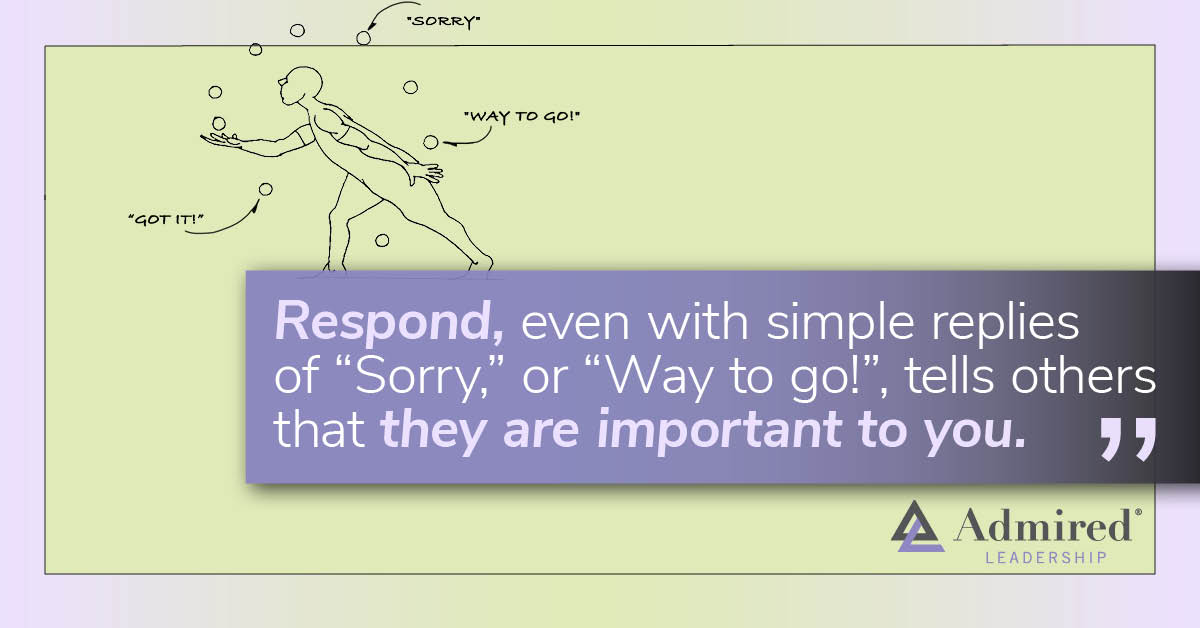
Not Responding Is a Loud Response
In an increasingly mediated communication society, however, such small acts carry a heavy impact. Those leaders who prize relationships get this idea and find a way to respond quickly. They know that not responding is a relationship offense that speaks volumes about who really matters to them. Taking the time to respond, even with simple…