




FieldNotes
Our daily Field Notes email is just the kind of jumpstart you need. A fast read. Maybe less than a minute. Because sometimes it just takes one insight to change the trajectory of the day.

Search Field Notes
-

Talking to Leaders When They Fall Out of Favor
Talking to Leaders When They Fall Out of Favor. When they recover their mojo, they turn to authentic relationships with those who didn’t abandon them when it mattered most. You can be one of those trusted relationships if you don’t follow the crowd, but instead turn toward people you respect who are out of favor.…
-
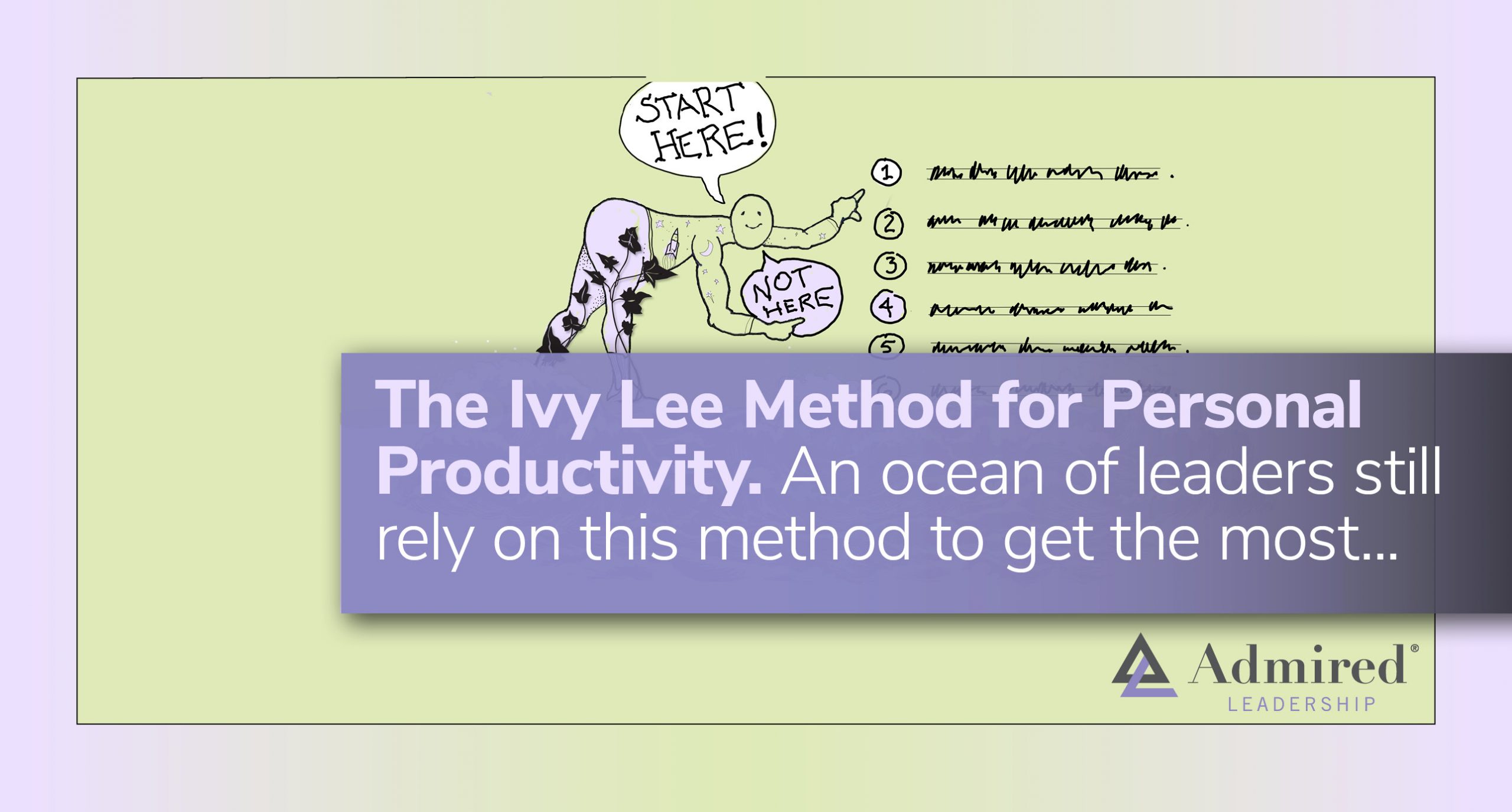
The Ivy Lee Method for Personal Productivity
The Ivy Lee Method for Personal Productivity. By asking leaders to follow that simple sequence and to accomplish the most important thing first each day, he changed the way leaders think about productivity for years to come. An ocean of leaders still rely on the Ivy Lee method to get the most out of their…
-

The Way You Speak to Yourself Matters
The Way You Speak to Yourself Matters. Frequently replace negative commentary with commands for action and you will soon find the inner critic has taken a permanent vacation. Don’t let your self-talk turn to the dark side. Fight off the negative commentary that can quickly become a habit. Substitute a command for action anytime the…
-
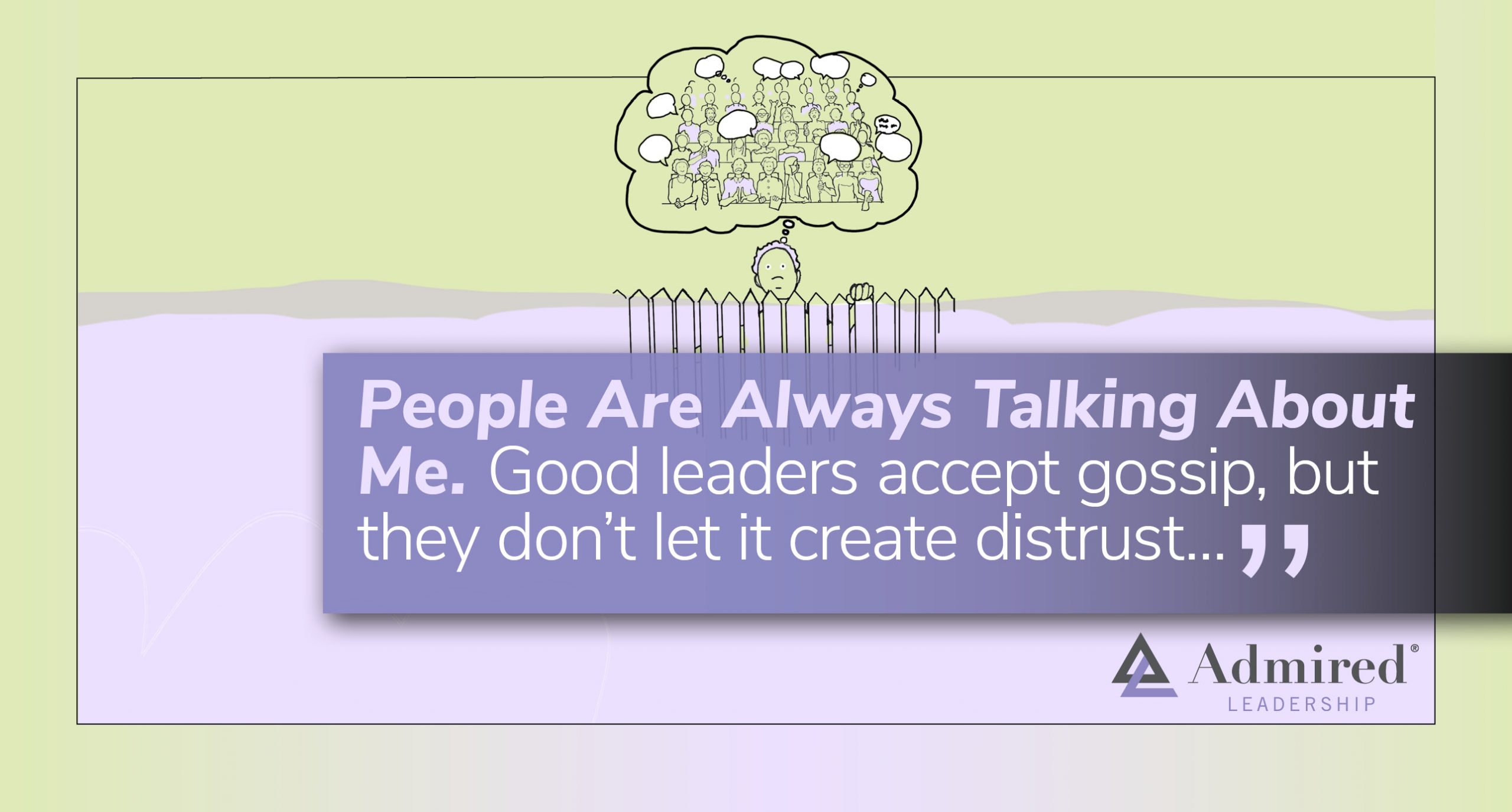
People Are Always Talking About Me
People Are Always Talking About Me. Good leaders accept that gossip will occur, but they don’t let it create distrust on the part of a valued team member. They remind the team that no one is immune to the effects of negative rumors
-
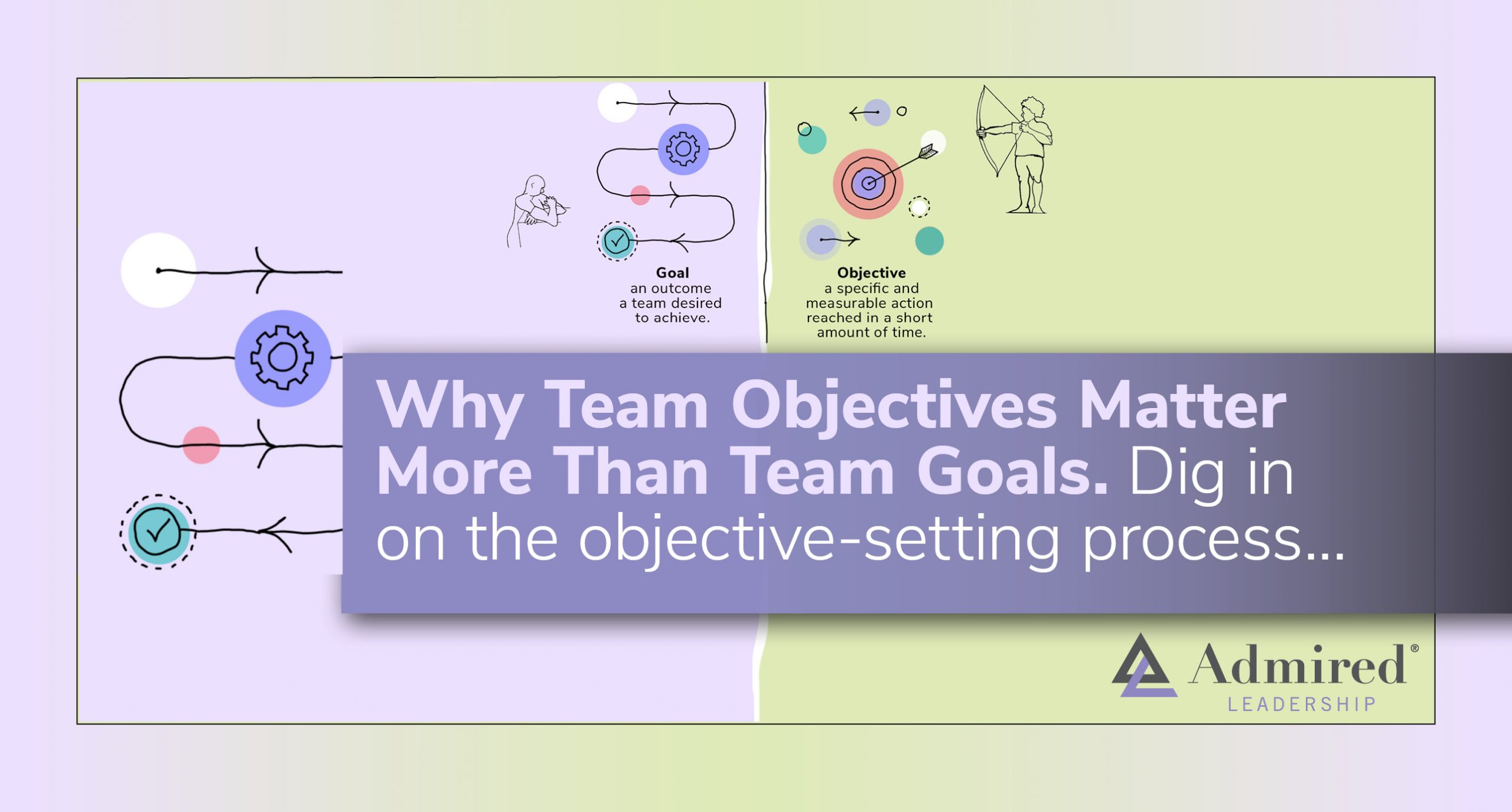
Why Team Objectives Matter More Than Team Goals
Why Team Objectives Matter More Than Team Goals. Setting goals and objectives within an organization or team is very different from setting personal goals and working toward achieving them. Both are creative processes that demand discipline, but organizational goal setting requires aligning the work and action of many people and therefore necessitates a distinctive strategy.…
-
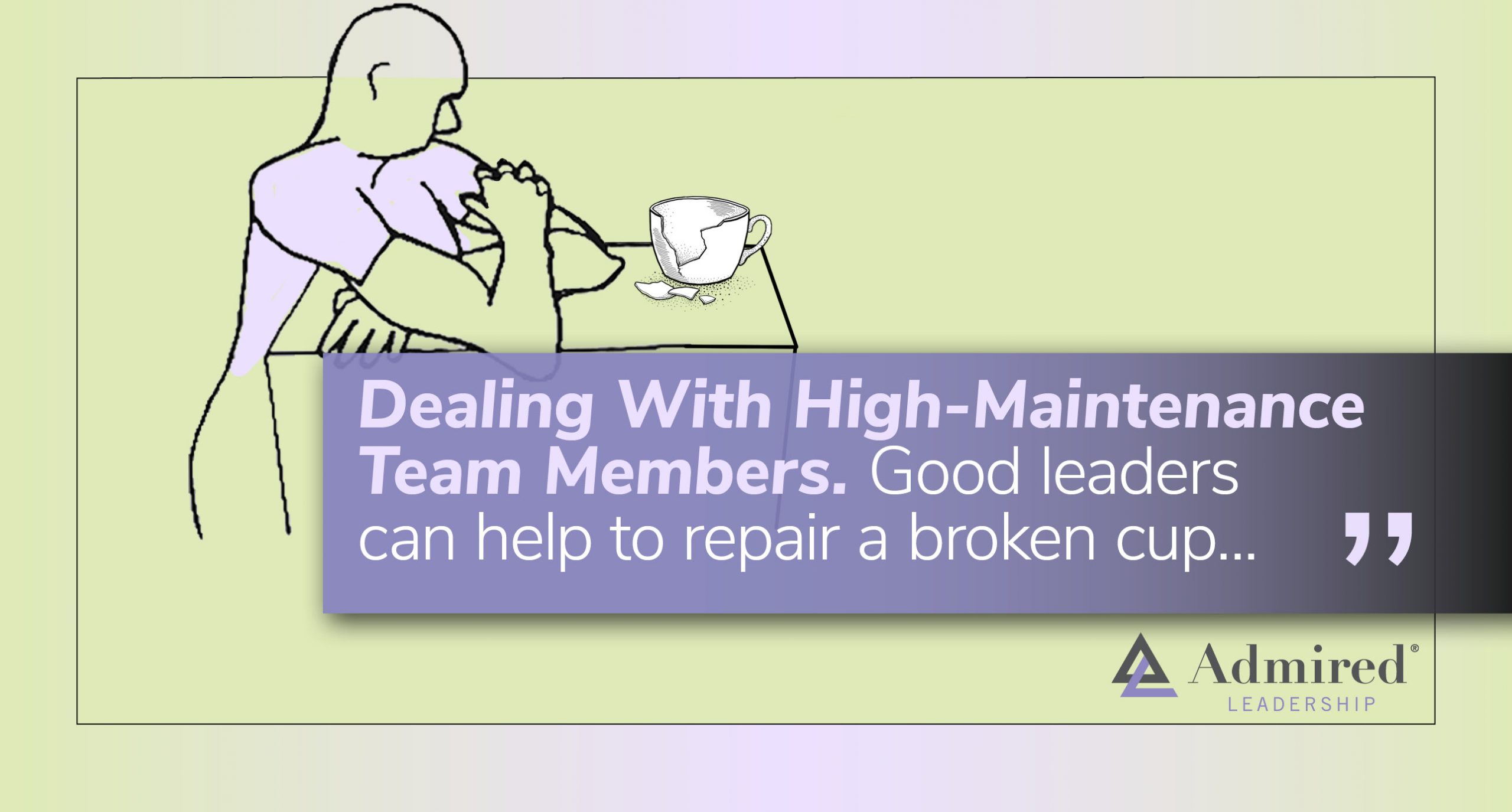
Dealing With High-Maintenance Team Members
Dealing with High-Maintenance Team Members. Leading a high-maintenance colleague is rarely fun or easy. But with a skillful appeal of setting clear boundaries, good leaders can help to repair a broken cup.
-

When to Give People a Second Chance
Everyone missteps. But some mistakes are bigger than others. A willful mistake that erodes trust or seriously undermines credibility has to be forgiven. Without forgiveness and the willingness to give others a second chance, the relationship must come to an end or change in some meaningful way. It’s much easier to give people a second
-
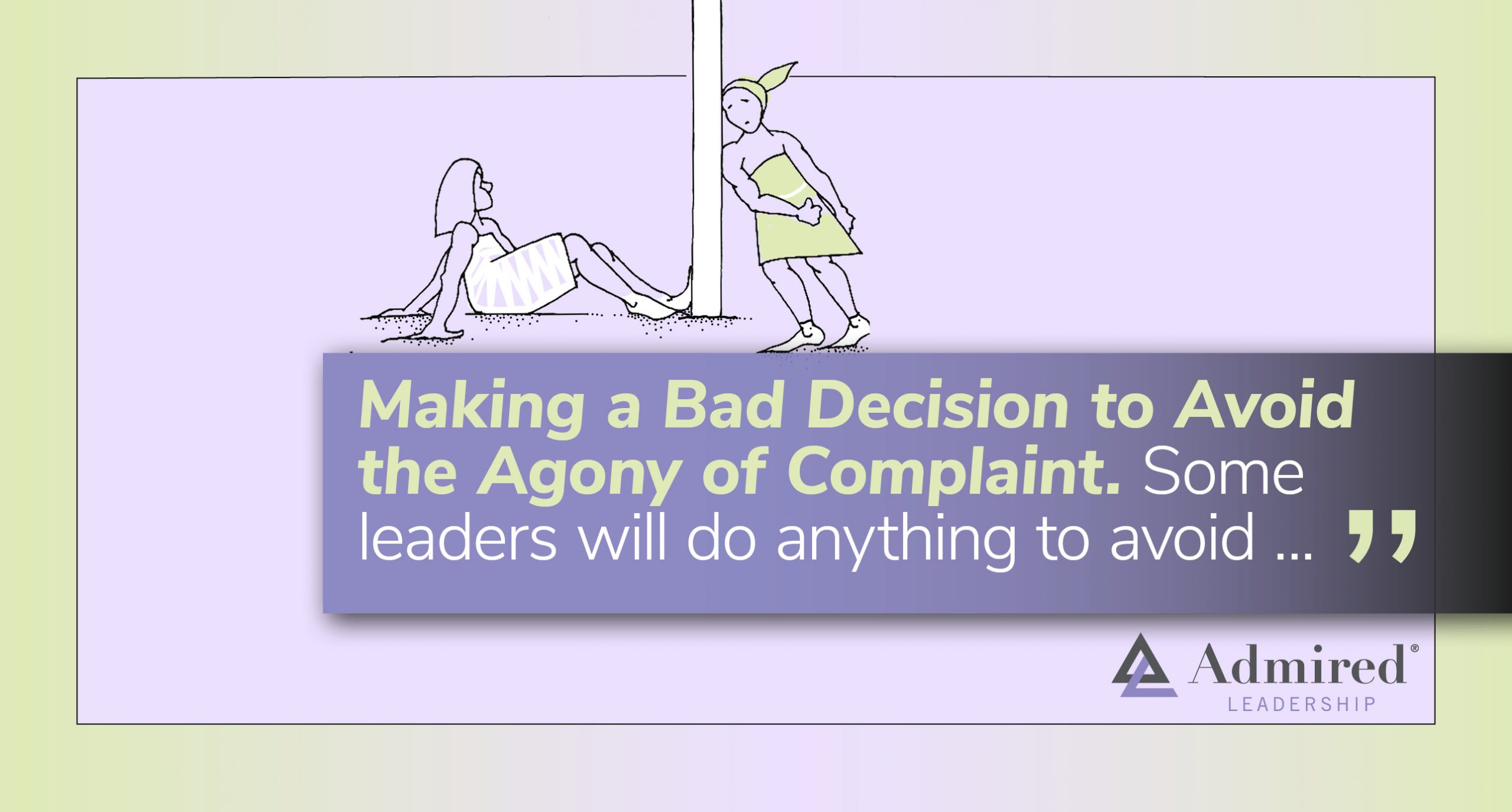
Making a Bad Decision to Avoid the Agony of Complaint
Having the courage to weather uncomfortable conversations with those who disagree with their decisions goes hand-in-hand with leadership. Refusing to amend any decision because others grouse about it goes with the territory. The best decision might be to conclude that any team member who consistently refuses to accept decisions by complaining loudly and incessantly might…
-
Expertise Is a Matter of Context
When making decisions, formulating strategy, and solving problems, everyone benefits from more information, data, and background. The context surrounding a challenge provides an initial pathway forward and often informs how to best tackle the dilemma. More, not less, context is always appreciated and preferred. Interestingly, some people need a lot more context than others to
-
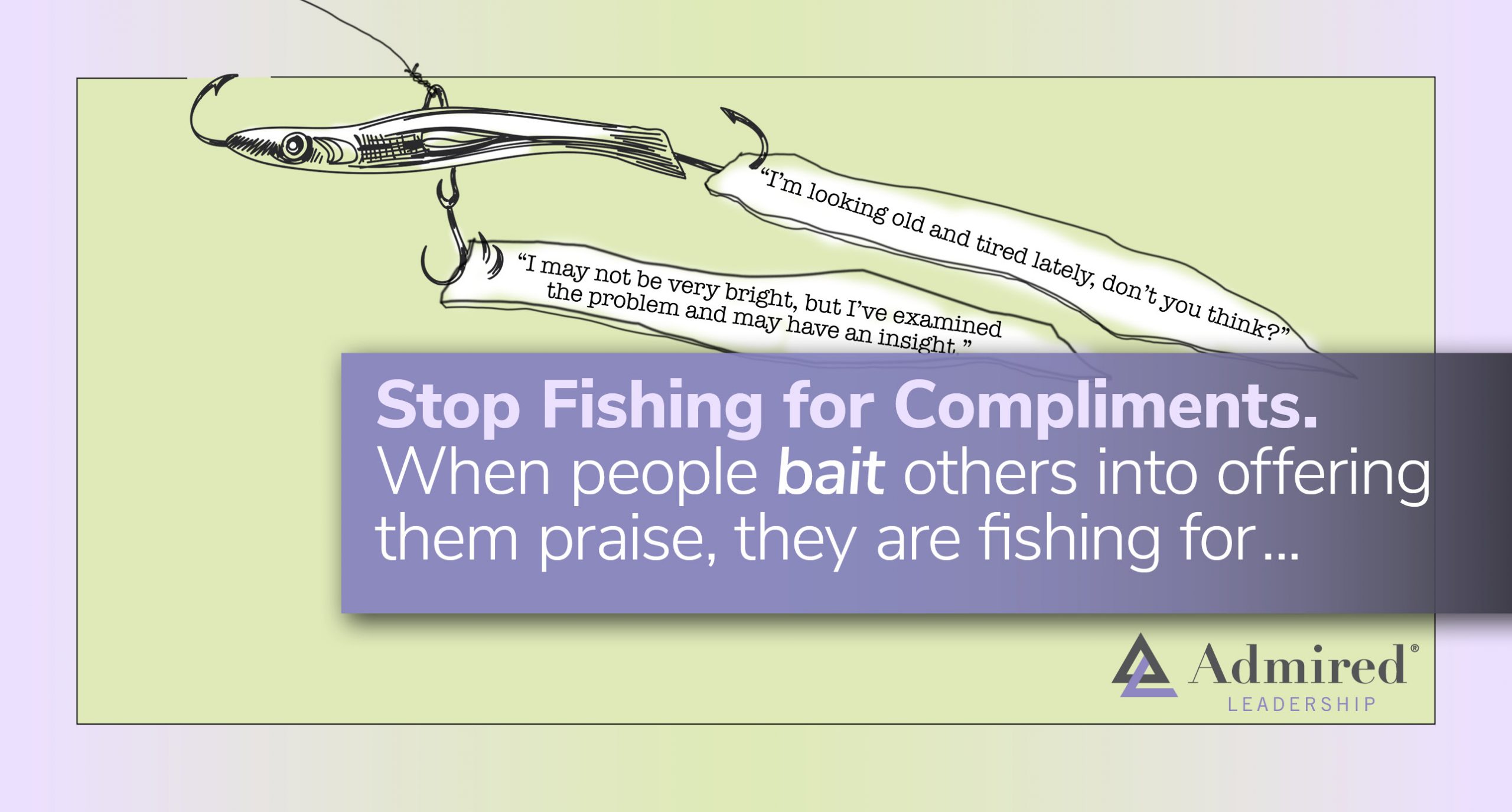
Stop Fishing for Compliments
Asking others for their opinion of our work or performance or seeking suggestions for improvement will produce an occasional compliment that is part of the learning process. For the best among us, the idea is not about fishing for praise, but in learning how others honestly see us and our performance. This is what confident…