




Our daily Field Notes email is just the kind of jumpstart you need. A fast read. Maybe less than a minute. Because sometimes it just takes one insight to change the trajectory of the day.
Search Field Notes
-

Developing a Thick Skin
You know the childhood chant by heart: “Sticks and stones will break my bones, but words will never hurt me.” If only it were true. The fact is that words often hurt more than we like to admit. Most of us bruise too easily. We take offense anytime we get criticized. We sidestep rejection at…
-
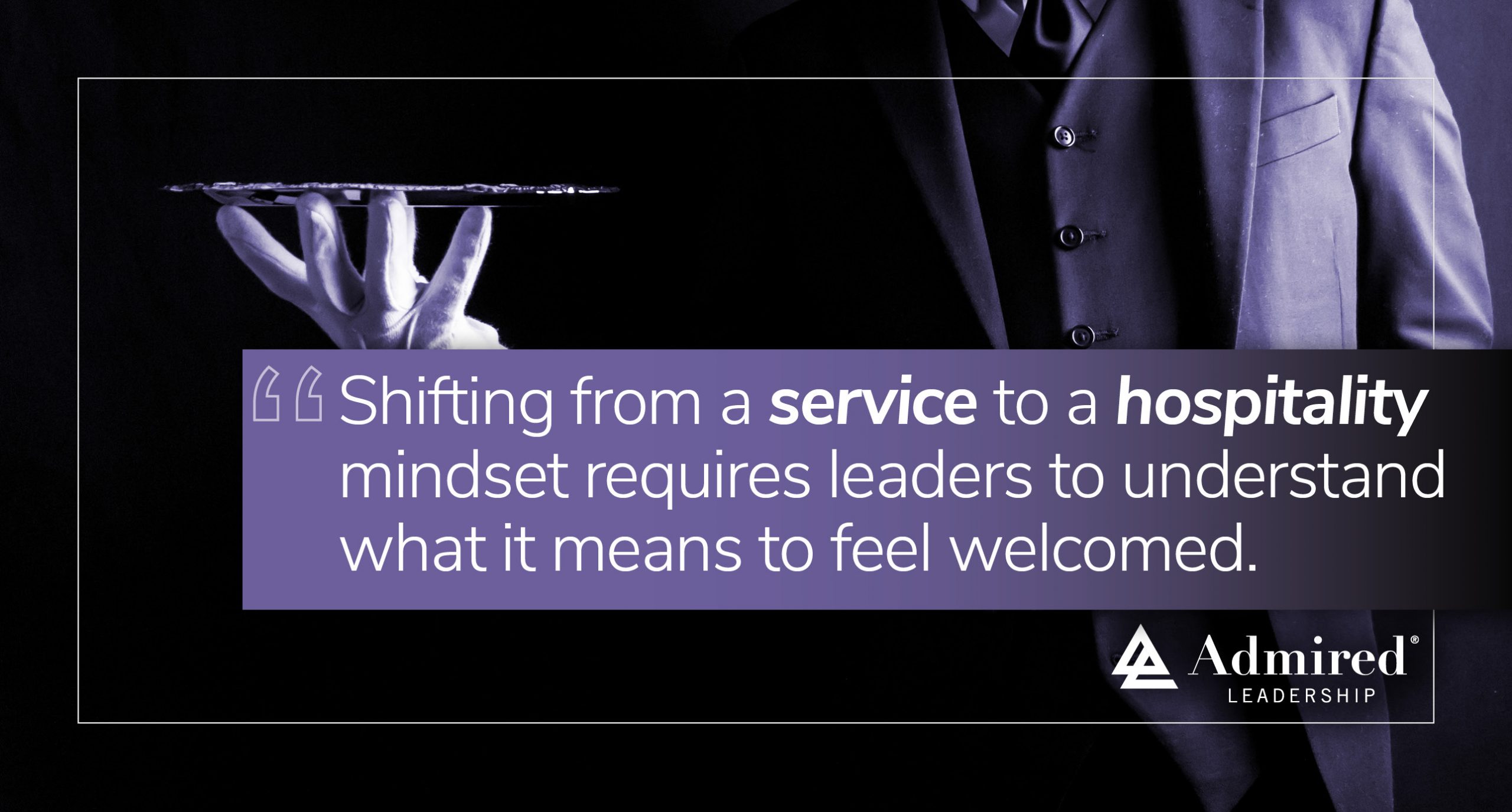
All Leaders Are in the Hospitality Business
Great leaders think more about hospitality than customer or client service. This distinction is critical. Customer service focuses on delivering an exceptional product or service. Hospitality, on the other hand, is the degree to which a customer or client believes you are an advocate for their experience. In other words, the customer comes to believe…
-
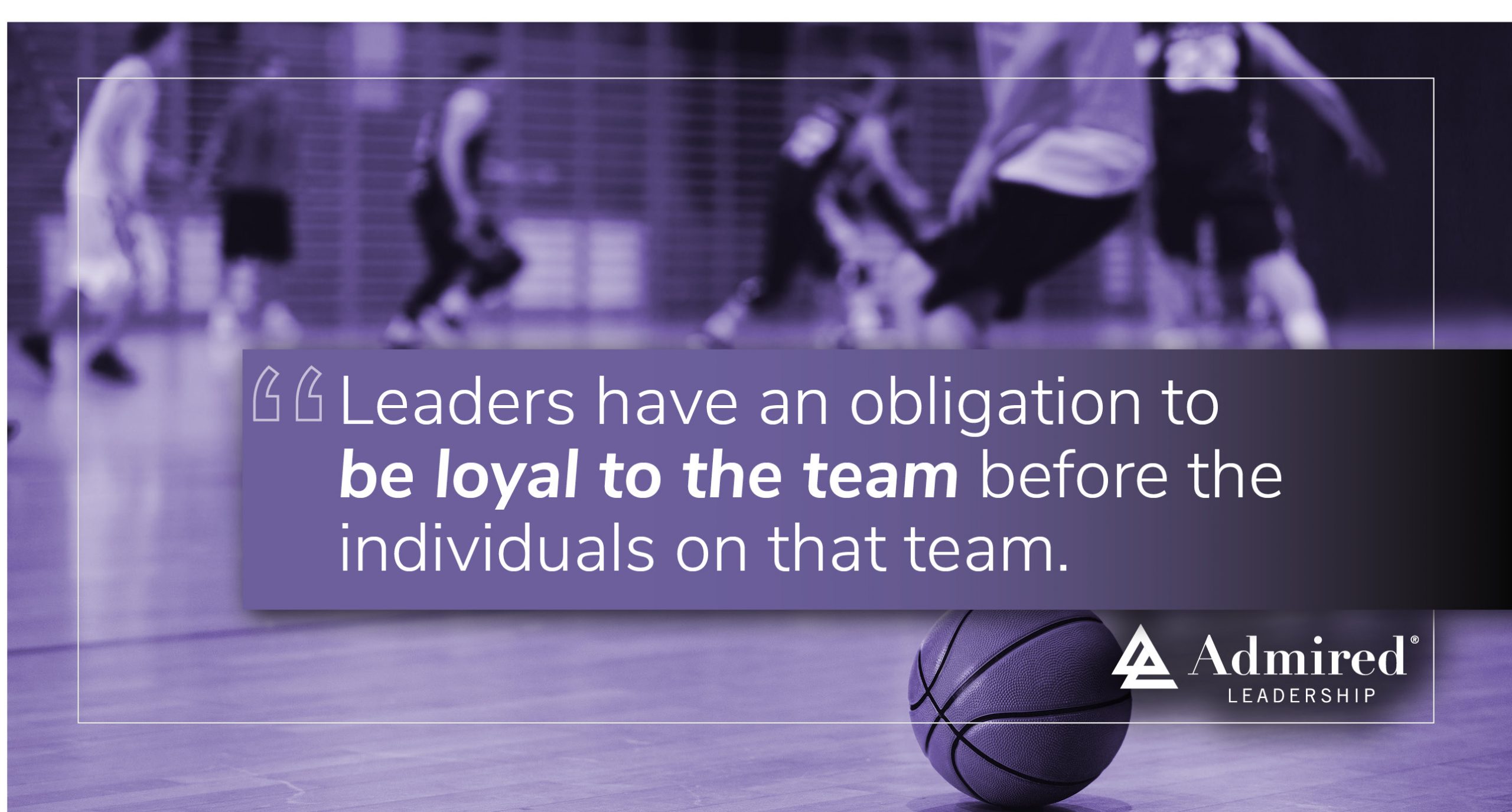
When Loyalty Becomes a Liability
Loyalty is a principal virtue in life. Being loyal in relationships demonstrates resolute support for those we care about. We all admire those who demonstrate this core quality. Allegiance to others is a hallmark of great leaders and is often linked to their success. Among many benefits, loyalty creates stability in teams and fosters a…
-
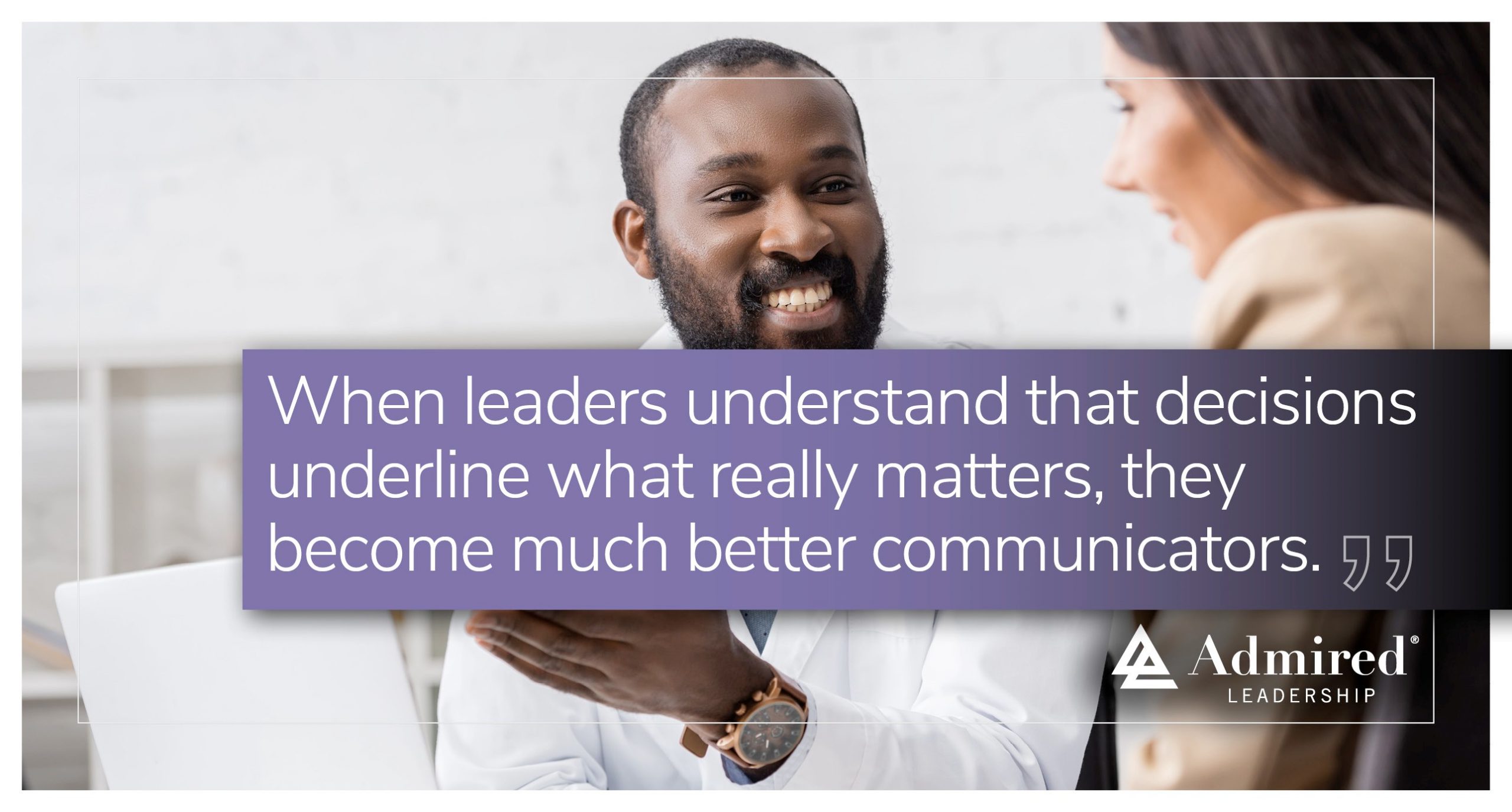
Decisions Communicate Loudly
When leaders attempt to imprint important messages, such as strategy, values, and vision, down throughout the team and organization, they harness multiple mediums to get the job done. The most common of these is the formal communication organizations are known for — culture decks, mission and value statements, guiding principle documents, and emails that outline current strategy.…
-

Invite Expertise Into the Conversation
Experts are seemingly everywhere and often dominate important discussions with their facts and opinions. When debating the merits of a plan, subject matter experts can trump the views of leaders and quickly derail tactical plans and strategy. Bumping up against experts and expertise is never comfortable for leaders — especially when the leader feels strongly about…
-

Use Data to Inform Decisions, Not Make Them
Opinion in the absence of evidence or facts is bias or whim. Good leaders work hard to distinguish between unsupported opinions (of which there are many) and evidence-based viewpoints. Using data and numbers to help leaders and teams make quality decisions is, finally, the norm. Leaders across the world rely on data — big and…
-

Too Much Transparency Can Be a Bad Thing
Good leaders today are much more transparent and open than leaders of the past. To engage team members and include them in decisions that affect them, leaders often share information about the early stages of a decision and how it is shaping up, even before a conclusion is reached. Openness and transparency, after all, motivate…
-
Attribute Your Ideas to Those You Want to Persuade
Among the many strategies of getting others to support an idea or proposal, perhaps none is more powerful than attributing the idea directly to them. Doing so gives individuals ownership of the idea and naturally reduces their resistance. After all, who wants to disagree with themselves? Leaders and decision-makers are especially influenced when others give…
-
Creating More Urgency When You Need To
On occasion, a team facing a challenge or major obstacle doesn’t act with the urgency a leader desires. A relaxed attitude when the business is under duress can be highly disconcerting for any leader. When a leader wants to turn up the pressure and create urgency in a good way, they focus on key measurables…
-
The Need to Be Liked Can Be a Fatal Flaw
One of the fatal flaws for leaders is an oversized desire to be liked by others. All humans have a deep desire to be liked. That need is baked deep into our DNA. When this desire becomes too strong, however, it can prevent leaders from delivering tough messages, being honest in the face of confrontation,…