




Our daily Field Notes email is just the kind of jumpstart you need. A fast read. Maybe less than a minute. Because sometimes it just takes one insight to change the trajectory of the day.
Search Field Notes
-
When a Negotiating Weakness Is Really a Strength
When people bargain, they often go to extremes to get the upper hand. Negotiators are famous for making ridiculous demands and then offering a series of small compromises to appear reasonable. By retreating from an extreme starting point, negotiators eventually land on the outcome they preferred all along, all while looking like they were giving…
-
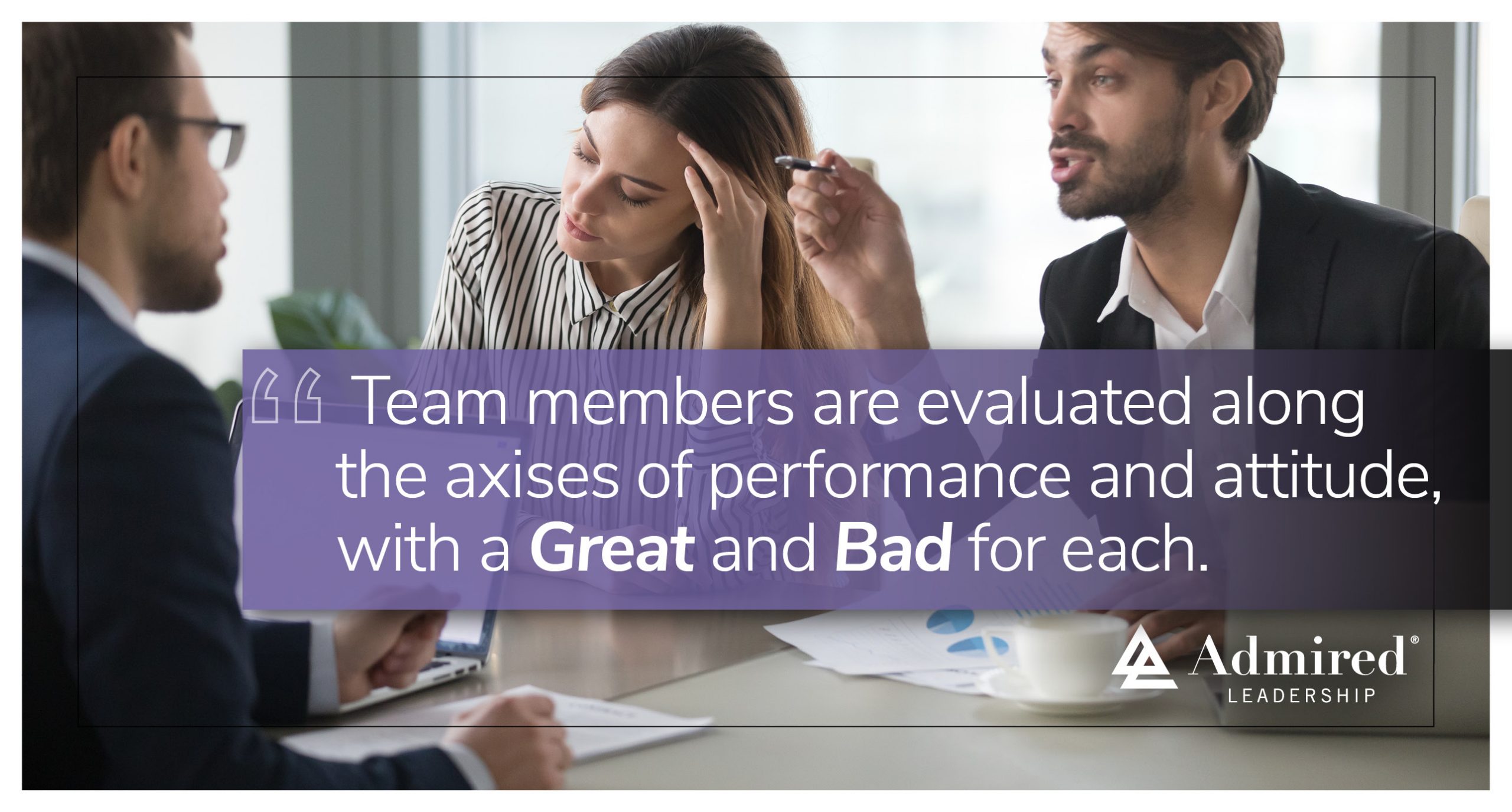
Colleagues Who Perform But Are Toxic Must Go
The Performance/Attitude Matrix is widely known and shared. Most leaders know it by heart, but here’s a review. Team members are evaluated along the axises of performance and attitude, with a Great and Bad for each.
-
I’m Not Good at the Workplace Politics
When others use their authority, influence, and status for personal self-interest, they are operating politically. Examples of negative workplace politics are plentiful: Kissing up to a leader to gain an advantage, badmouthing a colleague to harm a reputation, avoiding a peer who is out of favor, taking credit for work a colleague has created, withholding…
-

Why Less Competent Peers Get Promoted
The best runner does not always win the race. In large and small organizations, who gets promoted is often a head-scratcher. How the devil did “so-and-so” get promoted over a much more qualified peer? Was the promotion process rigged? Is it really about who you know and not what you can do? While it is…
-
Reducing Defensiveness
Sometimes, trusted colleagues can become highly defensive when leaders disagree with them or make decisions they don’t support. As leaders attempt to work through the disagreement, they can face stiff resistance, as the other person’s defensiveness becomes a shield during the conflict. When team members get defensive, they dig in, stop listening, and make excuses…
-
Study Your Best Performers
It is not breaking news that the best performers on any team do things differently from those who lean toward average. The same is true for highly effective specialists. Those who create excellence develop routines, habits, and disciplines that propel them forward. In addition to having competencies that are sharper and more developed, you will…
-

The Dreaded Meeting After Lunch
The energy to fully engage becomes a big challenge right after lunch. As blood rushes to ease digestion, people become lethargic and lose the ability to stay focused and process information. Leaders who schedule important discussions or hold team meetings immediately following the lunch hour experience a detached and low-wattage audience. During off-sites and strategy…
-
Don’t Confuse Personal Development With Performance Evaluation
Good leaders help others determine what skills and knowledge will catapult their everyday productivity and effectiveness. Through an ongoing flow of development conversations, team members learn what to correct, what to amplify, and how to add more value to the team. In the end, the learning and growth involved in development depend more on the…
-
When We Ask Others to Sacrifice
On rare occasions, a situation demands that the team make sacrifices to achieve an extraordinary result or to avoid succumbing to a potentially catastrophic event. In these rare moments, leaders ask everyone to show up and make the needed sacrifice. All hands on deck, as the sailors say. No exceptions.
-
Back-Channel Communication Can Be Toxic
Complaining about others when they aren’t present is a team sport in some organizations. We naturally want to validate how we see events and people with those we trust. When that validation frequently focuses on our frustrations and distaste, this form of communication can become toxic.