




Our daily Field Notes email is just the kind of jumpstart you need. A fast read. Maybe less than a minute. Because sometimes it just takes one insight to change the trajectory of the day.
Search Field Notes
-
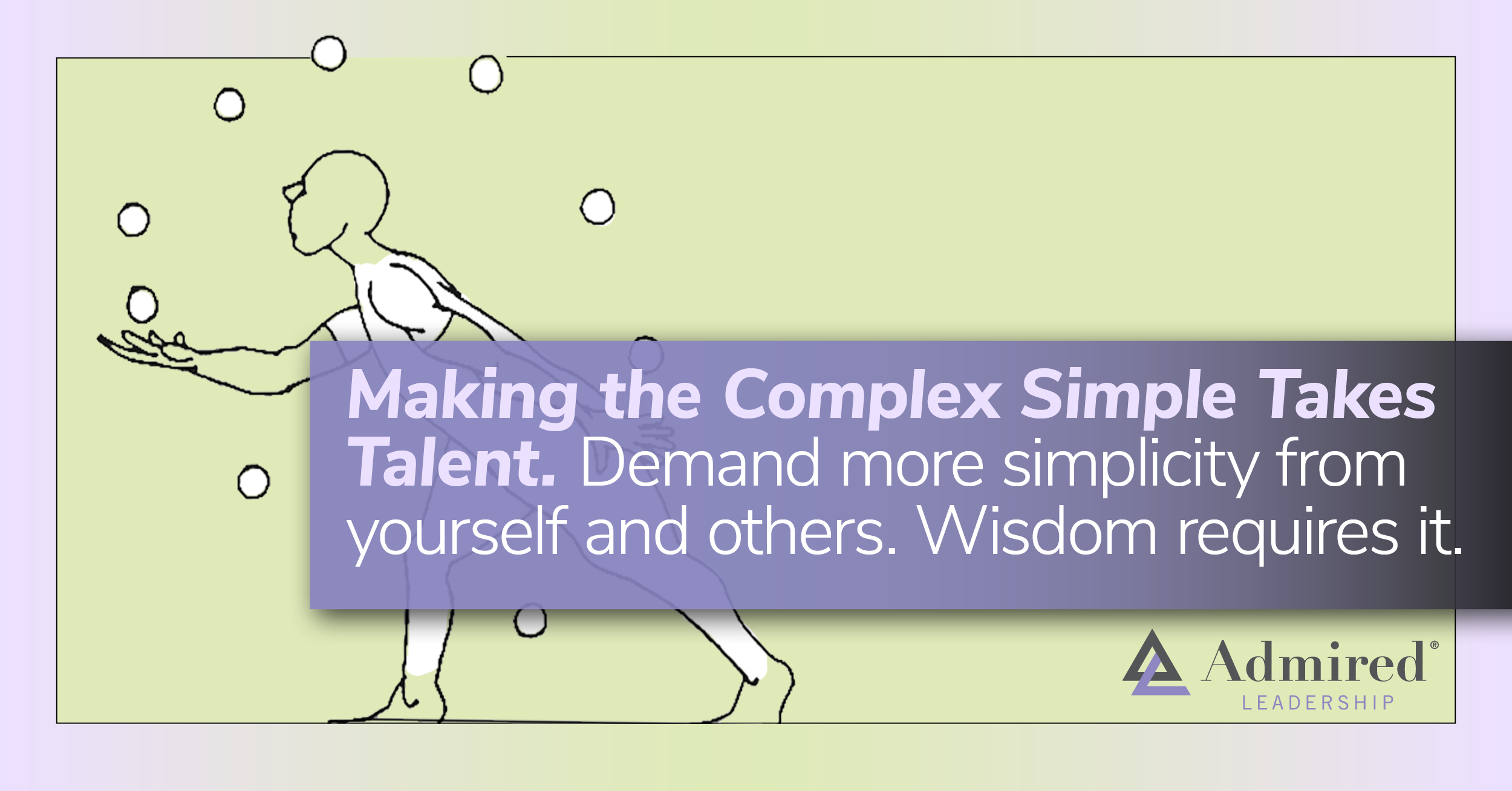
Making the Complex Simple Takes Talent
The mark of a great mind is an ability to take what few can truly understand and make it clear and actionable. Getting your thinking clear enough to make it simple for others is of the highest calling for the best leaders. Demand more simplicity from yourself and others. Wisdom requires it.
-
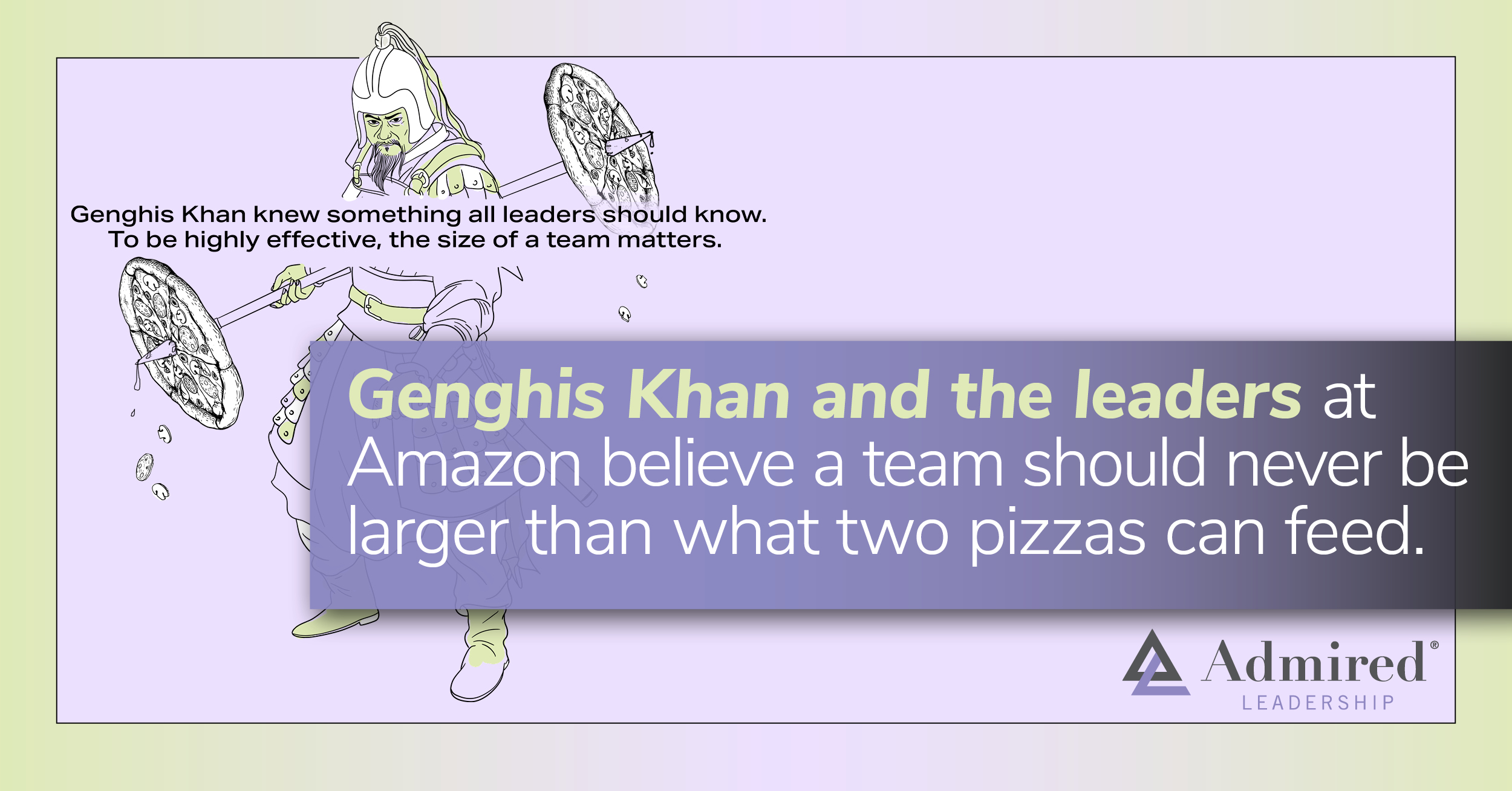
Size Really Matters
While team size should certainly reflect the task at hand and the roles needed to achieve the best results, creating a smaller team of highly engaged and active members should be the default.
-
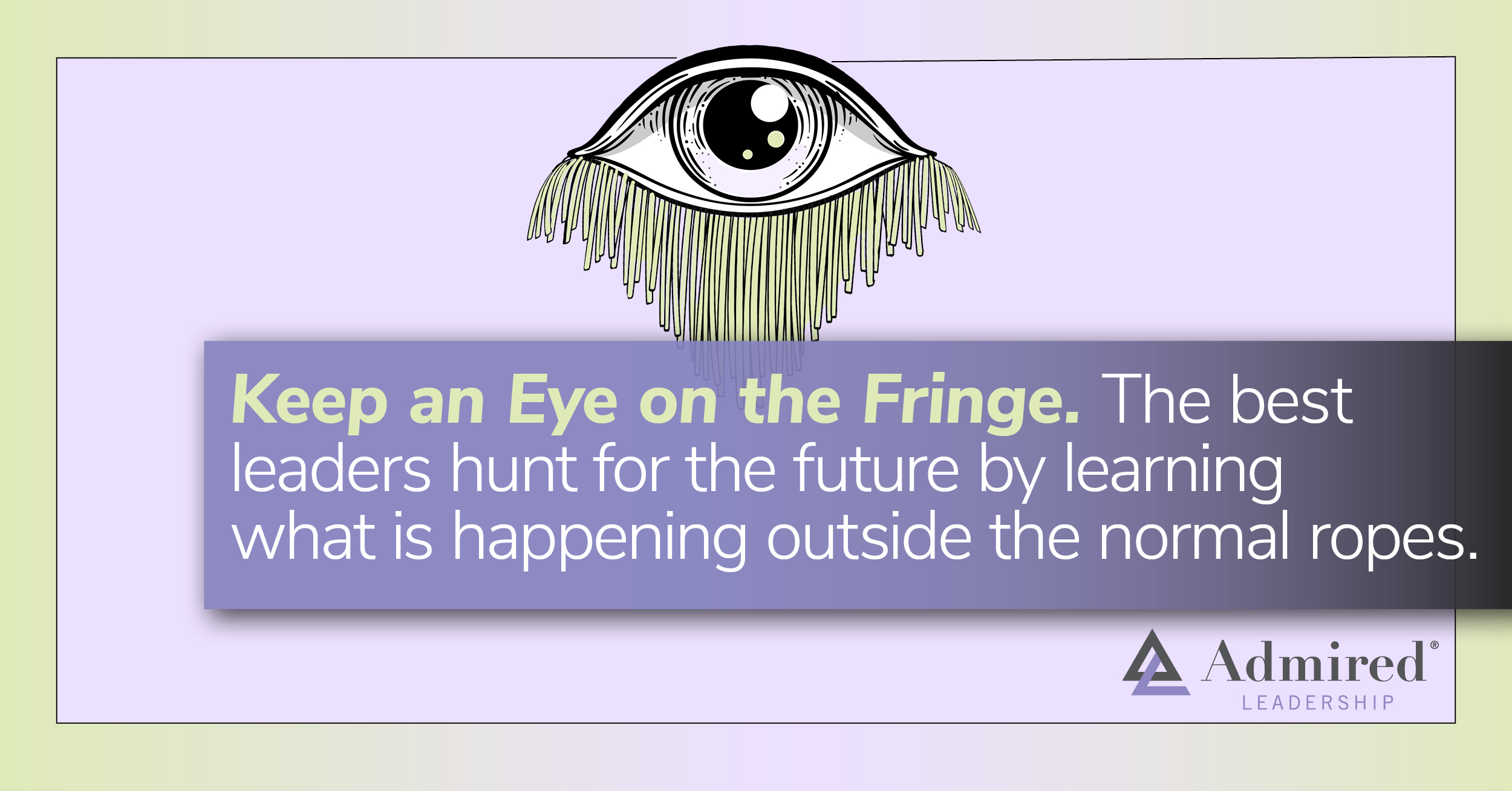
Keep an Eye on the Fringe
Innovation begins on the fringe, not in the mainstream. Emerging trends appear on the periphery of whatever is popular and well-accepted. As the writer William Gibson once noted, “The future has already happened, it’s just unequally distributed.” Knowing what is occurring on the boundaries of established practices is essential work for leaders and teams. What…
-
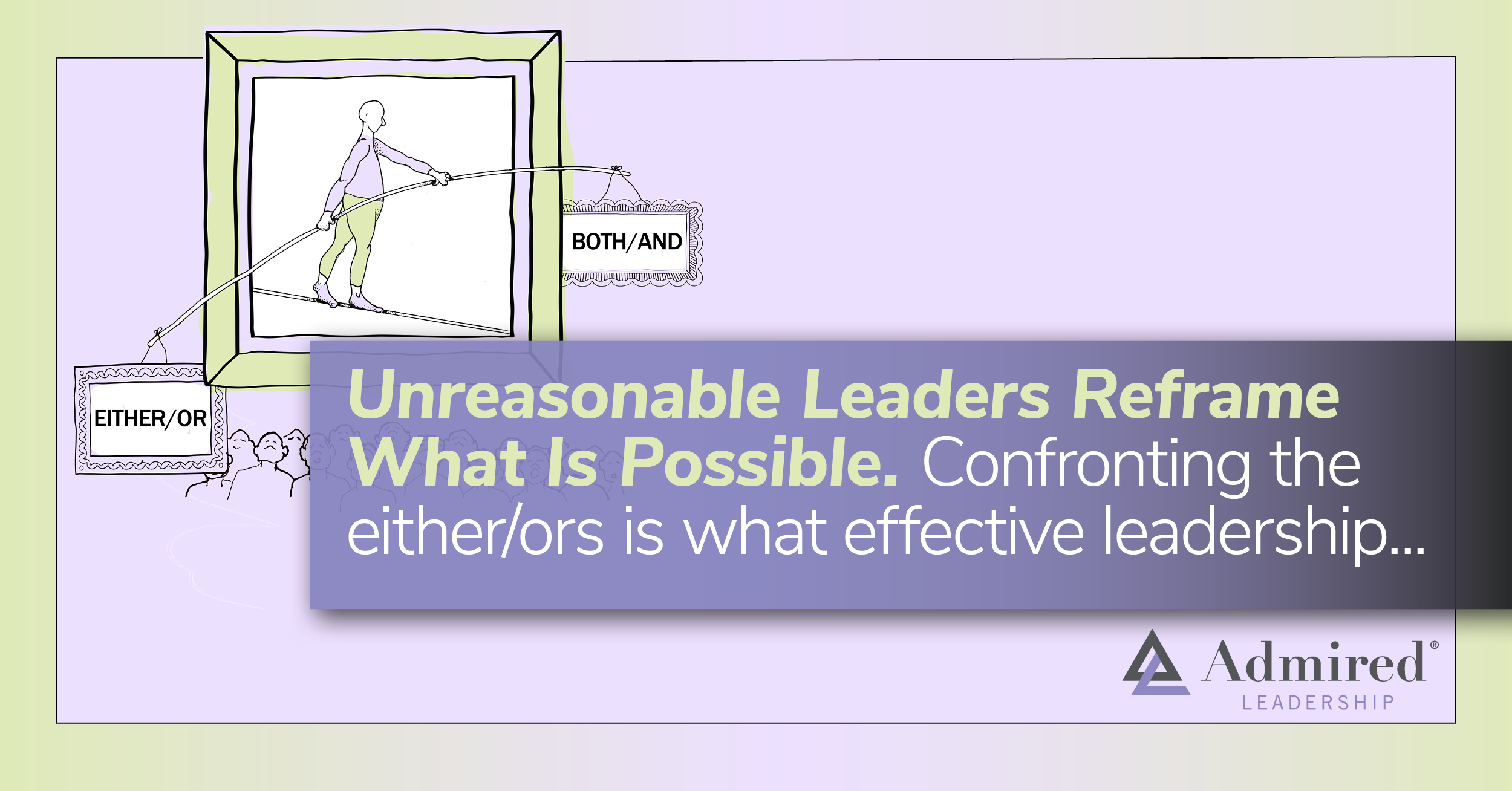
Unreasonable Leaders Reframe What Is Possible
On occasion, a truly remarkable leader will become unreasonable and refuse to compromise. They will hold a view that transcends trade-offs and seeks to create an outcome fusing two sides of a continuum. They turn either/or into both/and.
-
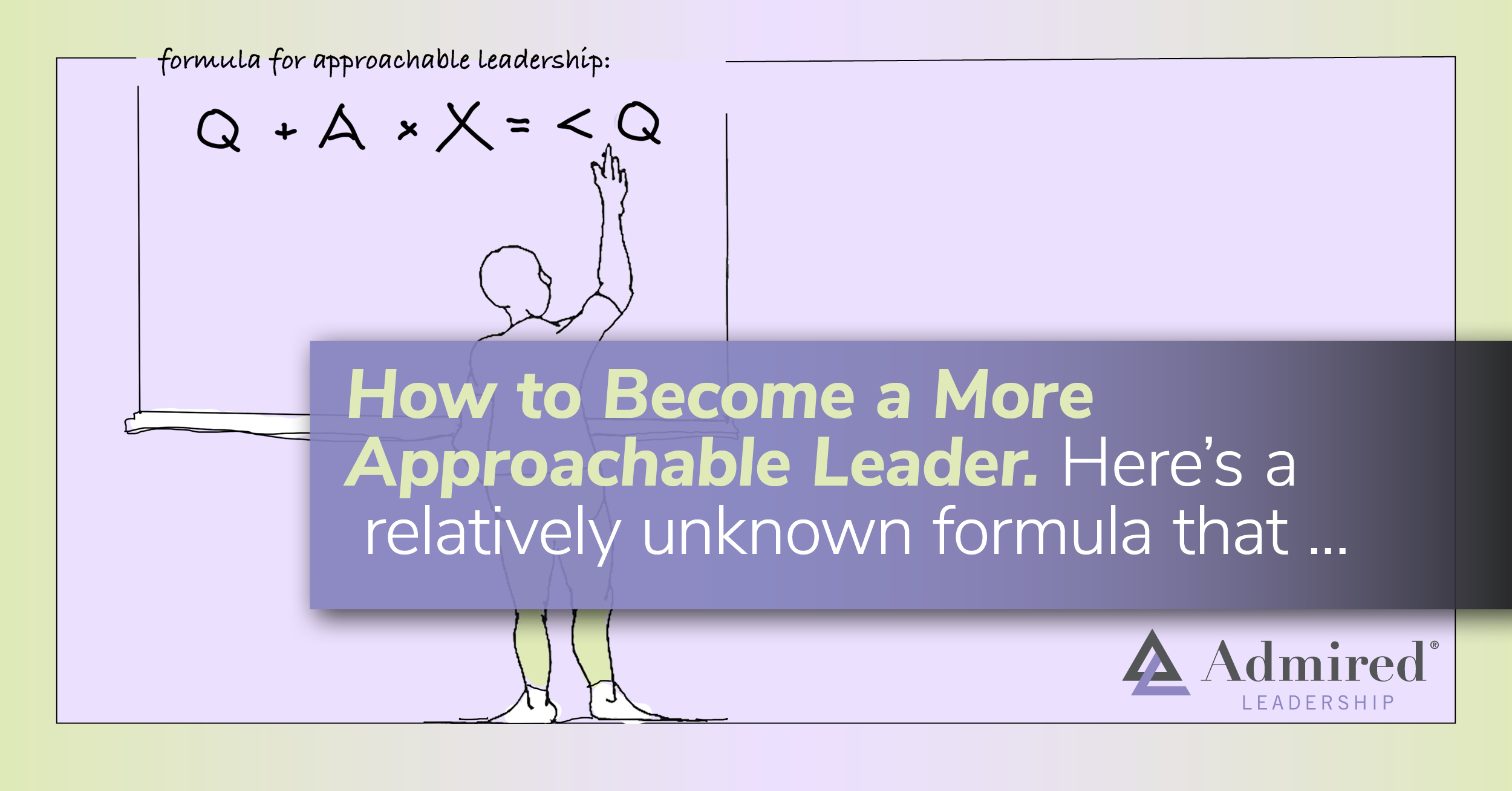
How to Become a More Approachable Leader
For leaders to learn and understand what is really going on with the people they lead, they have to encourage others to share information with them. In the traditional view, being an approachable leader translates more accurately as being easy to talk to and creating an aura that is warm and open. When team members…
-
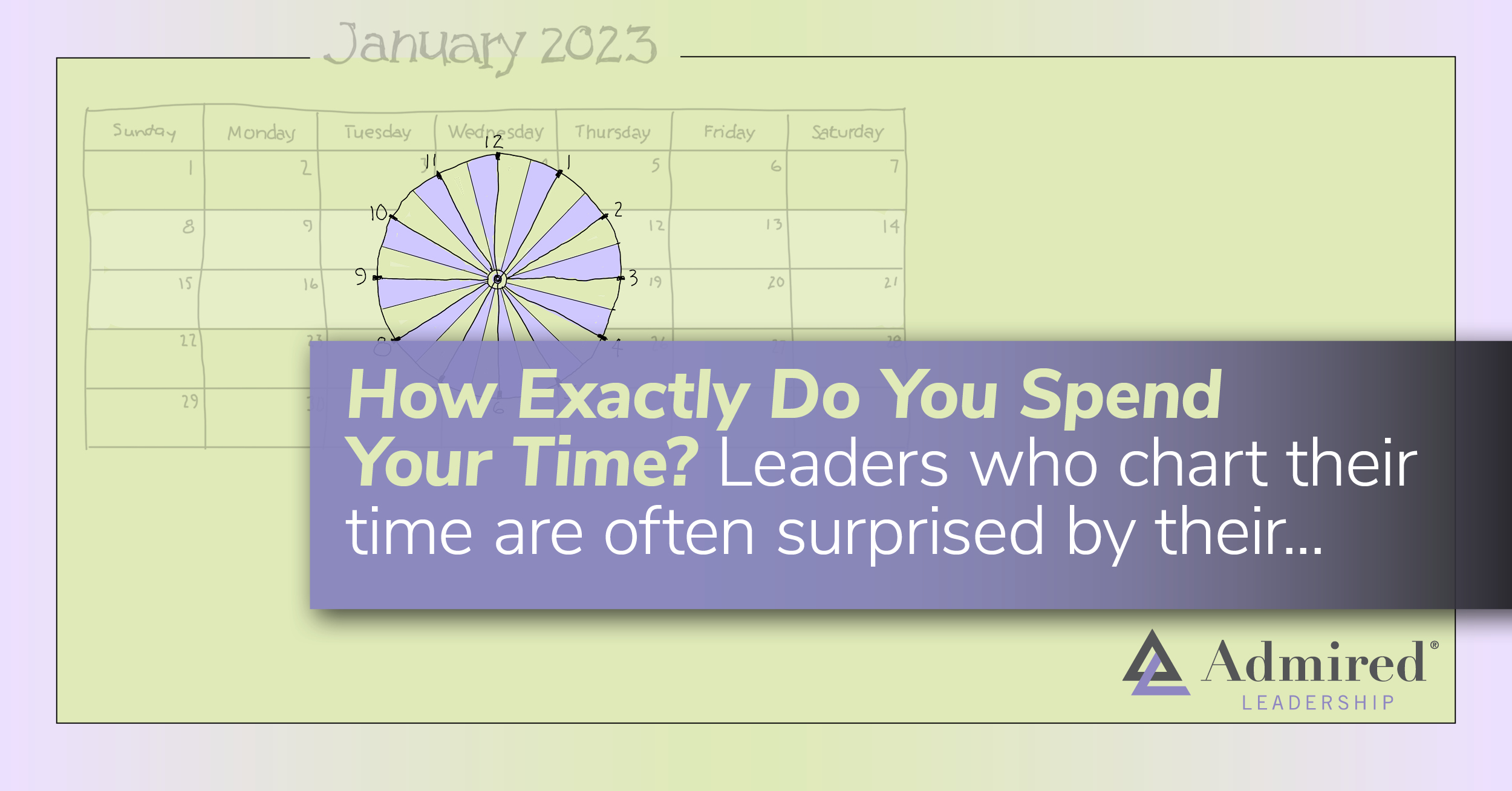
How Exactly Do You Spend Your Time?
Leaders who chart their time are often surprised by their own choices. Spending too much of the day on activities that do not produce happiness, satisfaction, or productivity is a common affliction. Knowing, with more precision, exactly how you spend your time is an exercise that can pay big dividends. Known as a Time Audit…
-

Resolve to Read Complex Stories More Often
Making a resolution to read more and scan less will pay dividends throughout the year. Even reading fiction increases a leader’s empathy, as they get to imagine how other people and characters see and experience things. So, read deeply and read a lot. In the words of author Fran Lebowitz, it is a good policy…
-
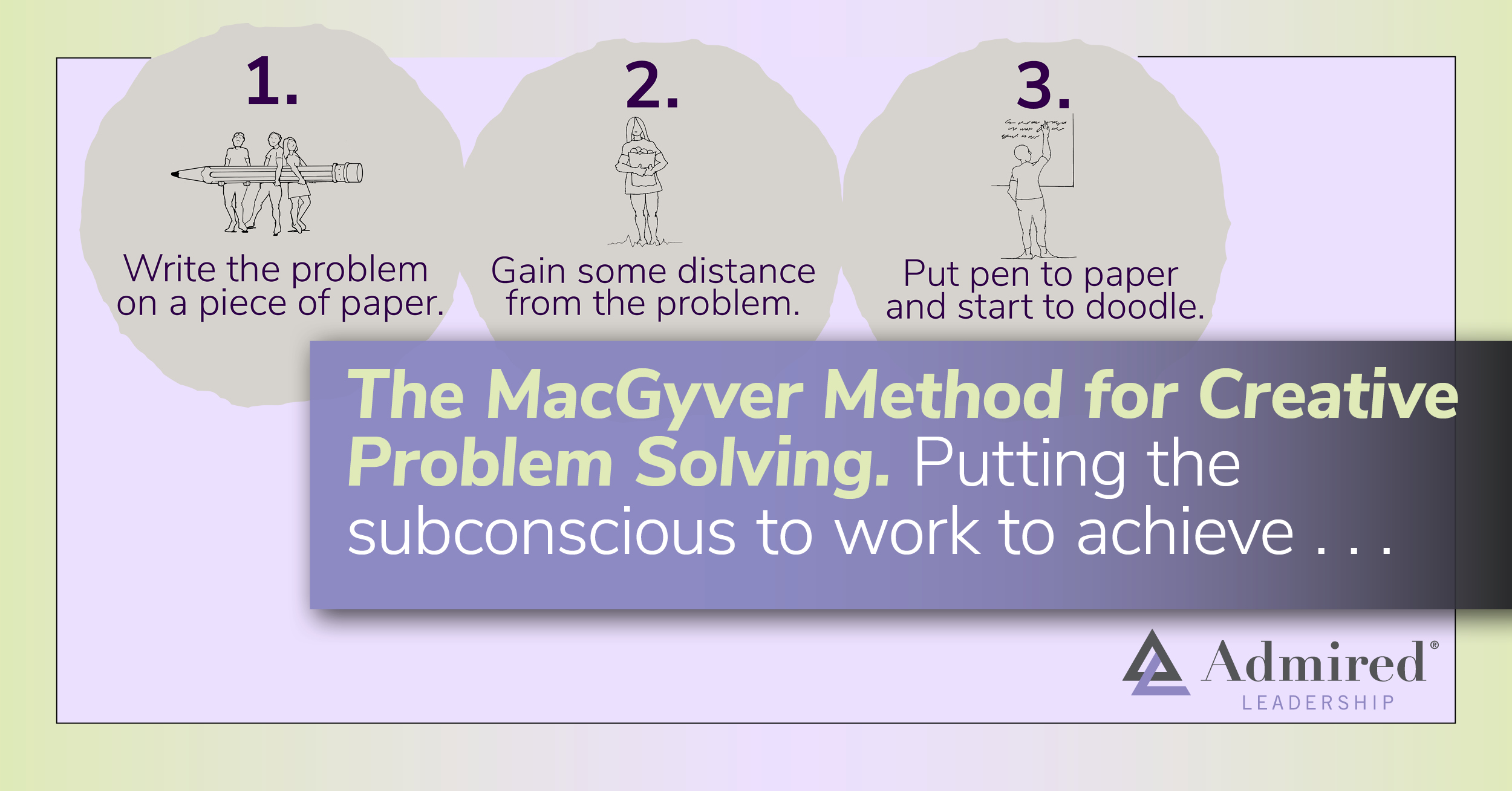
The MacGyver Method for Creative Problem Solving
Putting the subconscious to work to achieve heightened creativity has been the preferred method of creative thinkers for centuries. Activating your inner MacGyver is something anyone can do. In the everlasting words of the MacGyver television character, “The bag’s not for what I take, it’s for what I find along the way.”
-
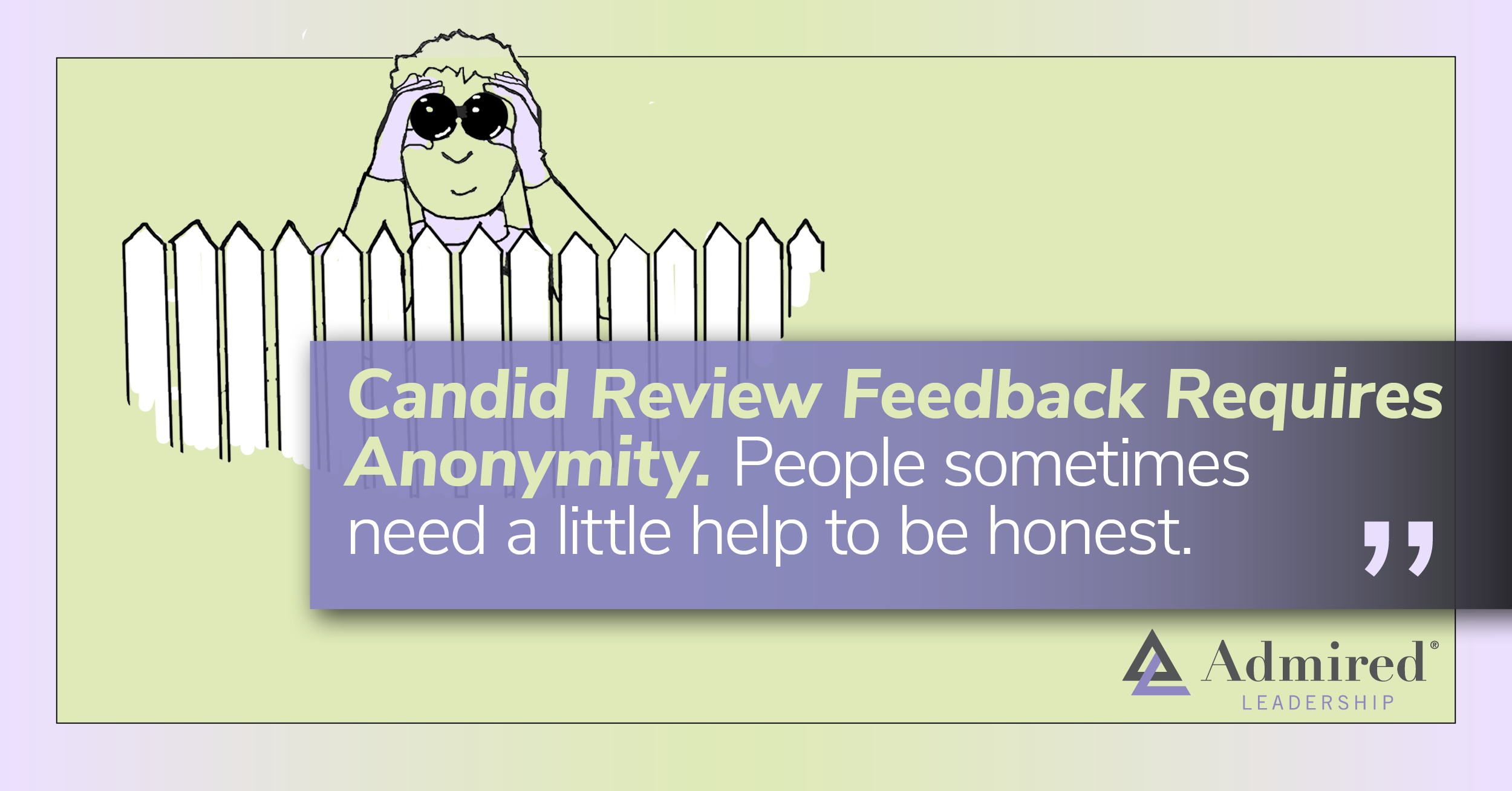
Candid Review Feedback Requires Anonymity
Team cultures benefit greatly from consistent and trusted methods for gathering performance feedback at all levels of the organization. The more performance review feedback is strictly confidential, the more candid the evaluations become. As it turns out, confidentiality and honesty reinforce each other, making the other stronger.
-
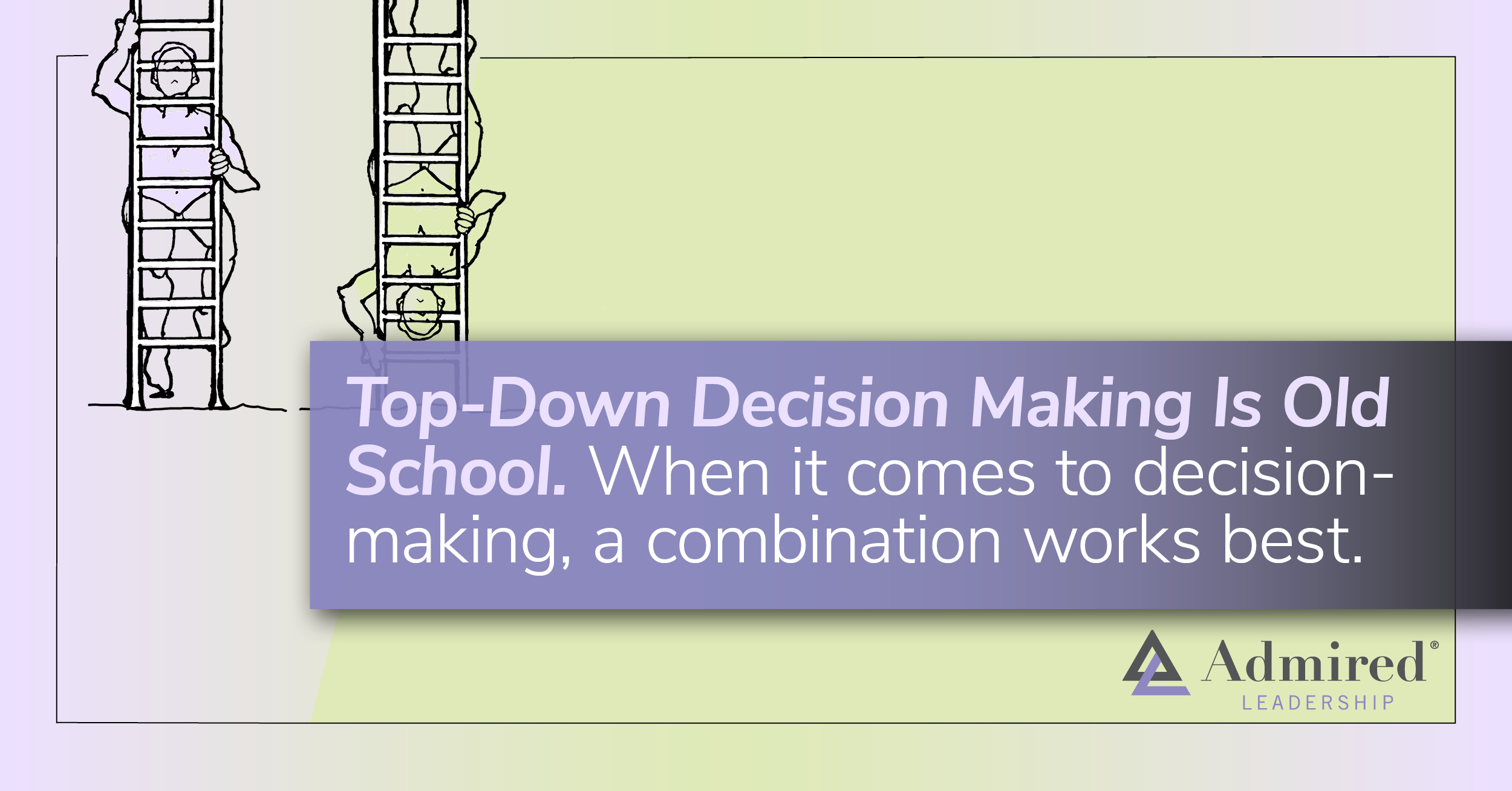
Top-Down Decision Making Is Old School
Reserving big decisions for those with big titles is a throwback to the autocratic organizations of the past. Those closer to the ground or action are known to have a better vantage from which to see the pitfalls and practical issues that will make or break a strategic choice. Using the advantages of both top-down…