
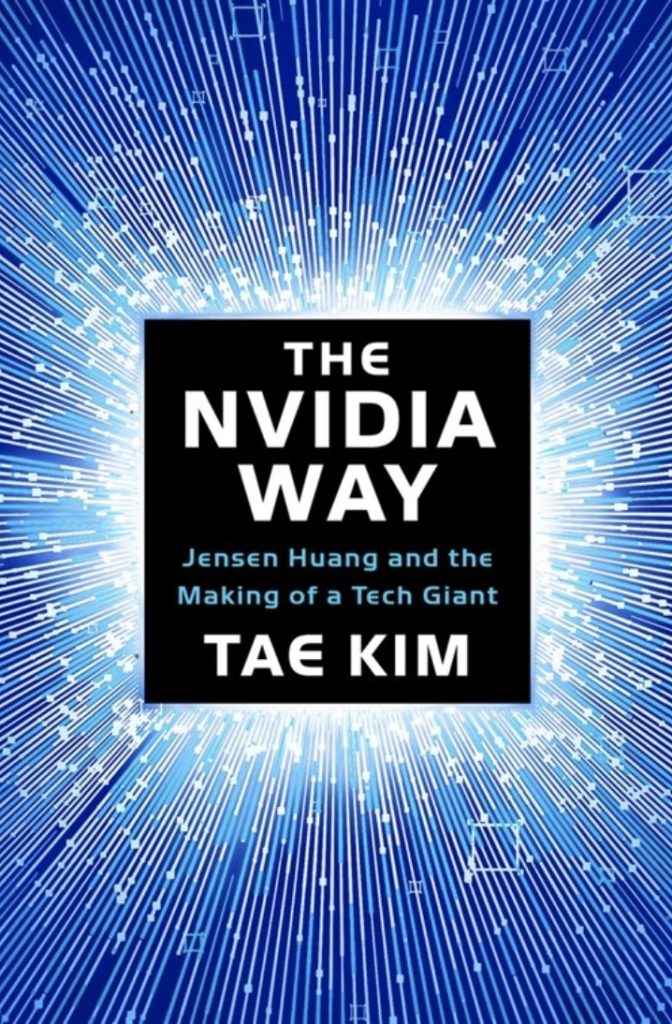
A Rule of Three Book Summary by Admired Leadership
The Book in 3 Sentences:
Kim chronicles Nvidia’s transformation from gaming chip startup to $3.4 trillion AI powerhouse, attributing much of the success to CEO Jensen Huang’s leadership principles and relentless execution standards.
The book examines how Huang’s “Jensen-isms” created a culture of extreme accountability, direct communication, and continuous innovation that enabled the company to pivot successfully from graphics to AI dominance.
Kim argues that Nvidia’s success stems from disciplined leadership practices rather than technical brilliance alone.
The 3 Most Important Concepts:
Relentless innovation paired with “speed of light” execution drives competitive advantage. Huang’s leadership team maintains profitability through rapid iteration, aggressive deadlines, and boundary-pushing technology development rather than incremental
improvements.
Organizational culture built on direct communication, transparency, and accountability creates sustainable performance. Huang established cultural norms that prioritize confronting failure, admitting mistakes, and pivoting quickly rather than following industry standards.
Long-term vision focused on creating new markets rather than competing in existing ones. Nvidia’s development of CUDA processors exemplifies their strategy of building
entirely new categories rather than fighting for market share in established spaces.
The Book’s 3 Most Essential Claims
1. Adversity and struggle are essential leadership development tools. Huang deliberately exposes employees to challenging situations, believing that overcoming obstacles builds the character necessary for breakthrough performance.
2. Strategic innovation can eliminate competition entirely. Nvidia’s decision to develop a completely new chip category nearly eliminated competitors through what Huang calls the “ship the whole cow” strategy of maximizing every product component.
3. Company culture and leadership are inseparable from the founder’s personal operating system. The book suggests “the Nvidia Way” is essentially “Jensen’s way,” making the company’s success dependent on his continued leadership.
3 Surprising Facts or Insights:
Whiteboarding as a leadership tool forces complete transparency and rigorous thinking by requiring leaders to rebuild their logic from scratch in real-time, eliminating places to hide weak reasoning.
Huang’s 30+ year tenure as CEO makes him the longest-serving leader in an industry characterized by constant executive turnover and company failures.
Nvidia’s culture prioritizes discipline and intensity over technical innovation, suggesting that execution excellence matters more than breakthrough technology.
3 Actionable Recommendations:
Hire people smarter than yourself who demonstrate problem-solving mindsets and adaptability to new challenges rather than just technical competence.
Practice deliberate communication by listening completely, understanding thoroughly, and answering precisely rather than responding quickly.
Actively seek discomfort and challenging situations as learning opportunities, recognizing that growth requires leaving comfort zones.
3 Questions the Book Raises:
Can high-performance cultures be sustained without creating unsustainable work
demands and employee burnout?
How much of organizational success depends on exceptional leadership versus market timing and external factors?
Does withholding praise actually increase motivation, or does it create cultures based on fear rather than genuine excellence?
3 Criticisms of the Book:
The narrative follows a predictable “genius founder” template that may oversimplify complex organizational and market dynamics.
Excessive technical detail may distract from leadership insights, though this may appeal to technically-minded readers.
The book uncritically celebrates leadership practices that could be characterized as fear-based management, raising questions about sustainability and ethical leadership approaches.
3 Quotations Worth Remembering:
“Don’t worry about the score. Worry about how you play the game.” (p. 247)
“No one loses alone.” (p. 248)
“I wish upon you ample doses of pain and suffering.” (p. 18)
Thrive: The Third Metric to Redefining Success and Creating a Life of Well-Being, Wisdom, and Wonder. Arianna Huffington. 2014.
