
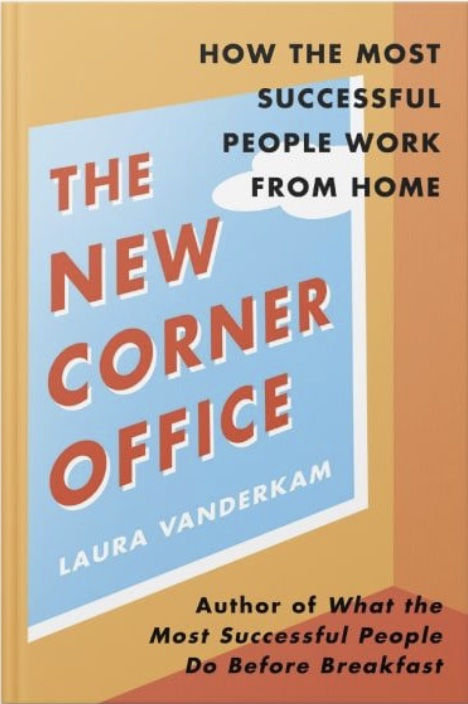
A Rule of Three Book Summary by Admired Leadership
The Book in 3 Sentences:
Working from home is a learnable skill that requires intentional systems and practices to be effective, moving beyond simply replicating office work in a home setting. The author argues that successful remote work depends on managing by task rather than time, creating productive rhythms that match your energy levels, and building strong virtual relationships while maintaining well-being. The pandemic has created an opportunity to develop a more thoughtful vision of remote work focused on innovation and results rather than traditional time-based productivity measures.
The 3 Most Important Concepts:
Task-Based Management involves shifting from measuring productivity by hours worked to focusing on completed tasks and results achieved. This includes weekly planning on Fridays for broader perspective, keeping daily to-do lists short (3-5 items), rethinking meeting necessity, and tracking daily accomplishments rather than time logged. The approach gives people “the satisfaction that comes from making progress” and motivates continued high performance.
Energy Rhythm Optimization is the practice of consciously designing your workday to match your natural energy patterns and create sustainable productivity cycles. This involves establishing opening and closing rituals to replace commuting, scheduling important work during peak energy windows, battling distractions with “later lists,” taking rejuvenating breaks, keeping buffer time open, and maintaining compelling non-work commitments for work-life integration.
Virtual Relationship Building encompasses the deliberate strategies needed to create meaningful professional connections and team cohesion in remote environments. This includes recreating informal “water cooler” interactions through structured virtual socializing, scheduling regular networking coffee meetings, attending and hosting small gatherings, hiring self-directed team members, and building support systems both professionally and personally.
The Book’s 3 Most Essential Claim
1. Working from home is a skill that can be learned and mastered through intentional practice and systematic approaches. The current crisis provides an unprecedented opportunity to develop these capabilities beyond simply replicating traditional office work at home.
2. Effective remote work requires managing by results and tasks rather than time and presence. This fundamental shift enables greater productivity, job satisfaction, and work-life integration when implemented correctly with proper systems and accountability.
3. Virtual work does not preclude in-person interactions but complements them, requiring more intentional effort to build relationships and maintain team cohesion. Success depends on creating structured opportunities for connection and investing in both professional networks and home support systems.
3 Surprising Facts or Insights:
Remote workers tend to be happier than office workers because they have the flexibility to consciously manage their days and focus on well-being, contradicting common assumptions about isolation and disconnection in home work environments.
Friday afternoon is the optimal time for weekly planning because it’s typically “low-opportunity-cost time” when people aren’t doing much else, making it perfect for broader strategic thinking about the upcoming week rather than daily planning.
If you can easily multitask during a virtual meeting, you probably shouldn’t be on that call – but when you do need to attend, finding something like doodling or knitting to occupy your hands might actually help you pay better attention.
3 Actionable Recommendations:
Implement weekly planning sessions every Friday afternoon where you list top priorities, check team goals, share objectives with your manager, identify what can be delegated or eliminated, and create short daily task lists of 3-5 items.
Create opening and closing work rituals to replace your commute, such as walking around the block, making coffee, or reading a chapter to start, and establishing a clear ending routine to maintain sustainable boundaries.
Schedule at least one virtual lunch or coffee meeting per week with someone outside your immediate team to grow your network, and start all team meetings with a few minutes of structured social interaction.
3 Questions the Book Raises:
How can organizations effectively measure and reward task-based productivity without falling back into time-monitoring systems that undermine the benefits of remote work flexibility?
What are the long-term implications for career advancement and leadership development when professional relationships are built primarily through virtual interactions rather than in-person presence?
How do you balance the benefits of work-life integration with the need for clear boundaries to prevent burnout and maintain sustainable productivity over time?
3 Criticisms of the Book:
The advice is heavily skewed toward knowledge workers and professionals with significant autonomy, making many recommendations impractical for roles requiring real-time collaboration, customer service, or hands-on supervision.
The book assumes access to resources like dedicated home office space, quality technology, childcare support, and flexible schedules that may not be available to all remote workers, particularly those in lower-income situations.
The emphasis on optimization and productivity systems may create additional pressure and complexity for some workers who might benefit from simpler, less structured approaches to remote work adaptation.
3 Quotations Worth Remembering:
“Working from home is a skill… anyone can learn to do it well.” (p. 7)
“At the end of each day, write a list of what you’ve done” to keep track of productivity. (p. 19)
“A satisfying rhythm is achieved, not by working less, but by having a compelling life outside of work.” (p. 39)
