
A Rule of Three Book Summary by Admired Leadership
The Book in 3 Sentences:
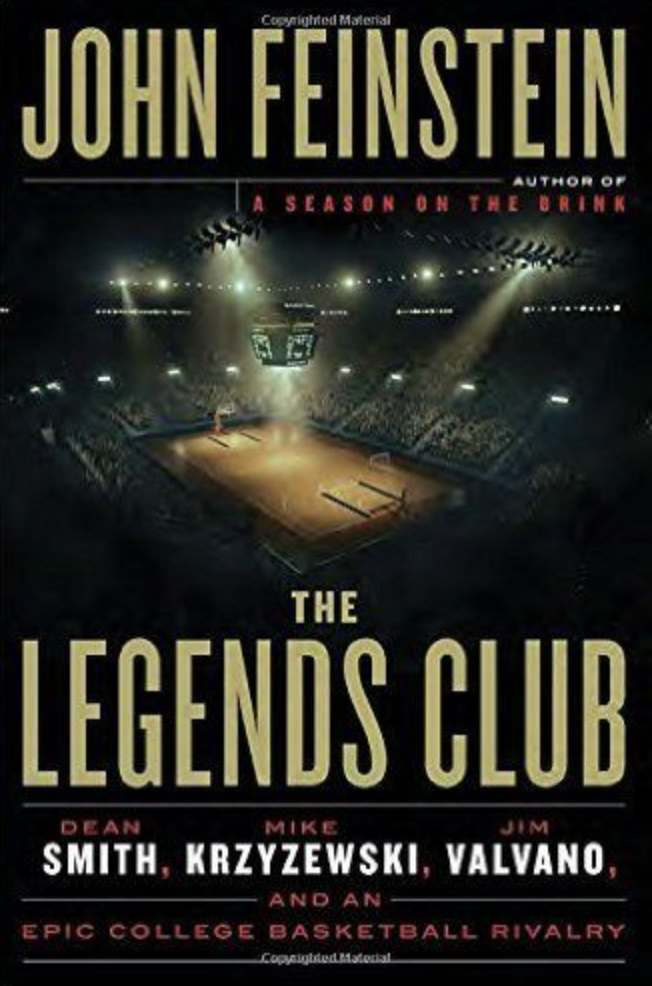
Veteran sportswriter John Feinstein chronicles the three-way rivalry between legendary college basketball coaches Dean Smith (UNC), Mike Krzyzewski (Duke), and Jim Valvano (NC State), all coaching within a 50-mile radius in North Carolina. Through personal relationships with all three coaches, Feinstein details their careers and coaching styles to reveal insights about what made them widely respected both on and off the court. The narrative, informed by Feinstein’s sense of loss from the deaths of Smith and Valvano, demonstrates how three vastly different leadership philosophies can each achieve excellence.
The 3 Most Important Concepts:
Knowledge Collection and Continuous Learning represents how great leaders stay informed and use information strategically. Dean Smith had UNC subscribe to every newspaper in North Carolina, assigning coaches to collect relevant articles he would read while traveling (p. 2). Jim Valvano, an English major with “an extraordinary memory that allowed him to quote lengthy passages from books he had read years earlier” (p. 61), used his broad knowledge to connect with players on topics ranging from pop culture to world affairs (p. 88).
Accountability Culture is the foundation of sustained excellence in leadership. Smith never raised his voice but would demand public accountability, asking players in front of teammates: “Tell me, Buzz, how good a shot do you think that was? Was it the best shot we could have gotten right there?” (p. 172). When Smith helped desegregate Chapel Hill restaurants in 1958, he later said, “You should never be proud of doing the right thing. You should just do the right thing” (p. 9). Coach K’s teams rarely get blown out because he drills consistent accountability into every player, regardless of year or schedule (p. 245).
Intentional Leadership Design shows how each coach crafted systems that reflected their values. Smith invented Senior Day to honor all seniors by starting them together, even accepting penalties for fielding too many players (p. 77). He measured recruits’ arm lengths, telling one: “Your arms are very long for someone your height. You’ll get a lot of rebounds for a guard” (p. 35). Coach K maintained strict road recruiting routines and adapted his methods for one-and-done players: “I had to be demanding from day one—not coddle them” (p. 368).
The Book’s 3 Most Essential Claims:
(1) Great coaches have fundamentally different approaches to publicity and external engagement. Smith refused all profile requests, telling reporters “Write about the players” (p. 6), while Valvano embraced media opportunities, believing “he could—and should—do more than just coach basketball” (p. 61).
(2) The most successful leaders know exactly what drives them and align their careers accordingly. Coach K knew from youth: “I knew I wanted to coach… I did think I could teach and I could lead” (p. 41). When offered the Duke job, he accepted without asking about salary, saying “I’m sure you’ll be fair” (p. 50).
(3) Competition against the best elevates everyone’s performance. When Smith retired, Coach K sent flowers with a note: “I will never forget that I had a chance to compete against the best” (p. 335).
3 Surprising Facts or Insights:
Dean Smith’s second wife Linnea initially had no idea who he was—something he found attractive. When they first met, he started the conversation by asking about the book she was reading: The Gospel According to Peanuts (p. 80).
Smith instituted such strict freshman rules that Michael Jordan couldn’t appear on a Sports Illustrated cover with his four senior teammates before playing his first game (p. 93).
Coach K offered to resign after back complications forced him to miss games, believing he was letting his team down. Athletic Director Tom Butters refused, saying: “He’s the ultimate leader. Failure always falls on the leader… I knew he was going to try and fall on his own sword” (p. 303).“
3 Actionable Recommendations:
Create systematic information gathering processes like Smith’s newspaper collection system, ensuring you stay informed about your entire ecosystem, not just immediate concerns.
Write personal letters to those who choose competitors, as Smith did with recruits who went elsewhere. Former player Eddie Fogler noted: “I can’t tell you the number of players and coaches through the years who told me that one reason they were attracted to Carolina was hearing a story about Coach Smith writing a letter like that” (p. 91).
Establish non-negotiable routines for critical activities, following Coach K’s recruiting ritual: eat dinner before the game, attend and be seen, stop for ice cream, call home, and sleep (p. 84).
3 Questions the Book Raises:
Is single-minded focus on one career (like Smith and Coach K) more effective than Valvano’s multi-faceted approach, or does effectiveness depend on individual temperament?
How do leaders balance demanding accountability while maintaining relationships, especially when coaching millennial and Gen Z talent?
Can the intimate, relationship-based coaching style of these legends survive in today’s transfer portal and NIL era?
3 Criticisms of the Book:
Feinstein’s personal relationships with the coaches, while providing insider access, may prevent truly objective analysis of their flaws and failures.
The book focuses heavily on the coaches’ perspectives while giving limited voice to players who experienced their leadership styles firsthand.
The narrative sometimes reads more like hagiography than critical biography, particularly regarding Smith’s and Valvano’s legacies after their deaths.“
3 Quotations Worth Remembering:
“You should never be proud of doing the right thing. You should just do the right thing” – Dean Smith (p. 9).
“If Dean could have spent his entire coaching career being beamed to and from the practice court and to and from the games without ever talking to anyone in between he’d have been happy” – Mike Krzyzewski about Dean Smith (p. 68).
“The forty minutes is really hard and I love it. But how many times a year do I get to do it? Thirty-five times—maybe. In a good year. That’s less than ten percent of a year. Is that enough? I don’t know” – Jim Valvano (p. 151).
The Legends Club. John Feinstein. 2016.

“You should never be proud of doing the right thing. You should just do the right thing”
“If Dean could have spent his entire coaching career being beamed to and from the practice court and to and from the games without ever talking to anyone in between he’d have been happy”
“The forty minutes is really hard and I love it. But how many times a year do I get to do it? Thirty-five times—maybe. In a good year. That’s less than ten percent of a year. Is that enough? I don’t know”