
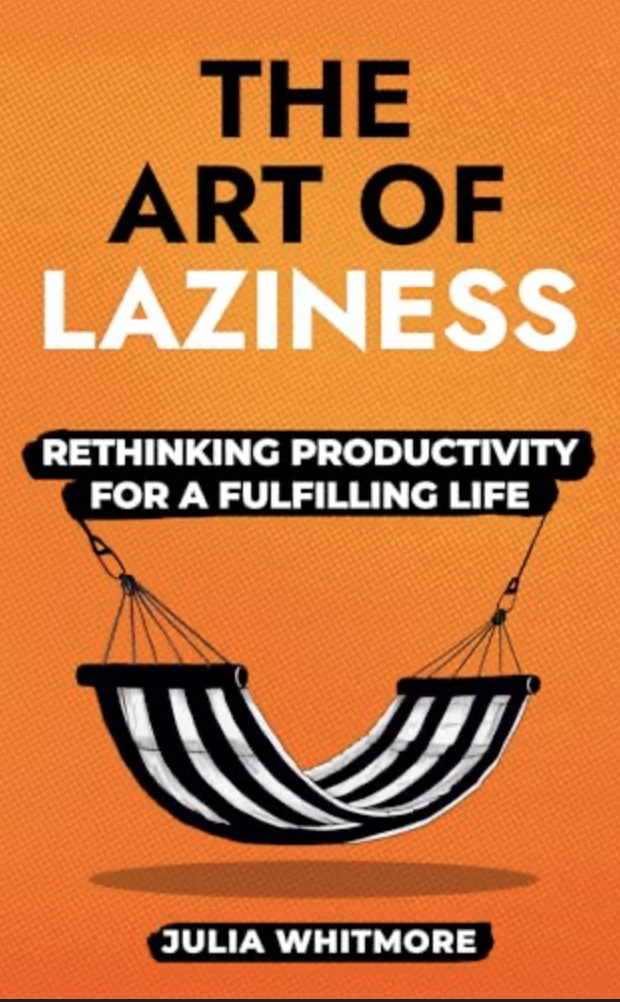
A Rule of Three Book Summary by Admired Leadership
The author argues that the conventional definition of productivity is too focused on busyness. She suggests taking a more intentional approach to determining what tasks you take on, allotting time for rest, and saying no to what doesn’t align with your values. The author asserts that this more intentional approach will actually make you more productive and lead to better work-life harmony, more creativity, and
a more fulfilling life.
The 3 Most Important Concepts:
Productivity is redefined as working smart, not hard. In contrast to busyness, the author measures productivity not by how much you accomplish but what you accomplish and how you reduce the time and effort it takes.
Mindful laziness is defined as the deliberate act of taking time to rest and recharge, stepping away from the endless cycle of getting stuff done to focus on your overall well-being
Intentional living describes the realization that time is a limited resource and how you spend it matters. The author suggests that pausing to consider why you are spending time where you are encourages reflection and redirection of effort to more productive matters.
The Book’s 3 Most Essential Claims:
1. To be truly productive, and not just busy, you must be intentional about how you spend your time. This starts with identifying your core values, assessing your priorities, focusing on tasks that contribute to your growth, and eliminating what doesn’t align.
2. How you view rest matters. Instead of seeing breaks and leisure activities as a distraction or a waste of time, framing these things as a necessary part of sustainable success will ultimately help you accomplish your most important goals more efficiently.
3. Defying social expectations of what it looks like to be productive, and including intentional rest and leisure in your life, will allow you to refocus your efforts, unleash your creativity, and achieve work-life harmony.
3 Surprising Facts or Insights:
Our current culture idolizes productivity, resulting in high social pressure to be, or at least appear to be, busy at all times. This leads to a tendency to conform and to compare ourselves to others, meaning people are often more focused on what others think than what they themselves want to accomplish.
Research shows that creativity increases when you take more breaks, allowing your subconscious mind to work on a problem in what’s called an incubation period.
According to a psychological study from Nene College in the UK, people with a positive mindset towards leisure time are healthier, happier, and more successful.
3 Actionable Recommendations:
Write down your values and priorities and put them somewhere you will see every day. Keeping these higher aims top of mind will remind you to consider whether tasks you’re taking on are worth your time.
Time management requires discipline. Divide your day into one-hour blocks and write down what you will accomplish in each hour. While you may need to address urgent items as they come up, remember to continually come back to your schedule to refocus your time.
Carve out moments of stillness, or mindful laziness, in your day. Put time on your schedule to take a walk, meditate, read, do yoga or breathing exercises, or enjoy a meal. The goal is to be fully present in whatever you are doing, not thinking about what you’re not doing.
3 Questions the Book Raises:
Am I focusing my time how I want to or how I think other people want me to?
How does our culture’s narrative around productivity and laziness influence our actions and choices in ways we might not notice?
What are the downsides of a culture that prioritizes productivity and output over almost everything else?
3 Criticisms of the Book:
The book begins to question conventional wisdom but ultimately conforms to the same conception of productivity it challenges, focusing on how to optimize every moment for maximum efficiency and viewing every activity, even rest, as a way to get more done.
The book focuses exclusively on individual mindset, failing to apply the advice in the context of working on a team, managing others, or operating in an output-driven environment.
The practical tips and strategies are effective but well-known tactics. There is nothing you haven’t heard before.
3 Quotations Worth Remembering:
“The key to a purposeful life is not just deciding what matters but also determining what you need to cut out.” (p. 18)
“You can’t be energetic if you don’t experience laziness from time to time. You can never be busy unless you experience its opposite. Productivity and activity need their counterparts to exist.” (p. 76)
“Rest isn’t idleness but a powerful tool that enhances your productivity, boosts your morale, and replenishes your spirit.” (p. 84)
