
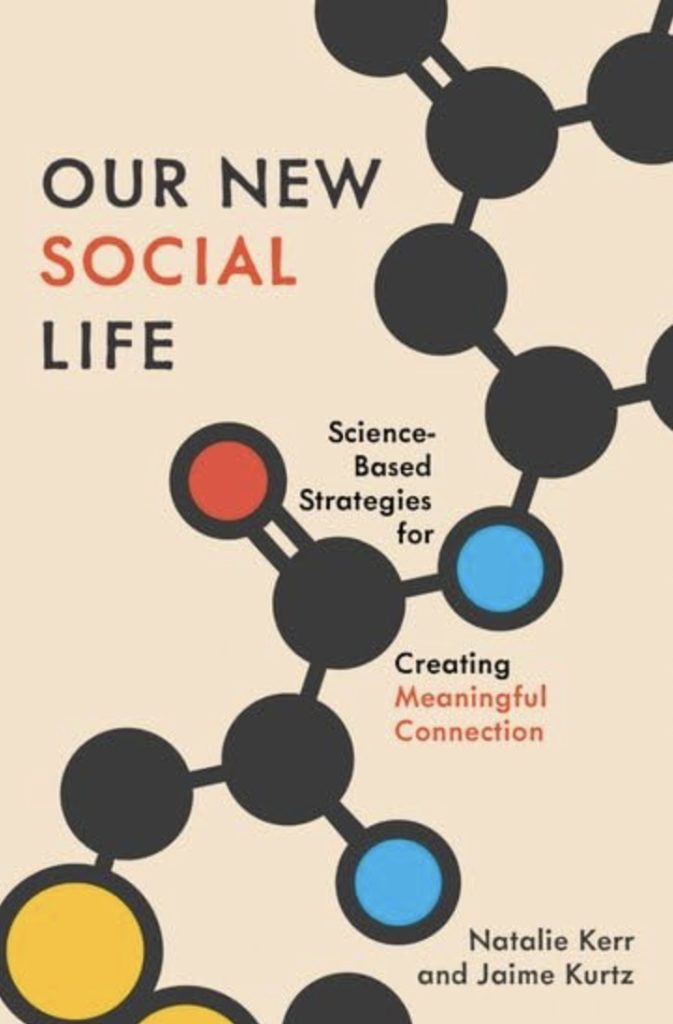
A Rule of Three Book Summary by Admired Leadership
The Book in 3 Sentences:
The authors explore how humans are biologically wired for connection and how today’s modern world—like technology, Americans’ obsession with being busy, and misperceptions about others—make building fulfilling connections more difficult. They explain the psychological, social, and cultural barriers that distort our perception of relationships and provides research-backed strategies to cultivate meaningful connections. The book emphasizes both external connection with others and internal connection with oneself as ways to fulfill our essential need for social connection.
The 3 Most Important Concepts:
Social connection is a fundamental human need. It’s as essential as food, water, and shelter, with built-in biological sensors motivating us to maintain relationships. According to the authors, loneliness functions like hunger or thirst—it signals when our needs aren’t being met and motivates us to restore connection.
Cognitive distortions, social miscalibrations, time pressures, technology use, and cultural beliefs can prevent meaningful connection. According to the authors, biases like the spotlight effect, the illusion of transparency, and the liking gap make people underestimate how much others enjoy their company and overestimate how critically they are being judged.
Simple behaviors and intentional self-connection are practices can deepen relationships and reduce loneliness. The authors argue that active listening, gratitude, self-disclosure, and curiosity build intimacy with others, while awareness, acceptance, and self-compassion strengthen our resilience and improve our interactions.
The Book’s 3 Most Essential Claim
1. Loneliness is not personal failure. It’s a signal that social needs aren’t being met, often amplified by distorted perceptions or maladaptive thought patterns.
2. We misjudge social reality. People underestimate how much others like them (the liking gap) and overestimate negative evaluations, which can create self-fulfilling isolation.
3. Both external and internal connection matter. True social fulfillment requires nurturing
relationships with others while maintaining self-connection through awareness, acceptance, and alignment with personal values.
3 Surprising Facts or Insights:
Social pain registers similar to physical pain in the brain. When people experience rejection or exclusion, their neural activity mirrors patterns seen during actual bodily harm, explaining why isolation feels genuinely painful.
Strangers inspire our best emotional selves in ways close relationships don’t. The authors explain that we unconsciously put more effort into mood repair and positive presentation with new people, creating unexpected psychological benefits that established relationships often fail to provide.
Solitude can strengthen connection. The authors explain that quality alone time provides a space for self-reflection, self-compassion, and alignment with one’s values, which may improve social confidence and resilience to rejection.
3 Actionable Recommendations:
Put your phone away and eliminate distractions when spending time with people, because real connection requires your full attention.
Recognize biases like the spotlight effect, illusion of transparency, and confirmation bias to reduce social anxiety and engage more openly.
Practice active social skills. Use active listening, ask questions, express positivity, and disclose thoughtfully to deepen connection.
3 Questions the Book Raises:
How can we overcome self-limiting beliefs and distorted perceptions that prevent connection?
How do we balance the need for vulnerability with the risks of rejection or oversharing? According to the authors, deep connections require self-disclosure, but many people
overestimate how negatively others will react to their openness.
How do we create new norms or guardrails so technology is a bridge to meaningful offline connection, not a substitute for it?
3 Criticisms of the Book:
There’s nothing original or new here, but the ideas serve as useful reminders to evaluate your current social life and level of meaningful connection in your life.
The strategies offered are practical, but they feel surface-level given the complexity of loneliness and social disconnection.
The focus is mainly individual effort, with little attention given to systemic or cultural changes needed to create deeper connection and community.
3 Quotations Worth Remembering:
“Loneliness is not a personal failing. It is simply the negative feeling that arises when we perceive a discrepancy between what we want from our relationships and what we’re getting.” (p. 2)
“You can make more friends in two months by becoming interested in other people then you can in two years by trying to get other people interested in you.” (p. 91)
“There is no intimacy without vulnerability.” (p. 99)
