
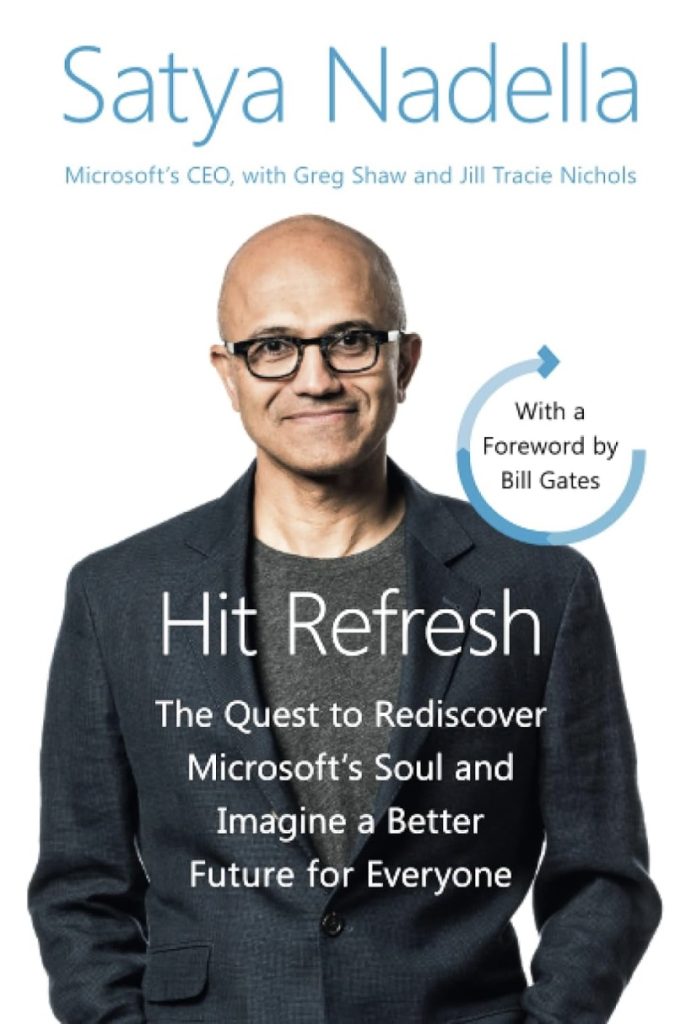
A Rule of Three Book Summary by Admired Leadership
The Book in 3 Sentences:
The author recounts his journey from having a panic attack on live television to discovering meditation as a practical tool for managing the relentless inner voice that drives ambition but also fuels anxiety. The book demonstrates that mindfulness and meditation are not mystical practices but rigorous mental exercises that can reduce stress, increase presence, and improve decision-making without sacrificing competitive edge. The author argues that being 10% happier through meditation is a realistic and valuable return on investment for anyone seeking to balance ambition with well-being.
The 3 Most Important Concepts
1. C in CEO stands for culture. Organizations survive and thrive by prioritizing and, when necessary, renewing their culture. The CEO must be the curator of that organization’s culture.
2. The Trust Equation. Nadella adapts the classic Trust Equation, originally created by David Maister, Charles Green, and Robert Galford, for the digital age. He re-frames the trust conversation from “How do I get people to trust me?” to “How do systems and institutions act in ways that deserve trust?”
E + SV + SR = T/t
(Empathy + Shared values + Safety and Reliability = Trust over time)
In his version, he argues that companies must lead with empathy, guided by values, and prove their reliability daily. Without trust, innovation loses legitimacy. With trust, technology can advance human progress responsibly.
3. The most productive debate we can have about AI isn’t one that pits good vs. evil, but rather one that examines the values instilled in the people and institutions creating this technology.
3 Surprising Facts or Insights:
The three expectations for anyone leading others at Microsoft:
1. Bring clarity to those you work with.
2. Generate energy—inspire optimism, creativity, shared commitment and growth.
3. Find a way to deliver success, to make things happen.
Nadella nearly failed to secure his first role at Microsoft when an interviewer asked him a question to assess his empathy. It was not until Nadella had his first son, who was born with cerebral palsy, that he came to understand the importance of truly understanding others.
A company-wide Hackathon became the heart of Microsoft’s cultural revival. It rewarded curiosity, teamwork, and purpose over hierarchy, and became a symbol of the organization’s commitment to a growth mindset. It continues to be a fruitful tradition to this day.
3 Actionable Recommendations:
Always lead with empathy: actively seek to understand before acting—whether designing products or managing teams.
Anchor technology and innovation in purpose: ensure progress reflects shared human values and advances collective well-being.
Build partnerships before you need them: partnerships work only when culture invites them, when they expand value for users, and when you are proactive rather than reactive.
3 Questions the Book Raises:
What is the role of a leader in digital technology, especially as the world turns to tech as such a crucial input to drive growth?
How can we make technology available to everyone—and then how can we ensure that it works to benefit everyone?
What does it mean to Hit Refresh for yourself?
3 Criticisms of the Book:
At times, the memoir can feel like a marketing piece with branding, values, products and the “good things” front and center.
Nadella offers more philosophy and reflection than instruction, which may leave readers without a clear way to put his principles into practice.
Most of the ideas discussed are not particularly groundbreaking. Emotional intelligence concepts such as empathy, listening, communication, and inclusivity are already well-researched leadership qualities.
3 Quotations Worth Remembering:
“Every person, organization, and even society reaches a point at which they owe it to themselves to Hit Refresh—to re-energize, renew, reframe, and rethink their purpose.” (p. 14)
“Anyone who says they can accurately predict the future trajectory of tech is not to be trusted. However, a growth mindset enables you to better anticipate and react to uncertainties.” (p. 51)
“Success can cause people to unlearn the habits that made them successful in the first place.” (p. 57)
