
A Rule of Three Book Summary by Admired Leadership
The Book in 3 Sentences:
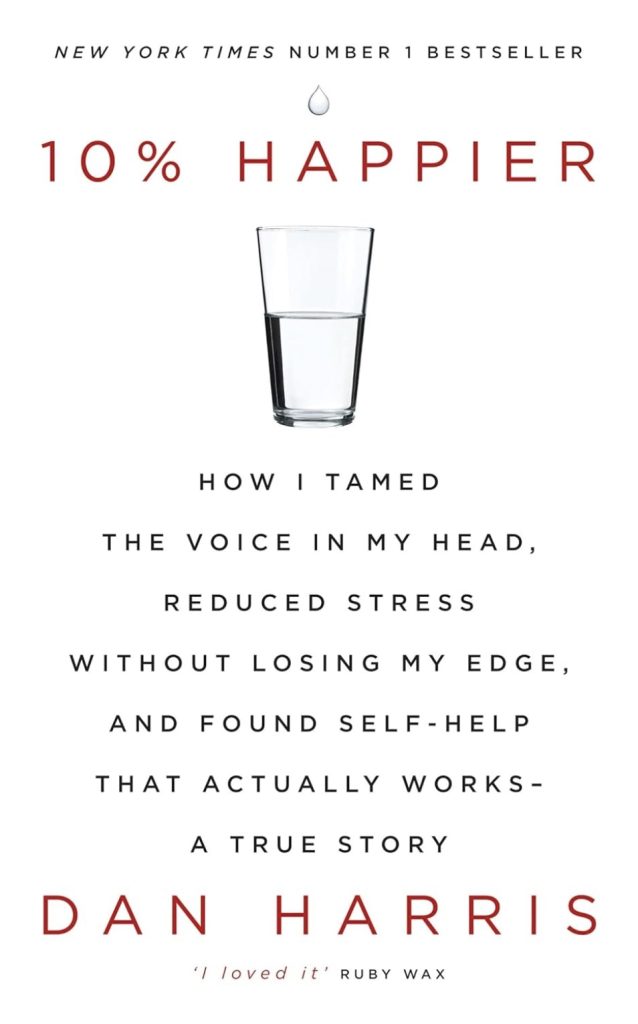
The author recounts his journey from having a panic attack on live television to discovering meditation as a practical tool for managing the relentless inner voice that drives ambition but also fuels anxiety. The book demonstrates that mindfulness and meditation are not mystical practices but rigorous mental exercises that can reduce stress, increase presence, and improve decision-making without sacrificing competitive edge. The author argues that being 10% happier through meditation is a realistic and valuable return on investment for anyone seeking to balance ambition with well-being.
The 3 Most Important Concepts:
Mindfulness is defined as the intentional and non-judgmental focus on the contents of our minds in the present moment. It builds awareness and appreciation of the present and helps you step back, recognize, and reassess your initial judgment rather than being swept along by automatic, habitual behavior.
The Inner Voice is the constant mental narrator that people listen to thoughtlessly, without thinking reasonably or heeding consequences. When you are mindful enough to understand where that voice is developing by questioning the senseless narrator, you now own the voice and can utilize it purposefully rather than being controlled by it.
Neuroplasticity is the concept that the brain is constantly changing in response to experience. It is possible to sculpt your brain through meditation just as you build and tone your body through exercise, growing your gray matter the way doing curls grows your bicep.
The Book’s 3 Most Essential Claims:
1. Meditation is a rigorous brain exercise that requires genuine grit and discipline. It is not a mystical or hippie practice but a functional and practical way to gain peace in everyday life by training the mind through repeated attempts to tame compulsive thinking.
2. Mindfulness does not diminish competitive edge but actually enhances performance by helping you focus energy on variables you can influence rather than wasting it on those you cannot control. The key is nonattachment to outcomes while still striving for success.
3. The practice of mindfulness transforms how people experience daily life by replacing automatic sleepwalking behavior with intentional presence. This shift allows individuals to recognize that thoughts are just thoughts with no concrete reality, reducing their power to cause unnecessary anxiety and poor decisions.
3 Surprising Facts or Insights:
Meditation began as a rigorous mental exercise that the author didn’t like but respected after his first five-minute session, comparing it to holding a live fish and requiring genuine grit to repeatedly haul attention back to breath.
Brain scans show that acts of kindness registered more like eating chocolate than fulfilling an obligation, and compassionate people tend to be healthier, happier, more popular, and more successful at work.
Most Americans didn’t brush their teeth until after World War II, and exercise didn’t
become popular until the late twentieth century. Mindfulness is predicted to follow a similar trend as science continues to demonstrate clear health benefits.
3 Actionable Recommendations:
When you begin the endless trail of worry or frustration, stop and ask yourself: “Is this useful?” This question serves as a corrective to determine when plotting and planning has crossed into unproductive rumination.
Practice taking “purposeful pauses” throughout the day rather than constantly multitasking or filling in-between moments with distractions. These pauses help you become a clearer thinker and more focused on what’s important.
Respond, don’t react. When experiencing difficult emotions, recognize that you had no role in summoning those feelings initially, but the only thing you can control is how you handle them.
3 Questions the Book Raises:
How can ambitious professionals balance the drive for success with the practice of nonattachment to outcomes without becoming passive or losing their competitive edge?
Why did it take a public panic attack for the author to recognize years of mindless, automatic behavior, and what earlier warning signs might people miss in their own lives?
If mindfulness provides such clear benefits, why do most people resist the practice despite its simplicity, and what cultural shifts would be necessary for it to become as commonplace as exercise or dental hygiene?
3 Criticisms of the Book:
The author’s estimate that meditation made him “10% happier” is admittedly not scientific and provides no measurable framework for readers to assess their own progress or set realistic expectations.
The book relies heavily on the author’s personal narrative and anecdotes from his interviews, which may not resonate with readers from different professional backgrounds or those who haven’t experienced similar crises.
While the author addresses the concern about losing competitive edge, the book could provide more concrete examples of how meditation specifically enhanced his professional performance beyond general claims about clarity and focus.
3 Quotations Worth Remembering:
“My on-air meltdown was the direct result of an extended run of mindlessness, a period of time during which I was focused on advancement and adventure, to the detriment of pretty much everything else in my life” (p. 2).
“I was able to see my thoughts for what they were: just thoughts, with no concrete reality” (p. 61).
“Striving is fine, as long as it’s tempered by the realization that, in an entropic universe, the final outcome is out of your control. If you don’t waste your energy on variables you cannot influence, you can focus much more effectively on those you can. When you are wisely ambitious, you do everything you can to succeed, but you are not attached to the outcome—so that if you fail, you will be maximally resilient, able to get up, dust yourself off, and get back in the fray” (p. 207).
